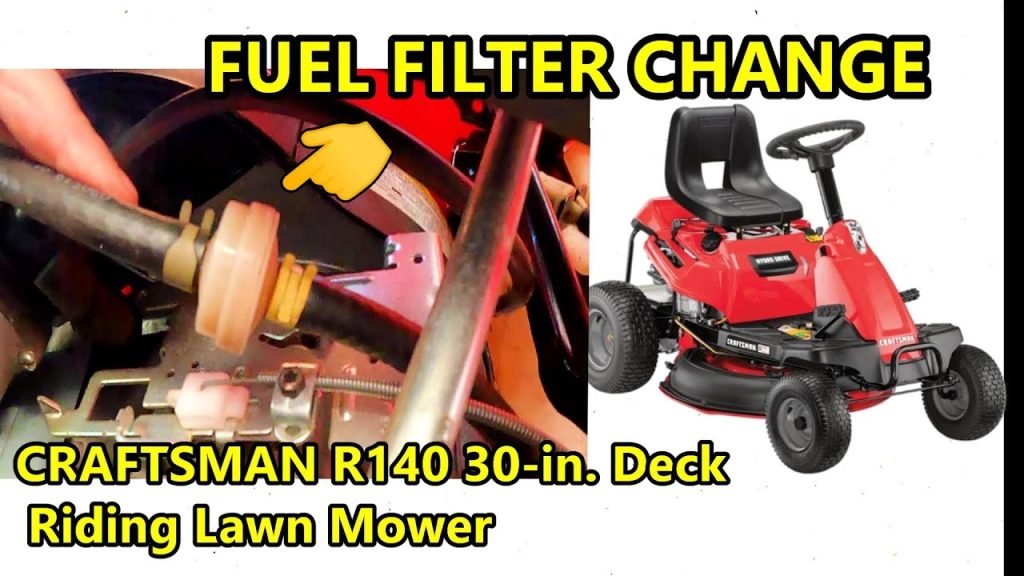
Is your riding mower not running as smoothly as it used to? A clogged fuel filter might be the culprit.
Replacing the fuel filter is a simple task that can save you time and money on repairs. In this guide, you’ll learn exactly how to replace the fuel filter in your riding mower step-by-step. By the end, you’ll feel confident tackling this maintenance job yourself and keeping your mower in top shape all season long.
Let’s get started and make sure your mower runs like new again!
Signs Of A Clogged Fuel Filter
A clogged fuel filter can cause several engine problems. The mower might run rough or lose power. This happens because less fuel reaches the engine. You may also notice the engine stallsor hesitates during use.
Starting the mower might become hard. The engine may crank but not start easily. This delay can be a sign that fuel flow is blocked.
Sometimes, you might smell fuelnear the mower. Leaks around the fuel filter or fuel lines can occur. This is unsafe and needs quick attention to avoid fire risk.
Credit: www.searspartsdirect.com
Tools And Materials Needed
Essential toolsinclude a wrench, screwdriver, and pliers. A container to catch fuel is helpful. Have a clean rag ready to wipe spills. A new fuel filter that fits your mower is necessary.
| Replacement Fuel Filter Types | Description |
|---|---|
| Inline Filter | Fits in the fuel line; easy to replace. |
| Cartridge Filter | Located inside the fuel system; needs casing removal. |
Safety gearis important. Use gloves to protect hands from fuel. Wear safety glasses to shield eyes. Work in a well-ventilated area to avoid fumes. Keep a fire extinguisher nearby just in case.
Preparing The Mower
Park the mower on a flat surface. Make sure the mower is stable and won’t move.
Turn off the engine and remove the key. This keeps the mower safe to work on.
Disconnect the battery cables. This stops any accidental electric shocks or sparks.
Open the fuel tank cap carefully. Use a small container to drain extra fuel from the tank.
Remove fuel from the fuel lines if needed. This prevents fuel spills during filter replacement.
- Wear gloves to protect your hands from fuel.
- Use rags or paper towels to catch any drips.
- Work in a well-ventilated area to avoid fumes.

Credit: www.youtube.com
Locating The Fuel Filter
The fuel filteris usually near the engine or fuel tank. Its job is to stop dirt from entering the engine.
Common places to find the fuel filter:
- Between the fuel tank and the engine
- Under the mower deck near the engine
- Inside the fuel line, attached with clips or screws
The owner’s manualis the best guide. It shows the exact location and type of fuel filter your mower uses. Manuals often have diagrams that make finding the filter easier.
Check the manual before starting. It helps avoid mistakes and saves time.
Removing The Old Fuel Filter
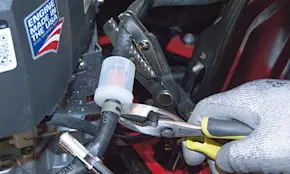
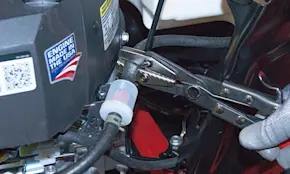
Fuel line clampshold the fuel lines tightly to the filter. Gently squeeze the clamps with pliers to release them. Pull the clamps away from the filter. Be careful not to damage the lines. Fuel may leak out slightly.
Slowly pull the old fuel filter off the fuel lines. It may be tight. Wiggle it gently to loosen. Avoid using too much force to stop damage. Set the filter aside for disposal.
Fuel spills are common during this process. Place a small container or rag under the filter area. Clean up any spilled fuel quickly. Use gloves to protect your hands. Keep a fire extinguisher nearby for safety.
Installing The New Fuel Filter
Remove the old fuel filter carefully to avoid spills. Fit the new filter securely, ensuring proper fuel flow and no leaks. Tighten clamps and check connections before starting the mower.
Checking Filter Direction
Ensure the fuel filter is facing the right way. Check the arrow on the filter. It shows the direction of fuel flow. The arrow should point towards the engine. This ensures proper fuel supply.Securing Fuel Lines
Attach the fuel lines to the new filter. Use clamps to secure them tightly. Ensure the lines are not twisted or bent. This prevents any blockage or leaks. Double-check the connection for tightness.Testing For Leaks
Turn on the mower and let it run for a few minutes. Look for any leaks around the filter. If there are no leaks, the installation is successful. If you see leaks, tighten the clamps again. Ensure everything is secure and leak-free. `Post-replacement Steps
Reconnect the battery cables securely to avoid power issues. Make sure the positive and negative terminals are attached correctly to prevent sparks or damage.
Start the engine and listen carefully. It should run smoothly without sputtering or stalling. If the engine struggles, double-check the fuel filter connection.
- Watch for any fuel leaks near the filter.
- Check the mower’s throttle response for normal operation.
- Observe the engine’s sound for any unusual noises.
- Test the mower’s power by moving it slightly forward.
Maintenance Tips For Fuel Filters
The fuel filtershould be replaced regularly to keep the mower running well. Most experts say to change it every 25 to 50 hoursof use or at least once a year.
Using clean fuelis very important. Dirty fuel can clog the filter fast. Always fill the tank with fresh gasoline and avoid old or contaminated fuel.
- Check the fuel filter for dirt or damage every few weeks.
- Look for cracks or leaks in the filter housing.
- Replace the filter if you see any signs of clogging or damage.
- Keep the fuel tank clean to help the filter last longer.
Credit: www.searspartsdirect.com
Frequently Asked Questions
How Often Should I Replace The Fuel Filter In A Riding Mower?
Replace the fuel filter every 100 hours of use or once per mowing season. This prevents debris buildup and ensures smooth fuel flow.
What Tools Are Needed To Replace A Riding Mower Fuel Filter?
You typically need pliers, screwdrivers, and a new fuel filter. Having a container to catch fuel and gloves is also helpful.
Can I Replace The Fuel Filter Myself Safely?
Yes, replacing the fuel filter is a simple DIY task. Ensure the mower is off and cooled down before starting the replacement.
How Do I Know If My Fuel Filter Needs Replacing?
Signs include engine sputtering, poor acceleration, or difficulty starting. These indicate clogged fuel filters restricting fuel flow.
Conclusion
Replacing the fuel filter keeps your riding mower running well. Clean fuel helps the engine work smoothly and last longer. Regular checks stop dirt from blocking fuel flow. Follow steps carefully to avoid mistakes and stay safe. Changing the filter is simple and saves repair costs.
Take time to do this small task. Your mower will thank you with better performance. Keep your lawn mower in good shape all season.





