
Are you frustrated with your lawnmower not starting up like it used to? The culprit might be a worn-out spark plug.
Learning how to remove a spark plug from your lawnmower can save you time, money, and the headache of dealing with a machine that won’t cooperate. Imagine the satisfaction of confidently handling this small yet crucial task, knowing that you’re one step closer to a perfectly manicured lawn.
In this guide, you’ll discover a simple, step-by-step method to safely and efficiently remove a spark plug, even if you’re not a seasoned mechanic. Stick around to unlock the secrets of maintaining your lawnmower and enjoy a hassle-free mowing experience.
Tools Needed
Before you start removing the spark plug from your lawnmower, gathering the right tools is essential. Having everything on hand makes the process smoother and helps you avoid unnecessary frustration. Let’s look at the key tools you’ll need to get the job done safely and efficiently.
Socket Wrench
A socket wrench is your main tool for loosening and tightening the spark plug. Its design provides the leverage needed to turn the plug without damaging it. Make sure you have a socket wrench with a comfortable grip; it makes a big difference when working in tight spaces around your mower engine.
Spark Plug Socket
The spark plug socket is a special attachment for your socket wrench. It usually has a rubber insert or magnet inside to hold the spark plug securely during removal. This prevents dropping or damaging the plug, which is especially helpful if you’re working on uneven ground or in low light.
Spark Plug Gap Tool
After removing the spark plug, you might want to check or adjust the gap before reinstalling or replacing it. A spark plug gap tool measures the distance between the electrodes to ensure it matches your lawnmower’s specifications. Using the right gap improves your mower’s performance and fuel efficiency.
Protective Gloves
Wearing protective gloves keeps your hands safe from dirt, sharp edges, and hot engine parts. Gloves also provide better grip on tools and parts, reducing the chance of slips. Don’t skip this simple but important safety measure—it makes the whole process cleaner and safer for you.
Safety Precautions
Taking safety precautions is essential before removing a spark plug from a lawnmower. It protects you from electrical shocks, burns, and other injuries. Following simple safety steps makes the process safer and easier.
Disconnecting The Spark Plug Wire
Always disconnect the spark plug wire before starting. This stops the engine from accidentally starting. Gently pull the boot, not the wire, to avoid damage. Keep the wire away from the spark plug and metal parts.
Working In A Well-ventilated Area
Work outside or in a space with good airflow. Lawnmower engines can emit harmful fumes. Proper ventilation helps you breathe safely and prevents buildup of dangerous gases. Avoid working in closed garages or basements.
Wearing Safety Gear
Wear gloves to protect your hands from dirt and sharp parts. Safety glasses keep debris out of your eyes. Closed-toe shoes protect your feet from heavy objects. Dress in clothes that cover your arms and legs for extra protection.
Locating The Spark Plug
Locating the spark plug is the first step to removing it safely. Knowing its exact position helps avoid damage to the engine parts. This section guides you through finding the engine and identifying the spark plug on your lawnmower.
Finding The Engine
The engine is usually at the center or side of the lawnmower. It is the largest metal part with many components attached. Look for a metal casing with cooling fins or air vents.
The engine often has a pull cord or a starter handle. This cord is a clear sign that you are close to the engine. The engine base connects to the mower deck, making it easy to spot.
Identifying The Spark Plug Position
The spark plug is a small part connected to a thick wire. This wire is called the spark plug wire or ignition cable. It usually leads from the engine’s ignition system to the spark plug.
Look for a metal piece with a hexagonal shape and an insulator tip. It often sticks out from the side or top of the engine block. The spark plug may be covered by a rubber boot at the wire end.

Credit: www.youtube.com
Removing The Spark Plug
Removing the spark plug from your lawnmower is a straightforward task, but it requires care to avoid damaging the engine or the spark plug itself. Taking your time and following the right steps ensures a smooth process and helps maintain your mower’s performance. Let’s look at how to safely and effectively remove that spark plug.
Cleaning Around The Spark Plug
Before you touch the spark plug, clean the area around it thoroughly. Dirt and debris can fall into the engine cylinder once the plug is removed, causing damage.
Use a soft brush or compressed air to clear away grass clippings, dust, and mud. This simple step can save you from costly repairs later.
Using The Correct Socket
Choosing the right socket is crucial to avoid stripping the spark plug’s hex or damaging its threads. Most spark plugs require a 5/8-inch or 13/16-inch socket with a rubber insert to grip the plug securely.
If you don’t have the correct socket, you might find yourself frustrated with slipping tools or broken plugs. Investing in a spark plug socket set is a smart move for any mower owner.
Turning The Spark Plug Counterclockwise
Once you’ve cleaned around the plug and fitted the correct socket, it’s time to turn it. Always turn the spark plug counterclockwise to loosen it.
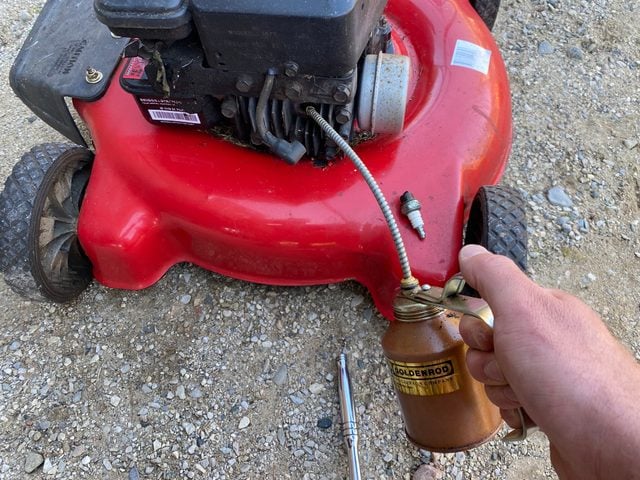
Apply steady pressure and avoid sudden jerks to prevent damaging the threads. If the plug feels stuck, a little penetrating oil can work wonders—have you tried this before?
Inspecting The Spark Plug
Inspecting the spark plug is a crucial part of maintaining your lawnmower’s engine. It helps you spot issues early and ensures your mower runs smoothly. Taking a few moments to examine the spark plug can save you from unexpected breakdowns and costly repairs.
Checking For Wear And Damage
Start by looking closely at the spark plug’s tip and body. Is the electrode worn down or rounded? A healthy spark plug has a sharp, clean electrode.
Also, check for cracks or chips in the ceramic insulator. These can cause misfires or poor ignition. If the plug looks burnt, oily, or covered in carbon deposits, it’s a sign of underlying engine problems or the need for replacement.
Have you noticed a rough start or loss of power? Inspecting the spark plug often reveals the cause.
Measuring The Spark Plug Gap
The spark plug gap is the distance between the center and ground electrodes. This gap affects the strength of the spark that ignites the fuel.
Use a feeler gauge to measure this gap. The correct measurement varies by lawnmower model, so check your owner’s manual for the exact specification.
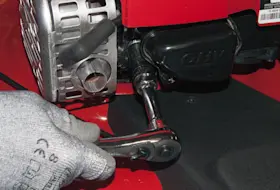
If the gap is too wide or too narrow, your mower might struggle to start or run inefficiently. Adjust the gap gently by bending the ground electrode, but be careful not to damage it.
Have you ever tried running your mower with the wrong gap? It’s a quick way to spot if the spark plug is the issue behind poor performance.
Credit: www.searspartsdirect.com
Replacing Or Reinstalling
Replacing or reinstalling the spark plug in your lawnmower is a key step to keep it running smoothly. Whether you’re swapping out an old plug or putting the same one back, each action requires care to avoid damage. Let’s look at how to choose the right spark plug and get it properly installed for the best performance.
Choosing A New Spark Plug
Not all spark plugs fit every lawnmower. Check your mower’s manual or the existing plug’s model number to find the exact match.
Look for plugs that match the correct heat range and thread size. Using the wrong type can cause poor engine performance or damage.
Brands matter too. Trusted brands often provide better durability and spark consistency, saving you headaches in the long run.
Properly Installing The Spark Plug
Before installation, clean the spark plug hole to remove any dirt or debris. This prevents particles from entering the engine.
Hand-tighten the spark plug first to avoid cross-threading. Use a spark plug socket wrench to tighten it securely but don’t overtighten—it can strip the threads.
Feeling unsure? A snug fit means the spark plug is sealed properly. Too tight or too loose can cause leaks or poor spark.
Reconnecting The Spark Plug Wire
After the spark plug is installed, reconnect the spark plug wire firmly. The connection must be tight to ensure reliable ignition.
Pull the boot, not the wire, when reconnecting or removing to avoid wire damage. A loose connection can cause your mower to stall unexpectedly.
Have you ever had your mower cut out mid-job? Checking this simple connection can often solve the problem without any tools.
Tips For Maintenance
Proper maintenance keeps your lawnmower running smoothly and extends its life. Simple daily care can prevent many engine problems. Focus on key areas like spark plugs, engine cleanliness, and storage methods.
Regular Spark Plug Checks
Check the spark plug every 25 hours of use or at the start of each season. Remove it carefully using a spark plug wrench. Look for dirt, corrosion, or wear on the electrode. Clean gently with a wire brush if dirty. Replace if the gap is too wide or if the plug is damaged.
Keeping The Engine Clean
Remove grass clippings and dirt from the engine after each use. Use a brush or compressed air to clear vents and cooling fins. A clean engine runs cooler and lasts longer. Avoid washing the engine directly with water to prevent damage.
Storing The Lawnmower Properly
Store the lawnmower in a dry, sheltered place to avoid rust and corrosion. Drain fuel or add a stabilizer before long storage periods. Remove the spark plug and turn the engine over to clear fuel from the carburetor. Cover the mower to keep dust and moisture away.
Credit: www.familyhandyman.com
Frequently Asked Questions
How Do I Safely Remove A Spark Plug From A Lawnmower?
First, disconnect the spark plug wire to avoid shocks. Use a spark plug socket wrench to turn counterclockwise. Clean the area around the plug before removal to prevent debris from entering the engine.
What Tools Are Needed To Remove A Lawnmower Spark Plug?
You need a spark plug socket wrench, a ratchet, and possibly a spark plug gap tool. These tools ensure easy and safe removal without damaging the spark plug or engine parts.
How Often Should I Remove And Check My Lawnmower Spark Plug?
Check your spark plug every 25 hours of use or at least once a season. Regular inspection helps maintain engine efficiency and prevents starting problems.
Can I Reuse A Spark Plug After Removing It?
You can reuse a spark plug if it’s clean and undamaged. Inspect for cracks, corrosion, or worn electrodes before reinstalling or replacing it for optimal performance.
Conclusion
Removing a spark plug from a lawnmower is simple with the right steps. Always make sure the engine is off and cool before starting. Use the proper tools to avoid damage and work carefully. Taking your time helps prevent mistakes and keeps your mower safe.
Regular maintenance like this keeps your lawnmower running well. Now you can handle spark plug removal with confidence. Keep your mower in good shape and enjoy a neat lawn every time.





