
Are you ready to tackle some lawn mower maintenance but find yourself stuck on how to remove that stubborn spark plug? You’re not alone.
Many people face this common hurdle, and it can be frustrating. But don’t worry; you’ve come to the right place. Understanding how to safely and efficiently remove a spark plug is key to keeping your mower in top shape. Imagine your lawn mower running smoothly, effortlessly slicing through grass, all because you took the right steps.
In this guide, you’ll discover simple, effective techniques to remove a spark plug without any hassle. Get ready to transform your lawn care routine and gain the confidence you need to handle this task like a pro. Keep reading to learn how to do it easily and safely!
Tools Needed
Removing a spark plug from a lawn mower needs the right tools. Using the correct tools makes the job easier and safer. You avoid damage to the spark plug and engine parts. Gather these tools before starting your work.
Spark Plug Socket
This socket fits the spark plug snugly. It helps to turn the spark plug without slipping. Usually, it has a rubber insert to grip the plug tightly.
Ratchet Wrench
A ratchet wrench connects to the spark plug socket. It allows you to turn the socket with ease. The ratchet action saves time and effort.
Socket Extension Bar
This bar extends the reach of your socket. It helps to access spark plugs that sit deep in the engine. Choose an extension that fits your lawn mower’s design.
Feeler Gauge
This tool measures the gap in the spark plug. It helps check if the gap is correct before reinstalling. Proper gap ensures the engine runs smoothly.
Work Gloves
Gloves protect your hands from dirt and sharp parts. They also improve your grip on tools and spark plugs. Choose gloves that fit well and feel comfortable.

Credit: m.youtube.com
Prepare The Lawn Mower
Preparing your lawn mower before removing the spark plug is essential. It ensures safety and makes the task easier. Taking the right steps prevents accidents and protects the mower.
Safety Precautions
Turn off the lawn mower completely. Disconnect the spark plug wire from the spark plug. This prevents the mower from starting by accident. Wear gloves to protect your hands from dirt and sharp parts. Work in a dry area to avoid slips and electric shocks.
Positioning The Mower
Move the mower to a flat, stable surface. This keeps it steady while you work. Tilt the mower carefully on its side if needed. Make sure the air filter and carburetor are facing up. This prevents oil or gas from leaking out. Use a block or stand to keep the mower steady in place.
Locate The Spark Plug
Locating the spark plug is the first step to remove it safely. The spark plug is a small device that ignites the fuel in the engine. Finding it helps you avoid damage and makes the removal process easier.
Most lawn mowers have their spark plugs placed in similar locations. Knowing the exact spot saves time and effort.
Check Near The Engine Cylinder
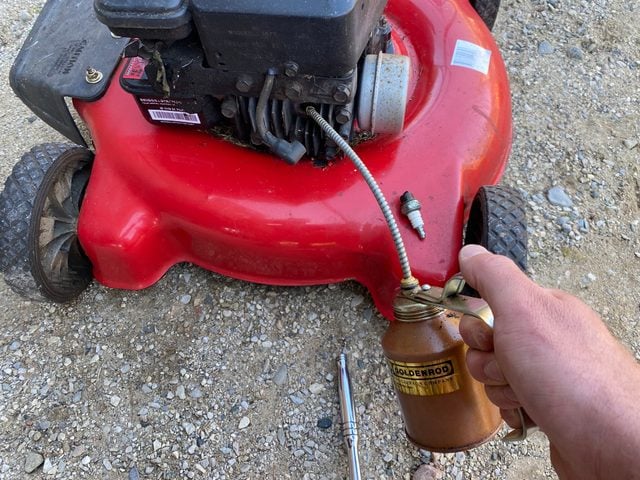
The spark plug is usually screwed into the engine cylinder. Look for a thick wire leading to a small metal part.
This wire is called the spark plug wire. It connects the spark plug to the ignition system.
Look For A Small, Metal, Hexagonal Part
The spark plug has a hexagonal shape for a wrench to fit. It is smaller than most engine parts.
Its metal body often shines or looks silver or gray. Dirt might cover it, so clean the area if needed.
Refer To The Lawn Mower’s Manual
The manual shows the exact location of the spark plug for your model. It includes pictures and diagrams.
Checking the manual can avoid confusion and prevent mistakes.
Identify The Spark Plug Wire
- The wire is thick and rubber-coated.
- It connects directly to the spark plug’s top.
- Removing this wire is the first step before pulling out the plug.
Credit: www.familyhandyman.com
Disconnect The Spark Plug Wire
Disconnecting the spark plug wire is a crucial safety step before removing the spark plug from your lawn mower. It prevents accidental engine starts, which can cause injury. Taking a moment to do this properly ensures you work safely and confidently.
Locate The Spark Plug Wire
First, find the spark plug wire connected to the spark plug. It usually has a thick, rubbery coating and leads directly to the spark plug’s metal terminal. Take a close look—this wire is your main focus.
Grip The Wire By The Boot, Not The Wire
Always pull the spark plug wire by the boot, the rubber part covering the plug’s metal tip. Pulling the wire itself can damage the connection or internal wiring. A firm, steady tug at the boot will safely disconnect the wire without harm.
Use Gloves For Better Grip And Protection
Wearing gloves can improve your grip and protect your hands from dirt and potential sparks. It also helps if the wire or boot is stuck or greasy. Have a pair of work gloves handy before you start this task.
Check For A Secure Disconnection
After pulling off the wire, gently wiggle it to confirm it’s fully disconnected. The wire should come off easily without resistance. If it feels stuck, try twisting the boot slightly while pulling—it loosens the grip without damage.
Why Is This Step Often Overlooked?
Many skip disconnecting the spark plug wire, risking accidental starts. Have you ever felt uneasy about pulling the wire? Taking this safety step first is a simple way to protect yourself and avoid unexpected accidents.
Remove The Spark Plug
Removing the spark plug from a lawn mower is a simple task. It helps you check or replace the plug, which keeps the engine running smoothly. This step is important for maintenance and troubleshooting.
Using The Spark Plug Socket
First, locate the spark plug on the engine. It looks like a small, thick wire connected to a metal tip. Use a spark plug socket for removal. This tool fits perfectly around the plug and makes turning easier.
- Attach the spark plug socket to a ratchet or wrench.
- Place the socket over the spark plug carefully.
- Turn the wrench counterclockwise to loosen the plug.
- Keep turning until you can pull the plug out by hand.
Handle the spark plug gently to avoid damage. Store it safely if you plan to reuse it.
Handling Stuck Spark Plugs
Sometimes, spark plugs get stuck from dirt or rust. Avoid forcing the plug hard, as it can break. Try these tips:
- Spray a small amount of penetrating oil around the plug base.
- Let the oil sit for 10-15 minutes to loosen rust.
- Use the spark plug socket and gently rock the plug back and forth.
- Apply steady, firm pressure while turning counterclockwise.
If the plug still won’t budge, heat the area slightly with a heat gun. This helps expand metal parts. Be careful not to overheat or damage nearby parts.
Inspect And Clean The Spark Plug
Inspecting and cleaning the spark plug is important for your lawn mower’s performance. Dirt, debris, or damage can stop the mower from starting or running well. A clean spark plug helps the engine ignite fuel efficiently.
Take your time to check the spark plug carefully. Look for signs of wear or buildup. Cleaning the spark plug can improve engine power and save you money on repairs.
Check The Spark Plug For Damage
Examine the spark plug’s metal parts and insulator. Look for cracks, chips, or burns. A damaged spark plug should be replaced to avoid engine problems. Also, check the electrode for wear or erosion.
Remove Dirt And Carbon Deposits
Use a wire brush or spark plug cleaner to remove dirt. Clean around the electrode and the insulator tip. Avoid damaging the spark plug while cleaning. This removes carbon build-up that blocks the spark.
Measure And Adjust The Spark Plug Gap
Use a spark plug gap tool to measure the gap between electrodes. The correct gap is in your mower’s manual. Adjust the gap gently by bending the electrode if needed. The right gap ensures a strong spark for ignition.
Dry And Reinstall The Spark Plug
Make sure the spark plug is dry before reinstalling. Moisture can cause engine misfires. Screw the spark plug back into the engine by hand. Tighten it firmly but avoid over-tightening to prevent damage.
Replace Or Reinstall The Spark Plug
Replacing or reinstalling the spark plug is a crucial step in maintaining your lawn mower’s engine performance. Whether you’re installing a new spark plug or putting the old one back, paying close attention to details ensures your mower starts smoothly every time. Let’s dive into the key checks you must do before finalizing this part of the job.
Checking The Gap
The spark plug gap affects how well your lawn mower ignites fuel. If the gap is too wide or too narrow, your mower might struggle to start or run inefficiently.
Use a spark plug gap tool to measure the space between the electrode and the ground strap. The correct gap size is usually specified in your mower’s manual—don’t guess it.
Adjust the gap carefully by bending the ground strap slightly. A consistent, proper gap means a stronger spark and better engine performance. Have you ever tried running a mower with an incorrect spark plug gap? You’ll notice it won’t run as smoothly as it should.
Tightening The Spark Plug
After setting the right gap, the spark plug must be tightened properly. Too loose, and it can cause poor compression or even damage the engine. Too tight, and you risk stripping the threads or cracking the plug.
- Start by hand-threading the spark plug to avoid cross-threading.
- Once it’s snug, use a spark plug socket and wrench to tighten it firmly.
- Check your mower’s manual for the recommended torque, or if you don’t have a torque wrench, tighten it about a quarter turn after it’s seated.
I once overtightened a spark plug, and it cracked the ceramic insulator, causing a frustrating delay. Don’t rush this step—take your time to get it just right and save yourself from future headaches.
Reconnect The Spark Plug Wire
After replacing or inspecting the spark plug, reconnecting the spark plug wire is a crucial step. This ensures your lawn mower starts smoothly and runs efficiently. If the connection is loose or incorrect, your mower might fail to start or run unevenly.
Locate The Correct Terminal On The Spark Plug
Identify the metal terminal at the top of the spark plug—it’s usually a small, rounded nub. Your spark plug wire has a boot, a rubber or plastic cap, designed to fit snugly over this terminal. Confirm the wire matches this terminal to avoid any misconnection.
Align The Spark Plug Wire Properly
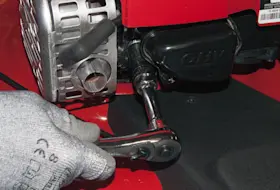
Hold the spark plug wire by its boot, not the wire itself. Pulling on the wire can damage the internal conductor. Gently push the boot onto the spark plug terminal until it fits tightly—you should feel a slight click or firm resistance.
Check The Connection Security
Once attached, lightly tug the boot to confirm it’s secure. A loose connection can cause misfires or prevent the engine from starting. If it slips off easily, reposition and push it back more firmly.
Safety Tip: Keep The Mower Off During This Process
Always ensure your lawn mower’s ignition is off before reconnecting the wire. This avoids accidental shocks or the mower starting unexpectedly. Handling the spark plug wire with the engine running can be dangerous.
Test The Spark Plug Wire After Reconnection
After reconnecting, try starting your mower. If it struggles or doesn’t start, recheck the wire’s connection. Sometimes dirt or corrosion on the terminal can prevent a good contact, so a quick clean might be needed.
Have you ever reconnected a spark plug wire only to realize it was the simple fix your mower needed? It’s a small step that often gets overlooked but makes a big difference in lawn mower performance.
Credit: www.searspartsdirect.com
Frequently Asked Questions
How Do I Safely Remove A Spark Plug From A Lawn Mower?
First, disconnect the spark plug wire to prevent shocks. Use a spark plug socket and ratchet to turn counterclockwise. Apply steady pressure to avoid damaging the plug or threads.
What Tools Are Needed To Remove A Lawn Mower Spark Plug?
You need a spark plug socket, ratchet, and possibly an extension bar. These tools help loosen the spark plug easily and safely without damage.
When Should I Remove The Spark Plug From My Lawn Mower?
Remove the spark plug before maintenance or storage. It ensures safety and allows inspection, cleaning, or replacement for optimal mower performance.
How Can I Prevent Damage While Removing The Spark Plug?
Turn the spark plug socket slowly and steadily. Avoid using excessive force to prevent stripping threads or breaking the plug inside the engine.
Conclusion
Removing a spark plug from a lawn mower is simple with the right steps. Always make sure the mower is off and cool before starting. Use the correct wrench to avoid damage. Turn the plug gently to loosen it. Keep the spark plug clean and check it regularly.
Doing this helps your mower run better and last longer. Taking time for basic care saves money and effort later. Now, you can confidently remove a spark plug anytime you need.





