Is your lawn mower not performing as it should? A worn-out spark plug might be the culprit.
Removing a spark plug from your lawn mower may seem daunting, but it’s easier than you think. Imagine effortlessly restoring your mower’s power and efficiency, all by mastering this simple task. You don’t need to be a mechanic or have a toolbox full of specialized tools to get started.
With just a few steps, you can ensure your lawn mower runs smoothly, saving you time and frustration. Dive into this guide, and discover how you can easily remove a spark plug and keep your mower in top shape!
Tools Needed
Having the right tools makes removing a spark plug from a lawn mower easier and safer. Each tool has a specific role in the process. Using proper tools prevents damage to the spark plug and engine parts.
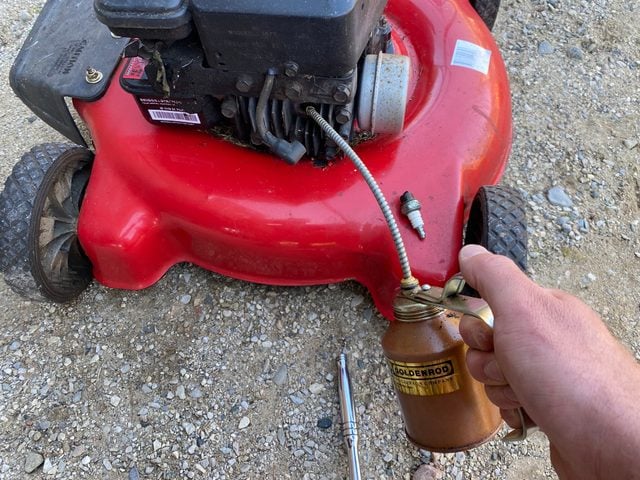
Prepare these tools before starting the task. Organizing them saves time and avoids frustration.
Spark Plug Wrench
A spark plug wrench fits perfectly around the spark plug. It helps loosen and tighten the plug without slipping. This wrench is designed to reach deep into the engine.
Socket Set
A socket set includes different sizes of sockets. Choose the socket that fits your spark plug exactly. Using the right size avoids stripping the plug’s hex head.
Ratchet Handle
The ratchet handle attaches to the socket. It allows easy turning with less effort. The ratchet makes removing the spark plug smooth and controlled.
Replacement Spark Plug
Always have a replacement spark plug ready. The new plug should match your lawn mower’s specifications. Installing a fresh plug helps your mower run better.
Cleaning Brush
A cleaning brush removes dirt and debris from the spark plug area. Keeping the area clean prevents engine problems. Use a soft brush to avoid damage.
Credit: www.familyhandyman.com
Safety Precautions
Removing a spark plug from your lawn mower might seem straightforward, but skipping safety steps can lead to accidents or damage. Taking precautions protects you and ensures the mower stays in good shape. Let’s look at the key safety measures you should never overlook before handling the spark plug.
Disconnecting The Spark Plug Wire
Always start by disconnecting the spark plug wire. This stops the engine from accidentally starting while you work. If you don’t, a sudden engine start could cause serious injury.
Grip the spark plug boot firmly and pull it off the plug—never pull the wire itself. This simple step is your first line of defense.
Wearing Protective Gear
Protect your hands and eyes before you begin. Gloves shield your skin from dirt, sharp edges, and hot parts. Safety glasses prevent debris or rust particles from getting into your eyes.
Have you ever felt a small spark or dust fly unexpectedly? Wearing gear might seem extra, but it can prevent painful mishaps.
Working On A Cool Engine
Never touch the spark plug or engine parts right after mowing. Engines stay hot for a long time and can burn your skin. Wait at least 30 minutes to let everything cool down properly.
Trying to speed up the process may seem tempting, but ask yourself: is a minor delay worth a painful burn? Patience here ensures safer handling and better results.
Locating The Spark Plug
Locating the spark plug is the first step to remove it safely. It sits on the engine and connects to a thick wire. Knowing its exact place helps avoid damage to other parts.
Finding The Engine
The engine is the largest part of the lawn mower. It is usually near the center or back. Most engines are metal and have cooling fins or a cover. Look for a box-like shape with vents or a muffler attached.
Engines often have a pull cord or a starter handle nearby. The spark plug will be on the side or top of this engine block. Clearing debris or grass helps see the engine better.
Identifying The Spark Plug Position
The spark plug is a small metal piece with a thick wire. It looks like a bolt with a ceramic body. The wire attached to it is called the spark plug wire or ignition lead.
Find a wire that leads to the engine block. Follow it to where it connects. That connection point is the spark plug. It usually sticks out from the engine at an angle.
The spark plug may have a rubber boot covering the wire end. This boot protects the connection. Gently pull or twist the boot to reveal the spark plug.
Removing The Spark Plug
Removing the spark plug from your lawn mower is a straightforward task that anyone can handle with a bit of care and the right tools. This step is essential for maintenance, troubleshooting, or replacement. Understanding how to properly disconnect and remove the spark plug will save you time and prevent damage to your mower.
Disconnecting The Spark Plug Wire
Start by locating the spark plug wire attached to the plug itself. Firmly grasp the boot, which is the rubber part covering the spark plug, and pull it straight off. Avoid yanking on the wire itself to prevent any damage.
If the wire feels stuck, gently twist it back and forth to loosen it. Have you noticed how many people damage their wires by pulling incorrectly? Taking a moment here can save you a trip to the store for replacements.
Cleaning Around The Spark Plug
Before loosening the spark plug, clean the area around it to prevent dirt from falling into the cylinder. Use a small brush or compressed air to remove debris. This simple step keeps your engine safe and running smoothly.
Think about the last time you skipped this and ended up with dirt inside—could that have been avoided? Keeping the area clean also makes it easier to work on the plug without frustration.
Using The Wrench To Loosen
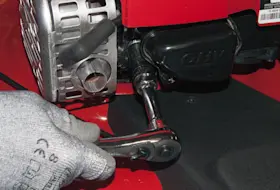
Grab a spark plug wrench or a suitable socket wrench that fits your spark plug. Place it securely on the plug and turn counterclockwise to loosen. If the plug feels stuck, apply steady pressure rather than forceful jerks.
Sometimes, a little penetrating oil can help loosen a stubborn spark plug. Have you ever tried loosening a plug and ended up stripping it? Using the right tool and technique prevents this common mistake.
Extracting The Spark Plug
Once loosened, continue turning the wrench by hand if possible, then carefully lift the spark plug out of the engine. Hold it by the ceramic insulator to avoid damage. Set it aside on a clean surface.
Inspect the spark plug for wear or deposits to understand your mower’s condition better. What does your spark plug tell you about your mower’s health? This insight can guide your next maintenance steps.
Inspecting The Spark Plug
Inspecting the spark plug is a key step in lawn mower maintenance. It helps spot problems early and keeps the engine running smoothly. A good inspection can save time and money by preventing bigger issues.
Start by taking a close look at the spark plug’s condition. The tiny parts tell a lot about how the engine works. Dirt, cracks, or wear can reduce performance. Checking carefully will guide the next steps.
Checking For Wear And Damage
Look at the spark plug’s electrode and insulator. The electrode should be sharp and clean. If it is rounded or worn, it may fail to spark properly. The insulator must be free of cracks or chips. Any damage can cause misfires or hard starts.
Also, check for carbon buildup or oil on the plug. These signs indicate engine problems. Rust or corrosion on the threads shows moisture damage. All these issues mean the spark plug needs attention.
Cleaning The Spark Plug
Use a wire brush or spark plug cleaner to remove dirt and deposits. Clean gently to avoid damaging the electrode. A clean plug improves spark quality and engine efficiency. Wipe the threads with a clean cloth to remove oil and grime.
After cleaning, recheck the spark plug’s condition. If it still looks damaged or worn, cleaning may not be enough. Proper cleaning helps extend the plug’s life but has limits.
Deciding On Replacement
Replace the spark plug if it shows heavy wear or damage. New plugs improve fuel efficiency and engine power. Always use the right type and gap size recommended by the mower’s manufacturer.
Signs that replacement is needed:
- Cracked or broken insulator
- Severe electrode wear
- Persistent carbon or oil fouling
- Corroded threads
Installing a fresh spark plug ensures reliable mower starts and smooth running.
Credit: www.searspartsdirect.com
Installing A New Spark Plug
Installing a new spark plug is a crucial step in keeping your lawn mower running smoothly. It ensures efficient combustion and reliable starts every time you head out to mow. Paying attention to details during installation helps you avoid common problems like misfires or engine damage.
Gapping The Spark Plug
Before installing, check the gap between the spark plug’s electrodes. Use a feeler gauge to measure the space and adjust it if necessary. Your lawn mower’s manual will tell you the exact gap size needed.
Too wide or too narrow a gap can cause poor engine performance or difficulty starting. Gapping the plug correctly ensures a strong spark, which is essential for proper combustion.
Threading By Hand
Start threading the spark plug into the engine by hand. This step prevents cross-threading, which can damage the threads and make future removal difficult.
Turn the spark plug gently and make sure it screws in smoothly. If you feel resistance or it doesn’t go in straight, back off and try again. Patience here can save you costly repairs later.
Tightening With Wrench
Once the spark plug is hand-tight, use a wrench to secure it firmly. Avoid over-tightening, as this can strip the threads or break the plug.
A good rule of thumb is to turn the wrench about a quarter to half a turn after the plug seats firmly. If you have a torque wrench, follow the manufacturer’s recommended torque settings for the best results.
Have you ever struggled with a spark plug that was too tight or too loose? Getting this right makes a noticeable difference in how your mower runs and how long your spark plug lasts.
Testing The Lawn Mower
After removing and inspecting your spark plug, it’s crucial to test your lawn mower to ensure everything is working smoothly. Testing helps you confirm that the spark plug is properly installed and the engine runs as expected. Let’s walk through the key steps to get your mower back in action.
Reconnecting The Spark Plug Wire
Start by firmly reconnecting the spark plug wire to the spark plug’s terminal. You should feel a slight snap or click, indicating a secure connection. If the wire feels loose, the engine might misfire or fail to start, so double-check this step carefully.
Starting The Engine
Before starting, ensure your mower is on a flat surface and the blade is disengaged if possible. Pull the starter cord or turn the ignition key with confidence. Listen closely—does the engine turn over smoothly or struggle? This can tell you a lot about your mower’s condition right after the spark plug change.
Checking For Proper Operation
Watch and listen as the engine runs. A steady, smooth sound usually means the spark plug is firing correctly. If the engine sputters, stalls, or won’t start, the spark plug might not be seated properly, or it could be faulty. Does your mower respond well when you increase throttle or engage the blade? Testing these functions confirms the mower’s readiness for your next lawn care session.

Credit: www.youtube.com
Frequently Asked Questions
How Do I Safely Remove A Spark Plug From A Lawn Mower?
First, turn off the mower and disconnect the spark plug wire. Use a spark plug socket and ratchet to turn it counterclockwise. Remove the plug carefully to avoid damaging the threads or electrodes.
What Tools Are Needed To Remove A Lawn Mower Spark Plug?
You need a spark plug socket, a ratchet or wrench, and possibly a spark plug gap tool. These tools ensure a secure grip and proper removal without damage.
How Often Should I Replace My Lawn Mower Spark Plug?
Replace the spark plug every 25 to 50 hours of use or annually. Regular replacement keeps your mower running efficiently and prevents starting issues.
Can I Clean A Spark Plug Instead Of Replacing It?
Yes, you can clean the spark plug with a wire brush if it’s only slightly dirty. However, replace it if it’s worn or damaged for best performance.
Conclusion
Removing a spark plug from your lawn mower is simple with the right steps. Use the correct tools and take your time. Be careful not to damage the spark plug or engine. Regular maintenance keeps your mower running well. Now you can handle this task with confidence.
Keep your mower ready for any lawn care job. Small efforts make a big difference in machine life. Try it yourself and save time and money.





