
Is your lawn mower refusing to start because the spark plug is stuck? A seized spark plug can be frustrating and can stop your mower from working just when you need it most.
But don’t worry—you can fix this yourself with the right steps. In this guide, you’ll learn how to safely and effectively remove a seized mower spark plug without damaging your engine. Keep reading, and you’ll have your mower back up and running in no time!
Credit: www.familyhandyman.com
Signs Of A Seized Spark Plug
Signs of a seized spark pluginclude difficulty starting the mower and poor engine performance. The engine may sputter or not start at all. You might hear unusual noises or notice smoke coming from the spark plug area. A spark plug that is stuck can cause the mower to run rough or stall frequently.
Symptoms To Watch For
- Engine fails to start or starts with hard effort
- Engine runs unevenly or stalls quickly
- Visible damage or corrosion on the spark plug
- Smoke or unusual smells near the spark plug
- Difficulty turning the spark plug by hand
Common Causes
- Over-tightening the spark plug during installation
- Rust or corrosion from moisture exposure
- Carbon buildup on the spark plug threads
- Using wrong spark plug type or size
- Prolonged exposure to heat causing expansion
Tools Needed For Removal
Essential hand tools include a spark plug socketand a ratchet wrench. These help loosen the plug safely without damage. A socket extensionmay be needed for deep plugs. Use a feeler gaugeto check spark plug gap if you plan to reuse it.
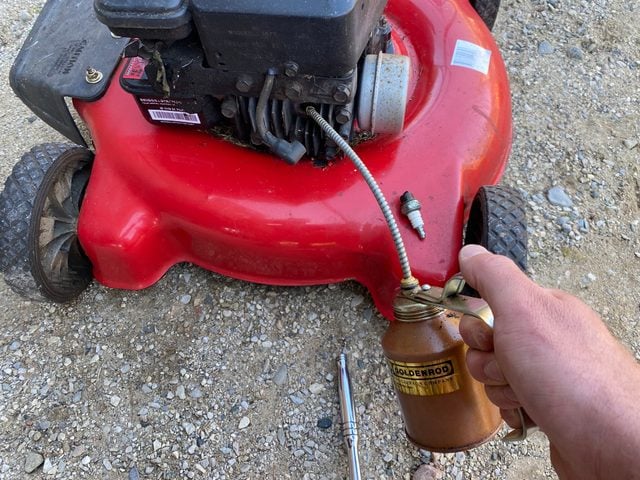
Optional aids help with stubborn spark plugs. A penetrating oilsoftens rust and dirt. Apply it and wait 10-15 minutes before trying removal. A breaker bargives extra leverage for tight plugs. A rubber malletcan gently tap the wrench if the plug won’t budge.
Preparation Before Removal
Always wear glovesand safety glassesbefore starting. Make sure the mower is turned offand cool. Disconnect the spark plug wireto avoid accidental starts. Work in a well-ventilated areato reduce fumes. Keep a fire extinguishernearby for safety.
Use a clean clothor brush to clear dirt and grass around the spark plug. This prevents debris from entering the engine when the plug is removed. Make sure the area is dryto avoid slipping or damage.

Credit: www.reddit.com
Step-by-step Removal Process
Begin by cleaning around the spark plug to remove dirt and debris. Use a wrench to gently loosen the plug, applying lubricant if it feels stuck. Carefully unscrew the spark plug, avoiding damage to the threads or surrounding engine parts.
Applying Penetrating Oil
First, spray penetrating oil on the spark plug base. Let it sit for a few minutes. This helps the oil seep into tiny gaps. It makes the plug easier to remove. Wipe off any excess oil with a cloth.
Using The Right Wrench Technique
Use a spark plug socket with a wrench. Place it securely over the plug. Turn the wrench slowly and steadily. If the plug feels stuck, stop and wait. This prevents damaging the plug or engine.
Handling A Stuck Spark Plug
- Apply more penetrating oil if needed.
- Gently tap the plug with a rubber mallet.
- Try turning the plug again after tapping.
- If still stuck, consult a mechanic.
Fixes For Stripped Or Damaged Threads
To fix stripped or damaged threads, several thread repair methods exist. One common option is using a thread insert, like a Helicoil. This insert fits inside the damaged hole, creating new threads for the spark plug. Another choice is using a thread repair kitwith a tap and insert. It restores threads by cutting new grooves. Using a larger spark plugsize can also work if the damage is small.
Replacing the cylinder head is necessary when threads are severely damagedor the repair fails. Signs include cracks, warping, or deep thread damage. In such cases, repairs won’t hold, and the head may leak or break. Replacing the head ensures a secure fit for the spark plug and maintains engine safety.
Installing A New Spark Plug
Choose a spark plug that matches your mower’s model and engine type. Check the owner’s manual for the exact size and heat range. Using the wrong plug can cause poor engine performance or damage.
Before installation, clean the spark plug hole to remove dirt and debris. Apply a small amount of anti-seize compound on the spark plug threads to prevent future seizing. Be careful not to use too much.
Tighten the spark plug by hand first to avoid cross-threading. Use a spark plug wrench to snug it firmly, but do not overtighten. Over-tightening can damage the threads or break the plug.
- Check the spark plug gap with a feeler gauge before installing.
- Adjust the gap according to the mower’s specifications.
- Reconnect the spark plug wire securely to ensure good contact.
Preventing Future Seizures
Regularly check the spark plug for dirt and damage. Replace it every season or after 100 hours of use. Clean the area around the spark plug to stop dirt from entering the engine. Tighten the spark plug just right—not too loose or too tight—to avoid damage.
Use anti-seize compound on the spark plug threads. This helps stop the plug from sticking or seizing inside the engine. Apply a small amount evenly on the threads before screwing it in. Be careful not to use too much; a thin layer is enough.
- Check spark plug condition often
- Keep spark plug area clean
- Replace spark plug as needed
- Use anti-seize compound on threads
- Tighten spark plug to correct torque

Credit: www.youtube.com
Frequently Asked Questions
How Do I Safely Remove A Seized Mower Spark Plug?
To safely remove a seized spark plug, first clean around it. Apply a penetrating oil and let it sit for 15 minutes. Use a spark plug socket with steady, controlled force to loosen it. Avoid sudden jerks to prevent damage.
What Tools Are Needed To Remove A Stuck Spark Plug?
You need a spark plug socket, ratchet wrench, penetrating oil, and possibly an extension bar. A breaker bar can help with extra leverage. Having a spark plug gap tool and a wire brush is also useful for cleaning.
Why Does A Mower Spark Plug Get Seized?
A spark plug can seize due to carbon buildup, corrosion, or overtightening. Moisture and heat cycles cause the metal to expand and contract, leading to the plug sticking in the cylinder head.
Can I Use Homemade Solutions To Free A Seized Spark Plug?
Yes, you can use penetrating oils like WD-40 or a mix of acetone and automatic transmission fluid. These help loosen rust and corrosion. Apply carefully and let it soak before attempting removal.
Conclusion
Removing a seized mower spark plug takes patience and care. Use the right tools and work slowly to avoid damage. Applying penetrating oil helps loosen the plug. Remember to clean the area before reinstalling. Regular maintenance prevents future problems. A smooth-running mower saves time and effort.
Keep these tips in mind for easy repairs next time. Your mower will thank you with better performance. Simple steps lead to lasting results.





