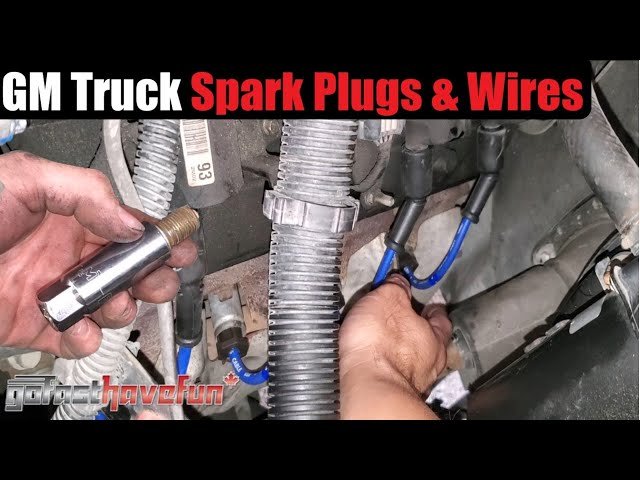
Are you ready to take your car maintenance skills to the next level? Knowing how to put spark plugs in is a game-changer for any car owner.
Whether you’re looking to save money on mechanic fees or just want to understand your vehicle better, this simple task can make a big difference. Imagine the satisfaction of knowing your car is running smoothly because of your own handiwork.
Plus, getting it right means improved fuel efficiency and a more reliable ride. You don’t need to be a car expert to master this; you just need a little guidance. Stick with us, and you’ll be a pro in no time. Ready to dive in? Let’s get started!
Tools And Materials Needed
Installing spark plugs needs specific tools and materials. Having the right items makes the job easier and safer.
Missing any tool can cause delays or damage to your engine parts. Gather everything before starting.
Essential Tools For Spark Plug Installation
- Spark plug socket – fits the plug size for easy removal and installation
- Ratchet wrench – provides torque to loosen or tighten the plugs
- Socket extension – helps reach deep or tight spark plug holes
- Torque wrench – ensures correct tightness without over-tightening
- Feeler gauge – measures the spark plug gap for proper firing
- Dielectric grease – protects spark plug boots from moisture and corrosion
- Compressed air can or air blower – cleans debris around the spark plug area
Materials Required For Spark Plug Replacement
- New spark plugs – choose the correct type for your vehicle
- Anti-seize compound – prevents plugs from sticking in the cylinder head
- Shop towels or rags – keep the work area clean and dry
- Gloves – protect your hands from dirt and burns
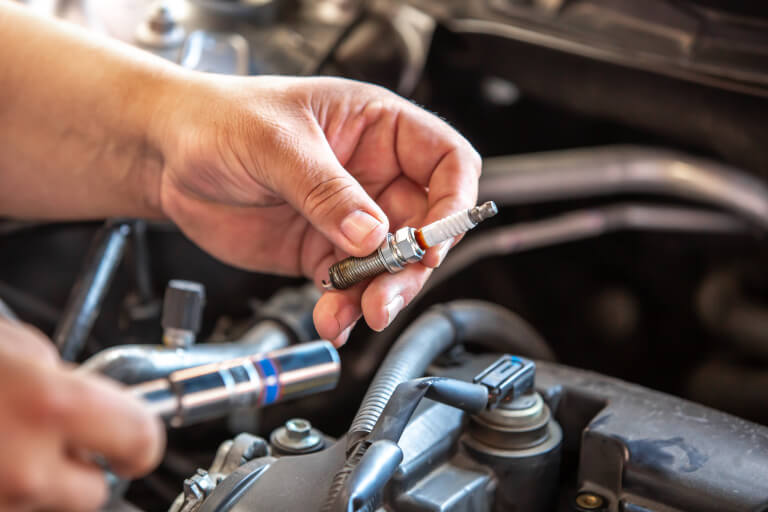
Credit: www.blackcircles.com
Preparing Your Car
Gather the necessary tools and a new set of spark plugs before starting. Ensure the engine is cool to avoid burns and clean around the spark plug area to prevent dirt from entering.
Safety Precautions
Always start with a cool engine. Hot parts can cause burns. Disconnect the car battery to avoid electric shocks. Wear gloves and safety glasses to protect your hands and eyes. Work in a well-ventilated area to avoid fumes. Keep a fire extinguisher nearby for emergencies. Use tools that fit properly to prevent slipping. Clear the workspace from any flammable materials.
Locating The Spark Plugs
Open the car hood and find the engine cover. Remove the cover if needed to see the engine clearly. Look for thick wires going into the engine block. These wires lead to the spark plugs. Spark plugs are usually near the top of the engine. Check your car manual for exact spark plug locations. Count the spark plugs to match the number of cylinders in your engine. Clean the area around spark plugs to avoid dirt entering the engine.
Removing Old Spark Plugs
Removing old spark plugs is a crucial step before installing new ones. It ensures your engine runs smoothly and efficiently. Handling this process carefully can save you from damaging the spark plugs or your engine components.
Disconnecting Spark Plug Wires
Start by identifying the spark plug wires connected to each plug. Gently twist and pull the wire boot—not the wire itself—to avoid damage. Have you ever pulled on the wire directly and ended up with a frayed cable? Avoid that by gripping the boot firmly and pulling straight out.
Label the wires if necessary. This helps you reconnect them correctly later. Keeping the wires organized prevents engine misfires after you replace the plugs.
Using The Spark Plug Socket
A spark plug socket is designed to fit snugly around the plug and protect it during removal. Attach the socket to a ratchet and extension if needed, especially if the plugs are deep inside the engine.
Turn the socket counterclockwise to loosen the spark plug. If it feels stuck, don’t force it—try applying a penetrating lubricant and wait a few minutes. Have you noticed how a stuck plug can break if you rush? Patience here saves you from costly repairs.
Once loose, carefully remove the spark plug from the socket. Inspect it for wear or damage before disposing of it. This inspection can give you clues about your engine’s health, such as oil leaks or overheating.

Credit: www.youtube.com
Inspecting And Gapping New Spark Plugs
Inspecting and gapping new spark plugs is a crucial step before installation. It ensures your engine runs smoothly and efficiently. Skipping this step can lead to poor performance or even damage to your vehicle.
Checking For Physical Damage
Before anything else, carefully examine the spark plug for cracks, chips, or any visible defects. A damaged spark plug can cause misfires or fail to ignite properly.
Look closely at the ceramic insulator and metal threads. If you spot any damage, don’t use that spark plug—replace it immediately.
Verifying The Correct Spark Plug Type
Make sure the new spark plug matches your vehicle’s specifications. Using the wrong type can lead to improper combustion and engine issues.
Check your owner’s manual or the part number on the plug against the recommended type. It’s a simple step that can save you from costly mistakes.
Measuring And Adjusting The Spark Plug Gap
The gap between the center and ground electrodes must be precise. This gap affects the spark’s strength and your engine’s performance.
Use a spark plug gap tool or feeler gauge to measure the gap. If it’s too wide or too narrow, gently bend the ground electrode to adjust it.
- Too narrow a gap can cause weak sparks.
- Too wide a gap may cause misfires.
- Follow the exact gap measurement listed in your vehicle’s manual.
Have you ever wondered how such a small adjustment can impact your car’s fuel efficiency? Properly gapped plugs can improve mileage and reduce emissions.
Installing New Spark Plugs
Installing new spark plugs is a crucial step to keep your engine running smoothly. It’s not just about swapping old parts for new ones; it’s about ensuring each spark plug fits perfectly to ignite your engine efficiently. Paying attention to how you install them can save you from costly repairs down the road.
Hand Tightening
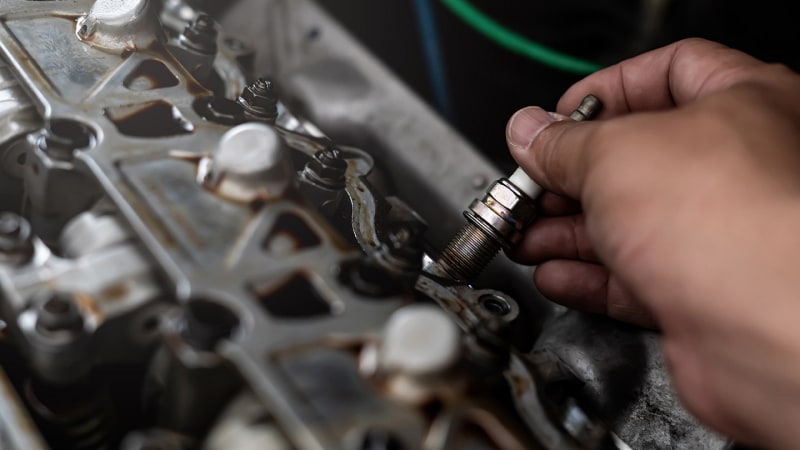
Start by threading the spark plug into the cylinder head by hand. This helps you avoid cross-threading, which can damage the threads and cause leaks. If you feel resistance or the plug doesn’t turn smoothly, back it out and try again.
Hand tightening ensures the spark plug seats properly without forcing it. It’s a simple step that many overlook, but trust me, it makes a big difference in how secure the spark plug sits. Have you ever struggled with a stripped thread? Taking your time here prevents that headache.
Final Torque Application
After hand tightening, use a torque wrench to apply the manufacturer’s specified torque. This ensures the spark plug is tight enough to seal the combustion chamber but not so tight that it breaks or damages the threads. Over-tightening is a common mistake and can be costly to fix.
Use a torque wrench with a spark plug socket to get this right. If you don’t have one, investing in a basic torque wrench is worth it—it’s a tool you’ll use often. Remember, each engine has a specific torque rating, so check your vehicle’s manual before you start.
Reconnecting Spark Plug Wires
Reconnecting spark plug wires is a key step after installing new spark plugs. Proper connection ensures the engine runs smoothly. Incorrect wiring can cause misfires and poor performance. Take time to reconnect each wire correctly.
Match each wire to its original spark plug. Wires have different lengths and positions. This helps keep the firing order accurate. Label wires before removal to avoid confusion.
Identifying The Correct Spark Plug Wire
Look at the wire’s length and shape. Each wire fits only one spark plug. Compare with the old setup or use labels. Confirm the wire matches the plug position.
Attaching The Wire To The Spark Plug
Hold the wire boot firmly. Push it straight onto the spark plug tip. Ensure it clicks or fits snugly. Avoid pulling the wire itself to prevent damage.
Securing The Wires Along The Engine
Route wires along their original paths. Use clips or holders to keep wires in place. This prevents rubbing or heat damage. Keep wires away from hot engine parts.
Checking For Proper Connection
- Gently tug each wire to check attachment.
- Ensure wires do not touch each other.
- Start the engine to listen for smooth running.
- Look for any engine misfire or hesitation.
Testing Your Installation
After installing spark plugs, testing your work is key to making sure everything runs smoothly. It’s not just about fitting the plugs correctly; you need to confirm they ignite the engine properly and that no issues arise afterward. This step saves you from future headaches and helps you understand how your car responds to your maintenance.
Starting The Engine
Turn the ignition and listen closely as the engine fires up. A quick, smooth start usually means your spark plugs are doing their job. If the engine struggles or takes longer to start, it could signal a problem with your installation or the plugs themselves.
Pay attention to the engine’s sound. A steady, even rhythm is a good sign. If you hear sputtering or uneven noises, it might mean a spark plug isn’t firing correctly. Have you ever noticed how a small change in sound can hint at a bigger issue under the hood?
Checking For Issues
Once the engine is running, look for signs like rough idling, misfires, or a check engine light. These can point to spark plug problems or incorrect installation. You want the engine to run smoothly at idle and respond well when you press the accelerator.
Use a diagnostic tool if you have one; it can quickly reveal misfire codes or ignition faults. If you don’t, pay attention to how the car drives over the next few miles. Any hesitation or power loss deserves a closer look.
- Check spark plug wires for secure connections.
- Ensure no fuel smell or smoke is present.
- Double-check the spark plug gaps if you experience issues.
Testing is more than just a formality—it’s your chance to catch problems early. Have you ever skipped this step and regretted it later? Don’t let that happen. Take a moment to ensure your spark plugs are ready to perform.
Credit: www.chase.com
Maintenance Tips
Keeping your spark plugs in good shape isn’t just about swapping them out when they fail. Regular maintenance helps your engine run smoother and can save you money on fuel and repairs. Let’s dive into some practical tips that make spark plug care simple and effective.
Check Spark Plugs Regularly
Look at your spark plugs every 20,000 to 30,000 miles. Remove one and inspect the tip for wear, deposits, or damage. If it’s covered in black soot or the gap looks wider than the manufacturer’s recommendation, it’s time to replace it.
Have you noticed your car hesitating or misfiring? Checking spark plugs can often reveal the cause before it becomes a bigger issue.
Clean Spark Plugs Properly
If your spark plugs aren’t too worn out, you can clean them to extend their life. Use a wire brush or specialized spark plug cleaner to remove carbon buildup. Avoid using sandpaper or harsh abrasives that could damage the electrode.
After cleaning, check the gap with a feeler gauge and adjust it if necessary. Proper gap ensures the spark jumps correctly to ignite the fuel.
Use The Right Tools
Invest in a quality spark plug socket and a torque wrench. These tools help you remove and install plugs without causing damage. Tightening spark plugs too much can crack the ceramic insulator, while under-tightening might lead to poor engine performance.
Have you ever struggled with a stuck spark plug? Using the right tools can save you from that frustration and prevent costly repairs.
Apply Anti-seize Compound Sparingly
A thin layer of anti-seize compound on the spark plug threads helps prevent them from sticking in the cylinder head. However, using too much can affect the torque reading, causing you to over-tighten the plug. Apply just a small amount to avoid this problem.
Think about your last spark plug change—did you have trouble loosening the plugs later? A little anti-seize goes a long way in making future maintenance easier.
Frequently Asked Questions
How Do I Prepare Before Putting In Spark Plugs?
Start by disconnecting the battery and removing the ignition coils. Clean the spark plug holes and check plug gaps. Use anti-seize on threads if needed. This preparation ensures a smooth, damage-free installation and improves engine performance.
What Tools Are Needed To Install Spark Plugs?
You need a spark plug socket, ratchet wrench, torque wrench, and a gap gauge. These tools help remove old plugs and install new ones correctly, preventing damage and ensuring proper spark plug function.
How Tight Should Spark Plugs Be Installed?
Tighten spark plugs to the manufacturer’s torque specs, usually between 15-25 ft-lbs. Over-tightening can damage threads, while under-tightening may cause poor engine performance or spark plug loosening.
Can I Reuse Old Spark Plugs When Installing?
Reusing old spark plugs is not recommended. They wear out and cause misfires or poor fuel efficiency. Always install new plugs for optimal engine performance and longevity.
Conclusion
Putting spark plugs in is simpler than it seems. Take your time and follow each step carefully. Use the right tools to avoid mistakes. Check the gap and thread before installing. Tighten the plugs just enough, not too much. Doing this helps your engine run smoothly and saves money.
Practice makes it easier next time. Keep your car’s spark plugs fresh for better performance. You can handle this task safely at home. Simple care goes a long way in car maintenance.





