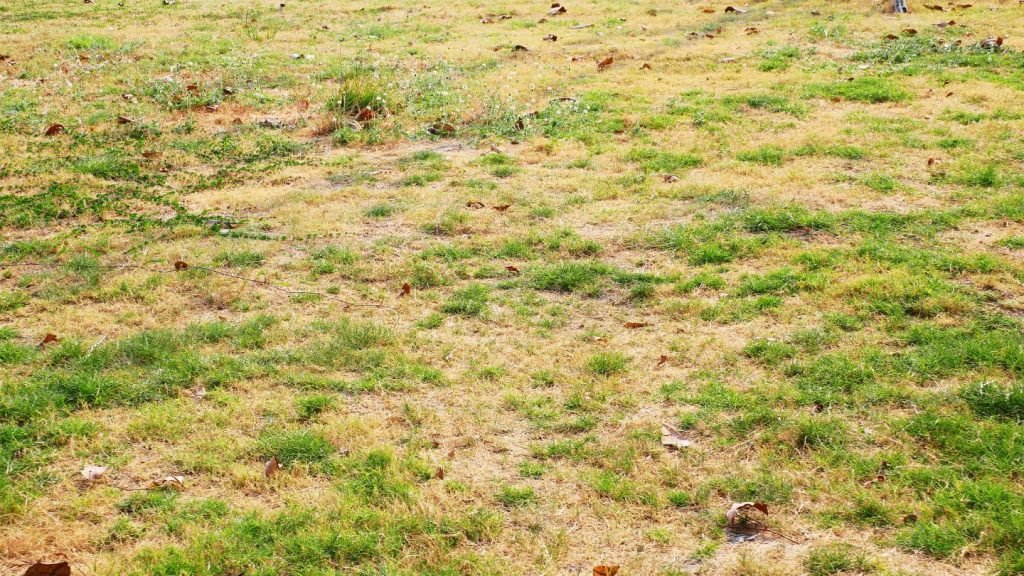
Your lawn has been through a tough time during the drought, and now it needs special care. Mowing your grass the right way after a dry spell can make all the difference.
If you cut too short or mow too often, you could harm your lawn instead of helping it. But don’t worry—you’re about to learn simple, effective steps to bring your lawn back to life. Keep reading, and you’ll discover how to mow your lawn safely and make it green and healthy again.
Credit: www.innovationgrounds.com
Assess Lawn Condition
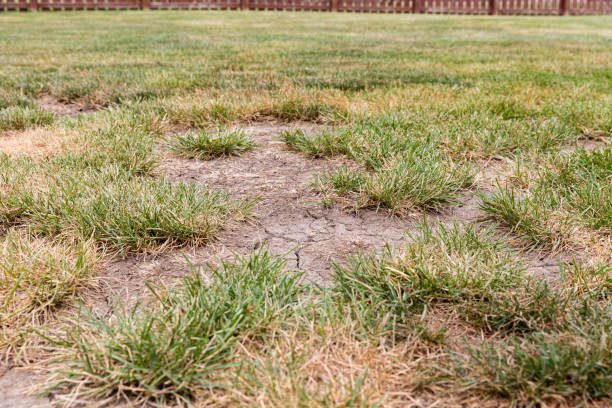
Grass may look dull or brown after a drought. Check for green patchesthat still show life. Dry patches mean the grass is dead or very weak.
Look closely at the soil. Press your finger about 2 inches deep. If the soil feels dry and hard, it needs water. Soft, moist soil means the lawn can recover faster.
- Mark dry spots for special care later.
- Notice if grass blades are thin or brittle.
- Check if the soil cracks or breaks apart.
Prepare Mower Settings
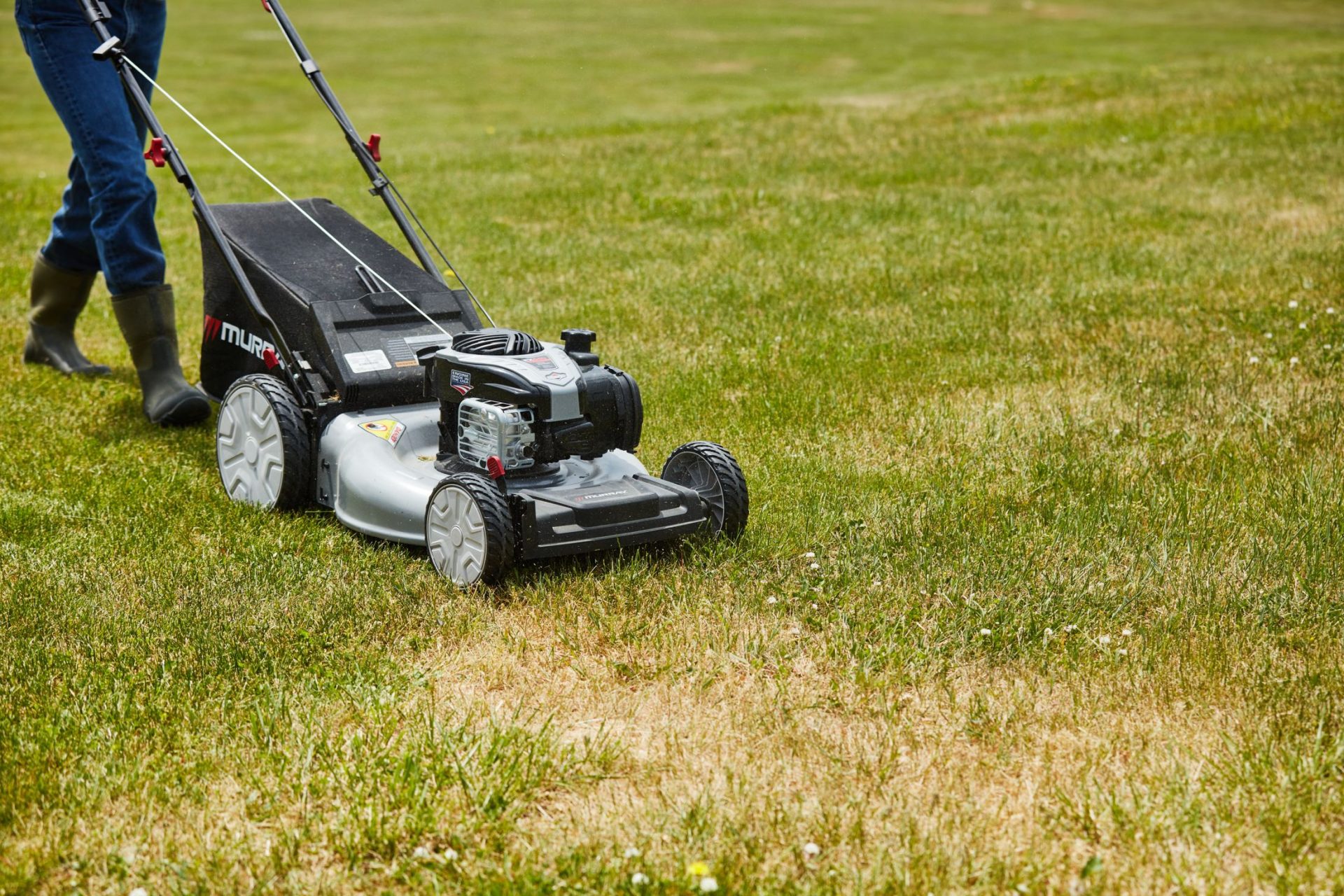
Set the mower blade height higher than usual to avoid cutting too short. Grass is weak after drought and needs more leaf to recover. Sharp blades make clean cuts, which help grass heal faster and prevent damage. Dull blades tear the grass, causing stress.
Choose a mower type that suits your lawn size and condition. A rotary mower works well for tall, dry grass. A reel mower is better for small, even lawns. Check your mower before use to ensure it runs smoothly and cuts evenly.
Timing Your Mowing
Early morningis the best time to mow the lawn after a drought. The grass is cooler and has some moisture. This helps reduce stress on the grass blades. Avoid mowing in the hot afternoon sun. It can cause the grass to dry out and get damaged.
The frequencyof mowing should be less than usual. Grass grows slower after drought, so mowing once every 10 to 14 daysis enough. Cutting too often can hurt the grass. Always keep the mower blades sharp and raise the cutting height. This helps grass stay strong and healthy.
Mowing Techniques
Cut grass slowly and avoid cutting too short to protect stressed roots. Let the lawn recover by mowing less often and at a higher blade height. Keep mower blades sharp to prevent damaging fragile grass after drought.
Avoid Scalping
Scalping means cutting grass too short. It can harm the lawn. Keep the mower blades high. Grass needs height to stay strong. Tall grass shades the soil. This keeps it moist and cool. Healthy grass fights weeds better.
Mow In Different Directions
Mow in different directions each time. This helps grass grow straight. It reduces soil compaction. Compacted soil is bad for roots. Roots need space to grow. Changing direction gives grass a fresh start.
Leave Grass Clippings
Grass clippings are good for the lawn. They turn into natural fertilizer. This helps grass grow healthy. Clippings return nutrients to the soil. They also keep the soil moist. No need to bag them. Let them stay on the lawn.
Post-mowing Care
Water the lawn deeplyright after mowing. This helps grass roots soak up moisture. Early morning is the best time to water. Avoid watering during hot midday to stop water loss. Light watering won’t help much; aim for slow, deep watering sessions.
Use a balanced fertilizerto help grass recover. Choose one with nitrogen, phosphorus, and potassium. Fertilizer gives grass the nutrients it needs to grow strong again. Spread fertilizer evenly and avoid overfeeding. Over-fertilizing can harm your lawn.
Aerate the soilto allow air, water, and nutrients to reach roots. Aeration breaks up hard soil and reduces compaction. This helps grass grow thicker and healthier. Use a lawn aerator or a garden fork to make holes. Aeration is best done when the soil is moist but not wet.
Credit: www.innovationgrounds.com
Preventing Future Damage
Choosing drought-resistant grass typeshelps lawns stay green with less water. Some good options include Bermuda, Zoysia, and Buffalo grass. These grasses need less water and can survive dry spells better than others.
Improving soil is key for a healthy lawn. Adding organic matterlike compost makes soil hold water longer. Aerating the soil helps roots grow deep and strong. This allows grass to find water even in dry times.
- Cut grass higher to keep soil shaded and cool.
- Water lawns early in the morning to reduce evaporation.
- Remove weeds that compete for water and nutrients.
- Fertilize carefully to avoid stressing grass.
- Regularly check soil moisture to water only when needed.

Credit: www.innovationgrounds.com
Frequently Asked Questions
How Often Should I Mow My Lawn After A Drought?
Mow your lawn less frequently after a drought to avoid stress. Wait until the grass regrows to about 3 inches. This helps grass recover and prevents damage. Gradually return to your normal mowing schedule as the lawn strengthens.
What Mower Height Is Best After Drought Recovery?
Set your mower blade higher, around 3 to 4 inches. Taller grass shades roots and retains moisture better. Avoid cutting more than one-third of the grass height at once. This promotes healthier regrowth and reduces lawn stress.
Should I Water Before Or After Mowing Post-drought?
Water your lawn thoroughly before mowing to soften the soil. Mowing dry, brittle grass can cause damage and uneven cuts. After mowing, water again to help grass recover and reduce heat stress. Consistent watering is key for drought recovery.
Can I Use A Bagger To Collect Clippings After Drought?
Avoid bagging clippings immediately after drought; leave them on the lawn. Grass clippings return nutrients and help retain moisture. Bagging removes valuable organic matter needed for recovery. Once the lawn is healthier, you can resume bagging if desired.
Conclusion
Mowing your lawn after a drought needs care and patience. Start by raising the mower blade to avoid cutting too short. Water the grass regularly to help it recover and grow strong. Avoid mowing wet grass to prevent damage. Keep checking the lawn for dry patches and treat them gently.
With time and care, your lawn will bounce back green and healthy. Small steps make a big difference in lawn recovery. Stay consistent and enjoy a fresh, vibrant yard soon.





