The best time to grow grass in Massachusetts isn’t just about picking a month, it’s about matching your lawn’s needs to the state’s unique climate rhythm. If you seed at the wrong time, you’ll fight slow germination, weed invasions, or winter kill, no matter how good your seed is. Cool-season grasses dominate here, and they thrive when soil temperatures hit that sweet spot between 50°F and 65°F.
In our research, we found that fall seeding, late August through mid-October, consistently delivers the strongest root development and longest green-up window. That’s because cooler air, warm soil, and autumn rains create near-ideal conditions for Kentucky bluegrass, ryegrass, and fescue. Let’s break down exactly when and why to plant, so your lawn doesn’t just survive Massachusetts winters, it thrives through them.
Why Timing Matters for Growing Grass in Massachusetts
Grass isn’t just planted, it’s timed. Massachusetts sits in USDA hardiness zones 5b to 7a, which means you get cold winters, warm summers, and a narrow spring and fall window where cool-season grasses actually want to grow. Seed too early in spring, and cold soil stalls germination; too late in fall, and young shoots freeze before establishing. Even summer heat can cook tender seedlings if you’re not careful.
Cool-season grasses, the ones that do best here, need soil temps between 50°F and 65°F to sprout reliably. That rarely happens in May or June, and it’s gone by November. Get the timing right, and you’ll see faster germination, fewer weeds, and a lawn that greens up strong in spring. Get it wrong, and you’ll waste seed, water, and time on a patchy, struggling yard.
The Two Best Windows: Fall vs. Spring
You’ve got two real chances each year to grow grass successfully in Massachusetts: fall and late spring. Each has clear pros, and your choice depends on your goal, grass type, and how much maintenance you’re ready to handle.
Fall Seeding (Late August to Mid-October)
Fall is the gold standard for a reason. Soil is still warm from summer, air temps cool down, and rainfall picks up, creating perfect conditions for seed-to-soil contact and root growth. Perennial ryegrass can sprout in 5, 10 days, while Kentucky bluegrass may take 14, 30, but both will establish deep roots before winter dormancy.
- Best for: New lawns, large bare patches, overseeding thin areas
- Soil temp target: 50, 65°F (check with a soil thermometer)
- Last safe date: Mid-October in most of MA (coastal areas may stretch to late October)
Spring Seeding (Late April to Mid-May)
Spring works, but it’s riskier. Soil warms slowly, weeds wake up fast, and summer drought can stress young grass. If you must seed in spring, aim for late April through mid-May, right after the last frost and when soil hits 50°F. Use a fast-germinating mix like perennial ryegrass to outcompete crabgrass.
- Best for: Small repairs, sod installations, or if you missed fall
- Avoid: June, August (heat + drought = high failure rate)
- Watering need: Daily light watering for 2, 3 weeks straight
How to Choose: Your Grass Type, Goal, and Conditions
Not all grass is created equal, and Massachusetts lawns demand the right species for the job. Cool-season grasses dominate because they handle our cold winters and moderate summers. Warm-season types like Bermudagrass struggle here and go dormant by October.
Cool-Season Grasses (Kentucky Bluegrass, Ryegrass, Fescue)
These are your best bets. Kentucky bluegrass spreads via rhizomes and forms a dense, lush lawn but needs more water. Perennial ryegrass germinates fast and handles foot traffic well. Fine fescue thrives in shade and low-fertility soils but isn’t as wear-tolerant.
- Full sun, high traffic: 80% Kentucky bluegrass + 20% perennial ryegrass
- Shady, dry areas: Fine fescue blend
- Quick cover: 100% perennial ryegrass (temporary fix; overseed with bluegrass later)
Warm-Season Grasses (Limited Use in MA)
Zoysiagrass and Bermudagrass green up late (June) and go brown by October. They’re rarely worth the hassle unless you’re in extreme southeastern MA and don’t mind a dormant lawn half the year.
New Lawn vs. Overseeding vs. Sod
Your method changes your timing strategy:
- New lawn: Requires full soil prep (tilling, grading, pH adjustment). Best done in fall.
- Overseeding: Light raking + seed on existing lawn. Can work in spring or fall, but fall gives better results.
- Sod: Can be laid almost any time the ground isn’t frozen (April, November), but avoid peak summer heat.
Step-by-Step: How to Seed at the Right Time
Timing gets you in the door, but execution keeps your lawn alive. Follow this workflow whether you’re seeding in September or May.
Test and Prep Your Soil
Don’t guess your soil’s health. Buy a $10 pH test kit or send a sample to UMass Amherst’s Soil and Plant Tissue Testing Lab. Most MA soils lean acidic; aim for pH 6.0, 7.0. Add lime if needed, it takes weeks to react, so do this before seeding.
Clear debris, remove thatch thicker than ½ inch, and core aerate if your soil is compacted. Rake the area smooth, removing rocks and clumps. A level seedbed ensures even germination.
Pick the Right Seed Mix
Check the label for pure seed percentage and germination rate (should be 85%+). Avoid “weed and feed” blends, they contain herbicides that can harm new grass. For most MA lawns, a mix of 70% Kentucky bluegrass, 20% perennial ryegrass, and 10% fine fescue offers balance.
- Seeding rate: 2, 3 lbs per 1,000 sq ft (overseeding); 4, 6 lbs (new lawn)
- Spread evenly: Use a broadcast spreader, half in one direction, half perpendicular
Seed, Cover, and Water Correctly
Lightly rake seed into the top ¼ inch of soil, don’t bury it deep. Roll the area with a lawn roller to ensure seed-to-soil contact. Then water: lightly but frequently.
- First 2 weeks: Water 2, 3 times daily for 5, 10 minutes (keep surface moist, not soggy)
- After germination: Reduce to once daily, then every other day as roots deepen
First Mow and Early Care
Wait until grass reaches 4 inches before the first mow. Set your mower high (3, 4 inches) to encourage deep roots. Avoid heavy foot traffic for 4, 6 weeks. Apply a starter fertilizer at seeding, then wait 6, 8 weeks before any weed control.
Common Mistakes That Ruin Your Timing
Even with perfect timing, small errors can sink your lawn. Here’s what to avoid.
Seeding Too Early or Too Late
April soil in western MA might still be 45°F, too cold for reliable germination. Likewise, seeding after October 15 in central MA risks winter kill. Check soil temperature, not just the calendar.
Skipping Soil Prep
Throwing seed on compacted clay or rocky soil is a waste. Grass needs loose, oxygen-rich soil to root. Aerate, till, or topdress as needed.
Over- or Under-Watering
New seed dries out in hours on a windy day. But too much water drowns roots or promotes fungus. Stick to light, frequent watering until seedlings are 2 inches tall.
Fall vs. Spring: Side-by-Side Comparison
| Factor | Fall Seeding | Spring Seeding |
|---|---|---|
| Soil temperature | 50–65°F (ideal) | Slow to warm; inconsistent |
| Germination speed | Fast (5–30 days) | Slower; weed competition |
| Water needs | Moderate (rain helps) | High (irrigation often needed) |
| Weed pressure | Low (cool temps suppress weeds) | High (crabgrass germinates) |
| Winter survival | Excellent (roots established) | Risky (shallow roots) |
| Best for | New lawns, major repairs | Small patches, sod |
Expert Tips for Massachusetts Lawns
Watch Soil Temperature, Not Just Calendar Dates
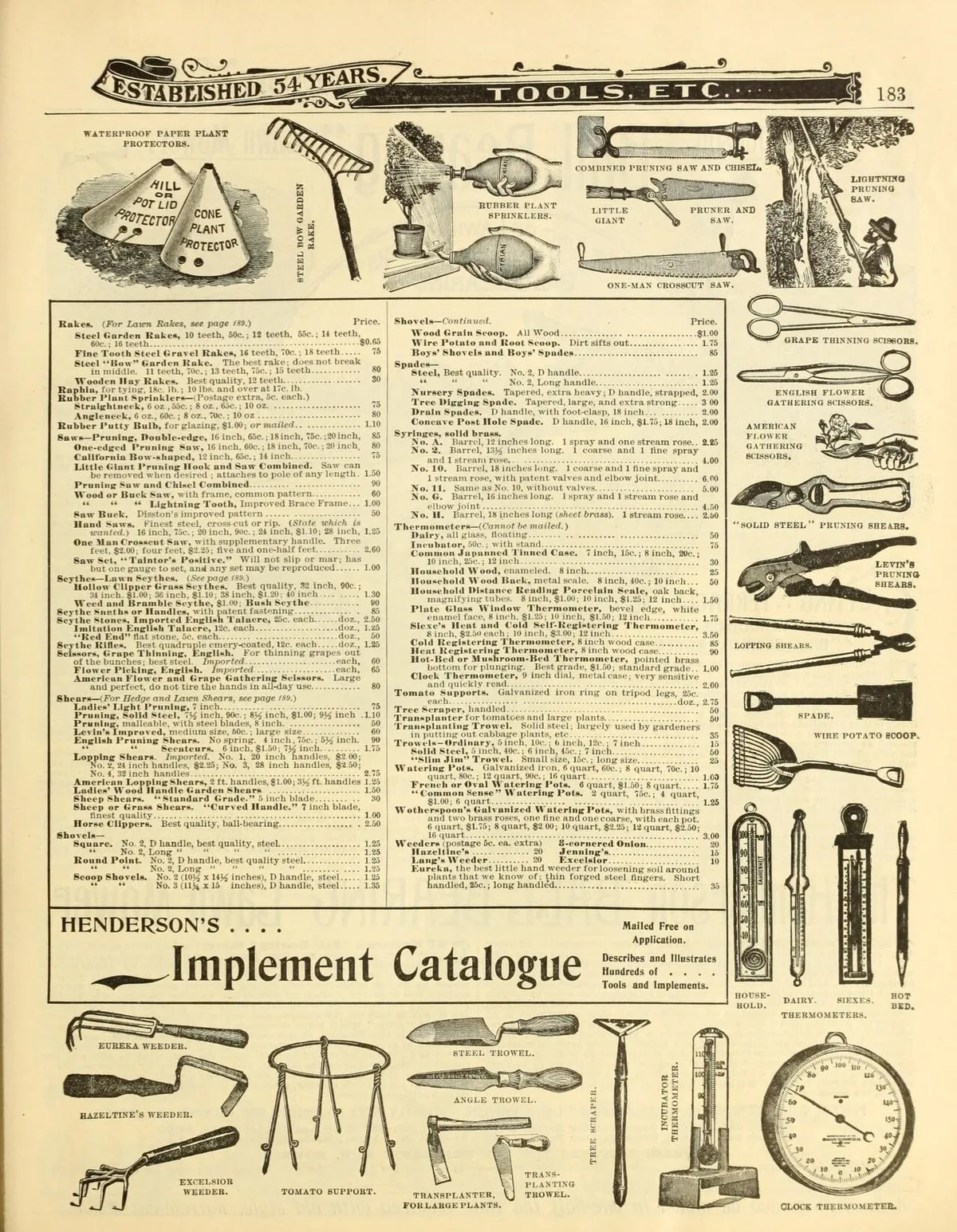
A soil thermometer is cheaper than a bag of seed and twice as useful. Stick it 2 inches deep in the morning for 3 days. If it reads below 50°F, wait. Above 65°F in spring?
You’re likely too late for cool-season grass.
Adjust for Your Microclimate (Coastal vs. Inland)
Coastal areas (Boston, Cape Cod) stay milder longer, you might seed into late October. Inland and western MA (Worcester, Springfield) cool faster; aim for September. Check your local last frost date via the UMass Extension service.
Use Starter Fertilizer—But Not Too Much
A balanced starter fertilizer (e.g., 10-10-10 or 16-8-8) gives seedlings nutrients without burning them. Apply at seeding, then wait 6, 8 weeks before any nitrogen-heavy feed. Over-fertilizing invites disease and weak growth.
When to Call a Pro (or Choose Sod Instead)
If your lawn has severe compaction, drainage issues, or slopes prone to erosion, DIY seeding might fail. Professionals have slit seeders, hydroseeders, and soil tests that improve success rates. Similarly, if you need instant results, like for a home sale, sod laid in spring or fall gives an immediate lawn with proper watering.
Sod costs more ($0.30, $0.80 per sq ft as of 2026) but skips the germination window entirely. Just remember: sod still needs consistent watering for 2, 3 weeks to root in.
Final Decision Guide: What to Do Based on Your Situation
- You want the strongest, healthiest lawn: Seed in late August, mid-October with a Kentucky bluegrass blend.
- You missed fall and need quick spring repair: Overseed in late April with perennial ryegrass; water daily.
- You’re building a new home: Prep soil in summer, seed in September.
- Your lawn is mostly shade: Use fine fescue mix; seed in fall.
- You hate mowing and watering: Consider sod in spring or fall, but budget for installation and care.
There’s no single “best” date, only the best match between your conditions and Massachusetts’ climate rhythm. Get the timing right, follow the steps, and your lawn will reward you with green from April through November.
How to Choose: Your Grass Type, Goal, and Conditions
Cool-Season Grasses (Kentucky Bluegrass, Ryegrass, Fescue)
Kentucky bluegrass forms dense, carpet-like lawns through underground stems called rhizomes. It’s the gold standard for full-sun areas with moderate foot traffic but demands consistent moisture and fertile soil. Perennial ryegrass germinates faster, often within a week, and handles wear well, making it ideal for play areas or quick cover. Fine fescue thrives in shade and dry, sandy soils common along the coast, though it won’t stand up to heavy use.
Most Massachusetts lawns benefit from blends. A mix of 70% Kentucky bluegrass, 20% perennial ryegrass, and 10% fine fescue gives you durability, speed, and shade tolerance in one bag. Check seed labels for “endophyte-enhanced” varieties, these contain natural fungi that deter pests like chinch bugs.
Warm-Season Grasses (Limited Use in MA)
Zoysiagrass and Bermudagrass green up late, usually not until June, and go dormant by mid-October. They’re rarely worth planting except in extreme southeastern Massachusetts, where winters are milder. Even there, expect a brown lawn from November through April. If you’re set on warm-season grass, zoysia is the better choice, it’s slower to establish but more cold-tolerant than Bermuda.
New Lawn vs. Overseeding vs. Sod
Your method changes everything. A new lawn needs full soil prep: tilling to 6, 8 inches, removing debris, adjusting pH, and leveling. Overseeding just requires light raking and seed contact with bare soil. Sod skips germination but still needs proper soil prep and daily watering for two weeks to root in.
- New lawn: Best seeded in fall after soil work
- Overseeding: Can work in spring or fall, but fall reduces weed competition
- Sod: Lay anytime the ground isn’t frozen, April through November, but avoid July and August heat
Step-by-Step: How to Seed at the Right Time
Test and Prep Your Soil
Don’t guess your soil’s health. Buy a basic pH test kit or send a sample to the UMass Amherst Soil and Plant Tissue Testing Lab. Most Massachusetts soils run acidic; aim for pH 6.0, 7.0. If yours is below 6.0, apply pelletized lime 4, 6 weeks before seeding, it takes time to react.
Clear the area of rocks, roots, and weeds. If your soil is compacted (common in new construction), core aerate or till to 6 inches deep. Rake smooth, removing clumps. A level seedbed ensures even germination and prevents puddling.
Pick the Right Seed Mix
Look for high-purity seed with a germination rate above 85%. Avoid bargain bags labeled “lawn repair mix”, they often contain filler or low-quality grass. For most MA yards, a blend of Kentucky bluegrass, perennial ryegrass, and fine fescue offers the best balance.
- Full sun, high traffic: 80% Kentucky bluegrass + 20% perennial ryegrass
- Shady, dry spots: 100% fine fescue (creeping red or chewings)
- Quick temporary cover: 100% perennial ryegrass (overseed with bluegrass later)
Seed, Cover, and Water Correctly
Use a broadcast spreader for even coverage. Apply half the seed in one direction, the other half perpendicular. Lightly rake to bury seed no deeper than ¼ inch, grass seed needs light to sprout. Roll the area with a lawn roller half-full of water to press seed into soil.
Water immediately and keep the top inch moist until germination. That usually means light watering 2, 3 times a day for 5, 10 minutes. Once seedlings reach 2 inches, shift to deeper, less frequent watering to encourage roots down.
First Mow and Early Care
Wait until grass hits 4 inches before the first cut. Set your mower high, 3 to 4 inches, to shade out weeds and protect young roots. Avoid heavy foot traffic for 4, 6 weeks. Apply a starter fertilizer at seeding, then wait 6, 8 weeks before any weed control.
Common Mistakes That Ruin Your Timing
Seeding Too Early or Too Late
April soil in western Massachusetts might still read 45°F, too cold for reliable germination. Likewise, seeding after October 15 in central MA risks winter kill. Check soil temperature, not just the calendar. If it’s below 50°F or above 65°F, wait.
Skipping Soil Prep
Throwing seed on compacted clay or rocky soil is a waste. Grass needs loose, oxygen-rich soil to root. Aerate, till, or topdress as needed. Even overseeding benefits from light raking to expose bare soil.
Over- or Under-Watering
New seed dries out in hours on a windy day. But too much water drowns roots or promotes fungus. Stick to light, frequent watering until seedlings are 2 inches tall. Then deepen intervals to encourage drought-resistant roots.
Fall vs. Spring: Side-by-Side Comparison
| Factor | Fall Seeding | Spring Seeding |
|---|---|---|
| Soil temperature | 50–65°F (ideal) | Slow to warm; inconsistent |
| Germination speed | Fast (5–30 days) | Slower; weed competition |
| Water needs | Moderate (rain helps) | High (irrigation often needed) |
| Weed pressure | Low (cool temps suppress weeds) | High (crabgrass germinates) |
| Winter survival | Excellent (roots established) | Risky (shallow roots) |
| Best for | New lawns, major repairs | Small patches, sod |





