Your car isn’t just a machine; it’s your trusty companion on daily journeys. But even the best companions need a little attention now and then.
One often-overlooked aspect of car maintenance is the spark plug. These small components play a big role in keeping your engine running smoothly. But how do you know when they need replacing? If you’re not a car expert, don’t worry—you’re not alone.
By understanding a few key signs, you can save yourself from unexpected car troubles and costly repairs. Imagine driving with confidence, knowing your engine is in top shape. Stick around to discover the telltale signs that your spark plugs need some love, so you can keep cruising without a hitch.
Role Of Spark Plugs
Spark plugs play a crucial role in your car’s engine. They create the small spark needed to ignite the fuel-air mix inside the engine cylinders. Without this spark, the engine cannot start or run efficiently.
Understanding how spark plugs work and their impact on engine performance helps you know when they need replacement. This knowledge ensures your vehicle runs smoothly and saves money on repairs.
How Spark Plugs Work
Spark plugs deliver an electric spark to ignite the fuel and air mixture. This ignition causes a small explosion that powers the engine. Each cylinder in the engine has its own spark plug.
The spark plug must create a strong spark at the right time. It uses electricity from the ignition system to jump a gap between its electrodes. This jump creates the spark needed for combustion.
Impact On Engine Performance
Good spark plugs improve engine power and fuel efficiency. They help the engine start quickly and run smoothly. Worn or dirty plugs cause misfires and rough idling.
Bad spark plugs increase fuel consumption and emissions. They can make the engine hard to start and reduce acceleration. Regular checks and timely replacement keep your engine healthy.
Credit: www.youtube.com
Common Signs Of Worn Spark Plugs
Worn spark plugs can quietly sap your vehicle’s performance without you realizing it right away. Recognizing the common signs early can save you from costly repairs and keep your car running smoothly. If your engine isn’t behaving like it used to, your spark plugs might be the first place to check.
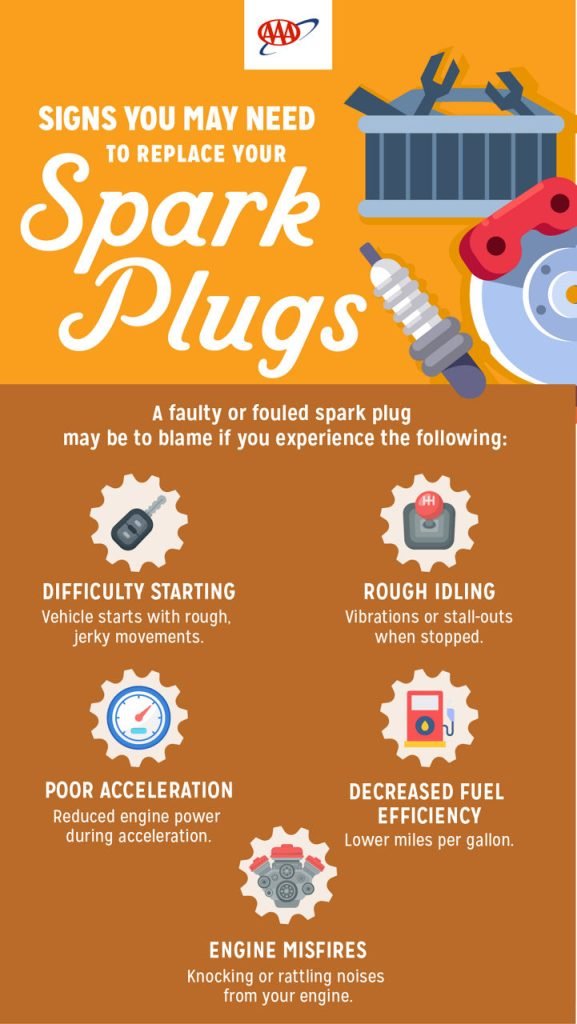
Engine Misfires
Have you noticed your engine suddenly jerking or hesitating? This is a classic sign of worn spark plugs. Misfires happen because the plugs struggle to ignite the fuel-air mixture properly, causing uneven combustion.
This can leave you stranded or damage other engine parts if ignored. Pay attention if your car feels rough or stumbles while driving—those are warning signals.
Poor Fuel Economy
Are you filling up your tank more often than usual? Worn spark plugs can lower your gas mileage by not burning fuel efficiently. This means your engine works harder and consumes more fuel to deliver the same power.
Next time you feel your wallet getting lighter faster, consider checking the spark plugs before blaming the gas station prices.
Difficulty Starting The Engine
Does your car take longer to start or struggle to turn over? Faulty spark plugs can cause weak or inconsistent sparks, making it harder to ignite the engine. You might hear a coughing sound or notice the starter spinning without firing up immediately.
If starting your car has become a morning challenge, worn plugs could be the culprit.
Rough Idling
When your engine is idling, it should run smoothly without vibrations or shaking. Rough idling means the combustion process is uneven, often due to spark plugs that aren’t firing correctly. This can cause your dashboard lights to flicker or your steering wheel to vibrate slightly.
Pay attention to how your car feels when stopped at a light; rough idling is a subtle but clear sign something’s wrong.
Lack Of Acceleration
Do you feel a delay or sluggishness when pressing the gas pedal? Worn spark plugs can reduce your engine’s power output, making acceleration slow and frustrating. Your car may feel like it’s struggling uphill even on flat roads.
Don’t ignore this loss of power—it’s your car telling you it needs attention.
Visual Inspection Tips
Visual inspection of spark plugs helps catch problems early. It reveals wear and damage that affect engine performance. A quick check can save time and money on repairs. Focus on key signs like deposits, corrosion, and electrode wear. Use proper tools and follow safety steps to avoid damage.
Removing And Checking Spark Plugs
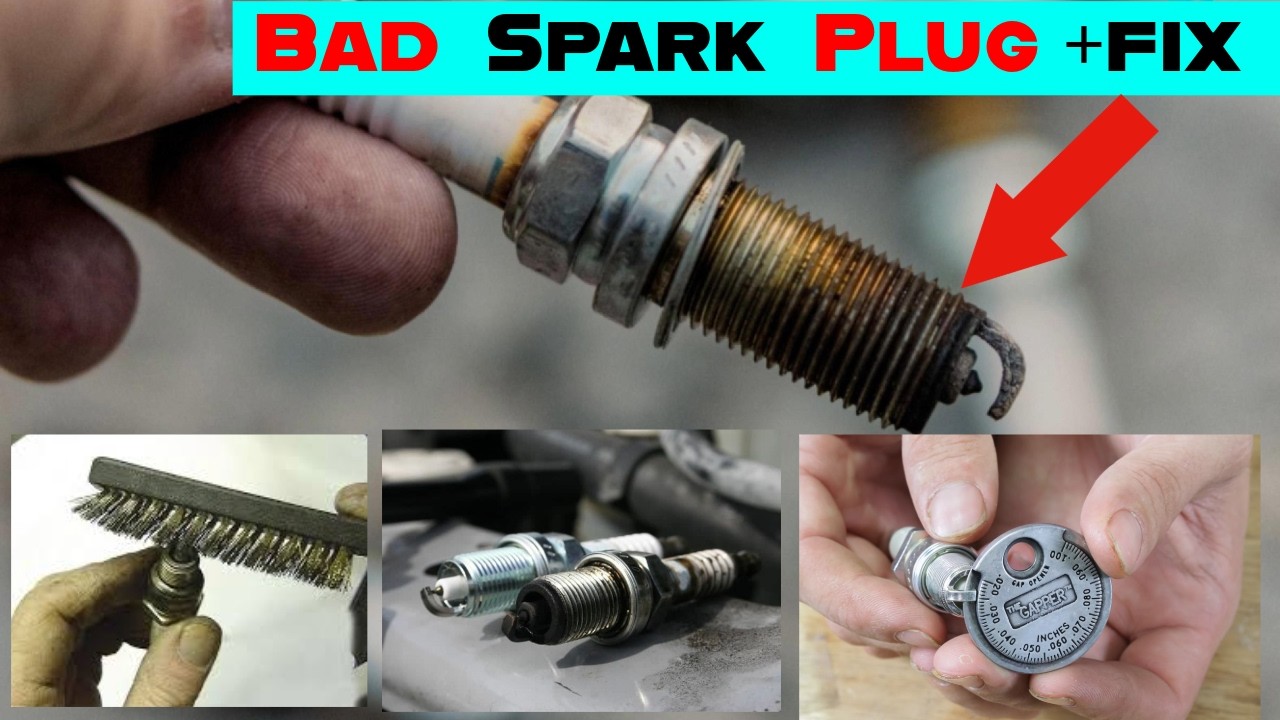
Let the engine cool before removing spark plugs. Use a spark plug socket and ratchet for safe removal. Handle plugs gently to avoid breaking them. Check the plug’s tip and threads for damage. Compare the color and condition to a spark plug chart. A healthy plug usually has a light tan color.
Identifying Corrosion And Deposits
Look closely at the metal parts of the plug. Rust or green corrosion means moisture or chemical exposure. Black, oily deposits suggest oil leaking into the cylinder. White or ash-like deposits show fuel additives or overheating. Thick deposits block the spark, causing misfires. Clean or replace plugs with heavy corrosion or deposits.

Credit: simonsautorepairtaunton.com
When To Replace Spark Plugs
Knowing when to replace spark plugs helps keep your engine running smoothly. Worn spark plugs can cause poor fuel economy, rough idling, and trouble starting your car. Regular replacement prevents engine misfires and maintains performance. Understanding the right time to change them saves you from costly repairs.
Manufacturer Recommendations
Car makers provide specific guidelines for spark plug replacement. These guidelines depend on the engine type and spark plug material. Check your owner’s manual for the recommended interval. Following these instructions ensures optimal engine health and avoids damage.
Mileage And Time Considerations
Spark plugs wear out over time and miles driven. Standard copper plugs usually need replacement every 20,000 to 30,000 miles. Platinum or iridium plugs last longer, about 60,000 to 100,000 miles. Also, replace spark plugs after 5 to 7 years, even if mileage is low. Age affects spark plug performance and can cause engine problems.
Choosing The Right Spark Plugs
Choosing the right spark plugs is crucial for your vehicle’s performance and fuel efficiency. Not all spark plugs are created equal, and picking the wrong type can lead to poor engine response or even damage over time. Understanding the options and key factors will help you make the best choice for your car’s needs.
Types Of Spark Plugs
There are several types of spark plugs, each designed for specific engine types and driving conditions. The most common include:
- Copper Spark Plugs:Known for excellent conductivity but shorter lifespan. Great for older vehicles or those that require higher heat dissipation.
- Platinum Spark Plugs:Offer better durability and performance compared to copper. They last longer and handle higher temperatures well.
- Iridium Spark Plugs:These are premium plugs with the longest lifespan and best performance. They provide a stronger spark, improving combustion efficiency.
- Double Platinum and Double Iridium:Designed for modern engines with distributorless ignition systems, offering enhanced durability and consistent performance.
Knowing which type suits your engine is a good starting point. Have you checked your vehicle’s manual or asked a mechanic about the recommended spark plug type?
Factors To Consider For Replacement
Choosing when and how to replace your spark plugs depends on several practical factors. Mileage is a key indicator; most manufacturers suggest replacement every 30,000 to 100,000 miles depending on the type.
Other important considerations include:
- Engine Performance:If you notice rough idling, difficulty starting, or reduced fuel efficiency, worn spark plugs might be the cause.
- Driving Conditions:Harsh environments or frequent short trips can wear spark plugs faster.
- Engine Type:Some engines require specific plug heat ranges or designs for optimal performance.
When was the last time you inspected your spark plugs? Regular checks can save you from unexpected breakdowns and costly repairs.
Maintenance Practices To Extend Spark Plug Life
Keeping your spark plugs in good shape goes beyond just replacing them when they fail. Proper maintenance can stretch their lifespan, saving you time and money. Paying attention to a few key habits helps your engine run smoothly and prevents premature spark plug wear.
Regular Engine Tune-ups
Scheduling regular engine tune-ups is essential for spark plug health. During a tune-up, mechanics check and adjust components that affect spark plug performance, such as ignition timing and fuel mixture. Ignoring tune-ups can cause your spark plugs to foul or wear out faster due to inefficient combustion.
I once skipped a tune-up and noticed my car started hesitating during acceleration. After the mechanic fixed the timing and cleaned the plugs, performance improved instantly. Could a simple tune-up be the reason your car feels sluggish?
Using Quality Fuel And Oil
The type of fuel and oil you use directly impacts spark plug longevity. Low-quality fuel often contains impurities that can lead to deposits on the plugs, causing misfires. Similarly, using the right grade of oil prevents carbon buildup that might harm spark plug function.
Choosing premium fuel might cost a bit more upfront, but it often reduces carbon deposits that force you to replace plugs sooner. Have you checked if your fuel or oil choice aligns with your vehicle’s recommendations? This simple check could extend your spark plugs’ life significantly.

Credit: www.reddit.com
Frequently Asked Questions
How Often Should Spark Plugs Be Replaced?
Spark plugs typically need replacement every 30,000 to 100,000 miles. Check your vehicle’s manual for specific intervals. Regular replacement ensures efficient engine performance and fuel economy. Worn plugs can cause misfires and rough idling.
What Are Common Signs Of Worn Spark Plugs?
Symptoms include engine misfires, poor acceleration, rough idling, and decreased fuel efficiency. You might also notice difficulty starting your car. These signs indicate it’s time to inspect or replace the spark plugs.
Can Bad Spark Plugs Affect Fuel Economy?
Yes, worn spark plugs reduce combustion efficiency, leading to higher fuel consumption. Replacing faulty plugs improves engine performance and helps save fuel. Regular maintenance keeps your vehicle running smoothly and economically.
How Do I Check If Spark Plugs Need Replacement?
Inspect spark plugs for wear, carbon buildup, or damage. A visual check can reveal fouling or erosion. If you notice performance issues, it’s wise to have them tested or replaced by a professional.
Conclusion
Knowing when to change spark plugs helps your car run smooth. Watch for signs like rough starts, low power, or poor fuel use. Regular checks keep your engine healthy and avoid costly repairs. Changing spark plugs on time saves money and stress.
Stay alert to your car’s needs and act fast. Your engine will thank you with better performance and longer life. Simple care makes a big difference.





