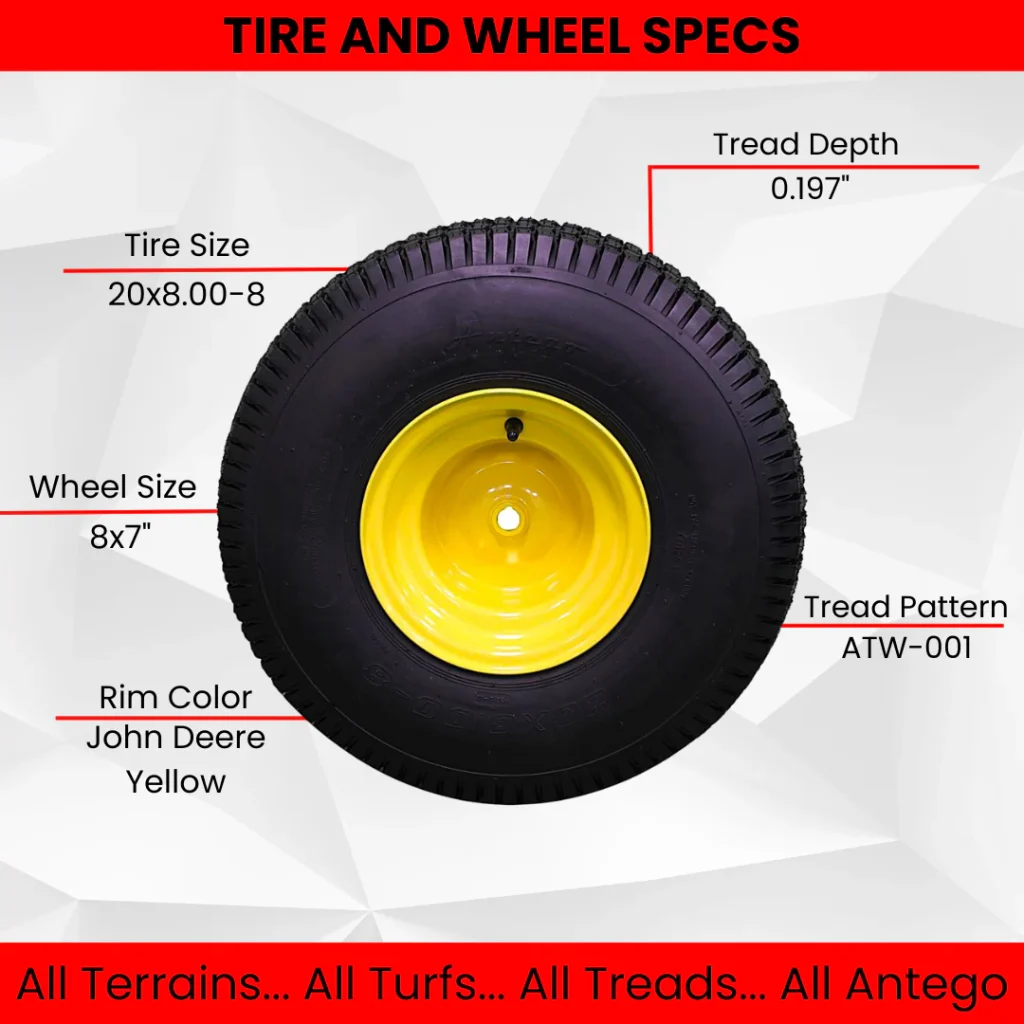
Are you sure your mower tires have the right pressure? It might seem like a small detail, but the pressure in your mower tires can make a big difference in how smoothly your mower runs and how well it cuts your lawn.
If the tires are too soft or too hard, you could face uneven cuts, wasted fuel, or even damage to your mower. In this guide, you’ll learn exactly how to check your mower tire pressure easily and quickly—so you can keep your lawn looking perfect and your mower working at its best.
Keep reading to find out the simple steps that will save you time, money, and frustration.
Importance Of Proper Tire Pressure
Proper tire pressureis very important for your mower. It helps keep your lawn healthyand your mower working well.
Low or high tire pressure can cause uneven cutting. This makes your grass look bad. It can also hurt the soilby compacting it too much or not enough.
The mower performs best when tires have the right pressure. Tires that are too soft make the mower hard to push. Tires that are too hard can cause a bumpy ride and damage mower parts.
- Correct pressure helps the mower move smoothly.
- Good tire pressure saves fuel and energy.
- It prevents unnecessary wear on tires.
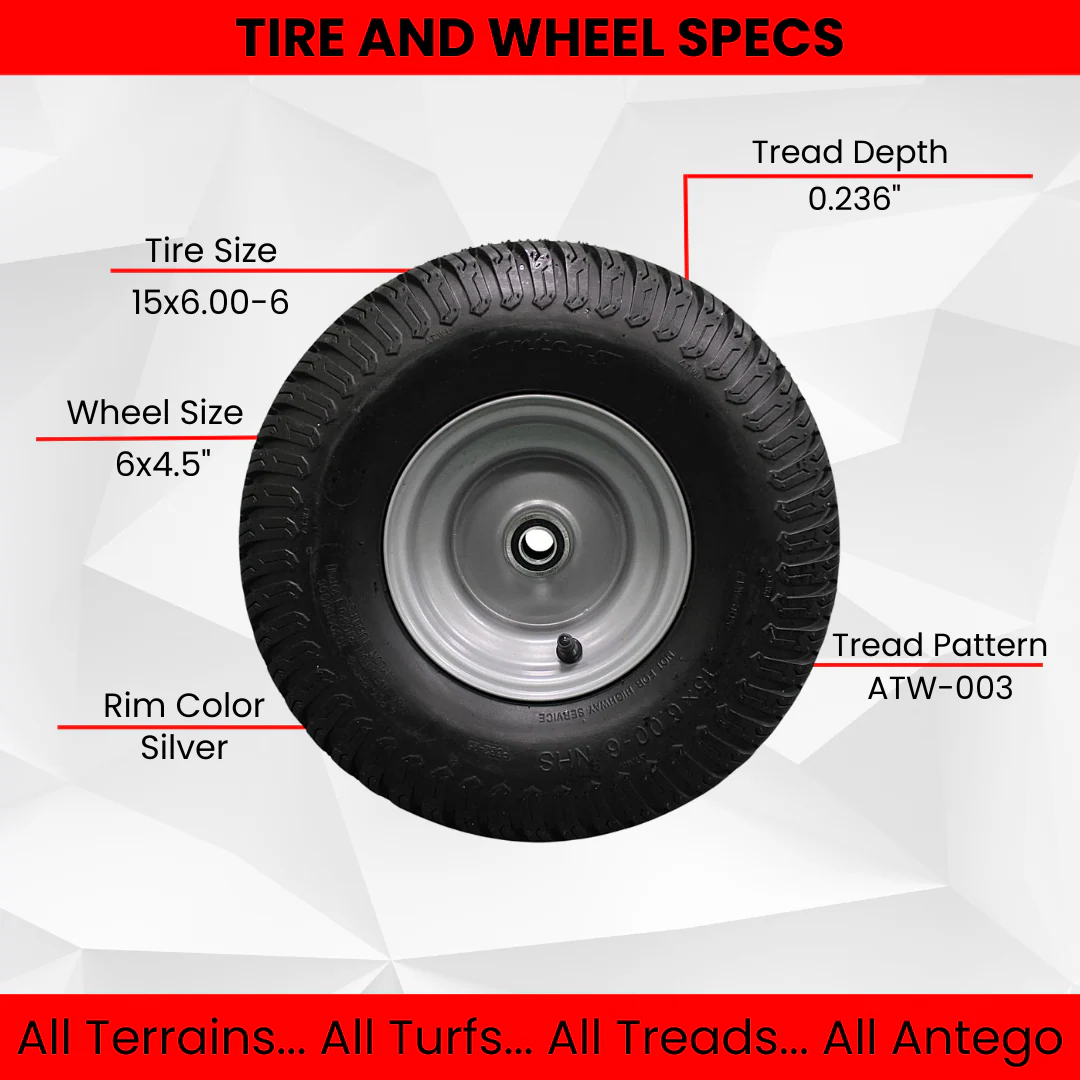
Credit: antegowheels.answerbase.com
Tools Needed To Check Tire Pressure
Checking tire pressure requires a tire gauge. There are different types to choose from. Each type shows pressure in pounds per square inch (PSI).
- Stick Gauge:A small, simple tool with a sliding scale.
- Dial Gauge:A round meter with a needle that points to pressure.
- Digital Gauge:Shows the pressure on a small screen for easy reading.
Choosing the right gauge depends on your needs. Digital gauges are easy to read. Dial gauges are durableand do not need batteries. Stick gauges are cheapbut may be less accurate.
Step-by-step Tire Pressure Check
Find the valve stemon the tire. It looks like a small metal or rubber tube sticking out.
Clean the area around the valve stem to get an accurate reading.
Use a tire pressure gaugeto check the pressure. Press it onto the valve stem firmly.
Read the number on the gauge. This shows the tire’s current pressure.
Compare the reading to the mower’s recommended tire pressure, usually found in the owner’s manual.
To adjust the pressure, press the valve stem pin to release air if the pressure is too high.
To add air, use an air compressor or pump. Check pressure often to avoid overfilling.
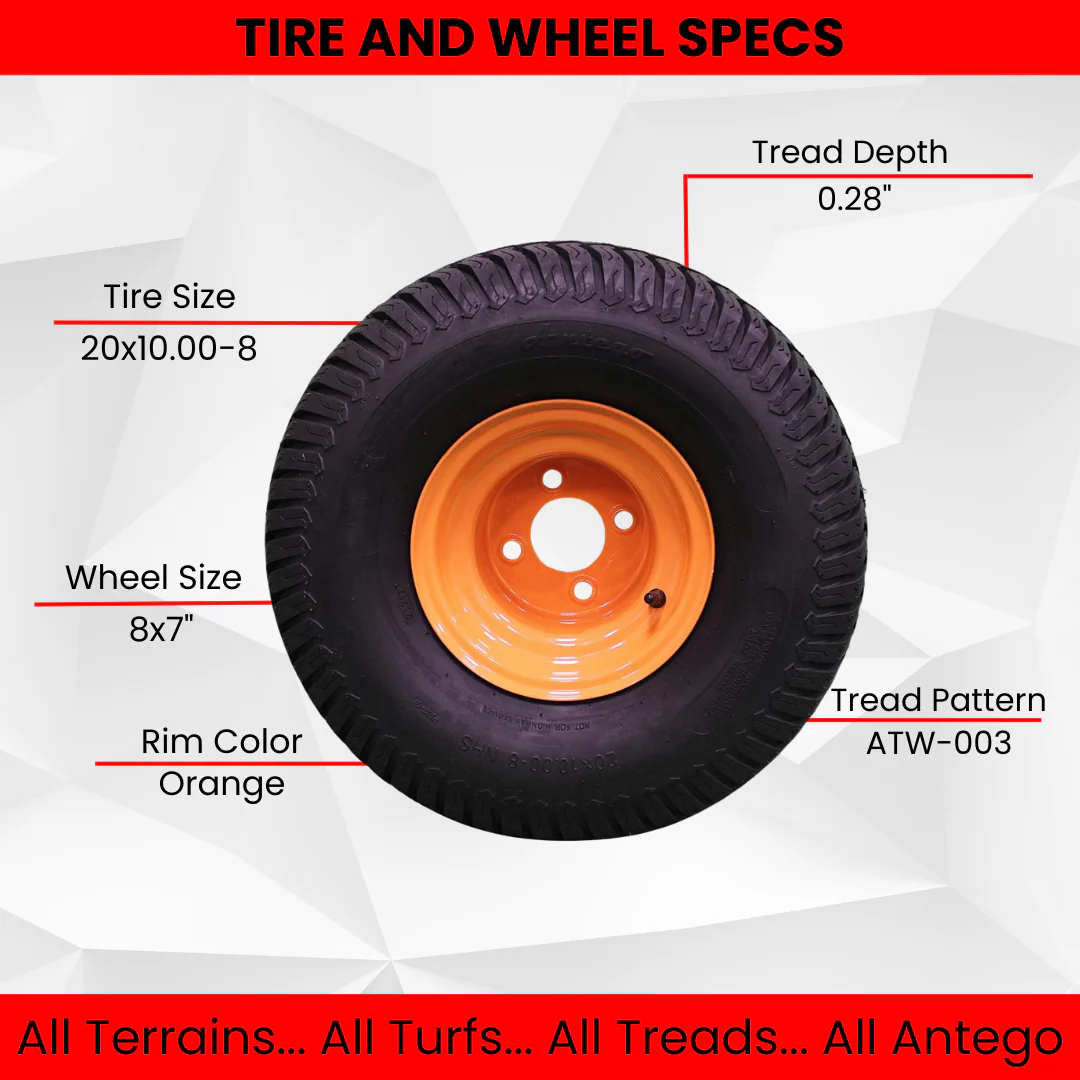
Credit: antegowheels.answerbase.com
Recommended Tire Pressure Levels
Check the mower tire sidewall for recommended pressure levels. Proper tire pressure ensures smooth mowing and prevents uneven wear. Use a pressure gauge to keep tires at the right level for best performance.
Manufacturer Guidelines
Check the manual for the right tire pressure. The manual shows how much air each tire needs. This number is important. It helps the mower work well. If you lose the manual, look at the tire’s side. It often has the pressure number there too. Keeping the pressure right makes the mower last longer.
Adjusting For Terrain And Load
Different grounds need different tire pressures. Flat lawns may need less pressure. Hilly areas might need more. If carrying a heavy load, add a bit more air. This helps the mower move better. Always check if the tires are not too hard or too soft. Adjust as needed to keep the mower safe.
Common Tire Pressure Issues
Underinflationin mower tires can cause several problems. It leads to poor tractionon wet or uneven grass. Tires wear out faster and can become damaged. The mower also uses more fuel and works harder. This can cause the engine to overheat. Low pressure makes the mower handle poorly and feel unstable. It is important to check tire pressure often to avoid these issues.
Overinflationis risky too. Tires become hard and stiff, leading to a rough ride. The mower may bounce on the grass, causing uneven cuts. Overinflated tires can wear unevenly and crack. They can also cause damage to the mower frame. Proper tire pressure keeps the mower steady and safe to use. Always follow the manufacturer’s recommended pressure for best results.

Credit: www.youtube.com
Maintenance Tips For Mower Tires
Regularly check your mower tire pressure to keep it working well. Use a tire pressure gauge for accurate readings. The correct pressure is usually found in the mower’s manual or on the tire sidewall. Low pressure can cause poor traction and uneven cutting. Overinflated tires may lead to a rough ride and faster wear. Check tire pressure before each use or at least once a month.
Look for signs that your mower tires need replacement. Cracks, bulges, or cuts on the tire surface are warning signs. Tires that lose air quickly might have a leak or damage. Worn tread reduces grip and can make mowing unsafe. If the tire looks old or damaged, replace it to avoid accidents and improve mower performance.
Frequently Asked Questions
What Is The Ideal Mower Tire Pressure?
The ideal mower tire pressure is usually between 10 to 15 PSI. Check your mower’s manual for exact specs. Proper pressure ensures smooth operation and even cutting.
How Often Should I Check Mower Tire Pressure?
Check mower tire pressure before every use or at least once a month. Regular checks prevent uneven wear and improve mower performance.
What Happens If Mower Tire Pressure Is Too Low?
Low tire pressure causes poor traction, uneven cutting, and increased tire wear. It can also strain the mower engine and reduce fuel efficiency.
Can Overinflated Mower Tires Cause Damage?
Yes, overinflated tires reduce ground contact, causing uneven mowing and a harsh ride. It may also increase the risk of tire damage.
Conclusion
Checking mower tire pressure keeps your lawn mower working well. Proper pressure helps tires last longer and cuts grass evenly. Use a tire gauge to measure pressure often. Adjust the pressure to the level recommended in your mower’s manual. This small task saves time and avoids damage.
Taking care of tire pressure keeps your mowing smooth and safe. Don’t forget this simple step for a better mowing experience.





