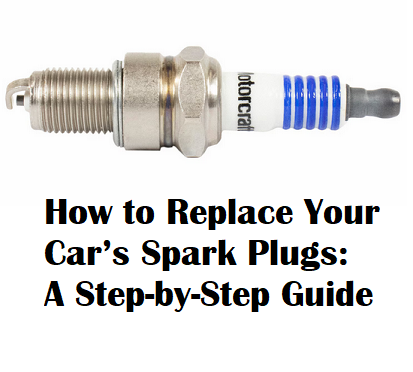
Is your car not running as smoothly as it used to? Maybe it’s struggling to start, or you notice a drop in fuel efficiency.
The culprit might be your spark plugs. These small but mighty components play a crucial role in your vehicle’s performance. But how can you be sure it’s time for a replacement? Understanding the signs of worn-out spark plugs can save you from costly repairs and keep your car running at its best.
We’ll guide you through the tell-tale signs that indicate your spark plugs need attention. Stick around, and you’ll discover how a simple change can make a big difference in your driving experience.
Spark Plug Basics
Understanding the basics of spark plugs is key to knowing when they need replacement. These small but vital parts keep your engine running smoothly. Let’s break down what spark plugs do and how long they usually last.
Role In Engine Performance
Spark plugs ignite the air-fuel mixture inside your engine’s cylinders. This ignition creates the explosion that powers your car. Without a strong spark, your engine won’t run efficiently.
When spark plugs wear out, you may notice rough idling, trouble starting the engine, or decreased fuel efficiency. Have you ever experienced your car hesitating or misfiring? That could be a sign of worn spark plugs affecting performance.
Typical Lifespan
Spark plugs don’t last forever. Most standard plugs need changing every 30,000 to 50,000 miles. However, some high-performance or iridium plugs can last up to 100,000 miles.
Driving conditions also affect their lifespan. Frequent short trips or stop-and-go traffic can wear them out faster. Checking your vehicle’s manual can give you a clearer idea of when to replace your spark plugs.
Common Signs Of Wear
Knowing the common signs of wear on your spark plugs can save you time and money. Spark plugs play a crucial role in your engine’s performance, so recognizing the warning signs early helps you avoid bigger problems. Let’s look at some clear indicators that your spark plugs may need replacing.
Engine Misfires
Have you ever felt your car jerk or hesitate while driving? That’s often a sign of engine misfires caused by worn spark plugs. Misfires happen when the spark plugs fail to ignite the fuel-air mixture consistently, leading to rough performance and potential damage over time.
If your engine stumbles during acceleration or you notice a sudden drop in power, don’t ignore it. Checking your spark plugs could be the quick fix you need.
Poor Fuel Efficiency
Are you filling up your gas tank more often than usual? Worn spark plugs can reduce fuel efficiency by causing incomplete combustion. This means your engine burns more fuel to produce the same power, costing you extra at the pump.
Keep track of your mileage and fuel costs. If you see a steady decline without other obvious reasons, inspecting your spark plugs might reveal the culprit.
Difficulty Starting
Struggling to start your car on cold mornings or after it’s been sitting for a while? Faulty spark plugs can make starting your engine harder. When plugs wear out, they struggle to create the spark needed to ignite the fuel, leading to longer cranking times or multiple attempts to start.
If you’ve noticed this issue, it might be time to check or replace your spark plugs before it gets worse.
Rough Idling
Does your engine shake or sound uneven when idling? Rough idling often points to spark plugs that aren’t firing correctly. This can cause vibrations and noise, which not only feel uncomfortable but can also indicate inefficient engine operation.
Pay attention to how your car behaves when stopped at a light or parked. Smooth idling is a sign your spark plugs are doing their job well.
Visual Inspection Tips
Knowing when to replace your spark plugs can save you from costly repairs and keep your engine running smoothly. A simple visual inspection can reveal a lot about their condition. Here are some clear signs to look for during your check.
Checking For Deposits
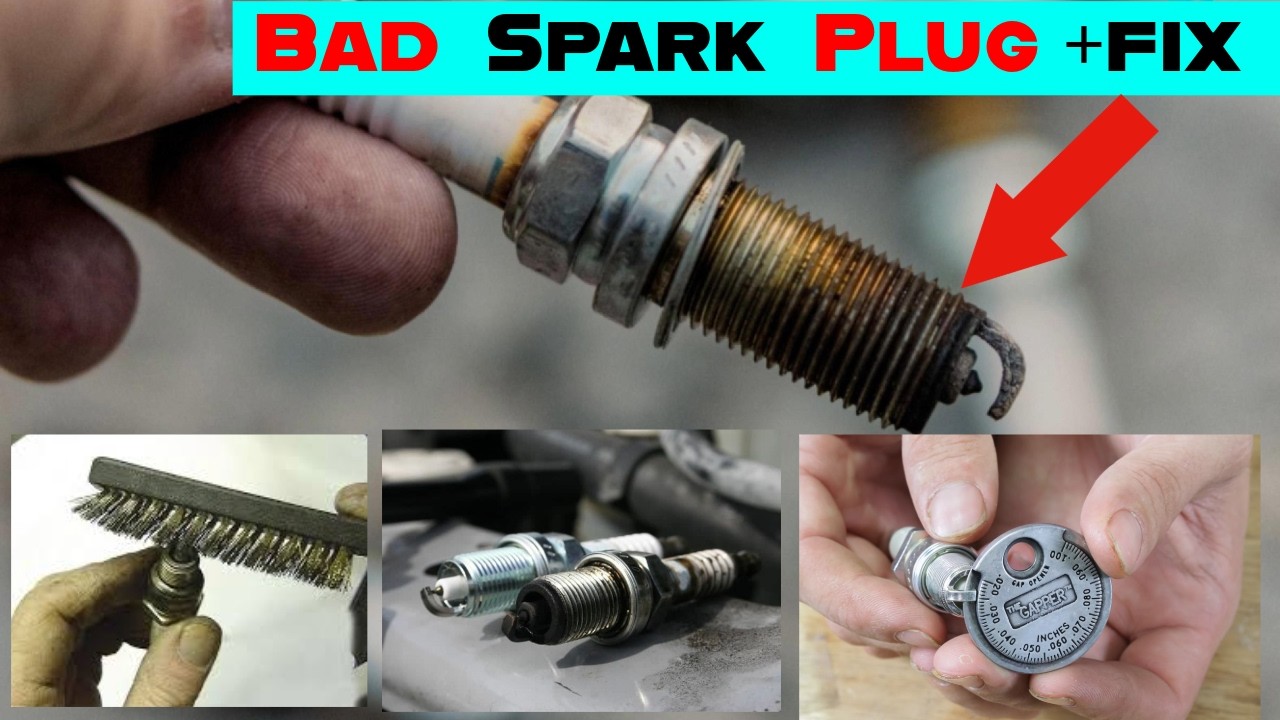
Look closely at the tip of the spark plug for any build-up of deposits. A light tan or grayish color is normal, but heavy black soot or oily residue signals a problem. These deposits can cause misfires and poor fuel economy.
Have you noticed rough idling or trouble starting your car? Dirty spark plugs might be the culprit. Cleaning or replacing them can restore your engine’s performance quickly.
Electrode Wear
The electrode is the small metal piece that sparks inside the plug. Over time, it wears down and becomes thinner or rounded. This wear increases the gap, making it harder for the spark to jump across.
Try comparing your spark plugs to a new one. If the electrode looks significantly eroded or the gap seems wider, it’s time for a replacement. Ignoring this can lead to engine hesitation and lower power.
Cracks And Damage
Inspect the ceramic insulator for any cracks or chips. Damage here can cause misfires or even engine damage because the spark might escape in the wrong place. Also, check the metal casing for corrosion or bending.
If you spot any cracks or physical damage, don’t wait to replace the spark plugs. Even a small crack can impact your engine’s efficiency and could lead to bigger issues down the road.

Credit: www.acg.aaa.com
Effects Of Faulty Spark Plugs
Faulty spark plugs can quietly harm your vehicle in several ways, often before you realize there’s a problem. They play a crucial role in igniting the air-fuel mixture inside your engine, so when they don’t work properly, multiple issues arise. Understanding these effects helps you catch trouble early and avoid costly repairs.
Increased Emissions
When spark plugs misfire, fuel doesn’t burn completely. This incomplete combustion releases more harmful gases into the atmosphere, increasing your car’s emissions. Have you noticed your vehicle failing an emissions test or your check engine light turning on? Faulty spark plugs could be the hidden reason.
Reduced Power
Driving with worn-out spark plugs means your engine struggles to deliver its full power. You might feel sluggish acceleration or difficulty maintaining speed uphill. Your car demands more fuel to compensate, which wastes money and reduces efficiency—something every driver wants to avoid.
Engine Damage Risks
Ignoring bad spark plugs can lead to serious engine damage over time. Misfires cause vibrations that stress engine components, potentially cracking pistons or damaging the catalytic converter. Have you ever experienced sudden jolts or rough idling? These warning signs mean it’s time to check your spark plugs before the damage worsens.
When To Replace
Knowing the right time to replace your spark plugs can save you from unexpected car troubles and costly repairs. Ignoring their condition might lead to poor engine performance or decreased fuel efficiency. Let’s break down the key signs and guidelines that tell you when it’s time for new spark plugs.
Mileage Guidelines
Most spark plugs have a recommended replacement interval based on mileage. Typically, standard copper plugs last about 20,000 to 30,000 miles, while platinum or iridium plugs can go 60,000 to 100,000 miles.
Check your vehicle’s owner manual for specific mileage recommendations. If you’re hitting these numbers or beyond, it’s wise to inspect or replace the plugs even if there are no obvious symptoms.
Performance Triggers
Have you noticed your engine misfiring or struggling to start? These are common signs your spark plugs might be worn out.
Other clues include poor acceleration, reduced fuel efficiency, or rough idling. If your car feels sluggish or the “check engine” light comes on, don’t ignore these hints—they often point to spark plug issues.
Maintenance Schedule
Sticking to a regular maintenance schedule is crucial. Even if your car runs smoothly, scheduled spark plug replacement helps maintain optimal engine health.
During oil changes or tune-ups, ask your mechanic to check the spark plugs. Catching wear early can prevent bigger problems and keep your car running efficiently.
Choosing The Right Spark Plugs
Choosing the right spark plugs affects engine performance and fuel efficiency. The right plugs ensure smooth starts and better power. Picking the wrong type can cause misfires and damage. Understanding key factors helps you make the best choice for your vehicle.
Material Types
Spark plugs come in different materials. Copper plugs conduct electricity well but wear faster. Platinum plugs last longer and resist corrosion. Iridium plugs offer the best durability and performance. Choosing the material depends on your car’s needs and budget.
Heat Range
Heat range shows how well a spark plug handles temperature. A colder plug prevents overheating in high-performance engines. A hotter plug helps burn fuel fully in normal engines. Use the heat range recommended by your vehicle manufacturer for best results.
Compatibility
Not all spark plugs fit every engine. Check the size, thread, and reach before buying. Using incompatible plugs can cause engine damage or poor performance. Always consult your car manual or a trusted mechanic to find the right fit.
Diy Replacement Tips
Replacing spark plugs on your own can save money and give you a better understanding of your vehicle’s health. Knowing exactly what tools to use and how to proceed will make the task manageable, even if you’re new to car maintenance. Let’s break down the essentials to help you feel confident about tackling this job yourself.
Tools Needed
- Spark plug socket:A deep socket designed specifically for spark plugs, usually with a rubber insert to protect the plug.
- Socket wrench:To turn the spark plug socket smoothly and with proper leverage.
- Torque wrench:Important to tighten the spark plugs to the manufacturer’s specifications without over-tightening.
- Gap gauge:To check and adjust the spark plug gap before installation.
- Ratchet extension:Useful if the spark plugs are deep inside the engine bay.
- Anti-seize compound:Optional but recommended to prevent the spark plug threads from sticking.
- Compressed air or a vacuum:To clear debris from around the spark plug area before removal.
Step-by-step Process
Start by locating the spark plugs, usually found on the engine’s cylinder head. Use compressed air or a vacuum to clean the area around each spark plug to avoid debris falling into the cylinder when you remove them.
Remove the spark plug wire or ignition coil carefully without damaging it. Use the spark plug socket and wrench to loosen and remove the old plug by turning it counterclockwise.
Check the gap on the new spark plug with the gap gauge, adjusting it if necessary to match your vehicle’s specifications. Apply a small amount of anti-seize compound on the threads if you have it.
Insert the new spark plug by hand to avoid cross-threading, then tighten it with the torque wrench to the exact setting recommended by your vehicle’s manual. Reattach the spark plug wire or ignition coil securely.
Repeat the process for each spark plug, then start your engine to make sure it runs smoothly without misfires.
Safety Precautions
Always work on a cool engine to prevent burns from hot components. Disconnect the battery to avoid accidental electrical shocks or shorts while handling spark plug wires or ignition coils.
Use gloves to protect your hands from sharp edges and dirt. Make sure your workspace is well-lit and free from distractions to keep your focus sharp.
Double-check that you’re using the correct spark plugs for your engine model to avoid damage. Have you ever thought about how a small mistake like over-tightening can lead to costly repairs?
Credit: www.youtube.com
Professional Help
Knowing when to call in a professional for spark plug issues can save you time, money, and frustration. While some spark plug checks might seem straightforward, certain symptoms and situations demand an expert’s touch. Understanding when to seek professional help ensures your car runs smoothly without unnecessary repairs or risks.
When To Seek Experts
If your engine is misfiring, stalling, or showing a noticeable drop in fuel efficiency, it could signal worn or faulty spark plugs. However, these symptoms might also point to other engine problems, making it tricky to diagnose on your own.
Experts have the right tools and experience to quickly identify if spark plugs are the root cause. They can also check related components like ignition coils and wires, which affect spark plug performance.
Think about the last time you noticed rough idling or difficulty starting your car. If you ignored it, the problem might have worsened. Wouldn’t a quick professional check have prevented that?
Cost Considerations
Paying for professional spark plug replacement may seem expensive upfront, but it often saves money in the long run. Incorrect installation or using the wrong type of spark plugs can lead to engine damage or reduced efficiency.
Many repair shops offer diagnostic services that include spark plug inspection at a reasonable price. Sometimes, they bundle this with other routine maintenance, which adds more value.
Before deciding to replace spark plugs yourself, consider the potential costs of mistakes versus the fee for professional service. Is the risk of damaging your engine worth the savings?

Credit: www.reddit.com
Frequently Asked Questions
How Do Spark Plugs Affect Engine Performance?
Spark plugs ignite the air-fuel mixture in the engine. Worn plugs cause misfires, poor fuel economy, and rough idling. Replacing them improves acceleration, starts, and overall engine efficiency.
What Are Common Signs Of Bad Spark Plugs?
Signs include engine misfires, difficulty starting, poor fuel mileage, and rough idling. You may also notice a loss of power or increased emissions. These symptoms suggest it’s time to inspect or replace spark plugs.
How Often Should Spark Plugs Be Replaced?
Most spark plugs last between 30,000 to 100,000 miles. Check your vehicle’s manual for specific intervals. Regular replacement ensures optimal engine performance and prevents costly repairs.
Can Old Spark Plugs Damage My Car’s Engine?
Yes, worn spark plugs can cause misfires and poor combustion. This leads to engine knocking and increased wear. Prompt replacement helps avoid engine damage and maintains fuel efficiency.
Conclusion
Knowing when to change spark plugs keeps your car running smooth. Watch for signs like rough idling, poor fuel economy, or engine misfires. Regular checks help catch problems early and save money. Clean, working spark plugs improve your engine’s power and start time.
Don’t wait for big issues; small fixes go a long way. Stay safe and enjoy a better driving experience.





