Have you noticed your car isn’t running as smoothly as it used to? Maybe it’s struggling to start, or your fuel efficiency has taken a nosedive.
These are signs your vehicle might be trying to tell you something important: it’s time for new spark plugs. Ignoring these signals can lead to bigger problems down the road, and no one wants that hassle or expense. But how can you be sure it’s the spark plugs that need attention?
You’ll discover the telltale signs that indicate it’s time to replace them, helping you avoid unexpected breakdowns and keep your car performing at its best. So, are you ready to find out if your spark plugs are trying to send you a message? Let’s dive in!

Credit: www.reddit.com
Engine Misfires
Engine misfires are a clear sign that something isn’t right under your car’s hood. They happen when the spark plugs fail to ignite the fuel-air mixture properly. If you notice your engine shaking or hear unusual popping sounds, it could be time to check those spark plugs.
What Causes Misfires
Misfires often occur because the spark plugs wear out or get dirty. When the spark plug can’t create a strong spark, the fuel doesn’t burn efficiently. Other causes include:
- Faulty ignition coils
- Clogged fuel injectors
- Vacuum leaks in the engine
- Low fuel pressure
However, worn spark plugs are the most common culprit. If your spark plugs have gaps, cracks, or carbon buildup, they won’t perform well. Have you checked your spark plugs lately?
Effects On Performance
When your engine misfires, you’ll feel a noticeable drop in power. Your car might jerk or hesitate when you accelerate. This doesn’t just make driving frustrating—it also wastes fuel and increases emissions.
Ignoring misfires can lead to bigger problems, like damage to the catalytic converter. It’s like letting a small leak turn into a flood. Replacing worn spark plugs can restore smooth engine performance and save you money on repairs.
Poor Fuel Economy
Poor fuel economy is often one of the first signs that your spark plugs may need attention. If you notice that your car is guzzling more gas than usual, it could be due to spark plugs not firing properly. Understanding how spark plugs influence fuel consumption can help you decide when it’s time for a replacement.
How Spark Plugs Affect Fuel Use
Spark plugs ignite the air-fuel mixture inside your engine’s cylinders. When they work well, combustion is efficient, giving you maximum power with minimal fuel. But worn or dirty spark plugs cause incomplete combustion, wasting fuel and lowering mileage.
Think about your engine as a finely tuned system. Even a small misfire caused by a failing spark plug can force your engine to burn extra fuel to keep running smoothly. This inefficiency directly impacts how far you can drive on a tank of gas.
Spotting Sudden Fuel Drops
Have you noticed your fuel gauge dropping faster than usual without a change in your driving habits? Sudden decreases in fuel efficiency can signal spark plug issues. Keep an eye on how often you need to fill up compared to before.
Other signs that often accompany poor fuel economy include rough idling, engine misfires, or trouble starting your car. If these symptoms appear alongside increased fuel consumption, your spark plugs might be the culprit.
Next time you fill your tank, jot down the mileage and fuel amount. Tracking this over a few weeks can reveal a pattern. If fuel use spikes without explanation, it’s time to check those spark plugs.
Difficulty Starting Engine
Struggling to start your engine can be frustrating and might indicate a deeper issue under the hood. One common cause often overlooked is worn-out spark plugs. Understanding why difficulty starting your vehicle happens can save you time and prevent costly repairs.
Spark Plug Role In Ignition
Spark plugs create the spark that ignites the air-fuel mixture inside your engine’s cylinders. Without a strong and consistent spark, the engine struggles to start or may not start at all.
Think of spark plugs as tiny ignition points that must fire perfectly every time. If they become dirty, worn, or damaged, the spark weakens or becomes inconsistent. This directly affects your engine’s ability to start smoothly.
Signs Of Starting Problems
Have you noticed your car takes longer to start or requires multiple attempts? This hesitation can be a clear sign your spark plugs need attention.
- Engine cranks but doesn’t start immediately
- Engine stalls right after starting
- Rough idling or misfires during startup
One time, I ignored a similar issue until my car barely started on a cold morning. Replacing the spark plugs fixed the problem instantly. Could your starting trouble be a subtle warning from your spark plugs?

Credit: www.chase.com
Rough Idling
Rough idling means your engine shakes or runs unevenly when your car is stopped. You might feel vibrations or hear unusual sounds. This issue can signal a problem with your spark plugs. Spark plugs ignite the fuel in your engine. When they wear out, the engine struggles to run smoothly at low speeds.
What Rough Idling Indicates
Rough idling shows that combustion is not happening properly. The spark plugs might be dirty or worn. This causes misfires, making the engine run unevenly. Other parts like fuel injectors or air filters can also cause rough idling. But spark plugs are a common cause.
Impact On Engine Health
Rough idling stresses the engine. It can lead to poor fuel efficiency. The engine may wear out faster. Vibrations can damage other components over time. Replacing spark plugs keeps the engine healthy and running smoothly. It also prevents costly repairs later.
Engine Surging Or Hesitation
Engine surging or hesitation is a common sign that your spark plugs may need attention. This issue causes your car to speed up or slow down without pressing the gas pedal. It can make driving unpredictable and unsafe. Understanding why this happens helps you spot the problem early and avoid bigger repairs.
Why Surging Happens
Surging occurs when the engine does not get a consistent spark. The spark plugs ignite the fuel-air mix in the engine cylinders. If the spark is weak or irregular, combustion becomes uneven.
This uneven combustion causes the engine to speed up or slow down suddenly. Dirty or worn spark plugs often cause misfires. Misfires lead to hesitation when accelerating or driving at steady speeds.
Bad spark plugs also reduce fuel efficiency. The engine works harder to compensate for poor combustion. This creates a rough driving experience and can damage other parts over time.
How Spark Plugs Influence Smooth Driving
Smooth driving depends on proper ignition timing and strong sparks. Spark plugs create a spark at the right moment to burn fuel fully. This process powers the engine smoothly and efficiently.
Good spark plugs improve engine performance and responsiveness. They help maintain steady speed without jerks or stalls. Clean plugs reduce emissions and improve fuel economy.
Replacing spark plugs regularly keeps your engine running at its best. It prevents surging and hesitation, making your drive safer and more comfortable.
Visual Inspection Of Spark Plugs
Visual inspection of spark plugs offers a clear way to spot problems early. It helps check if the spark plugs need replacement before causing engine issues. Removing the spark plug for a close look can reveal signs of wear, damage, or deposits. This simple check saves time and money by avoiding bigger repairs later.
Checking For Wear And Damage
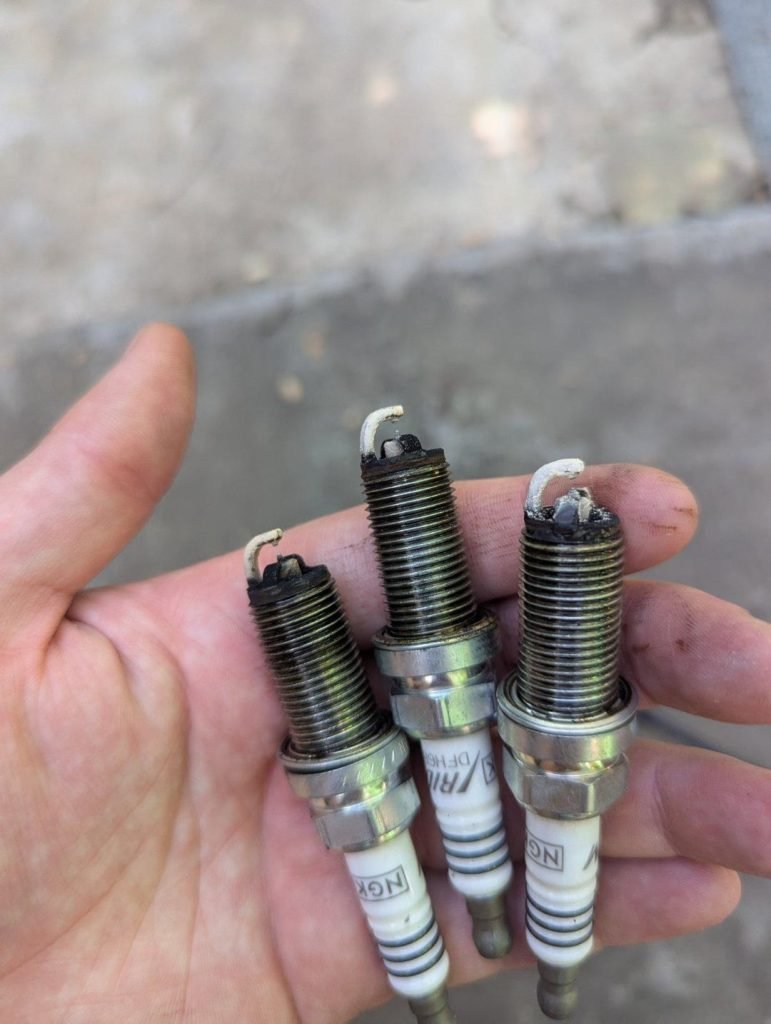
Look at the metal tip and ceramic insulator. The tip should be clean and intact. If it is rounded, worn down, or cracked, the spark plug needs replacement. Check the electrode gap too. A gap that is too wide or narrow affects engine performance. Also, inspect the ceramic part for chips or cracks. Any damage here means the spark plug cannot work properly.
Identifying Carbon Deposits
Carbon deposits look like black, dry soot on the spark plug tip. These deposits happen when the engine runs too rich or burns oil. Heavy carbon buildup causes misfires and poor fuel economy. Light deposits are normal, but thick layers mean trouble. Cleaning might help, but replacement is often best for heavily coated plugs.
Recommended Replacement Intervals
Knowing when to replace spark plugs helps keep your engine running smoothly. Spark plugs wear out over time and affect car performance. Following recommended replacement intervals saves money and prevents bigger issues.
Manufacturer Guidelines
Every car maker sets specific spark plug replacement intervals. These vary by vehicle make, model, and engine type. Check your owner’s manual for exact recommendations. Most modern cars suggest changing plugs between 30,000 and 100,000 miles.
Using the right spark plugs and replacing them on time ensures proper engine ignition. Ignoring these guidelines can cause misfires and lower fuel efficiency.
Adjusting For Driving Conditions
Driving habits and environment affect how fast spark plugs wear out. Short trips, stop-and-go traffic, and dusty roads increase plug wear. Heavy loads or towing can also strain spark plugs.
In tough conditions, replace spark plugs more often than the manual suggests. Pay attention to rough idling, poor acceleration, or engine hesitation. These signs mean plugs may need earlier replacement.

Credit: www.reddit.com
Benefits Of Timely Spark Plug Replacement
Replacing spark plugs on time keeps your engine running smoothly. It helps avoid many common car problems. You get better fuel use and less damage to other parts. Staying on top of spark plug care saves money and stress in the long run.
Improved Performance
New spark plugs create a strong spark for better combustion. This means the engine runs more efficiently and powerfully. You will notice quicker starts and smoother acceleration. The car responds better to your commands. Engine misfires and rough idling reduce significantly. Overall, driving feels more reliable and enjoyable.
Lower Emissions
Fresh spark plugs help burn fuel more completely. This reduces harmful gases released into the air. Your vehicle meets emission standards easier with new plugs. It also protects the environment by cutting pollution. Cleaner combustion means less black smoke from the exhaust. Timely replacement supports a healthier planet and cleaner air around you.
Frequently Asked Questions
How Do I Know When Spark Plugs Are Bad?
You may notice engine misfires, rough idling, or poor fuel economy. These signs often indicate worn or damaged spark plugs. Check for difficulty starting your vehicle or reduced acceleration as well. Regular inspection helps prevent engine problems caused by faulty spark plugs.
What Are The Common Spark Plug Failure Symptoms?
Common symptoms include engine misfiring, poor fuel efficiency, hard starts, and sluggish acceleration. You might also hear unusual engine noises. These signs suggest spark plugs need replacement. Ignoring these symptoms can lead to more severe engine damage and costly repairs.
How Often Should I Replace Spark Plugs?
Replace spark plugs every 30,000 to 100,000 miles, depending on your vehicle and plug type. Consult your owner’s manual for specific intervals. Regular replacement ensures optimal engine performance and fuel efficiency. Delaying replacement may cause engine misfires and increased emissions.
Can Bad Spark Plugs Affect Fuel Economy?
Yes, faulty spark plugs cause incomplete combustion, reducing fuel efficiency. Your vehicle uses more fuel to compensate for poor ignition. Timely replacement improves mileage and lowers emissions. Maintaining spark plugs helps save money on fuel in the long run.
Conclusion
Worn spark plugs cause engine trouble and lower fuel efficiency. Watch for rough starts, poor acceleration, or engine misfires. These signs mean it’s time to check and replace spark plugs. Regular maintenance keeps your car running smooth and saves money on repairs.
Don’t wait until problems get worse. A simple spark plug change can improve your ride and avoid bigger issues. Stay alert to these signs for safe and reliable driving every day.





