Your car’s engine is like a finely-tuned orchestra, with each part playing a crucial role in keeping everything running smoothly. One of the unsung heroes of this symphony is the humble spark plug.
When they’re working well, you barely notice them. But when they’re not, your car can feel like it’s playing out of tune. Have you ever wondered if your spark plugs might be the culprit behind those engine misfires or that rough idle?
You’re not alone. Understanding the signs of bad spark plugs can save you time, money, and a whole lot of frustration. By the end of this article, you’ll know exactly what to look out for, ensuring your car stays in top form and keeps you on the road without a hitch. Ready to become the maestro of your vehicle’s performance? Let’s dive into the telltale signs your spark plugs might need some attention.
Common Spark Plug Issues
Spark plugs play a key role in your engine’s performance. They ignite the air-fuel mixture inside the engine cylinders. Over time, spark plugs wear out or get damaged. This leads to several common problems that affect your car’s running condition.
Recognizing these issues helps you decide if spark plugs need replacement. Some signs appear as engine misfires, poor fuel economy, or rough idling. Others involve physical damage or deposits on the spark plug tips. Knowing these common problems helps maintain your vehicle’s health and saves repair costs.
Worn Electrodes
Electrodes wear down after long use. The gap between electrodes grows larger. This causes weak sparks that reduce engine power. Worn electrodes also make the engine harder to start.
Carbon Fouling
Black, dry soot covers the spark plug tip. This happens from incomplete fuel burning. Carbon fouling causes misfires and rough engine running. It can also reduce fuel efficiency.
Oil Fouling
Oil deposits appear on the spark plug tip. This means oil leaks into the combustion chamber. Oil fouling leads to misfires and poor engine performance. It also signals engine problems needing attention.
Overheating Damage
Overheated spark plugs show melted or blistered electrodes. This happens from engine overheating or wrong spark plug type. Damage causes loss of spark and engine knocking.
Cracked Insulator
The ceramic insulator may crack from impact or heat stress. Cracks cause spark leaks and weak ignition. The engine may misfire or stall as a result.

Credit: www.r6messagenet.com
Engine Performance Problems
Engine performance issues can be one of the clearest signs that your spark plugs might be failing. Since spark plugs ignite the air-fuel mixture inside your engine, any problems with them can directly affect how smoothly your car runs. Paying attention to specific symptoms can help you catch spark plug trouble early and avoid costly repairs.
Misfiring And Rough Idle
Have you ever noticed your engine suddenly jerking or hesitating while driving? This could be due to misfiring, which happens when a spark plug fails to ignite the fuel properly. A rough idle, where the engine shakes or vibrates more than usual when your car is stopped, often accompanies misfiring.
These symptoms usually mean the spark plugs are not delivering consistent sparks. You might also hear unusual popping or backfiring sounds from the engine. Ignoring this can lead to reduced fuel efficiency and increased emissions, which no one wants.
Difficulty Starting The Engine
If your car struggles to start or takes longer to crank than usual, bad spark plugs could be the cause. Spark plugs need to generate a strong spark to ignite the fuel-air mix when starting. Worn or fouled plugs make this process harder and less efficient.
Think about the last time you had trouble starting your car on a cold morning. That hesitation might have been your spark plugs telling you they need attention. Addressing this early can save you from unexpected breakdowns and keep your engine running smoothly.
Fuel Efficiency Drops
Noticing a drop in your vehicle’s fuel efficiency can be frustrating and costly. One common but often overlooked cause is bad spark plugs. Spark plugs ignite the fuel-air mixture in your engine, so when they wear out or malfunction, your engine burns more fuel than necessary.
Have you ever felt like your car’s gas mileage just isn’t what it used to be, despite no changes in your driving habits? That could be a sign your spark plugs aren’t firing properly, leading to incomplete combustion.
How Bad Spark Plugs Affect Fuel Consumption
Worn or dirty spark plugs create weak or inconsistent sparks. This weak ignition forces the engine to work harder to generate power, which means it uses more fuel.
You might notice your car needing more frequent fuel fill-ups or that your “miles per gallon” (MPG) rating has dropped significantly without any obvious reasons.
Signs To Watch For Alongside Fuel Efficiency Drops
- Engine misfires or rough idling
- Difficulty starting your vehicle
- Unusual engine noises or vibrations
If you experience these symptoms along with poor fuel economy, it’s a strong signal your spark plugs need attention.
Simple Tests To Check Spark Plug Condition
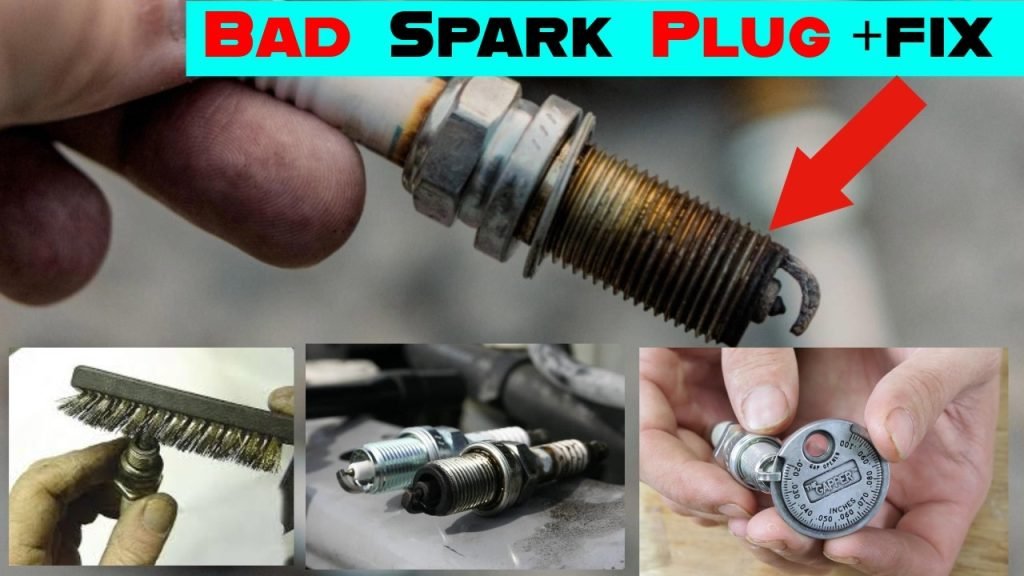
Removing and inspecting your spark plugs can reveal if they are fouled, corroded, or worn out. A clean, healthy spark plug has a light tan or grayish color on the tip.
Black, oily, or soot-covered plugs indicate problems that can directly reduce fuel efficiency.
Why Timely Spark Plug Replacement Saves Money
Replacing faulty spark plugs restores efficient combustion, which improves fuel mileage quickly. You’ll spend less on gas and avoid costly engine repairs caused by prolonged misfires.
Ignoring this issue might cost you more in the long run. Have you checked your spark plugs lately?
Visual Inspection Tips
Performing a visual inspection of your spark plugs can reveal a lot about their condition. You don’t need special tools—just a keen eye and some knowledge about what to look for. Taking a moment to check your spark plugs can save you from costly repairs and improve your car’s performance.
Checking For Carbon Deposits
Look closely at the tip of the spark plug. A layer of black, dry soot usually means your engine is running too rich or the spark plug isn’t firing correctly.
If the deposits are thick, flaky, or oily, it can cause misfires and poor fuel economy. Have you noticed your car stalling or struggling during acceleration? These carbon deposits might be the culprit.
Cleaning off light carbon buildup can sometimes restore plug function. But heavy deposits often mean replacement is necessary.
Inspecting For Wear And Damage
Check the electrode for rounded edges or a worn gap. This wear affects the spark’s strength and can cause rough idling or difficulty starting your engine.
Cracks in the ceramic insulator or burnt areas around the metal base are signs of damage. Ignoring these can lead to complete spark plug failure and engine problems.
Have you ever found a plug that looked cracked or broken? It’s a clear sign to swap it out immediately to avoid engine misfires and decreased performance.
Unusual Engine Noises
Unusual engine noises can signal worn spark plugs causing rough idling or misfires. Listen for popping or sputtering sounds that often indicate spark plug problems. Checking spark plugs helps keep your engine running smoothly and prevents further damage.
Unusual Engine Noises: The First Red Flag Unusual engine noises can be a cause for concern, especially if you’re not sure what’s causing them. As a car owner, you’re probably no stranger to the sound of your engine humming along smoothly. But if you start to notice any unusual noises, it’s essential to investigate further to prevent any potential damage to your vehicle.Listen For Rattling Or Clicking Sounds
If your spark plugs are bad, you might hear rattling or clicking sounds coming from the engine. This is often due to the spark plugs failing to ignite the fuel properly, resulting in a rough or irregular engine sound. You may notice these sounds when you start the engine or when you’re driving at low speeds.Pay Attention To Hissing Or Whining Noises
Another sign of bad spark plugs is hissing or whining noises. This can be caused by a vacuum leak or a faulty ignition system. If you notice a hissing sound when you turn the key in the ignition or when you’re driving, it’s a good idea to have your spark plugs checked.Watch For Sputtering Or Backfiring
If your spark plugs are failing, you might notice sputtering or backfiring sounds. This is often accompanied by a loss of power or a decrease in fuel efficiency. If you notice any of these symptoms, it’s essential to have your spark plugs checked and replaced as soon as possible.Don’t Ignore The Warning Signs
Ignoring unusual engine noises can lead to more severe problems down the line. By paying attention to these warning signs, you can prevent costly repairs and ensure your vehicle runs smoothly and efficiently. So, if you notice any unusual noises, don’t hesitate to have your spark plugs checked and replaced.Increased Exhaust Emissions
Increased exhaust emissions often signal problems with your spark plugs. When spark plugs fail, they struggle to ignite the air-fuel mix properly. This poor combustion causes more pollutants to leave your vehicle’s exhaust system. High emissions can harm the environment and reduce engine efficiency. Recognizing these signs helps maintain cleaner emissions and better car performance.
How Spark Plugs Affect Exhaust Emissions
Spark plugs ignite the fuel in the engine cylinders. Worn or damaged plugs create weak or inconsistent sparks. This leads to incomplete combustion of fuel. Unburnt fuel exits the engine as harmful gases. These gases increase the level of pollutants in your exhaust.
Signs Of Increased Exhaust Emissions
- Dark or black smoke from the tailpipe
- Strong fuel smell near the exhaust
- Failed emissions test
- Rough engine idle or hesitation
Why Bad Spark Plugs Raise Emissions
When spark plugs don’t fire correctly, fuel burns unevenly. This creates more carbon monoxide and unburned hydrocarbons. These substances pollute the air and lower fuel economy. Replacing spark plugs fixes combustion and reduces emissions.
When To Replace Spark Plugs
Knowing when to replace spark plugs keeps your engine running smoothly. Worn or damaged spark plugs can cause poor fuel economy, rough idling, and hard starts. Replacing them at the right time avoids bigger engine problems and saves money on repairs.
Recommended Replacement Intervals
Most car makers suggest changing spark plugs every 30,000 to 100,000 miles. The exact time depends on the spark plug type and your vehicle model. Check your owner’s manual for the best schedule. Signs like engine misfires or lower power mean it might be time to replace them sooner.
Choosing The Right Spark Plugs
Pick spark plugs that match your car’s engine needs. Common types include copper, platinum, and iridium. Copper plugs wear out faster but cost less. Platinum and iridium last longer and improve performance. Using the correct spark plugs helps your engine run efficiently and prevents damage.
Credit: modernautoparts.co.za
Credit: www.dodgedurango.net
Frequently Asked Questions
How Do I Identify Bad Spark Plugs Symptoms?
Bad spark plugs cause rough idling, poor acceleration, and engine misfires. You may also notice reduced fuel efficiency and difficulty starting your car. Visual inspection reveals worn or fouled plugs with deposits, cracks, or corrosion. Recognizing these symptoms helps maintain engine performance and avoid costly repairs.
How Often Should Spark Plugs Be Replaced?
Spark plug replacement varies by vehicle, typically every 30,000 to 100,000 miles. Check your owner’s manual for exact intervals. Regular replacement ensures optimal engine efficiency, smooth running, and better fuel economy. Ignoring this can lead to engine misfires and increased emissions.
Can Bad Spark Plugs Cause Engine Misfires?
Yes, bad spark plugs often cause engine misfires by failing to ignite the fuel-air mixture properly. Misfires lead to rough idling, hesitation during acceleration, and reduced power. Timely spark plug inspection and replacement prevent misfires and maintain engine health.
What Does A Bad Spark Plug Look Like?
A bad spark plug may have black carbon deposits, oil fouling, or white ash residue. Cracks, worn electrodes, and corrosion are common signs. These visual cues indicate poor combustion and the need for replacement to restore engine performance.
Conclusion
Bad spark plugs can cause engine trouble and poor fuel use. Check them regularly for wear, dirt, or damage. Signs like rough idling, trouble starting, or low power mean it’s time to replace. Keep spark plugs clean and working well to help your car run smooth.
Taking care of this small part saves money and stress later. Stay alert and maintain your vehicle for better driving every day.





