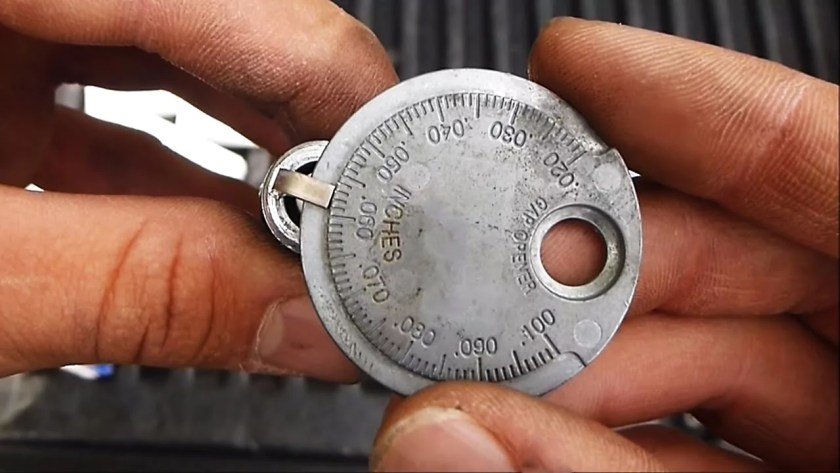
Are you ready to boost your car’s performance? Learning how to gap spark plugs might be the secret you’ve been missing.
It’s a simple yet crucial step that can make a world of difference in how smoothly your engine runs. Imagine the satisfaction of knowing your vehicle is performing at its best, all thanks to a quick adjustment you made yourself.
This guide will walk you through each step, ensuring you have the confidence to tackle this task with ease. Don’t let uneven sparks hold you back; let’s dive in and discover how to gap spark plugs like a pro. Your car—and your wallet—will thank you.
Spark Plug Basics
Understanding the basics of spark plugs is essential before you start gapping them. These small components play a crucial role in your engine’s performance. Knowing their function and different types helps you maintain your vehicle better and avoid costly mistakes.
Role In Engine Performance
Your engine relies on spark plugs to ignite the air-fuel mixture inside the cylinders. This ignition creates the explosion needed to power your car. If the spark plugs aren’t working properly, you may notice rough idling, poor fuel economy, or difficulty starting your engine.
Have you ever wondered why your car feels sluggish or stalls unexpectedly? Worn or improperly gapped spark plugs could be the culprit. The gap size affects how strong the spark is and how efficiently combustion happens.
Types Of Spark Plugs
Not all spark plugs are the same. Choosing the right type is key to your engine’s health.
- Copper Spark Plugs:These are affordable and work well in older vehicles. However, they wear out faster due to lower durability.
- Platinum Spark Plugs:More durable than copper, they last longer and offer better performance. Many modern cars use these as standard.
- Iridium Spark Plugs:Known for their longevity and strong spark, iridium plugs are ideal for high-performance engines. They can be pricier but often pay off with improved efficiency.
Choosing the wrong type can lead to poor engine performance or even damage. Have you checked what type your vehicle requires before adjusting the gap?

Credit: www.youtube.com
Why Gap Matters
Proper spark plug gap is key to your engine’s performance. The gap controls the spark size, which ignites the air-fuel mixture. A perfect gap ensures efficient combustion and smooth running. Too wide or too narrow a gap affects power and fuel use. Correct gapping helps your engine start easily and run clean.
Effects Of Incorrect Gapping
Incorrect spark plug gap causes several engine problems. A gap too small weakens the spark, causing misfires. The engine may hesitate or stall. A gap too wide needs more voltage to spark. This can overload the ignition system and cause rough idling. Fuel consumption rises because combustion is incomplete. Engine power drops, and emissions increase.
Signs Of Poor Spark Plug Gap
- Hard starting or failure to start
- Engine misfires or rough idle
- Reduced fuel efficiency
- Loss of engine power
- Increased exhaust smoke or emissions
Watching for these signs helps catch gapping issues early. Regularly checking and adjusting the gap keeps the engine healthy. It saves money on repairs and fuel over time.
Tools Needed For Gapping
Gapping spark plugs requires a few simple tools. Having the right equipment makes the job easier and more accurate. These tools help measure and adjust the gap between the spark plug electrodes. Proper gapping improves engine performance and fuel efficiency.
Gap Gauge Types
Several types of gap gauges exist for measuring spark plug gaps. Each type offers different advantages for precision and ease of use.
- Feeler Gauge:Thin metal strips of known thickness. Slide the strips between electrodes to check the gap size.
- Wire Gauge:Thin wires with specific diameters. Insert the wire to see if the gap fits perfectly.
- Coin Gauge:Round discs with a fixed thickness. Place the disc between electrodes to measure the gap.
Choose a gauge type based on your comfort and the accuracy needed. Wire gauges are popular for their simplicity and reliability.
Additional Equipment
Besides a gap gauge, a few extra tools help adjust the spark plug gap safely and effectively.
- Gapper Tool:A small tool that bends the ground electrode gently to widen or narrow the gap.
- Caliper or Ruler:Useful to double-check the gap measurement in millimeters or inches.
- Protective Gloves:Keep your hands safe and clean while working with spark plugs.
- Soft Surface:A cloth or rubber mat protects the spark plug from damage during adjustment.
Using these tools ensures precise gapping without harming the spark plug.
Measuring The Spark Plug Gap
Measuring the spark plug gap is essential for engine performance. The gap affects how the spark ignites the fuel-air mix. Too wide or too narrow gaps can cause misfires or poor fuel economy. Accurate measurement ensures the spark plug works as designed.
Checking The Current Gap
Use a spark plug gap tool or feeler gauge to check the gap. Insert the tool between the center and ground electrode. The tool should slide in with slight resistance. If it is too tight or loose, the gap needs adjustment. Check multiple points to get an accurate reading.
Interpreting Measurements
Compare the measured gap to your vehicle’s specifications. The ideal gap is usually listed in the owner’s manual or on the spark plug box. A smaller gap may cause weak sparks. A larger gap might cause the spark to miss. Adjust the gap carefully using the tool to avoid damage.
Adjusting The Spark Plug Gap
Adjusting the spark plug gap is a key part of keeping engines running smoothly. The gap affects how the spark ignites the fuel-air mix inside the engine. A gap too wide or too narrow can cause poor engine performance or misfires. Setting the gap correctly ensures the engine runs efficiently.
Bending The Electrode Carefully
Start by checking the current gap with a spark plug gap tool. The electrode is the small metal piece that creates the spark. Bend it gently to avoid damage. Use a tool designed for this task to avoid breaking or bending it too much. Small, careful movements work best.
Never use pliers or other hard tools. These can crack the electrode or change its shape. A smooth bend keeps the spark strong and consistent. Take your time and be precise. This step is delicate but important.
Achieving The Recommended Gap
Check the vehicle’s manual for the exact gap size. This size is usually in thousandths of an inch or millimeters. Use a gap gauge or feeler gauge to measure the gap. Slide the gauge between the electrode and the ground strap.
The gauge should fit snugly but slide freely. Adjust the gap by bending the electrode slightly. Recheck the gap after each adjustment. Repeat until the gap matches the recommended measurement perfectly.
- Too small a gap causes weak sparks.
- Too large a gap leads to misfires.
- Proper gap improves fuel efficiency and engine life.

Credit: www.amazon.com
Tips For Maintaining Spark Plug Gap
Maintaining the correct spark plug gap is essential for your engine’s performance and fuel efficiency. Small changes in the gap can lead to misfires, rough idling, or increased emissions. Paying close attention to how you care for your spark plugs helps keep your vehicle running smoothly and extends the life of the plugs themselves.
Regular Inspection Schedule
Set a regular schedule to check your spark plug gaps. Ideally, inspect them every 10,000 to 15,000 miles or as recommended by your vehicle’s manual. Frequent checks help you catch any gap widening or fouling before it affects engine performance.
Use a reliable feeler gauge to measure the gap accurately. If you notice irregular wear or damage during inspection, it’s a sign the plugs might need replacement. Ask yourself: how often have you skipped this simple step and paid the price at the gas pump?
Handling And Storage
Handle spark plugs carefully to avoid bending the electrodes or contaminating the gap. Always hold them by the metal shell, not the ceramic insulator, to prevent cracks. Avoid dropping them, as even a small impact can change the gap or damage the plug.
Store unused spark plugs in a dry, dust-free container to protect their integrity. Keep them away from moisture and extreme temperatures, which can cause corrosion or warping. Have you ever noticed corrosion on a spark plug that sat unused for too long? Proper storage prevents that.
Common Mistakes To Avoid
Getting the spark plug gap right is crucial for your engine’s performance. But it’s easy to make mistakes that can cause bigger problems than you expect. Knowing what to avoid helps you save time, money, and frustration.
Over-gapping Or Under-gapping
Setting the gap too wide or too narrow can disrupt the spark’s strength. Over-gapping makes the spark weaker and harder to jump across the electrodes, leading to misfires or poor fuel efficiency.
Under-gapping, on the other hand, can cause a weak spark that doesn’t ignite the fuel properly. Have you ever wondered why your engine feels sluggish or struggles to start? The gap size might be the hidden culprit.
Using Improper Tools
Using the wrong tools to measure or adjust the gap is a common mistake that can damage the spark plugs. For example, using a coin or a regular ruler won’t give you the precision needed.
A proper feeler gauge or a dedicated spark plug gap tool ensures accuracy. I once tried to adjust a gap with pliers, and it bent the electrode—cost me an extra plug! Don’t risk it; invest in the right tools to protect your engine and wallet.

Credit: www.youtube.com
Frequently Asked Questions
What Is The Ideal Spark Plug Gap Size?
The ideal spark plug gap varies by vehicle model. Check your owner’s manual or spark plug packaging for exact specs. Proper gap ensures optimal engine performance, fuel efficiency, and smooth ignition.
How Do I Measure Spark Plug Gap Accurately?
Use a spark plug gap tool or feeler gauge for accuracy. Insert the tool between the electrodes to measure the gap. Adjust carefully until it matches the manufacturer’s recommended gap size.
When Should I Adjust My Spark Plug Gap?
Adjust the gap when installing new spark plugs or if engine performance drops. Incorrect gaps cause misfires, poor fuel economy, and rough idling. Regular checks help maintain efficient combustion.
Can Improper Spark Plug Gap Damage My Engine?
Yes, an incorrect gap can cause misfires and incomplete combustion. This leads to engine knocking, reduced power, and increased emissions. Always ensure the gap matches manufacturer recommendations for engine health.
Conclusion
Gapping spark plugs correctly helps your engine run smoothly. It improves fuel efficiency and reduces emissions. Check the gap size with a tool before installation. Adjust the gap carefully to avoid damage. Regularly gapping spark plugs keeps your vehicle healthy.
Simple steps make a big difference in performance. Keep this guide handy for future maintenance. Your engine will thank you with better power and start. Small care leads to long-lasting spark plugs and fewer problems.





