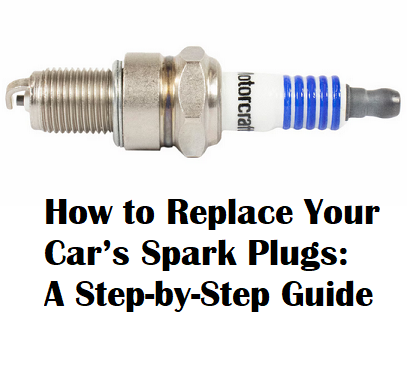
Are your car’s spark plugs causing trouble? Maybe your engine is misfiring, or you’re noticing a dip in fuel efficiency.
Don’t worry, you’re not alone. Spark plugs are small but mighty components crucial for your vehicle’s performance. Over time, they can wear out, affecting your car’s health and your peace of mind. Understanding how to fix them can save you time, money, and a trip to the mechanic.
Imagine driving with the confidence that your car will perform at its best. Fixing spark plugs yourself is easier than you might think, and it can make a significant difference in your driving experience. This guide will walk you through the process, step by step, ensuring you can tackle the task with ease and confidence. Let’s get started on bringing your car back to its optimal performance!
Signs Of Faulty Spark Plugs
Faulty spark plugs can quietly sabotage your vehicle’s performance, often leaving you puzzled about the root cause. Recognizing the signs early can save you from costly repairs and frustrating breakdowns. Let’s look at some clear symptoms that indicate your spark plugs might need attention.
Engine Misfires
Does your engine suddenly jerk or feel like it’s skipping beats? This is a common sign of spark plug trouble. Misfires happen when the spark plug fails to ignite the fuel-air mixture properly, causing your engine to run unevenly.
You might notice a loss of power or hear unusual noises during acceleration. Ignoring these misfires can harm your catalytic converter, leading to even bigger expenses.
Poor Fuel Economy
Are you filling up your tank more often than usual? Worn or dirty spark plugs can cause incomplete combustion, making your engine work harder to deliver the same power. This wastes fuel and hits your wallet.
Tracking your mileage regularly can help you spot this issue early. Have you ever checked if changing spark plugs improved your gas mileage? Many drivers see a noticeable difference after replacement.
Difficulty Starting
If your car struggles to start or takes longer than usual to roar to life, suspect the spark plugs. Faulty plugs may not create a strong enough spark to ignite the engine quickly. This delay can become frustrating, especially in cold weather.
Listen for a sluggish or labored crank when you turn the key. This symptom often points directly to spark plugs needing inspection or replacement. Have you experienced stubborn starts that suddenly cleared up after changing your plugs?

Credit: www.youtube.com
Tools And Materials Needed
Fixing spark plugs requires specific tools and materials. These help remove old plugs safely and install new ones correctly. Using the right items prevents damage to your engine and spark plugs.
Prepare all tools before starting. Having them ready makes the job faster and easier. Here are the essential tools and materials you need.
Spark Plug Socket
A spark plug socket fits tightly around the spark plug. It usually has a rubber insert to hold the plug firmly. This socket helps remove and install spark plugs without slipping or breaking.
Ratchet Wrench
A ratchet wrench works with the spark plug socket. It provides the leverage needed to loosen or tighten plugs. The ratchet mechanism allows quick turning without removing the tool from the plug.
Gap Gauge
A gap gauge measures the space between the spark plug electrodes. Correct gap size ensures proper spark and engine performance. Adjust the gap by bending the electrode gently with the gauge tool.
Dielectric Grease
Dielectric grease protects spark plug boots from moisture and corrosion. It also makes removing plugs easier in the future. Apply a small amount to the inside of each plug boot before installation.
Locating And Removing Spark Plugs
Locating and removing spark plugs is an essential skill for any car owner wanting to maintain their vehicle’s performance. Knowing exactly where your spark plugs sit and how to safely take them out can save you time and money. Let’s break down the process so you can approach it with confidence.
Identifying Spark Plug Positions
First, open your car’s hood and locate the engine. Spark plugs are usually found on the cylinder head. Depending on your engine type, they might be arranged in a line or in a V shape.
Look for thick wires or ignition coils connected to the engine block—these lead directly to the spark plugs. If you’re unsure, your vehicle’s manual will show a clear diagram.
Disconnecting Spark Plug Wires
Before removing the plugs, you need to disconnect the spark plug wires or ignition coils. Grip the boot firmly and pull straight out to avoid damaging the wire.
Never pull on the wire itself; this can cause internal damage that might lead to misfires later. If the wires feel stuck, gently twist the boot back and forth to loosen it.
Removing Old Spark Plugs
Use a spark plug socket attached to a ratchet wrench to unscrew the old plugs. Turn counterclockwise slowly to avoid stripping the threads.
If a plug feels stuck, apply a little penetrating oil and wait a few minutes before trying again. Removing spark plugs carefully ensures you don’t damage the engine’s cylinder head.
Inspecting Spark Plugs
Inspecting spark plugs is a key step in keeping your engine running smoothly. Proper inspection helps spot issues early and prevents bigger problems. A close look reveals wear, damage, and deposits that affect performance.
Clean and well-maintained spark plugs improve fuel efficiency and engine power. Use simple tools and good lighting for a thorough check. Take your time to examine each part carefully.
Checking For Wear And Damage
Look closely at the spark plug’s metal parts. Check the electrode for erosion or rounding. Inspect the ceramic insulator for cracks or chips. Broken or worn parts need replacement to avoid misfires.
Signs of damage include:
- Burn marks or discoloration
- Corrosion on metal surfaces
- Cracked or broken ceramic
Evaluating Carbon Deposits
Carbon buildup blocks the spark and lowers engine efficiency. Look for black, dry soot on the electrode and insulator. Light deposits can be cleaned with a wire brush. Heavy deposits suggest fuel issues or incorrect spark plugs.
Check for:
- Dry, black soot indicating rich fuel mix
- Oily deposits signaling oil leaks
- Hard, crusty carbon needing replacement
Measuring Electrode Gap
The electrode gap controls spark strength and timing. Use a feeler gauge to measure the gap precisely. Compare the measurement to your vehicle’s specifications. Adjust the gap carefully by bending the side electrode.
Correct gap size:
| Vehicle Type | Gap Size (mm) |
|---|---|
| Small cars | 0.6 – 0.7 |
| Mid-size cars | 0.7 – 0.8 |
| Trucks and SUVs | 0.8 – 1.0 |
Proper gap ensures efficient combustion and smooth starts.
Preparing New Spark Plugs
Preparing new spark plugs is a key step before installation. Proper preparation ensures better engine performance and longer spark plug life. Taking time to check and treat the spark plugs helps avoid common issues.
Setting The Correct Gap
The spark plug gap affects engine efficiency and ignition. Use a gap tool to measure the distance between the center and side electrodes. Compare the gap to your vehicle’s specifications found in the owner’s manual.
Adjust the gap by gently bending the side electrode. Too small or too large a gap causes misfires or poor fuel economy. Check the gap again after adjustment for accuracy.
Applying Dielectric Grease
Dielectric grease protects the spark plug from moisture and corrosion. Apply a small amount of grease on the inside of the spark plug boot. This prevents electrical shorts and makes future removal easier.
Do not apply grease on the spark plug threads or electrode. Use only a thin layer inside the boot to ensure good electrical contact and protection.

Credit: www.youtube.com
Installing New Spark Plugs
Installing new spark plugs is a crucial step to keep your engine running smoothly. It’s more than just swapping old parts; it’s about ensuring each plug fits perfectly and functions reliably. Taking your time here can prevent costly repairs and improve your vehicle’s performance immediately.
Hand Threading To Avoid Damage
Start by carefully threading the spark plug into the cylinder head by hand. This reduces the risk of cross-threading, which can permanently damage the engine block. You’ll feel the plug naturally screw in when aligned correctly—if there’s resistance, back out and try again.
Think about this: how often do you rush this step and end up with stripped threads? Hand threading gives you control and prevents that common mistake. It’s a simple act that protects your investment in new spark plugs.
Tightening To Proper Torque
Once the spark plug is hand-threaded, use a torque wrench to tighten it to the manufacturer’s specified torque. Over-tightening can crack the plug or damage the threads, while under-tightening can cause poor engine performance or even plug ejection.
Check your vehicle manual for the exact torque value—usually measured in foot-pounds or Newton-meters. If you don’t have a torque wrench, snug the plug firmly and then give it a small additional turn, but a torque wrench is the safest bet to avoid guesswork.
Reconnecting Spark Plug Wires
Reconnecting spark plug wires is a crucial step in fixing your spark plugs. If the wires aren’t properly connected, your engine won’t run smoothly, and you might experience misfires or a rough idle. Taking the time to reconnect them carefully can save you from future headaches and improve your car’s performance.
Ensuring Secure Connections
Each spark plug wire must fit snugly onto the spark plug and the ignition coil or distributor. Loose connections cause electrical resistance, leading to weak sparks and poor engine performance.
When reconnecting, push the wire firmly until you hear or feel a click. This confirms the wire is seated correctly. If your wires have boots, check them for cracks or wear that might prevent a secure fit.
Have you noticed your engine stalling occasionally? It might be a loose wire. Double-checking each connection can often fix this simple but frustrating issue.
Preventing Crossed Wires
Connecting spark plug wires to the wrong terminals causes misfires and engine trouble. Each wire is designed for a specific cylinder, and mixing them up disrupts the firing order.
Label wires before disconnecting or take a photo for reference. This helps ensure you reconnect them in the correct order.
Wiring diagrams in your vehicle’s manual can guide you, but physical labels or photos are easier to follow under the hood. Have you ever reconnected wires only to find the engine running worse? Crossed wires are often the culprit.

Credit: www.acg.aaa.com
Testing Engine Performance
Testing engine performance after fixing spark plugs is essential to ensure your vehicle runs efficiently and smoothly. This step helps confirm that the spark plugs are firing correctly and that the engine responds well to the repair. Pay close attention to how the engine behaves in different conditions to catch any hidden issues early.
Starting The Engine
Turn the key and listen carefully as your engine starts. A healthy engine should crank quickly and ignite without hesitation. If you notice any delayed starts or unusual sounds like sputtering or coughing, it could indicate that the spark plugs still need attention.
Try starting the engine a few times to see if it maintains consistent ignition. If the engine struggles only on cold starts but runs fine afterward, it might be a sign of spark plugs that are partially worn.
Listening For Smooth Operation
Once the engine is running, focus on the sound it makes. A smooth and steady hum usually means the spark plugs are firing properly. However, if you hear misfires, rough idling, or uneven RPMs, the plugs might be dirty or incorrectly gapped.
Pay attention to how the engine sounds when you accelerate. Hesitation or backfiring during acceleration often points to spark plug problems affecting combustion. Fixing these issues quickly can save you from bigger engine troubles down the road.
Monitoring Fuel Efficiency
After fixing the spark plugs, watch how your fuel consumption changes. Spark plugs that work well help your engine burn fuel more efficiently. If you notice your gas mileage improving, it’s a clear sign your repair was successful.
Conversely, if your fuel efficiency drops or stays the same, it might be time to double-check your spark plugs or look for other engine issues. Keeping an eye on mileage helps you catch problems before they affect your wallet too much.
Maintenance Tips For Spark Plugs
Maintaining spark plugs helps your engine run smoothly and saves money on repairs. Simple care keeps them working well and avoids poor performance. Follow these tips to extend spark plug life and improve fuel efficiency.
Regular Inspection Intervals
Check spark plugs every 20,000 to 30,000 miles or as your vehicle manual suggests. Look for signs of wear, such as cracks, corrosion, or buildup. Regular checks catch problems early and prevent engine misfires.
Cleaning Techniques
Remove dirt and carbon deposits gently using a wire brush or spark plug cleaner. Avoid using harsh tools that can damage the electrode. Clean plugs restore proper spark and improve combustion efficiency.
When To Replace
Replace spark plugs if you notice persistent misfires, rough idling, or poor fuel economy. Also change them if the electrode is worn or the gap is too large. Fresh spark plugs ensure reliable engine starts and smooth driving.
Frequently Asked Questions
How Do I Know If Spark Plugs Need Fixing?
You may notice engine misfires, rough idling, or poor fuel economy. Visual inspection shows worn or fouled plugs. These signs indicate spark plugs need fixing or replacement.
What Tools Are Required To Fix Spark Plugs?
You need a spark plug socket, ratchet wrench, torque wrench, and a gap gauge. These tools help safely remove and install spark plugs correctly.
Can I Fix Spark Plugs Without Professional Help?
Yes, fixing spark plugs is a simple DIY task with basic tools. Follow safety steps and vehicle-specific instructions to avoid damage.
How Often Should Spark Plugs Be Replaced?
Most spark plugs last 30,000 to 100,000 miles, depending on type and vehicle. Regular checks ensure optimal engine performance and fuel efficiency.
Conclusion
Fixing spark plugs improves your vehicle’s performance and fuel efficiency. Regular checks help avoid engine problems and save money. Use the right tools and follow safety steps carefully. Take your time and work methodically for best results. A small effort now prevents bigger issues later.
Keep your car running smooth and strong. Simple maintenance goes a long way. You can handle spark plug fixes with confidence and ease.





