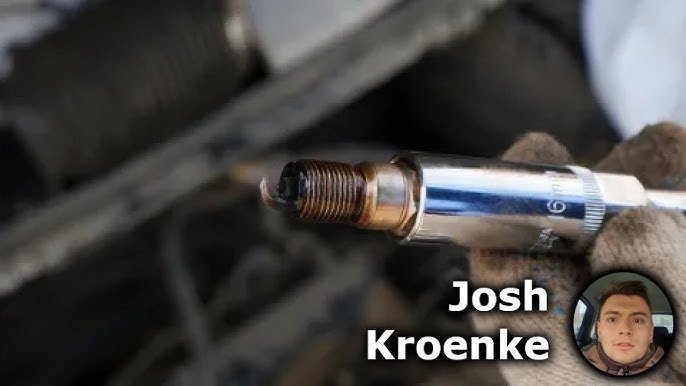
Finding oil on your spark plugs can be alarming. You might wonder what it means for your vehicle and how it affects its performance.
You’re not alone in this concern; many drivers face this issue. The good news is that you can fix it. This guide will walk you through the simple steps to identify and resolve the problem. By understanding the causes and solutions, you can ensure your engine runs smoothly and efficiently.
Ready to learn how to tackle this common automotive issue? Let’s dive in and get your vehicle back on track!

Credit: www.reddit.com
Causes Of Oil On Spark Plugs
Oil on spark plugs can cause engine misfires and poor performance. Understanding the causes helps fix the problem quickly. Oil reaches spark plugs for several reasons. Some are due to worn or damaged engine parts. Others happen because of improper oil levels. Identifying the cause prevents further engine damage and keeps your car running smoothly.
Worn Valve Cover Gaskets
Valve cover gaskets seal the top of the engine. Over time, these gaskets wear out or crack. This allows oil to leak onto the spark plugs. Oil leaks here can cause misfires and rough engine running. Replacing worn gaskets often stops the oil from reaching the plugs.
Damaged Piston Rings
Piston rings keep oil out of the combustion chamber. If these rings wear out or break, oil leaks inside. Oil then reaches the spark plugs during combustion. This causes fouling and weak sparks. Repairing or replacing damaged piston rings is needed to fix this issue.
Faulty Valve Seals
Valve seals prevent oil from entering the engine cylinders. When seals fail, oil drips into the combustion area. This oil coats the spark plugs and reduces engine power. Replacing bad valve seals stops oil from contaminating the plugs.
Overfilled Engine Oil
Too much engine oil causes excess pressure inside the engine. This pressure pushes oil into places it should not be. Spark plugs can get coated with oil due to overfilling. Checking and maintaining proper oil levels helps avoid this problem.
Signs Of Oil-contaminated Spark Plugs
Oil-contaminated spark plugs can quietly sabotage your engine’s performance. Recognizing the signs early helps you avoid bigger, costlier repairs. Let’s look at how oil on your spark plugs affects your vehicle and what symptoms you should watch out for.
Engine Misfires
Have you noticed your engine suddenly jerking or hesitating? Oil on spark plugs often causes misfires because it disrupts the spark needed for combustion. This means your engine struggles to ignite the fuel-air mixture properly, leading to rough performance.
Misfires can feel like a sudden loss of power while driving. If this happens frequently, it’s a strong hint your spark plugs might be fouled with oil.
Poor Fuel Economy
Is your gas tank emptying faster than usual? Oil-contaminated spark plugs can reduce fuel efficiency by causing incomplete combustion. Your engine ends up burning more fuel to compensate for the weak or inconsistent spark.
This problem often sneaks up on drivers. You might not immediately connect a drop in mileage to dirty spark plugs, but it’s worth checking if your fuel costs suddenly spike.
Rough Idling
Does your car shake or vibrate more than normal when idling? Oil on spark plugs creates an uneven firing pattern. This causes the engine to run roughly, especially noticeable when your vehicle is at a stop.
Rough idling can feel like your car is about to stall, which is not only annoying but also a safety concern. Pay attention if this happens regularly—it’s a red flag for oil fouling.
Difficulty Starting
Struggling to start your car can be frustrating, especially on cold mornings. Oil fouling on spark plugs can make ignition harder because the spark is weak or inconsistent. This means your engine may crank longer or fail to start at all.
Think about the last time your vehicle hesitated before firing up. Persistent starting problems often point to spark plug issues, and oil contamination is a common culprit.
Tools And Materials Needed
Fixing oil on your spark plugs requires the right set of tools and materials to get the job done efficiently and safely. Having everything ready before you start saves time and prevents frustration. Let’s look at the essential items you’ll need to tackle this common issue.
Socket Wrench Set
A reliable socket wrench set is a must-have for removing and installing spark plugs. These tools help you reach tight spots and apply the right amount of torque without damaging the plugs or engine parts. Make sure your set includes various sizes, especially one that fits your spark plugs snugly.
Have you noticed how a worn-out wrench can make a simple task frustrating? Investing in a quality socket wrench set can save you plenty of headaches during repairs.
Replacement Spark Plugs
Once you remove the oil-contaminated spark plugs, you’ll need new ones to restore proper engine function. Choose spark plugs that match your vehicle’s specifications exactly. Using the right plugs improves engine performance and fuel efficiency.
Think about the last time you ignored replacing a faulty part—did it cost you more in the long run? Don’t skip this step; fresh spark plugs make a world of difference.
Gasket Sealant
Oil on spark plugs often comes from a leaking valve cover gasket. To prevent future leaks, applying gasket sealant is essential when you replace the gasket. This sealant creates a tight barrier to stop oil from seeping into places it shouldn’t.
Choosing the correct gasket sealant can be confusing, but picking one designed for high temperatures and automotive use ensures durability and a proper seal.
Cleaning Supplies
Before installing new spark plugs, clean the spark plug wells and surrounding areas to remove any oil residue. Use brake cleaner or carburetor cleaner for effective degreasing. Have clean rags and a small brush handy to wipe away dirt and grime.
Skipping the cleaning process can cause the new spark plugs to foul quickly. Would you risk your engine’s health by installing parts over dirty surfaces? Take the time to clean thoroughly for lasting results.

Credit: www.reddit.com
Step-by-step Cleaning Process
Cleaning oil from spark plugs can restore engine performance and prevent misfires. The process requires careful handling and the right tools. Follow these clear steps to clean your spark plugs safely and effectively.
Remove The Spark Plugs
Start by disconnecting the spark plug wires. Use a spark plug socket and ratchet to loosen each plug. Turn counterclockwise carefully to avoid damage. Remove each plug and place them on a clean surface.
Clean The Oil Deposits
Use a wire brush or spark plug cleaner to remove oil and grime. Spray brake cleaner or carburetor cleaner to break down oily residue. Gently scrub the electrode and insulator. Allow plugs to dry completely before moving on.
Inspect Spark Plug Condition
Check each spark plug for cracks, heavy wear, or damage. Look for burnt or eroded electrodes. If the plug looks bad, replacement is better than cleaning. Good condition plugs can be reused after cleaning.
Reinstall Or Replace Spark Plugs
Apply a small amount of anti-seize lubricant on the plug threads. Insert plugs back into their holes by hand to avoid cross-threading. Tighten with a socket wrench to the manufacturer’s torque specifications. Reconnect the spark plug wires securely.
Repairing Common Causes
Oil on spark plugs can cause misfires and poor engine performance. Fixing the common causes is the best way to prevent this issue from recurring. Understanding the root of the problem helps you avoid unnecessary parts replacement and saves time.
Replacing Valve Cover Gaskets
Valve cover gaskets prevent oil from leaking into the spark plug wells. Over time, these gaskets can crack or wear out, allowing oil to seep through. You might notice oil pooling around the spark plugs or a strong smell of burning oil.
Replacing the valve cover gasket is usually straightforward. Remove the valve cover, clean the area, and install a new gasket. Make sure to tighten the bolts evenly to avoid future leaks.
Fixing Valve Seals
Valve seals keep oil from leaking into the combustion chamber. Worn or damaged seals can cause oil to coat the spark plugs and foul them. You may experience blue smoke from the exhaust, especially during startup or acceleration.
Fixing valve seals requires removing the cylinder head or using a specialized tool. It’s a bit more complex but essential for stopping oil contamination. If you’ve noticed oil consumption increasing, this is a likely cause to check.
Addressing Piston Ring Issues
Piston rings seal the combustion chamber and prevent oil from entering it. Damaged or worn rings allow oil to pass by, which can foul spark plugs quickly. This issue often comes with loss of compression and reduced engine power.
Repairing piston rings involves a more extensive engine teardown. If you have persistent oil on spark plugs despite fixing gaskets and seals, piston rings might be the culprit. Testing engine compression can help you decide if this is the problem.
Correcting Oil Levels
Too much oil in the engine can cause it to seep into places it shouldn’t, including spark plug wells. Check your oil level regularly with the dipstick to avoid overfilling. Overfilled oil can lead to pressure buildup and leaks.
If you find the oil level is high, drain the excess immediately. Keeping the oil at the recommended level helps maintain proper engine function and prevents oil from reaching the spark plugs.
Preventive Measures
Preventing oil from fouling your spark plugs is easier than fixing the problem after it starts. Taking simple, regular steps can keep your engine running smoothly and avoid costly repairs. Let’s look at how you can protect your spark plugs and maintain your engine’s health.
Regular Maintenance Checks
Checking your vehicle regularly helps catch issues before they get serious. Look for signs of oil leaks around the valve cover and spark plug wells during your routine inspections. Catching a leak early can save you from having to clean or replace spark plugs frequently.
Have you noticed unusual smoke or a drop in fuel efficiency? These can be clues to oil problems affecting your spark plugs. Make it a habit to inspect these areas every few thousand miles or as recommended in your car’s manual.
Using Quality Engine Oil
The type of oil you use impacts how well your engine seals and spark plugs perform. High-quality engine oil reduces wear and prevents sludge buildup that can cause leaks. If you use cheaper oil, you might save money upfront but face more frequent spark plug issues.
Choose oils that meet your manufacturer’s specifications and change them on time. Think about the last time you switched your oil—could using a better brand have prevented spark plug fouling?
Timely Replacement Of Seals And Gaskets
Worn seals and gaskets are common culprits behind oil leaking onto spark plugs. These parts may seem small but play a big role in keeping oil where it belongs. Ignoring their condition can lead to repeated oil contamination and engine misfires.
Replace these components as soon as you notice oil seepage or during major service intervals. Have you ever delayed gasket replacement only to face a bigger repair bill later?
Monitoring Engine Performance
Pay attention to how your engine runs. Rough idling, misfires, or difficulty starting can signal oil fouling on spark plugs. Use diagnostic tools or visit a mechanic to check your engine’s health periodically.
Keeping an eye on performance helps you act fast before damage spreads. What’s the last warning sign your engine gave you that you almost missed?

Credit: www.reddit.com
Frequently Asked Questions
What Causes Oil On Spark Plugs?
Oil on spark plugs usually comes from worn valve seals or piston rings. This allows oil to leak into the combustion chamber. It can also result from a damaged gasket or excessive engine wear. Identifying the source is essential for effective repair.
How To Clean Oil Off Spark Plugs?
To clean oil off spark plugs, remove them carefully first. Use a wire brush or spark plug cleaner to remove oil deposits. Avoid harsh chemicals that can damage the plug. Cleaning restores proper spark and improves engine performance.
Can Driving With Oily Spark Plugs Damage My Engine?
Yes, driving with oily spark plugs can cause misfires and poor fuel efficiency. It may also lead to engine knocking and increased emissions. Promptly addressing oily spark plugs helps prevent costly engine damage and maintains smooth operation.
How To Prevent Oil From Reaching Spark Plugs?
Regularly check and replace valve seals and piston rings if needed. Maintain proper engine oil levels and change oil on schedule. Inspect gaskets for leaks and repair them promptly. Good maintenance reduces oil contamination on spark plugs.
Conclusion
Fixing oil on spark plugs helps your engine run smoothly. Check the cause carefully to avoid future problems. Clean or replace the spark plugs as needed. Keep up with regular car maintenance to stay safe. Small steps now save costly repairs later.
Stay patient and follow the right process. Your car will thank you with better performance and fuel efficiency. Simple care makes a big difference.





