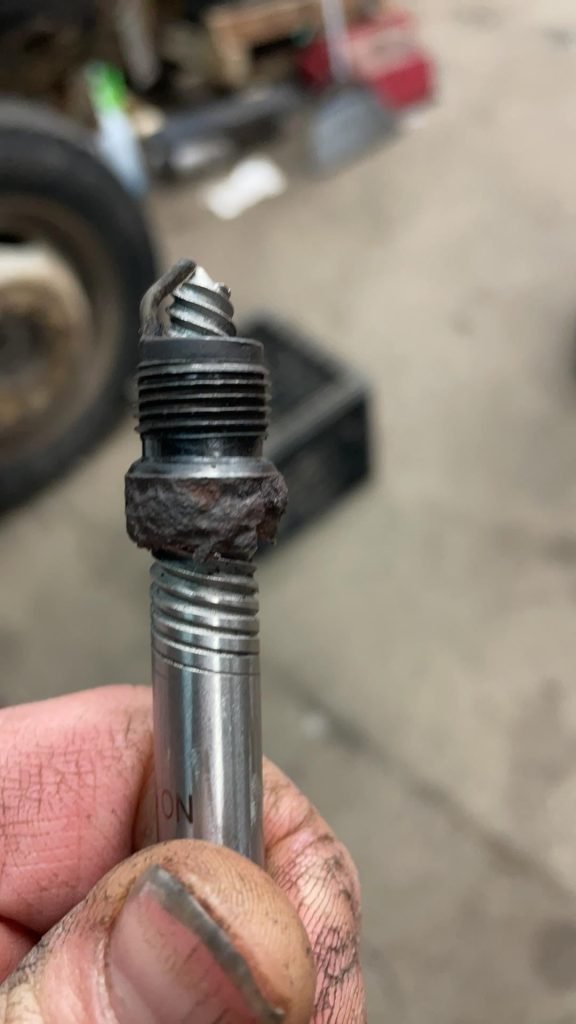
Struggling with a broken spark plug can be a real headache, especially when it disrupts your plans and your vehicle’s performance. You’ve likely found yourself staring at a stubborn piece of metal, wondering how in the world you’re going to fix this.
Don’t worry; you’re not alone, and you’re definitely in the right place. This guide is tailored for you, providing clear, step-by-step instructions to safely extract that broken spark plug without causing further damage. By the end of this article, you’ll feel empowered and ready to tackle this challenge with confidence.
So, if you’re eager to get your vehicle back on the road and running smoothly, keep reading!

Credit: www.bmwlt.com
Signs Of A Broken Spark Plug
Recognizing the signs of a broken spark plug is important for vehicle maintenance. A damaged spark plug affects engine performance and fuel efficiency. Early detection can prevent further engine problems and costly repairs.
Engine Misfires And Rough Idling
A broken spark plug often causes the engine to misfire. The engine may run unevenly or shake during idling. This happens because the spark plug cannot ignite fuel properly.
Difficulty Starting The Engine
Starting the engine might take longer than usual. A broken spark plug can fail to create the spark needed to start the combustion process. This leads to slow or failed starts.
Reduced Fuel Efficiency
You may notice that your fuel lasts shorter than before. A damaged spark plug causes incomplete fuel burning. This wastes fuel and reduces miles per gallon.
Loss Of Power And Acceleration
The vehicle may feel weak or slow when accelerating. Broken spark plugs cause poor combustion, leading to less engine power. This makes driving less smooth and responsive.
Unusual Engine Noises
Listen for popping or knocking sounds from the engine. These noises can indicate a broken spark plug. Faulty plugs disrupt normal engine operation and cause abnormal sounds.
Check Engine Light Illumination
The check engine light may turn on unexpectedly. A broken spark plug can trigger this warning light. It signals a problem that needs attention.
Credit: www.odyclub.com
Tools Needed For Extraction
Extracting a broken spark plug needs the right tools. Using proper tools makes the job easier and safer. A few basic items help you remove the broken piece without causing damage.
Prepare these tools before starting. They ensure a smooth and efficient extraction process. Each tool has a specific role to play in the task.
Socket Wrench Set
A socket wrench set is essential for loosening and tightening parts. Use a spark plug socket that fits snugly around the plug. This tool helps you turn the plug without slipping.
Broken Spark Plug Extractor
This special extractor is designed to grip and remove broken plugs. It has reverse threads that bite into the plug’s metal. It works well on plugs stuck inside the engine.
Pliers Or Vice Grips
Pliers or vice grips help you grip the broken spark plug firmly. Use them to turn or pull the plug out carefully. They offer extra leverage when the plug is stuck.
Penetrating Oil
Penetrating oil loosens rust and debris around the broken plug. Spray it and wait a few minutes before trying to remove the plug. It reduces the risk of damaging the threads.
Tap And Die Set
A tap and die set cleans and repairs damaged threads in the spark plug hole. Use it after removing the broken plug to prepare for a new one. It ensures a proper fit for the new spark plug.
Preparing The Engine
Preparing your engine before extracting a broken spark plug is crucial for a smooth and safe process. Taking the right steps can prevent electrical shocks, avoid dirt falling into the cylinder, and make the removal easier. It might seem like extra work, but trust me—these small preparations save you from bigger headaches later on.
Disconnecting The Battery
Before you touch anything under the hood, disconnect your vehicle’s battery. This cuts off the electrical power and keeps you safe from accidental sparks or shocks while working near the spark plugs.
Use a wrench to loosen the negative terminal first, then the positive one. Keep the cables away from the battery posts to avoid accidental reconnection.
Have you ever felt a sudden jolt while working on your car? That usually happens when the battery isn’t disconnected. Avoid that shock—it’s not just painful but can also damage sensitive electronics in your vehicle.
Cleaning The Spark Plug Area
Dirt and debris around the spark plug hole can easily fall inside the engine once you remove the broken piece. To prevent this, clean the area thoroughly using a soft brush or compressed air.
Make sure to remove any grease, dust, or leaves from the spark plug well. This simple step keeps your engine cylinder free from contaminants that could cause damage or reduce performance.
Spend a few minutes on this, and you’ll thank yourself when the extraction process goes smoothly without unexpected dirt falling inside. It might feel tedious, but it’s a small effort with big payoffs.
Removing The Broken Spark Plug
Removing a broken spark plug can be tricky. The broken part may be stuck inside the engine. Careful handling is important to avoid damage. Using the right tools helps make the process easier. Patience and steady hands are key to success.
Using A Spark Plug Extractor
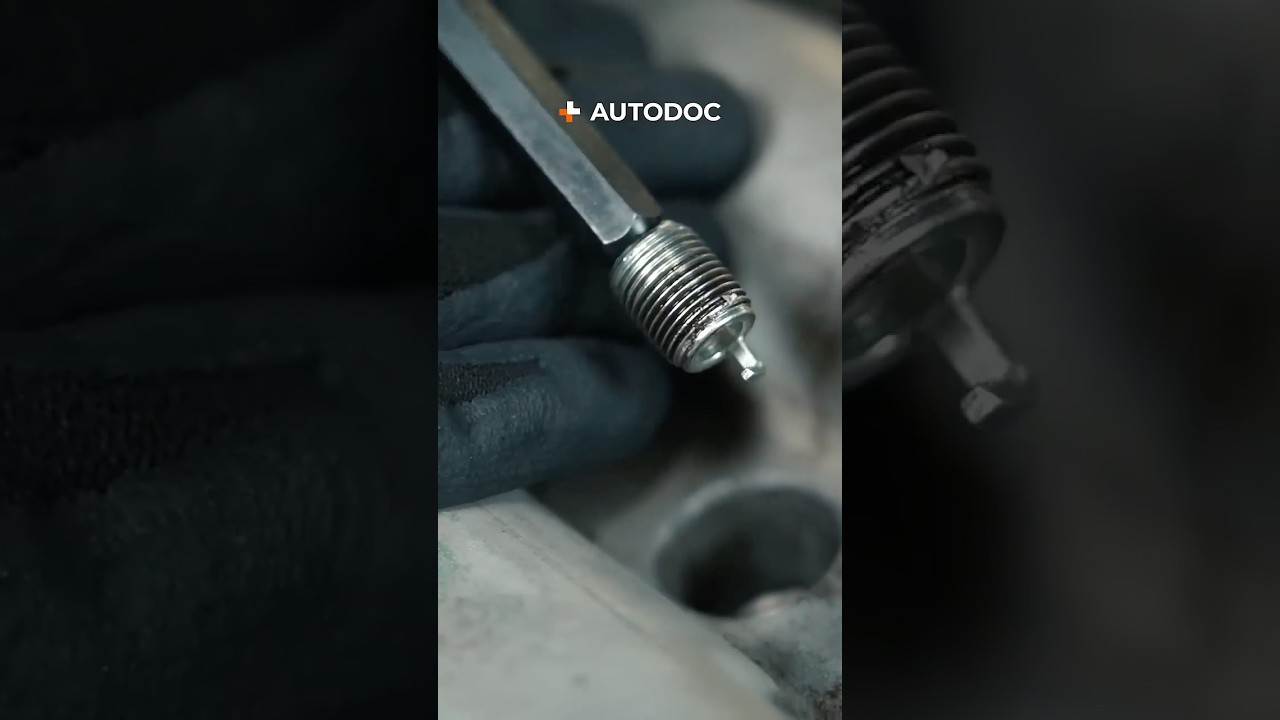
A spark plug extractor is a special tool made for this job. It grips the broken piece securely. Start by cleaning the area around the broken plug. Insert the extractor carefully into the spark plug hole. Turn it slowly counterclockwise to loosen the broken plug. Keep steady pressure to avoid slipping. Once loose, pull the broken plug out gently.
Alternative Methods For Stuck Plugs
Some broken plugs may not come out easily with an extractor. Try tapping around the plug hole with a rubber mallet. This can help loosen rust or debris. Another method is using penetrating oil. Spray it into the hole and wait about 15 minutes. Use pliers or locking grips to twist the broken piece. Heat around the plug hole carefully with a heat gun. This expands the metal and can free the stuck plug. Always work slowly to prevent damage.
Dealing With Common Challenges
Extracting a broken spark plug can quickly turn tricky, especially when common challenges arise. These hurdles often test your patience and skill. Understanding how to handle these issues can save you time and prevent costly damage to your engine.
Handling Stripped Threads
Stripped threads are one of the most frustrating problems during spark plug removal. If the spark plug won’t budge or spins freely, the threads might be damaged. You need to act carefully to avoid worsening the situation.
Start by cleaning the area with a thread chaser or tap to remove debris. This can sometimes restore enough grip to extract the plug. If that doesn’t work, try using a rubber band between the spark plug and the socket to improve traction.
Have you ever tried using an easy-out tool? They can help grip the broken plug, but applying too much force risks cracking the cylinder head. Patience and gentle tapping often work better than brute strength here.
Avoiding Damage To The Cylinder Head
The cylinder head is delicate and expensive to fix if damaged. While removing a broken spark plug, your main goal is to protect this part at all costs.
Use penetrating oil and let it soak for a while before attempting removal. This softens rust and corrosion, reducing the force needed. Also, avoid using power tools directly on the plug, as they can cause sudden jerks or slips.
Do you keep a torque wrench handy? It’s essential for reinstalling plugs properly, preventing over-tightening that can strip threads or crack the head. Taking your time and using the right tools makes all the difference in preserving your engine’s health.
Credit: www.youtube.com
Installing A New Spark Plug
Installing a new spark plug is crucial after removing a broken one. It ensures your engine runs smoothly and efficiently. A poorly installed spark plug can cause misfires, reduce fuel efficiency, and even damage your engine over time.
Choosing The Right Replacement
Not all spark plugs are the same. You need to select one that matches your vehicle’s make, model, and engine type.
Check your owner’s manual or consult online databases for the exact specifications. Pay attention to the heat range, thread size, and gap setting.
Using the wrong spark plug can lead to overheating or poor combustion. Have you ever wondered why some spark plugs last longer than others? The right fit plays a huge role.
Proper Installation Techniques
Start by cleaning the spark plug hole to remove any debris or oil. This helps prevent contamination and ensures a tight fit.
Apply a small amount of anti-seize compound on the spark plug threads. This makes future removal easier without causing damage.
Carefully thread the spark plug in by hand to avoid cross-threading. Once snug, use a torque wrench to tighten it to the manufacturer’s recommended setting.
Over-tightening can strip the threads, while under-tightening can cause poor contact. Have you ever tightened a spark plug only to find it loose later? Proper torque prevents that.
Testing And Final Checks
After successfully removing a broken spark plug and installing a new one, the next step is to ensure everything functions correctly. Testing and final checks help you confirm that your engine runs smoothly and safely. Skipping this stage could lead to unnoticed problems that may cause bigger issues later.
Starting The Engine
Before you start the engine, double-check that the spark plug is properly tightened and connected. Loose installation can cause misfires or damage to the engine block.
Turn the ignition key and listen carefully. Does the engine crank smoothly without hesitation or unusual sounds? If it struggles or makes strange noises, it might indicate an improper spark plug fit or other issues.
Checking For Leaks Or Issues
Once the engine is running, look closely around the spark plug area for any signs of leaks or smoke. Fuel or oil leaks can signal a poor seal or a damaged thread.
Also, keep an eye on your dashboard for warning lights. A check engine light after spark plug replacement can mean the sensor is detecting a problem.
Ask yourself: Does the engine feel more responsive? Is there any rough idling or sputtering? If yes, you might need to recheck the installation or consult a professional.
Frequently Asked Questions
How Do You Safely Remove A Broken Spark Plug?
First, disconnect the battery and clean the area around the plug. Use a spark plug extractor tool carefully to avoid damaging the threads. Apply penetrating oil and turn slowly to loosen the broken piece. Always work gently to prevent further breakage.
What Tools Are Needed To Extract A Broken Spark Plug?
You need a spark plug extractor, penetrating oil, socket wrench, and a screwdriver. A magnetic pickup tool helps retrieve broken pieces. Protective gloves and safety glasses are essential. Having the right tools ensures safe and efficient removal without damaging the engine.
Can I Extract A Broken Spark Plug Without A Mechanic?
Yes, with the right tools and patience, you can extract it yourself. Follow safety steps and use a spark plug extractor tool. However, if unsure, consult a professional to avoid engine damage. DIY extraction saves money but requires careful handling.
Why Does A Spark Plug Break Inside The Cylinder?
Spark plugs break due to overtightening, corrosion, or improper installation. Engine vibrations and wear over time also cause breakage. Using the wrong spark plug size increases risk. Regular maintenance helps prevent such issues and ensures engine health.
Conclusion
Extracting a broken spark plug takes patience and the right tools. Follow each step carefully to avoid damage. Take your time and work slowly. Clean the area well before starting. Remember, safety comes first—wear gloves and eye protection. With practice, this task becomes easier.
Your engine will run better once the spark plug is fixed. Keep your tools ready for future needs. Small repairs like this save money and time. You can handle this job confidently with the tips shared here.





