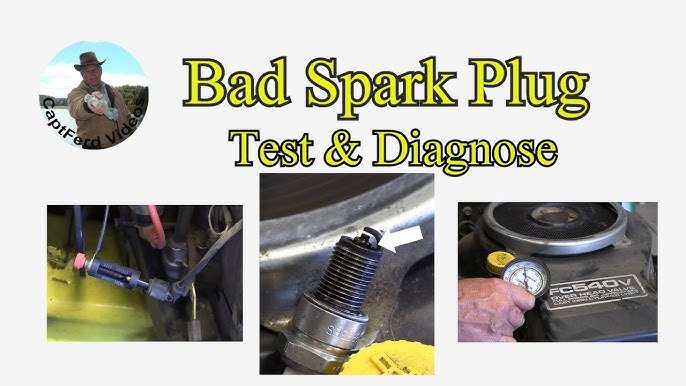
Is your lawn mower struggling to start or running rough? The problem might be hiding in a small but vital part: the spark plug.
Knowing how to diagnose mower spark plug issues can save you time, money, and frustration. You’ll learn simple, step-by-step tips to check your spark plug and get your mower back to working smoothly. Keep reading—you’re just a few easy steps away from fixing the problem yourself!

Credit: www.reddit.com
Signs Of A Faulty Spark Plug
A faulty spark plugcan cause many engine problems. One common sign is engine misfires. The engine may jerk or stop suddenly during use.
Difficulty startingthe mower is another clear sign. The engine might turn slowly or not start at all.
Poor fuel efficiency happens because the spark plug does not ignite the fuel properly. This leads to wasted fuel and higher costs.
Rough idlingmeans the engine shakes or runs unevenly when it is not moving. This can damage other parts of the mower.
Tools Needed For Diagnosis
Several toolshelp check a mower’s spark plug issue. A spark plug wrenchfits the plug perfectly, allowing easy removal and installation.
A multimetertests the plug’s electrical resistance. It helps find if the plug is broken inside. A spark testershows if the spark plug fires correctly when the engine runs.
Cleaning supplieslike wire brushes and cloths remove dirt and carbon from the plug. Clean plugs work better and last longer.
| Tool | Use |
|---|---|
| Spark Plug Wrench | Remove and install spark plug |
| Multimeter | Check electrical resistance |
| Spark Tester | See if spark fires properly |
| Cleaning Supplies | Clean dirt and carbon off plug |
Removing The Spark Plug
First, find the engine cover on your mower. The spark plug is usually under it. Look for a thick wire leading to the engine. This wire connects to the spark plug. Gently pull the wire to see the plug. It is often near the top or side of the engine.
- Turn off the mower and let it cool.
- Wear safety gloves to protect your hands.
- Use a spark plug socket to fit the plug.
- Turn the socket counterclockwise to loosen the plug.
- Once loose, gently remove the spark plug.
- Inspect the plug for damage or dirt.
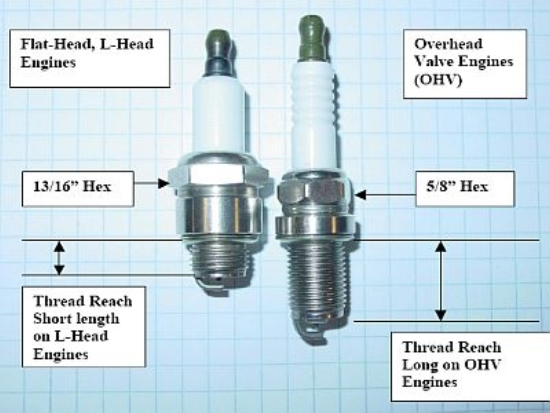
Credit: www.vanguardpower.com
Inspecting The Spark Plug
Check the spark plug for black carbon deposits. These deposits make the engine run poorly. Clean or replace the plug if deposits are heavy.
Look at the electrode. It should not be worn down or rounded. A worn electrode can cause weak sparks and hard starts.
Examine the spark plug for any cracks or damage. Cracks in the ceramic part or broken electrodes mean the plug must be replaced.
Testing Spark Plug Performance
A spark testerhelps check if the spark plug works well. Connect the tester between the spark plug and the ignition wire. Pull the starter cord and watch for a spark. A bright blue spark means the plug is good. A weak or no spark shows a problem with the plug or ignition system.
A multimetermeasures the plug’s resistance. Set the multimeter to the ohms setting. Touch the probes to the spark plug’s metal parts. A very high or infinite reading means the plug is bad. A low reading shows the plug is okay.

Credit: www.youtube.com
Cleaning And Maintenance Tips
Cleaning spark plugs helps your mower run smoothly. Deposits like dirt and oil block sparks. Use a wire brush or sandpaper to gently remove these deposits. Be careful not to damage the metal parts.
Gapping the spark plug means setting the right space between the electrodes. Use a spark plug gap tool to check the gap size. Adjust it to the size recommended in your mower’s manual. A wrong gap causes poor engine performance.
| When to Replace | Signs to Watch For |
|---|---|
| After 100 hours of use | Worn electrodes or heavy deposits |
| Engine misfires often | Sparking problems or rough running |
| Plug looks damaged | Cracks or broken insulator |
Reinstalling The Spark Plug
Reinstall the spark plug by threading it gently into the engine. Use your fingers first to avoid damage. Tighten the plug until it is snug but not too tight.
Proper tighteningis key. Too loose can cause poor performance. Too tight can damage the threads or the plug.
- Use a spark plug wrench or socket for better grip.
- Turn the plug until it seats firmly, then tighten about a quarter turn more.
Cross-threading happens when the plug is forced at an angle. This can ruin the engine threads and cause leaks.
- Start threading carefully by hand.
- Stop if you feel resistance and realign the plug.
- Never use power tools to tighten the plug.
Additional Quick Fixes
Check the ignition coilby looking for cracks or damage. A faulty coil can stop the spark plug from working. Use a multimeter to test the coil’s resistance. It should match the mower’s manual values.
Inspect the spark plug wirefor breaks or burns. A damaged wire can block the spark. Wiggle the wire and see if the mower sputters or dies. Replace the wire if it looks old or worn out.
Fuel system checkis important too. Old fuel can cause starting problems. Drain old gas and add fresh fuel. Check the fuel filter for dirt and replace it if clogged. Clean the carburetor if the engine runs rough.
Frequently Asked Questions
How To Tell If Mower Spark Plug Is Bad?
Check for hard starting, rough idling, or engine misfires. A bad spark plug causes weak spark or no spark. Inspect the plug for wear, carbon build-up, or damage. Replace if cleaning doesn’t improve mower performance.
What Tools Are Needed To Diagnose Spark Plug Issues?
You need a spark plug socket, spark tester, and a gap gauge. These tools help remove, test spark, and check gap size. Proper tools ensure accurate diagnosis and safe handling.
How To Test Mower Spark Plug Spark Strength?
Attach the spark tester to the spark plug wire. Crank the engine and observe spark color and intensity. A strong blue spark indicates good plug; weak or no spark means replacement is needed.
Why Does Mower Spark Plug Foul Quickly?
Fouling happens due to oil leaks, fuel mixture issues, or dirty air filters. Excess carbon or oil deposits coat the spark plug. Regular maintenance prevents fouling and ensures proper engine combustion.
Conclusion
Checking your mower’s spark plug is simple and saves time. Clean or replace the plug to keep your mower running well. Regular spark plug care helps avoid engine problems. Remember to inspect the plug often, especially before mowing season. A healthy spark plug means a smoother and easier start.
Keep your mower ready with these quick spark plug tips. Small steps make a big difference in mower performance. Stay safe and enjoy a well-running lawn mower all year.





