Are you ready to boost your car’s performance with a simple, yet often overlooked task? Learning how to close the gap on a spark plug can make a significant difference in your vehicle’s efficiency and longevity.
Imagine driving with smoother acceleration, better fuel economy, and reduced emissions—all achievable by mastering this one skill. You might think it’s a job for a mechanic, but with a little guidance, you can do it yourself. Feel empowered as you gain insight into the mechanics of your car and save money on unnecessary repairs.
Picture the satisfaction of resolving a problem on your own, while also ensuring your car runs at its best. By understanding and applying this simple technique, you’ll extend the life of your engine and enjoy a more reliable ride. Let’s dive in and explore how closing the gap on a spark plug can transform your driving experience.
Spark Plug Gap Basics
Understanding the basics of spark plug gap is essential before you dive into adjusting it. The gap refers to the distance between the center and ground electrode of the spark plug. This small space controls the spark’s strength and timing, which directly impacts your engine’s performance.
Why Gap Size Matters
Think about how a spark ignites the air-fuel mixture in your engine. If the gap is too wide, the spark might be weak or inconsistent, causing misfires or rough idling. On the other hand, a gap that’s too narrow can lead to incomplete combustion and reduced power.
Your engine’s efficiency and fuel economy depend heavily on having the correct gap. Too many people overlook this detail, but adjusting the gap can be the difference between a smooth ride and frustrating engine troubles. Have you ever experienced hesitation during acceleration? It might be your spark plug gap acting up.
Common Gap Measurements
Spark plug gaps vary based on the type of engine and vehicle. Most passenger cars use gaps between 0.028 and 0.060 inches (0.7 to 1.5 mm). High-performance engines often require different specifications, so always check your vehicle’s manual or manufacturer recommendations.
| Vehicle Type | Typical Gap Size (inches) | Typical Gap Size (mm) |
|---|---|---|
| Standard Passenger Cars | 0.028 – 0.044 | 0.7 – 1.1 |
| High-Performance Cars | 0.035 – 0.060 | 0.9 – 1.5 |
| Motorcycles & Small Engines | 0.020 – 0.030 | 0.5 – 0.8 |
Keeping your spark plug gap within the recommended range prevents premature wear and maximizes engine life. If you’re unsure about your vehicle’s gap, a quick search or consulting a mechanic can save you time and headaches. Have you checked your spark plugs recently?
Tools Needed For Gapping
Closing the gap on a spark plug requires the right tools for precise measurement and adjustment. These tools help ensure the spark plug operates efficiently. Using proper tools prevents damage and maintains engine performance.
Choosing the correct tool depends on your experience and the type of spark plug. Some tools offer more accuracy, while others provide ease of use. Understanding the differences helps you pick what fits best.
Feeler Gauge
A feeler gauge is the most common tool for measuring spark plug gaps. It consists of thin metal blades of different thicknesses. You slide these blades between the electrodes to check the gap size.
The feeler gauge gives a quick and accurate reading. It helps you see if the gap is too wide or too narrow. Using it ensures the spark plug fires correctly.
Gap Tool Types
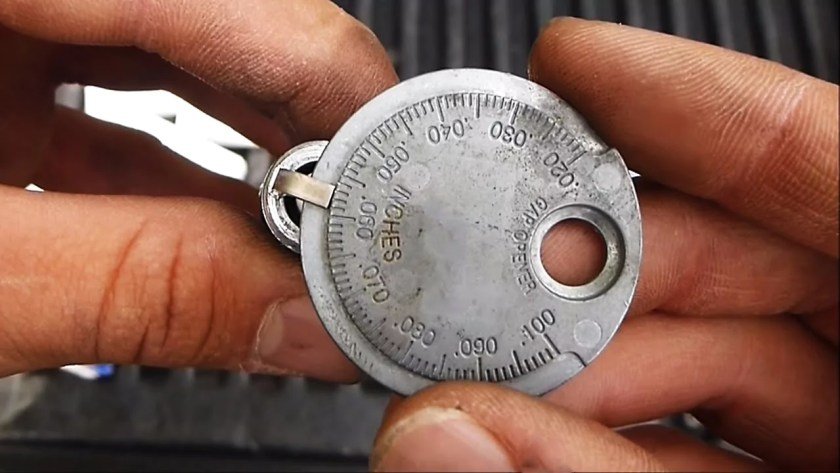
Several gap tools exist beyond the feeler gauge. These include wire-type gap tools and coin-style gap tools. Wire-type tools have different diameter wires to measure the gap.
Coin-style tools are flat and slot-shaped, offering a simple way to check gap size. Both types allow you to adjust the gap by bending the ground electrode carefully.
Other Helpful Tools
- Pliers:Use soft-jaw pliers to bend the electrode without damage.
- Magnifying Glass:Helps inspect the spark plug for cracks or wear.
- Cleaning Brush:Removes dirt and carbon buildup before gapping.
These tools support the gapping process, making it easier and safer. Proper care with these tools extends spark plug life and boosts engine efficiency.
Preparing The Spark Plug
Preparing the spark plug is a key step before closing the gap. It ensures the plug works properly and lasts longer. Careful preparation helps avoid engine problems and improves performance.
Cleaning The Electrode
Start by removing dirt and carbon from the electrode. Use a wire brush or spark plug cleaner for best results. Clean both the center and ground electrodes thoroughly. Avoid damaging the metal parts during cleaning. A clean electrode helps the spark jump easily and evenly.
Inspecting For Damage
Look closely at the spark plug for cracks or wear. Check the ceramic insulator for chips or breaks. Examine the electrodes for erosion or bending. Replace the spark plug if any damage is found. Using a damaged plug can cause misfires and poor engine performance.
Measuring The Gap
Measuring the gap on a spark plug is a crucial step to ensure your engine runs smoothly and efficiently. The gap affects the spark’s strength and timing, which directly impacts combustion. Accurate measurement helps you avoid misfires, poor fuel economy, and rough idling.
Using A Feeler Gauge Correctly
A feeler gauge is the most reliable tool for measuring spark plug gaps. It consists of thin metal blades of different thicknesses labeled with precise measurements. To use it, gently slide the appropriate blade between the spark plug’s center electrode and ground electrode.
Don’t force the blade in; it should fit snugly with slight resistance. If it’s too loose or tight, you’ll know the gap is off. Keep your hands steady, and avoid bending the electrodes while checking the gap.
Interpreting Measurement Results
Once you’ve measured the gap, compare it to the specifications provided by your vehicle’s manufacturer. These specs are usually in thousandths of an inch or millimeters. For example, a typical gap might be 0.035 inches, but double-check your owner’s manual or spark plug packaging.
If the gap is too wide, your spark might be weak or inconsistent. If it’s too narrow, the spark could be too small to ignite the fuel-air mixture properly. Adjust the gap carefully using a gapping tool, then re-measure to confirm accuracy.
Have you ever ignored the gap size and noticed engine problems afterward? Measuring it precisely can save you from costly troubleshooting later on. Getting this right means your engine fires perfectly every time.
Adjusting The Spark Plug Gap
Adjusting the spark plug gap is a simple yet essential task that directly affects your engine’s performance. The gap must be precise to ensure efficient combustion and smooth operation. Too wide or too narrow, and you risk misfires or poor fuel economy.
Closing The Gap Safely
Before you start, make sure your spark plug is clean and cool. Dirt or heat can cause inaccurate adjustments or damage. Use a proper spark plug gap tool; feel the resistance as you gently bend the ground electrode toward the center electrode.
Apply small, controlled pressure. You want to close the gap gradually—not forcefully. Sudden bends can crack the ceramic insulator or weaken the electrode. Have patience and check the gap often to avoid over-closing.
Avoiding Electrode Damage
The electrodes are delicate, so handle them with care. Never use pliers or screwdrivers that can slip and chip the metal. Instead, rely on a dedicated gap tool designed for this job.
If you hear cracking or see chips, stop immediately. A damaged electrode will reduce spark efficiency and can cause engine problems later. Remember, precision beats force every time when adjusting your spark plug gap.

Credit: www.amazon.com
Verifying The Gap
Verifying the gap on a spark plug is a crucial step for engine performance. A correct gap ensures proper spark and efficient combustion. Too wide or too narrow a gap can cause misfires or poor fuel economy. Checking the gap carefully helps avoid engine problems and keeps your vehicle running smoothly.
Double-checking With Tools
Use a feeler gauge or spark plug gap tool to check the gap. Insert the tool gently between the electrodes. The correct tool size should slide in with slight resistance. If the tool is too tight or loose, the gap needs adjustment. Measure several times for accuracy. This prevents mistakes and ensures the engine runs well.
Ensuring Consistent Gap Size
Check each spark plug in the set for the same gap size. Consistency helps the engine perform evenly across all cylinders. Use the same tool and measure under good light. Adjust the gap carefully without bending the electrodes too much. A steady hand and patience make this task easier.
Tips For Maintaining Spark Plug Performance
Maintaining spark plug performance is essential for keeping your engine running smoothly and efficiently. Spark plugs influence fuel combustion, engine power, and overall vehicle reliability. Paying attention to simple maintenance steps can help you avoid unexpected breakdowns and improve fuel economy.
Regular Inspection Schedule
Check your spark plugs every 20,000 to 30,000 miles or as recommended by your vehicle’s manufacturer. Look for signs like worn electrodes, carbon buildup, or oil deposits, which can affect performance.
Use a spark plug gap gauge to measure the gap accurately. A gap that’s too wide or too narrow can cause misfires or poor fuel efficiency.
Keeping a maintenance log can help you track inspection dates and any irregularities you notice. Have you ever ignored a small spark plug issue only to face bigger engine problems later?
When To Replace Spark Plugs
Replace spark plugs if you notice persistent engine misfires, difficulty starting the engine, or reduced fuel efficiency. These symptoms often mean the spark plugs are worn out or damaged.
Follow the replacement interval suggested in your vehicle manual—usually between 30,000 and 100,000 miles depending on the type of spark plug. Iridium or platinum plugs typically last longer than standard copper ones.
Never wait too long to replace worn spark plugs. Waiting can lead to poor engine performance and higher repair costs. Have you checked the age of your spark plugs lately?

Credit: www.lightningrodder.com
Credit: www.f150ecoboost.net
Frequently Asked Questions
What Is The Ideal Spark Plug Gap Size?
The ideal gap size varies by vehicle model. Check your owner’s manual or spark plug packaging for exact measurements. Proper gap ensures efficient ignition and engine performance.
How Do You Measure A Spark Plug Gap?
Use a feeler gauge to measure the gap. Insert the gauge between the electrodes. The gauge should fit snugly without forcing it.
Why Is Closing The Spark Plug Gap Important?
Closing the gap improves spark efficiency and engine combustion. It prevents misfires and ensures smoother engine operation. Proper gaps boost fuel economy and reduce emissions.
Can I Close The Spark Plug Gap Without Tools?
It’s best to use a feeler gauge for accuracy. Some use a small flathead screwdriver carefully, but tools ensure precise adjustments and avoid damage.
Conclusion
Closing the gap on a spark plug improves engine performance. A correct gap helps the spark jump easily. This leads to better fuel burning and smoother starts. Always check the gap with the right tool. Adjust slowly and carefully to avoid damage.
Small changes make a big difference over time. Keep your engine running strong and efficient. Regular checks save you time and money later. Try these steps next time you work on your car. Simple care keeps your engine healthy and ready.





