
If you want your commercial mower to run smoothly and last longer, changing the fuel filter is a must. Over time, dirt and debris can clog the filter, causing your mower to lose power or even stop working.
But don’t worry—changing the fuel filter is easier than you might think. In this guide, you’ll learn simple, step-by-step instructions to get the job done quickly and safely. Keep reading, and you’ll save money on repairs and keep your mower in top shape all season long.
Credit: www.searspartsdirect.com
Tools And Materials Needed
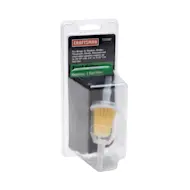
Changing a fuel filter on a commercial mower needs the right tools and materials. Use wrenchesor screwdriversto remove the old filter. Have a new fuel filterready that fits your mower model. Use clean ragsto catch any spilled fuel and keep the area clean. A small container helps to catch any fuel that leaks. Gloves protect your hands from fuel and dirt. Safety glasses are good to protect your eyes. Also, have a fuel line clampto stop fuel flow while changing the filter. Make sure the mower is off and cool before starting. Keep all tools nearby for easy access. A simple setup helps finish the job quickly and safely.
Safety Precautions
Always wear protective glovesand safety goggles. Fuel can irritate skin and eyes.
Work in a well-ventilated areato avoid inhaling harmful fumes. Avoid open flames or sparks nearby.
Turn off the mower and let the engine cool down before starting any work.
Keep a fire extinguishernearby just in case of emergencies.
- Disconnect the spark plug wire to prevent accidental starts.
- Clean the area around the fuel filter to avoid dirt getting inside.
- Dispose of old fuel and filters properly to protect the environment.
Locating The Fuel Filter
Find the fuel filter near the engine of the mower. It is usually a small, cylindrical part. Look for the fuel line coming from the gas tank. Follow this line to locate the filter. The filter is often transparent. You might see dirt inside if it needs a change.
Check the mower’s manual for exact location details. Some mowers have the filter under a cover or panel. Use a screwdriver to remove any covers. Be careful not to lose screws. Once you find the filter, get ready to replace it. Make sure the mower is off and cool before you start. Safety first!
Draining Fuel System
Before changing the fuel filter, drain the fuel system. This helps avoid spills and keeps the work area clean.
Start by turning off the engineand letting it cool. Find the fuel shutoff valve and close it to stop fuel flow.
Place a container under the fuel line to catch draining fuel. Open the fuel line or filter to let fuel drain out. Wait until fuel stops flowing.
Be sure to dispose of old fuel properly. Avoid spilling fuel on the ground or near heat sources.
Removing The Old Fuel Filter
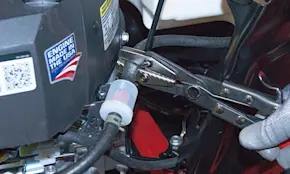
Turn off the mower engine and let it cool down completely. This stops fuel from spilling or causing accidents. Locate the fuel filter; it usually sits along the fuel line between the tank and engine. Use a small container or cloth to catch any fuel that may leak during removal. Carefully disconnect the fuel lines from the filter by loosening the clamps or quick connectors. Keep a towel nearby to soak any spills. Remove the old fuel filter by pulling it out gently. Check the filter for dirt or damage. Dispose of the old filter properly and clean the area around the filter mount. Make sure not to bend or damage fuel lines during this process. Clean hands and tools afterward to avoid fuel residue.
Credit: www.searspartsdirect.com
Installing The New Fuel Filter
Make sure the new fuel filter matches the old one exactly. Remove any plastic caps from the new filter carefully. Attach the new filter to the fuel line securely. Tighten all clamps to avoid fuel leaks. Check the filter’s arrow to ensure it points in the direction of fuel flow. Fuel should flow from the tank to the engine through the filter. Avoid touching the filter openings to keep dirt out. After installing, test the mower to see if it runs smoothly. Watch for any fuel leaks around the filter area. Replace clamps if they appear worn or damaged. Keep safety in mind and work in a well-ventilated area. Dispose of the old filter properly according to local rules.
Checking For Leaks
Check the fuel filter and surrounding area for any signs of leaks. Fuel stains or wet spots near the filter or hoses suggest a leak. Carefully inspect the hose connections to the fuel filter. Loose or cracked hoses can cause leaks. Tighten clamps or replace damaged hoses if needed.
Run the mower briefly and watch the fuel filter area. Look for small drips or wetness. A steady drip means the filter or connections need fixing. Use a clean cloth to wipe the area and observe if it gets wet again.
- Wear gloves to avoid contact with fuel.
- Work in a well-ventilated area.
- Do not smoke or use open flames near fuel.
Testing The Mower
Start the mower and listen closely to the engine’s sound. A smooth and steady noise means the fuel filter is working fine. Any sputtering or rough running could mean the filter is clogged. Watch for smoke from the exhaust; thick smoke can signal fuel flow problems.
Check the fuel flow by looking at the fuel line. Make sure fuel moves easily through the line without leaks. If the mower stalls or struggles to start, the fuel filter might still need changing. Always test on a flat surface for safety.
- Run the engine for a few minutes.
- Listen for unusual noises.
- Look for smoke or fuel leaks.
- Check if the mower runs smoothly.
Maintenance Tips
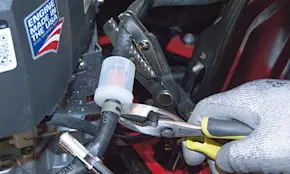
Changing the fuel filterhelps keep the mower’s engine clean. Start by turning off the mower and letting the engine cool down. Locate the fuel filter, usually near the fuel tank or engine. Use a wrench to loosen the clamps holding the filter in place. Carefully remove the old filter to avoid spilling fuel. Check the new filter matches the old one. Install the new filter in the correct direction, following the arrow on it. Tighten the clamps securely but avoid over-tightening. After installation, start the mower and check for leaks. Replace the fuel filter every 100 hoursor as recommended by the manufacturer. Regular filter changes improve fuel flow and engine life.
- Wear gloves to protect your hands from fuel.
- Work in a well-ventilated area.
- Dispose of the old filter properly.
- Keep a cloth nearby to catch any spills.
Credit: www.searspartsdirect.com
Frequently Asked Questions
How Often Should I Change The Fuel Filter In A Commercial Mower?
Change the fuel filter every 100 to 200 hours of use or annually. This keeps your mower running smoothly and prevents engine damage.
What Tools Do I Need To Replace A Commercial Mower’s Fuel Filter?
You typically need a wrench, screwdrivers, and a container to catch fuel. Always check your mower’s manual for specific tool requirements.
Can A Dirty Fuel Filter Cause Mower Engine Problems?
Yes, a dirty filter restricts fuel flow, causing poor engine performance, stalling, or hard starts. Regular replacement prevents these issues.
Is It Safe To Change The Fuel Filter By Myself?
Yes, if you follow safety steps like working in a well-ventilated area and disconnecting the battery. Use gloves to avoid fuel contact.
Conclusion
Changing the fuel filter in your commercial mower keeps it running smooth. Clean fuel helps the engine work better and last longer. Regular filter changes stop dirt from causing damage. This simple task saves time and money on repairs. Follow the steps carefully for best results.
Keep your mower ready for any job. Taking care of your equipment ensures strong performance every season. Small efforts make a big difference in mower health. Try it yourself and see the benefits firsthand.





