
Are you tired of your lawn mower sputtering and stalling just when you need it the most? A faulty spark plug might be to blame.
Knowing how to change a spark plug in your lawn mower can save you time, money, and frustration. Imagine effortlessly starting your mower every time with just a simple pull. By learning this quick and easy skill, you can ensure your lawn mower runs smoothly, giving you a lush, well-manicured lawn that neighbors envy.
Stick around to discover the step-by-step process that will empower you to tackle this task with confidence and keep your mower in top condition. Your lawn will thank you!
Tools Needed
Changing a spark plug in your lawn mower is easier when you have the right tools at hand. Having everything ready before you start saves you time and frustration. You don’t want to be halfway through the job and realize you’re missing a key tool.
Socket Wrench With Spark Plug Socket
A socket wrench fitted with a spark plug socket is essential. These sockets have a rubber insert that grips the spark plug, preventing it from falling out. Make sure the socket matches the size of your mower’s spark plug, usually 5/8 or 13/16 inch.
Screwdriver
You’ll often need a flathead or Phillips screwdriver to remove the spark plug wire or access panel. Choose one with a comfortable grip to avoid slipping. It helps if you have a magnetic tip to hold screws securely.
Gap Gauge
A gap gauge measures the distance between the electrodes of the new spark plug. This gap affects how well the spark fires. Some spark plugs come pre-gapped, but it’s worth checking to ensure optimal mower performance.
Wire Brush Or Spark Plug Cleaner
Cleaning the spark plug hole and the area around it is crucial. A wire brush or a specialized spark plug cleaner helps remove dirt and debris. This prevents contamination when installing the new plug.
Gloves And Safety Glasses
Protect your hands with gloves and your eyes with safety glasses. Working around engines can expose you to sharp parts and debris. Safety gear keeps the job safe and comfortable.
Have you ever started a repair only to find you lacked a crucial tool? Preparing your toolkit prevents that hassle. What tools do you keep handy for your lawn mower maintenance?
Safety Precautions
Before you start changing the spark plug in your lawn mower, safety should be your top priority. Handling engine parts can be risky if you’re not cautious. Taking a few simple precautions can protect you from injury and prevent damage to your mower.
Disconnect The Spark Plug Wire
Always unplug the spark plug wire before working on the mower. This stops the engine from accidentally starting while you’re working on it. I once overlooked this step and the mower jolted unexpectedly—don’t let that happen to you.
Removing the wire is easy and ensures your safety. Keep it away from the plug so it doesn’t snap back.
Work In A Well-ventilated Area
Gas fumes can build up quickly in enclosed spaces. Make sure you’re changing the spark plug outdoors or in a garage with open doors and windows. Fresh air will keep you safe from harmful fumes.
Have you noticed how a small breeze can make a big difference? It’s not just refreshing—it’s a lifesaver when dealing with fuel-powered equipment.
Use Proper Tools And Wear Gloves
Using the correct spark plug wrench prevents damage to the plug and engine. It also makes your task smoother and faster. Wearing gloves protects your hands from sharp edges and hot parts.
Once, I tried changing a spark plug without gloves and ended up with a nasty cut. Don’t skip this simple step—it’s worth the few extra seconds.
Ensure The Engine Is Cool
Never touch the spark plug or engine parts right after running the mower. Engines stay hot for a while and can cause burns. Wait at least 30 minutes or until you feel the mower is cool to the touch.
Patience here saves you from painful burns and makes the job more comfortable.
Keep The Area Clean And Free Of Flammable Materials
A cluttered workspace increases the risk of accidents. Clear away dry grass, leaves, and any flammable liquids before starting. Sparks or fuel vapors can ignite quickly in such conditions.
Have you ever seen how quickly a small spark can turn into a big problem? Keeping your workspace tidy is a simple, effective defense.
Locate The Spark Plug
Locating the spark plug is the first step in changing it safely and correctly. The spark plug is a small but vital part of the lawn mower’s engine. It creates the spark that ignites the fuel, making the engine run.
Knowing where to find the spark plug helps avoid confusion and speeds up the process. Usually, it sits on the side of the engine, near the top. It looks like a metal cylinder with a thick wire attached to it.
Identify The Engine Type
Different lawn mowers have different engine models. Some engines have one spark plug, others might have two. Check the engine label or manual for details. This helps narrow down where the spark plug is.
Look For The Spark Plug Wire
Find the thick wire coming out of the engine. It is often black or red and connects directly to the spark plug. Follow this wire carefully. It leads straight to the spark plug’s location.
Locate The Spark Plug Cap
The spark plug has a cap covering its top. The cap holds the wire firmly in place. Gently pull the cap to expose the spark plug. Do not pull the wire itself to avoid damage.
Check Around The Engine Cylinder
The spark plug screws into the engine cylinder head. This area is usually metal and has cooling fins. Look closely around this part to spot the spark plug. It may be partially hidden by other parts.
Remove The Old Spark Plug
Removing the old spark plug is an important step in changing a lawn mower’s spark plug. This process helps you access the worn-out spark plug so you can replace it with a new one. Taking care with each action avoids damage to the mower and ensures smooth operation.
Start by making the area safe and clean. The engine should be cool to prevent burns. Gather your tools and prepare to handle the spark plug carefully.
Disconnect The Spark Plug Wire
Locate the spark plug wire attached to the top of the spark plug. Firmly grip the boot, not the wire, and pull it off gently. This stops electricity flow and prevents accidental starts. Keep the wire clear of the spark plug area while you work.
Use The Spark Plug Socket
Attach a spark plug socket to a ratchet or wrench. Fit the socket over the spark plug snugly. Turn the wrench counterclockwise to loosen the spark plug. Remove the plug slowly by hand once it is loose. Store the old plug safely for inspection or disposal.
Inspect The Spark Plug
Inspecting the spark plug is a key step in lawn mower maintenance. It helps find problems that affect engine performance. A quick check can save time and money. Knowing what to look for keeps the mower running smooth and strong.
Remove The Spark Plug Carefully
First, make sure the mower is off and cool. Use a spark plug socket to loosen and pull out the plug. Handle it gently to avoid damage. Keep track of the plug’s position for easy reinstallation.
Check For Dirt And Deposits
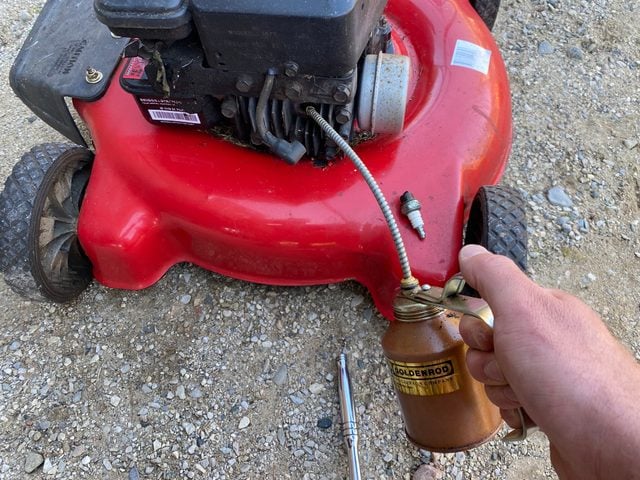
Look at the spark plug’s tip and threads. Dirt, oil, or carbon buildup can stop it from sparking properly. Clean light deposits with a wire brush or spark plug cleaner. Heavy buildup means the plug needs replacement.
Examine The Electrode Condition
The electrode is the small metal part that creates the spark. If it’s worn, cracked, or burnt, the spark won’t ignite fuel well. A healthy electrode has a sharp edge and clean surface. Replace the plug if the electrode looks damaged.
Measure The Spark Plug Gap
The gap is the space between the electrode and the center. Use a feeler gauge to check the gap size. This gap affects engine ignition and fuel efficiency. Adjust the gap carefully or replace the plug if the gap is too wide or narrow.
Look For Signs Of Engine Trouble
Certain spark plug conditions hint at engine problems. Black, oily plugs suggest fuel or oil leaks. White, blistered plugs show overheating. Rust or corrosion means moisture issues. Use the spark plug’s condition to guide further repairs.
Credit: www.familyhandyman.com
Choose The Right Replacement
Choosing the right replacement spark plug for your lawn mower is crucial for its performance and longevity. Using the wrong type can lead to poor engine function, difficulty starting, or even damage. You want a spark plug that fits perfectly and matches your mower’s specifications.
Check Your Lawn Mower’s Manual
Your mower’s manual is your best friend here. It lists the exact spark plug model recommended by the manufacturer. If you don’t have the manual handy, look for a sticker on the mower or search online using your mower’s make and model.
Understand Spark Plug Specifications
Look at key details like thread size, heat range, and gap size. The thread size ensures the plug fits properly in the engine. The heat range affects how hot the plug gets; using the wrong one can cause overheating or fouling.
Choose Between Copper, Platinum, Or Iridium
Copper plugs are affordable and work well for basic lawn mowers. Platinum and iridium plugs last longer and provide better performance but cost more. Think about how often you mow and what level of maintenance you prefer.
Verify The Spark Plug Gap
The gap is the distance between the center and ground electrode. It influences the spark’s strength. You might need to adjust the gap with a tool before installation to match your mower’s needs exactly.
Buy From Trusted Brands
Brands like Champion, NGK, and Bosch have a solid reputation. They offer reliable plugs that meet OEM standards. Avoid cheap, no-name spark plugs; they may save money upfront but can cause problems down the road.
Have you ever tried to use a spark plug just because it looked similar? That quick decision can cost you a frustrating repair later. Take your time to find the right one—it’s a small step that makes a big difference in your mower’s health.
Install The New Spark Plug
Installing the new spark plug is a careful process. It ensures your lawn mower runs smoothly and starts easily. Taking the right steps helps avoid damage to the spark plug or engine. Follow these clear instructions to place the spark plug correctly.
Thread By Hand
Start by placing the spark plug into the hole gently. Turn it slowly with your fingers. This helps the threads catch properly. Avoid using tools at this stage to prevent cross-threading. If you feel resistance, back off and try again. Hand threading keeps the spark plug safe and secure.
Tighten With Socket
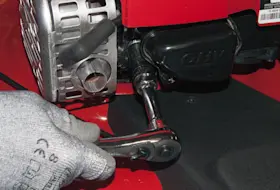
Use a spark plug socket and ratchet to tighten next. Turn the spark plug until it is snug. Do not overtighten, as this can damage the threads. A good rule is to tighten about a quarter turn after hand-tight. Check the spark plug manufacturer’s instructions for exact torque. Proper tightening ensures a good seal and engine performance.
Credit: www.searspartsdirect.com
Reconnect The Spark Plug Wire
Reconnecting the spark plug wire is a vital step in lawn mower maintenance. This action ensures that the mower’s engine receives the electrical spark needed to start. Handle the wire carefully to avoid damage.
Before connecting, check the wire and spark plug for any dirt or corrosion. Clean them gently if needed. A clean connection improves mower performance and prevents starting issues.
Locate The Spark Plug Terminal
Find the end of the spark plug wire. It usually has a rubber boot that fits over the spark plug’s metal tip. Make sure the wire is free from cracks or breaks before reconnecting.
Align The Wire With The Spark Plug
Position the wire boot over the spark plug’s terminal. Align it straight to ensure a snug fit. Avoid forcing the wire at an angle, which could damage the connection.
Push The Wire Onto The Spark Plug
Firmly press the wire boot onto the spark plug until it clicks or feels secure. The connection should be tight but not forced. This ensures a stable electrical flow to the engine.
Check For A Secure Connection
- Gently pull the wire to confirm it stays in place.
- Look for any gaps between the boot and spark plug.
- Ensure the wire is not loose or wobbly.
Keep The Wire Away From Moving Parts
Position the wire so it does not touch the mower’s blades or other moving parts. Secure it with clips or ties if needed. This prevents damage and potential safety hazards.
Test The Lawn Mower
Testing the lawn mower after changing the spark plug is essential. It ensures the engine runs smoothly and starts easily. This step confirms the new spark plug works correctly and keeps your mower ready for the next use.
Prepare The Lawn Mower For Testing
Place the mower on a flat surface outdoors. Clear the area around the mower. Make sure the blade is free from debris. Check that the fuel tank has enough gas. This helps the engine start without problems.
Start The Engine
Pull the starter cord gently but firmly. Listen for a strong, steady engine sound. A weak or sputtering sound means the spark plug might need adjustment. The engine should run without stopping.
Observe Engine Performance
- Check for smooth and even running.
- Notice any unusual noises or vibrations.
- Watch for smoke or strange smells.
Good performance means the spark plug is functioning well. Problems may require rechecking the spark plug or other parts.
Shut Down The Engine Safely
Turn off the mower using the stop switch or remove the key. Allow the engine to cool before touching any parts. This prevents burns or injuries.

Credit: www.youtube.com
Maintenance Tips
Maintaining your lawn mower properly helps it run smoothly for years. Regular care prevents common problems. Changing spark plugs is one key task. Following simple tips ensures better performance and longer engine life.
Check Spark Plug Condition Regularly
Look for signs of wear or damage. A worn spark plug causes weak sparks. This lowers mower power. Clean the plug if covered in dirt or oil. Replace it if the electrode is worn out or cracked.
Use The Correct Spark Plug Type
Always use the spark plug recommended by the mower manufacturer. Different engines need specific plugs for best performance. Using the wrong type can cause engine issues or poor fuel economy.
Maintain Proper Spark Plug Gap
The gap between electrodes affects spark strength. Use a gap gauge to measure it. Adjust the gap to match the mower’s specifications. A correct gap helps the engine start easily and run well.
Clean The Area Around The Spark Plug
Before removing the spark plug, clean the surrounding area. Dirt can fall into the engine when you remove the plug. Use a brush or compressed air to clear debris. This prevents engine damage and keeps parts clean.
Inspect And Replace Spark Plug Wires
Check spark plug wires for cracks or wear. Damaged wires cause weak or no spark. Replace wires if they look old or brittle. Good wires ensure consistent engine ignition and smooth operation.
Frequently Asked Questions
How Often Should I Change Spark Plugs In A Lawn Mower?
Change spark plugs every 25-50 hours of use or annually. Regular replacement ensures efficient engine performance and easier starts.
What Tools Do I Need To Replace A Lawn Mower Spark Plug?
You need a spark plug socket, ratchet wrench, and a gap gauge. These tools help safely remove and install the spark plug.
How Do I Check If A Spark Plug Is Faulty?
Look for signs like carbon buildup, cracks, or worn electrodes. A faulty spark plug causes poor engine performance and hard starts.
Can I Use Any Spark Plug For My Lawn Mower?
No, always use the spark plug recommended in your mower’s manual. Using the wrong type can damage the engine or reduce efficiency.
Conclusion
Changing a spark plug keeps your lawn mower running well. It only takes a few simple steps. Regular care helps the engine start easily every time. Clean parts and the right tools make the job quick. Check the spark plug often to avoid mower problems.
A good spark plug saves time and money. Now, you can keep your lawn mower in great shape. Give your mower the attention it needs today.





