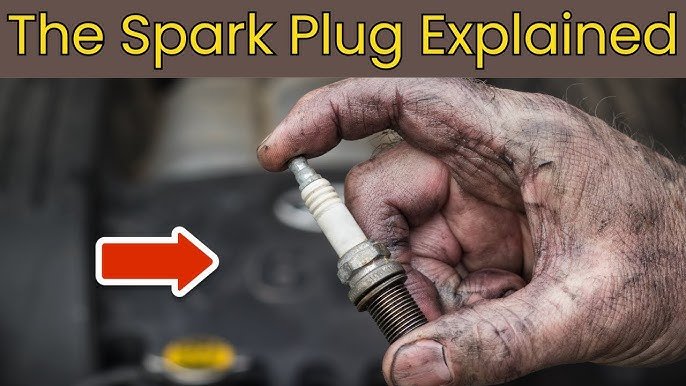
Have you ever wondered how your car’s engine roars to life with just a turn of the key or a push of a button? The answer lies in a small but mighty component known as the spark plug.
Understanding how spark plugs work can seem like unraveling a mystery, but it’s simpler than you might think. These tiny heroes play a crucial role in starting your car and keeping it running smoothly. By the end of this article, you’ll grasp the fascinating process that makes your vehicle’s engine hum.
Stick around to discover how this little spark ignites your engine’s performance and why it matters to you.
Spark Plug Basics
Spark plugs play a vital role in a car’s engine. They create the spark needed to ignite the fuel-air mix inside the engine cylinders. This ignition powers the engine and keeps the vehicle running smoothly.
Understanding the basics of spark plugs helps in maintaining engine performance. They come in various types and designs, each suited for specific engines and driving needs. Knowing their parts and how they work can help you choose the right one for your vehicle.
Role In Engine Combustion
Spark plugs ignite the fuel-air mixture inside the engine cylinder. This ignition causes combustion, producing energy that moves the pistons. The pistons then turn the crankshaft, powering the wheels. Without spark plugs, the engine cannot start or run efficiently.
Key Components
- Center Electrode:Conducts electricity to create the spark.
- Ground Electrode:Provides a gap for the spark to jump across.
- Insulator:Made of ceramic, it isolates the center electrode.
- Metal Shell:Screws into the engine and provides heat dissipation.
Types Of Spark Plugs
- Copper Spark Plugs:Good conductor but wear out faster.
- Platinum Spark Plugs:Longer life and better performance.
- Iridium Spark Plugs:Most durable with excellent ignition.
- Double Platinum/Iridium:Designed for waste spark systems for longer life.

Credit: beachautomotive.com
Ignition Process
The ignition process is the heart of how spark plugs help engines run. It starts with creating a tiny spark that lights the air-fuel mix inside the engine’s cylinder. This small spark leads to a powerful explosion that moves the engine parts. Timing and precise delivery of this spark are very important. The right spark at the right moment makes the engine work smoothly and efficiently.
Creating The Spark
The spark plug gets a high voltage from the ignition coil. This voltage jumps the small gap at the plug’s tip. The jump creates a spark hot enough to ignite the fuel and air mixture. The spark must be strong and consistent. A weak spark can cause the engine to misfire or lose power.
Timing And Spark Delivery
The spark must fire at the exact right time. Too early or too late can cause poor engine performance. The engine control unit (ECU) controls the timing. It adjusts the spark based on engine speed and load. This careful timing helps the engine use fuel better and run cleaner.
Impact On Engine Performance
Good ignition improves fuel efficiency and reduces emissions. It also helps the engine start easily and run smoothly. Poor spark timing or weak sparks cause rough idling and low power. Regular spark plug maintenance keeps the engine in top shape. Reliable sparks mean better performance and longer engine life.
Fuel Efficiency And Emissions
Fuel efficiency and emissions are critical factors that affect your vehicle’s performance and environmental impact. Spark plugs play a vital role in these areas by ensuring your engine runs smoothly and cleanly. Understanding how they influence fuel efficiency and emissions can help you make smarter choices for maintenance and upgrades.
Optimizing Combustion
Spark plugs ignite the air-fuel mixture inside the engine’s cylinders. When this ignition is precise and consistent, the combustion process becomes more efficient. This means more power is generated from the same amount of fuel.
Worn or dirty spark plugs can cause incomplete combustion. This not only wastes fuel but also leads to increased emissions. Imagine your engine trying to burn fuel without a steady spark—it’s like trying to light a fire with damp wood.
Reducing Fuel Consumption
Efficient spark plugs help your engine burn fuel completely, which directly reduces fuel consumption. If your spark plugs misfire or produce weak sparks, your engine compensates by using more fuel to maintain performance.
Regularly checking and replacing spark plugs can save you money at the pump. Have you ever noticed your car’s fuel economy dropping? It might be time to inspect your spark plugs before spending more on fuel.
Lowering Emission Levels
Properly functioning spark plugs ensure cleaner exhaust gases by promoting full combustion. This reduces harmful emissions like carbon monoxide and unburned hydrocarbons.
Many emission problems trace back to spark plugs that aren’t working well. Keeping them in good shape helps your vehicle pass emissions tests and contributes to cleaner air. How often do you think about the spark plugs’ role in your car’s environmental footprint?

Credit: www.youtube.com
Common Spark Plug Issues
Understanding common spark plug issues can save you time and money while keeping your engine running smoothly. Spark plugs might seem simple, but they face tough conditions inside your engine every day. Recognizing problems early helps you avoid breakdowns and maintain peak performance.
Signs Of Wear And Damage
Watch for these clear signs that your spark plugs need attention:
- Difficulty starting:If your engine struggles to start or misfires, worn plugs might be the cause.
- Poor fuel economy:Notice a drop in miles per gallon? Faulty plugs can burn fuel inefficiently.
- Rough idling:A shaky or uneven engine idle often points to spark plug problems.
- Visible damage:Check for cracked insulators, worn electrodes, or heavy deposits on the plugs.
Causes Of Failure
Several factors can lead to spark plug failure:
- Carbon buildup:Deposits from unburned fuel can coat the electrodes, reducing spark quality.
- Overheating:Running your engine too hot can erode the plugs or cause the insulator to crack.
- Incorrect gap:If the gap between electrodes is too wide or narrow, the spark weakens or fails.
- Oil contamination:Oil leaking into the combustion chamber can foul plugs and prevent proper ignition.
Effects On Engine Operation
Faulty spark plugs don’t just cause minor annoyances—they can seriously affect your engine’s health:
- Misfires:Ignition failure in one or more cylinders leads to jerky acceleration and loss of power.
- Increased emissions:Poor combustion boosts harmful exhaust gases, which can fail emissions tests.
- Engine damage:Persistent misfires can overwork other components, potentially leading to costly repairs.
Have you noticed any of these issues in your vehicle? Taking a moment to inspect your spark plugs might reveal the hidden cause behind your engine troubles.
Maintenance Tips
Keeping your spark plugs in top shape is essential for your engine’s smooth performance and fuel efficiency. Regular maintenance helps prevent unexpected breakdowns and costly repairs. Let’s look at some practical tips to keep your spark plugs working like new.
Inspection Frequency
Check your spark plugs every 30,000 miles or as recommended by your vehicle’s manufacturer. If you notice rough idling, difficulty starting, or reduced fuel economy, inspect them sooner. Regular checks let you catch wear or buildup before it turns into a bigger problem.
Cleaning Techniques
Cleaning spark plugs can extend their life if done carefully. Use a wire brush or spark plug cleaner to remove carbon deposits gently. Avoid harsh scrubbing that can damage the electrodes—cleaning should restore the surface, not wear it away.
Did you know that some cleaning sprays dissolve grime without scrubbing? These can be a handy addition to your toolkit for quick maintenance.
Replacement Guidelines
Even with good care, spark plugs won’t last forever. Replace them every 30,000 to 50,000 miles for standard plugs, or follow the interval for your specific type. Using worn plugs can cause misfires, poor mileage, and engine damage.
Keep a record of your replacements. Tracking this helps you avoid guessing and ensures timely changes that protect your engine’s health.
Upgrading Spark Plugs
Upgrading spark plugs can improve your engine’s performance and fuel efficiency. New spark plugs provide a stronger spark. This leads to better combustion inside the engine. Replacing old plugs with high-quality ones helps your car run smoother. It also reduces emissions and prevents misfires. Upgrading is a simple way to boost engine health without major repairs.
Performance Benefits
New spark plugs create a more powerful spark. This improves fuel burning and increases power. Your engine starts faster and runs more smoothly. Upgraded plugs can also improve gas mileage. They reduce engine knocking and hesitation. Overall, your car feels more responsive. The engine produces less pollution too.
Choosing The Right Plug
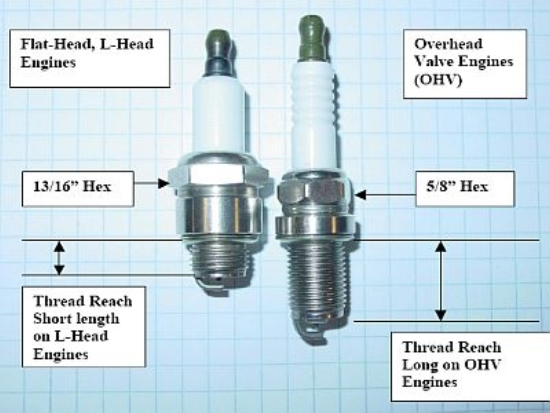
Pick spark plugs that fit your vehicle’s make and model. Check the owner’s manual for recommended types. Consider plug materials like copper, platinum, or iridium. Iridium plugs last longer and handle heat better. Copper plugs are cheaper but wear out faster. Match the heat range to your driving style. Use plugs designed for your engine’s size and power.
Installation Considerations
Turn off the engine before starting the upgrade. Let the engine cool down to avoid burns. Use a spark plug socket and ratchet for removal. Clean the area around each plug to avoid dirt entry. Install new plugs carefully, avoiding cross-threading. Tighten plugs to the correct torque. Too loose causes misfires; too tight can damage threads. Replace spark plug wires if they look worn. Test the engine after installation to ensure proper function.
Credit: www.vanguardpower.com
Frequently Asked Questions
What Is The Main Function Of A Spark Plug?
A spark plug ignites the air-fuel mixture in the engine’s combustion chamber. It creates a spark that starts the combustion process. This ignition powers the engine and allows the vehicle to run efficiently.
How Do Spark Plugs Affect Engine Performance?
Spark plugs influence engine efficiency by ensuring proper ignition timing. Worn plugs cause misfires, reducing power and fuel economy. Good spark plugs maintain smooth running and optimal engine performance.
When Should Spark Plugs Be Replaced?
Spark plugs should be replaced every 30,000 to 100,000 miles depending on the type. Signs include rough idling, poor acceleration, and increased fuel consumption. Regular checks help maintain engine health.
Can Faulty Spark Plugs Cause Engine Problems?
Yes, faulty spark plugs can cause misfires, rough idling, and difficulty starting. They reduce fuel efficiency and increase emissions. Timely replacement prevents engine damage and improves performance.
Conclusion
Spark plugs help cars start and run smoothly. They create sparks that ignite fuel inside the engine. Without them, engines would not work properly. Regular checks keep spark plugs in good shape. Clean and healthy spark plugs save fuel and reduce emissions.
Knowing how spark plugs work helps you care for your vehicle better. Small parts, big job. Simple but important. Keep them clean, and your engine will thank you.





