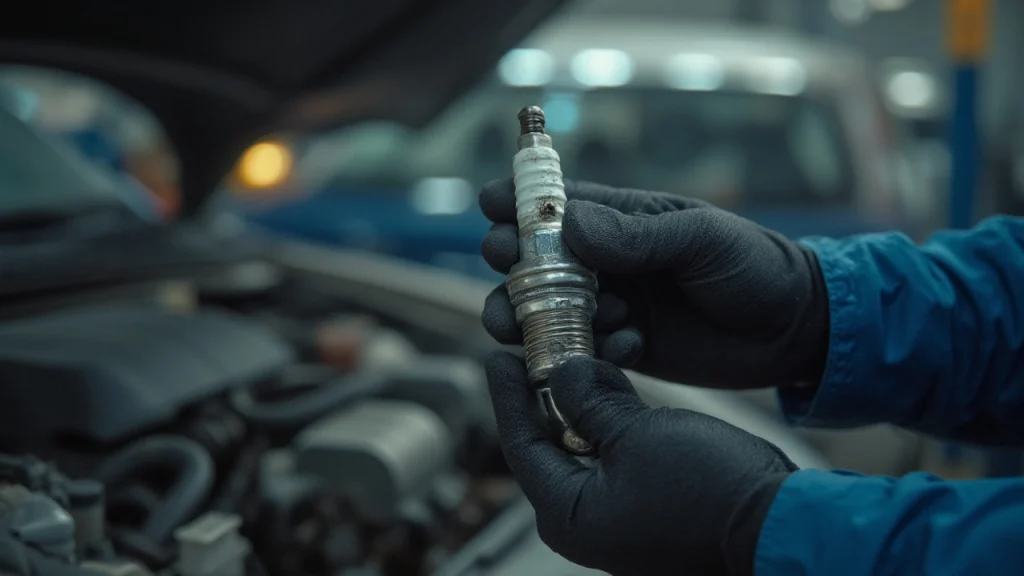
When was the last time you thought about your car’s spark plugs? If the answer is “never” or “I can’t remember,” you’re not alone.
It’s easy to overlook these small yet vital components of your engine. But ignoring them could lead to bigger problems than you might expect. Imagine your car struggling to start, losing power, or even consuming more fuel than usual. These issues can sneak up on you, making your daily drives frustrating.
By understanding what happens if you don’t replace spark plugs, you can avoid unwanted surprises and keep your vehicle running smoothly. Let’s dive into the details and discover why this simple maintenance task is crucial for your car’s health and your peace of mind.
Credit: www.westsideauto.com.au
Role Of Spark Plugs
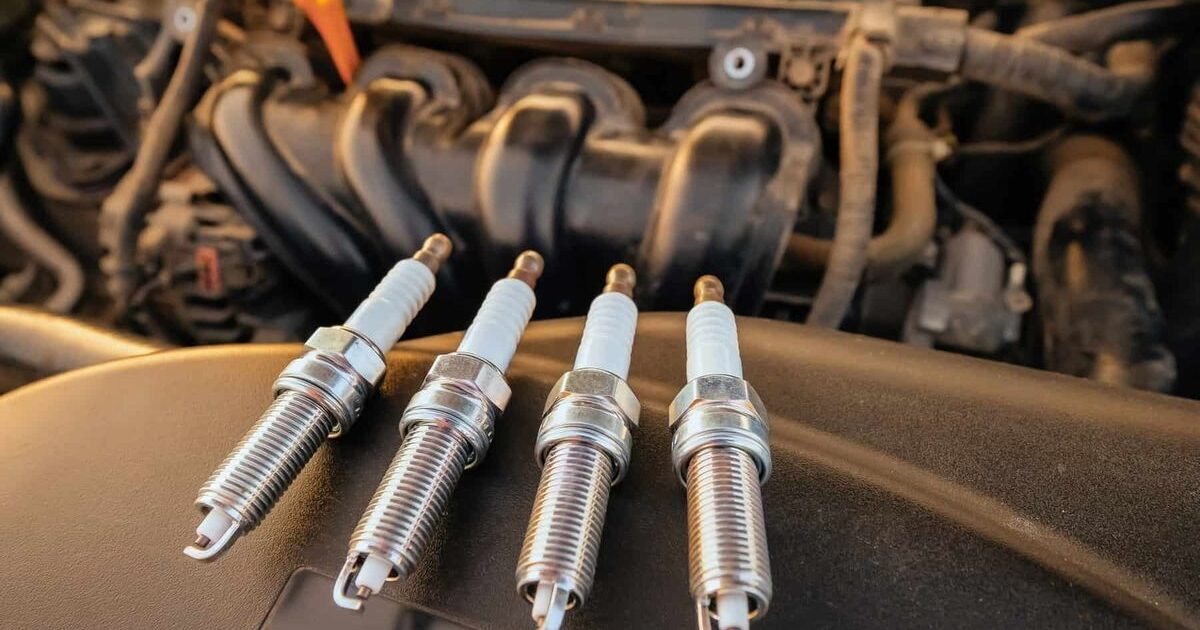
Spark plugs play a crucial role in your vehicle’s engine. They create the spark needed to ignite the fuel-air mixture inside the engine. Without spark plugs, your engine cannot run. Their condition directly affects how well your car performs. Worn or dirty spark plugs can cause many engine problems. Understanding their role helps you see why replacement is important.
How Spark Plugs Work
Spark plugs deliver an electric spark to the engine’s combustion chamber. This spark ignites the fuel and air mixture. The explosion pushes the pistons, creating power. Each cylinder in your engine has a spark plug. They fire rapidly, thousands of times per minute. Proper spark timing is key to smooth engine operation.
Importance In Engine Performance
Spark plugs affect fuel efficiency and power output. Good plugs ensure complete fuel burning. This reduces emissions and improves mileage. Worn plugs cause misfires, rough idling, and loss of power. They can also increase fuel consumption. Healthy spark plugs help the engine start easily. Maintaining them keeps your car running reliably and efficiently.
Signs Of Worn Spark Plugs
Worn spark plugs can silently cause trouble for your engine before you even notice a major problem. Recognizing the signs early helps you avoid costly repairs and keeps your car running smoothly. Here are some common symptoms that suggest your spark plugs need attention.
Engine Misfires
One of the clearest signs of worn spark plugs is engine misfires. You might feel your car hesitating or jerking during acceleration. This happens because the spark plugs fail to ignite the fuel-air mixture properly, causing uneven combustion.
Have you ever experienced a sudden loss of power while driving? That could be your spark plugs struggling to do their job. Ignoring this can lead to more serious engine damage over time.
Poor Fuel Economy
If you notice you’re filling up more often than usual, worn spark plugs might be the culprit. Faulty plugs cause incomplete combustion, which means your engine burns more fuel to compensate. This not only hits your wallet but also increases harmful emissions.
Think about the last time you checked your mileage. If it’s dropped without a clear reason, it might be time to inspect your spark plugs. Fixing them can improve your fuel efficiency almost immediately.
Difficulty Starting
When spark plugs wear out, starting your car can become a frustrating experience. You may find your engine cranks longer than usual or fails to start at all. This happens because worn plugs struggle to create the spark needed to ignite the engine’s fuel mixture.
Have you ever faced a cold morning where your car just wouldn’t start? Worn spark plugs are often to blame. Replacing them can save you from those stressful moments and unexpected delays.
Risks Of Neglecting Replacement
Ignoring the need to replace your spark plugs can lead to several serious problems. Many drivers overlook this small part, not realizing how much damage it can cause over time. Let’s look at the risks you face if you delay or skip this important maintenance step.
Engine Damage
Worn spark plugs can cause misfires, leading to incomplete combustion inside your engine. This puts extra stress on components like the pistons and catalytic converter. Eventually, this stress can cause expensive damage that could have been avoided with timely spark plug replacement.
I once ignored a spark plug change, and my engine started running rough. The repair bill was much higher than the cost of new plugs. Can you afford to take that risk with your vehicle?
Reduced Power And Efficiency
Old spark plugs don’t ignite fuel as effectively, which means your engine won’t run at its best. You’ll notice slower acceleration and a drop in fuel efficiency. This means you end up spending more money on gas and driving with less power than your car should have.
Imagine needing a quick burst of speed on the highway but feeling your car lag instead. That’s a direct result of spark plugs past their prime. How often do you rely on your car’s responsiveness?
Increased Emissions
When spark plugs fail to ignite fuel properly, unburned fuel escapes into the exhaust system. This increases harmful emissions, contributing to pollution and potentially causing your vehicle to fail emissions tests. Replacing spark plugs can help keep your car cleaner and more environmentally friendly.
Think about your last emissions test—did your car pass with ease? Neglecting spark plugs could be the hidden reason behind a failed test. Are you ready to face unexpected repair costs because of it?
Common Causes Of Spark Plug Wear
Spark plugs wear down over time due to several common causes. Understanding these helps maintain engine performance. Worn spark plugs reduce fuel efficiency and cause rough engine starts. Regular inspection prevents costly repairs.
Heat And Carbon Buildup
High engine temperatures cause spark plugs to overheat. This weakens the electrode and reduces spark quality. Carbon buildup forms from incomplete fuel burning. It creates deposits that block the spark and affect ignition. This leads to misfires and poor engine power.
Electrical Issues
Faulty ignition systems stress spark plugs. High voltage surges cause electrode erosion. Damaged wires or coils increase resistance, making plugs work harder. This results in weak sparks and engine hesitation. Consistent electrical problems shorten spark plug life.
Fuel Quality Impact
Low-quality or contaminated fuel harms spark plugs. Impurities cause fouling and corrosion on the electrode. Poor fuel burns unevenly, leaving residue on plugs. This residue lowers spark efficiency and triggers engine knocking. Using clean fuel extends spark plug durability.
Replacement Intervals
Knowing the right time to replace your spark plugs is crucial for keeping your engine running smoothly. Replacement intervals vary widely depending on the type of spark plug and your vehicle’s make and model. Ignoring these intervals can lead to poor performance and costly repairs down the road.
Manufacturer Recommendations
Car manufacturers provide specific replacement intervals for spark plugs in your vehicle’s manual. These intervals usually range from 30,000 to 100,000 miles, depending on the spark plug material—copper, platinum, or iridium.
For example, copper spark plugs often need changing around every 30,000 miles, while iridium plugs can last up to 100,000 miles. Following these guidelines helps maintain fuel efficiency and engine power.
Have you checked your owner’s manual lately? It’s the best source to know exactly when to swap those plugs.
Signs You Should Replace Sooner
Sometimes, you might need to replace spark plugs before the recommended interval. If you notice rough idling, difficulty starting your engine, or decreased fuel efficiency, your spark plugs might be to blame.
Other signs include engine misfires or a noticeable drop in acceleration. These symptoms indicate that your spark plugs are worn out and need immediate attention.
Ignoring these signs can cause damage to your catalytic converter or ignition coils, leading to much higher repair costs. Are you paying attention to how your engine feels during your daily drives?

Credit: simonsautorepairtaunton.com
Choosing The Right Spark Plugs
Choosing the right spark plugs is key for your car’s performance. Using the correct spark plug helps your engine run smoothly. It also improves fuel efficiency and reduces emissions. Picking the wrong spark plug can cause engine problems and damage over time.
Knowing the types and compatibility of spark plugs makes the choice easier. This guide will explain the main types of spark plugs and how to check if they fit your vehicle.
Types Of Spark Plugs
- Copper Spark Plugs:Offer good conductivity and are budget-friendly. They wear out faster than others.
- Platinum Spark Plugs:Last longer than copper plugs and resist corrosion. Suitable for most standard cars.
- Iridium Spark Plugs:Known for durability and high performance. Often used in newer or high-performance vehicles.
- Double Platinum Spark Plugs:Have platinum on both electrodes for extra life. Ideal for waste spark ignition systems.
Compatibility With Your Vehicle
Check your car’s manual to find the recommended spark plug type. Size and heat range must match your engine’s needs. Using incompatible spark plugs can cause misfires and poor fuel economy.
Some vehicles need specific spark plug designs. These details matter for ignition timing and engine safety. Always verify the exact model number before purchasing new plugs.
Diy Vs Professional Replacement
Deciding between doing your own spark plug replacement or hiring a professional can impact your vehicle’s performance and your wallet. While DIY replacement might seem straightforward, it requires the right tools and knowledge to avoid causing damage. On the other hand, professionals bring expertise but come at a higher cost. Understanding what each option involves helps you make a smarter choice for your car and budget.
Tools Needed
For a DIY spark plug replacement, you’ll need some essential tools to get the job done safely and correctly:
- Spark plug socket:A special deep socket designed to fit spark plugs securely.
- Ratchet wrench:To turn the socket and loosen or tighten the plugs.
- Torque wrench:Critical for tightening spark plugs to the manufacturer’s specifications without over-tightening.
- Gap gauge:To check the spark plug gap and adjust if necessary.
- Extension bar:Useful for reaching deeply recessed plugs.
- Anti-seize lubricant:Optional, but helps prevent plugs from sticking in the cylinder head.
Missing one of these tools can make the process frustrating or cause damage, so check your toolbox before starting.
Step-by-step Replacement Guide
Replacing spark plugs yourself involves careful steps to avoid engine damage. Start by letting your engine cool to prevent burns and avoid breaking the spark plug.
Remove the ignition coil or spark plug wire carefully to expose the spark plug. Use your spark plug socket and ratchet to loosen and remove the old plug. Before installing the new plug, check the gap with your gauge and adjust if needed.
Apply a small amount of anti-seize lubricant on the threads if recommended, then hand-thread the new plug to avoid cross-threading. Use the torque wrench to tighten it to the exact specification. Reattach the ignition coil or wire, and repeat for each plug.
Have you ever felt unsure if you tightened the plug enough? Using a torque wrench eliminates guesswork and protects your engine.
When To Seek Professional Help
Even if you enjoy working on your car, some situations call for a professional’s expertise. If your engine has deep or hard-to-reach spark plugs, a mechanic’s experience can save time and prevent damage.
Stripped threads, seized plugs, or complex ignition systems are also reasons to trust a professional. If you lack the necessary tools or feel uncomfortable with the process, it’s safer to avoid costly mistakes.
Remember, a botched spark plug replacement can lead to misfires, poor fuel economy, or engine damage. Ask yourself if saving money today is worth potential repair costs tomorrow.

Credit: www.youtube.com
Maintenance Tips To Extend Spark Plug Life
Extending the life of your spark plugs not only saves money but also keeps your engine running smoothly. Simple maintenance habits can make a significant difference in how long your spark plugs last. Paying attention to your engine’s needs helps prevent premature wear and unexpected breakdowns.
Regular Engine Checks
Checking your engine regularly can reveal early signs of spark plug issues. Look for rough idling, poor acceleration, or increased fuel consumption. Catching these symptoms early means you can clean or replace spark plugs before damage spreads.
Have you noticed your engine misfiring? That’s a clear hint to inspect your spark plugs without delay. Regularly inspect the spark plug gap and clean off any deposits to maintain optimal performance.
Using Quality Fuel
The fuel you use directly affects your spark plugs’ condition. Low-quality or contaminated fuel can leave residue that builds up on the plugs, causing misfires. Choosing high-quality fuel reduces carbon buildup and helps your spark plugs last longer.
Consider adding fuel additives designed to clean your engine. These can help remove deposits that harm spark plugs and improve overall engine health. Are you fueling your car with the right type for its engine? Double-check your owner’s manual—it matters more than you think.
Avoiding Engine Overheating
Overheating is a major enemy of spark plugs. Excessive heat can cause the electrode to wear out quickly and lead to engine knocking. Pay attention to your temperature gauge and never ignore warning lights.
Simple steps like checking coolant levels and maintaining your radiator can prevent overheating. Do you remember the last time you flushed your cooling system? Regular cooling system maintenance protects your spark plugs and other engine components.
Frequently Asked Questions
What Happens If Spark Plugs Are Not Replaced?
Failing to replace spark plugs causes poor engine performance, misfires, and reduced fuel efficiency. Over time, it can damage the ignition system and increase emissions, leading to costly repairs and decreased vehicle reliability.
How Does Old Spark Plugs Affect Fuel Economy?
Worn spark plugs cause incomplete combustion, reducing fuel efficiency. Your engine burns more fuel to compensate, increasing costs. Replacing spark plugs regularly ensures optimal fuel consumption and lowers your car’s emissions.
Can Bad Spark Plugs Damage The Engine?
Yes, bad spark plugs can cause engine misfires, overheating, and rough idling. Persistent issues may lead to catalytic converter damage and costly engine repairs if not addressed promptly.
Why Do Spark Plugs Need Timely Replacement?
Spark plugs wear out due to constant heat and electrical stress. Timely replacement maintains engine power, smooth running, and fuel efficiency, preventing breakdowns and expensive repairs.
Conclusion
Neglecting spark plug replacement causes engine trouble and poor fuel use. Your car may start rough or stall often. Engine power drops, making drives slow and frustrating. Bad spark plugs also raise emissions, harming the environment. Regular checks and timely changes keep your car strong and safe.
Don’t wait for big problems. A small fix now saves time and money later. Keep your vehicle running smooth and reliable every day.





