If you have tall fescue grass in your yard, you might wonder how often you should mow it to keep it healthy and looking great. Mowing too often or not enough can harm your lawn, making it patchy or stressed.
But don’t worry—knowing the right mowing schedule can save you time and effort while giving you a lush, green lawn that stands out. Keep reading to discover the simple secrets of mowing tall fescue the right way, so your grass stays thick, vibrant, and strong all season long.
Ideal Mowing Frequency
Tall Fescueshould be mowed often to keep it healthy. During spring and fall, mow it about once a week. The grass grows faster in these seasons because of cooler temperatures and more rain. In summer, mow less often, maybe every 10 to 14 days. The heat slows down growth. Winter needs little or no mowing since the grass grows very slowly or stops.
The grass growth depends on many factors:
- Weather:Warm and wet weather speeds up growth.
- Soil quality:Rich soil helps grass grow faster.
- Watering:Regular watering keeps grass healthy and growing.
- Fertilizer:Adding nutrients boosts growth rate.
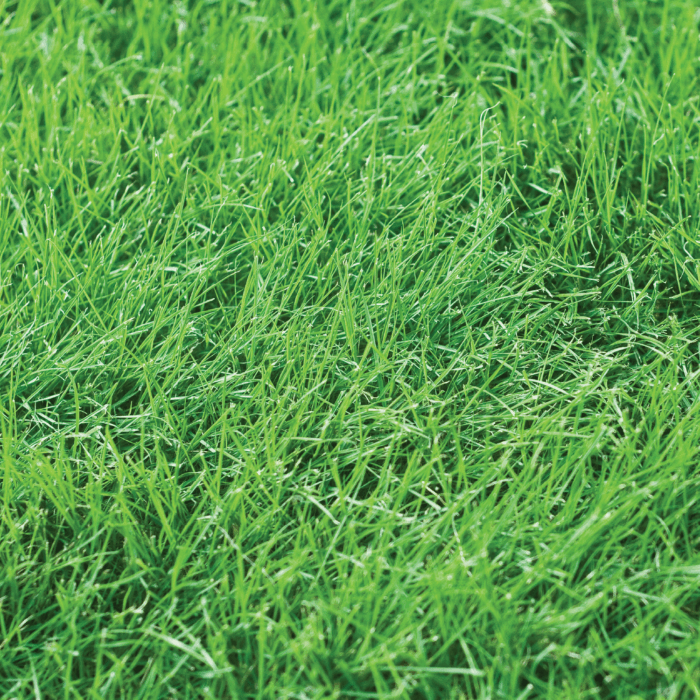
Credit: naturesseed.com
Optimal Mowing Height
Tall fescuegrows best when mowed at the right height. The recommended blade lengthis between 2.5 to 3.5 inches. Cutting the grass too short can stress the plant and cause brown spots. Taller grass blades help keep the soil moist and reduce weed growth.
Maintaining the optimal mowing heightencourages strong roots. It also improves the grass’s ability to fight disease and drought. Mow only a third of the grass blade length at a time. Cutting more than this can shock the grass and slow growth.
| Blade Length | Impact on Grass Health |
|---|---|
| Less than 2.5 inches | Weak roots, dry soil, more weeds |
| 2.5 to 3.5 inches | Strong roots, good moisture, healthy lawn |
| More than 3.5 inches | Can cause thatch buildup and uneven growth |
Tools For Mowing Tall Fescue
Choosing the right mower is key for a healthy tall fescue lawn. A reel mowercuts grass cleanly and is gentle on the blades. A rotary moweris common and works well if the grass is not too tall. For large lawns, a riding mowersaves time and effort.
Regular maintenance keeps your mower working well. Always sharpen the bladesto ensure a clean cut. Check the oiland clean the air filterbefore each use. Remove grass clippings from the deck to avoid rust and clogging. Store the mower in a dry place to protect it from damage.

Credit: www.gardeningknowhow.com
Common Mowing Mistakes
Mowing tall fescue too often can stress the grass and weaken roots. Cutting it too short causes brown patches and slows growth. Letting the lawn grow too tall before mowing may lead to uneven cuts and clumps.
Cutting Too Short
Mowing tall fescue too short can harm the grass. It weakens the roots and makes it more prone to disease. Tall fescue should be cut no shorter than 3 inches. Short cuts expose soil to sunlight, encouraging weeds. Grass also loses moisture faster if it’s too short. This leads to a less healthy lawn.Infrequent Mowing Effects
Mowing tall fescue too infrequently can cause problems. Long grass can shade itself and become weak. Thick grass can also block water and sunlight. This affects growth and health. Cutting long grass can leave clumps on the lawn. These clumps can smother healthy grass underneath. Regular mowing helps keep your lawn looking great. `Additional Lawn Care Tips
Watering tall fescuehelps keep it healthy and green. Water deeply, about 1 to 1.5 inches per week. Early morning is the best time to water. Avoid watering in the evening to stop fungus growth. Less frequent, deep watering encourages strong roots. Overwatering can lead to weak grass and disease.
Fertilizationshould happen during the growing season. Apply fertilizer in early spring and fall for best results. Use a balanced fertilizer with nitrogen, phosphorus, and potassium. Follow package instructions to avoid overfeeding. Fertilizing too much can harm the lawn. A soil test helps know exactly what your lawn needs.

Credit: au.mowrator.com
Frequently Asked Questions
How Often Should I Mow Tall Fescue Grass?
Mow tall fescue every 7 to 10 days during active growth. This maintains lawn health and prevents scalping. Adjust frequency based on growth rate and season for best results.
What Is The Ideal Mowing Height For Tall Fescue?
Set mower blades to 3 to 4 inches for tall fescue. This height promotes deep roots and drought resistance. Avoid cutting more than one-third of the grass blade at once.
Can Mowing Frequency Affect Tall Fescue Health?
Yes, mowing too often stresses tall fescue by cutting too short. Infrequent mowing causes thatch buildup and uneven growth. Proper mowing frequency keeps the lawn lush and healthy.
Should Mowing Frequency Change With Seasons For Tall Fescue?
Yes, mow more frequently in spring and fall when growth is rapid. Reduce mowing in summer dormancy to avoid stressing the grass. Seasonal adjustments support optimal lawn vigor.
Conclusion
Mowing tall fescue regularly keeps your lawn healthy and neat. Cut the grass when it grows about 3 to 4 inches tall. Avoid cutting too short to protect the roots. Frequent mowing helps control weeds and encourages thick growth. Adjust the schedule based on weather and season changes.
Remember, consistent care leads to a lush, green lawn. A little effort goes a long way in maintaining tall fescue. Keep your mowing routine simple and steady for the best results.





