
Have you ever wondered about the secret to keeping your car running smoothly? It’s a simple component that often goes unnoticed: spark plugs.
These small but mighty parts play a crucial role in your engine’s performance. If you’re like most car owners, you might not think about them until there’s a problem. But knowing when to change your spark plugs can save you from unexpected breakdowns and costly repairs.
Imagine driving down the road with the confidence that your car is in peak condition. It’s more achievable than you think. Understanding the optimal time to replace your spark plugs can enhance your vehicle’s efficiency, fuel economy, and longevity. Don’t let this essential maintenance task slip through the cracks. Read on to discover how often you need to change your spark plugs and ensure your car stays in top shape.
Spark Plug Basics
Spark plugs are small but vital parts of your car’s engine. They create the spark that ignites the air-fuel mix inside the engine cylinders. This ignition powers the engine and keeps your car running smoothly. Knowing the basics of spark plugs helps you understand why regular changes matter.
Role In Engine Performance
Spark plugs start the combustion process in the engine. They produce a tiny spark at just the right moment. This spark lights the fuel-air mixture inside the cylinder. Good spark plugs improve fuel efficiency and engine power. Worn spark plugs can cause misfires, rough idling, and poor acceleration. They also increase fuel consumption and emissions.
Types Of Spark Plugs
Spark plugs come in several types, each with unique features. The most common types are:
- Copper:Basic and affordable, but wear out faster.
- Platinum:Longer life and better performance than copper.
- Iridium:Most durable and efficient, with a fine electrode for a stronger spark.
- Double Platinum:Used in waste spark ignition systems, offers longer life.
Choosing the right type depends on your vehicle and driving habits.
Credit: www.slashgear.com
Signs Of Worn Spark Plugs
Worn spark plugs affect your car’s performance and fuel use. They cause noticeable problems. Recognizing these signs helps maintain your vehicle’s health. Watch for symptoms that suggest spark plugs need changing.
Engine Misfires
Engine misfires feel like sudden jerks or rough running. Your car may hesitate or stall. This happens because worn spark plugs fail to ignite fuel properly. The engine loses power and runs unevenly.
Reduced Fuel Efficiency
Old spark plugs waste fuel and lower miles per gallon. The engine burns more gasoline to compensate for weak sparks. You will notice more frequent visits to the gas station. This also increases emissions and pollution.
Hard Starts
Cars with worn spark plugs often struggle to start. It takes longer to turn on the engine. You may hear multiple attempts before the engine fires up. Cold weather can make starting even harder.
Recommended Replacement Intervals
Knowing the right time to change spark plugs is key to keeping your engine running smoothly. The recommended replacement intervals vary by car type and usage. Following these guidelines can prevent engine problems and save money on repairs.
Manufacturer Guidelines
Car makers set specific spark plug change intervals. These are usually found in the owner’s manual. Most modern cars suggest replacing spark plugs every 30,000 to 100,000 miles. The type of spark plug affects the schedule:
- Copper plugs: around 20,000 to 30,000 miles
- Platinum plugs: about 60,000 miles
- Iridium plugs: can last up to 100,000 miles
Following these guidelines helps maintain engine performance and fuel efficiency.
Impact Of Driving Conditions
Driving style and conditions influence spark plug life. Short trips cause more wear because the engine doesn’t fully warm up. Stop-and-go traffic puts extra stress on spark plugs. Dusty or dirty environments can cause buildup on plugs faster.
Heavy loads and towing also increase spark plug wear. Adjust replacement intervals if your driving involves these conditions. Check spark plugs more often for signs of damage or fouling. Staying aware of your driving habits helps keep spark plugs in good shape.
How To Check Spark Plug Condition
Checking the condition of spark plugs helps maintain your engine’s performance. Worn or dirty spark plugs can cause misfires, poor fuel efficiency, and rough starts. Regular inspection helps spot problems early and keeps your vehicle running smoothly.
To check spark plugs, you need to remove them and examine their tips and electrodes. You can tell a lot about your engine’s health from the spark plug’s appearance.
Visual Inspection Tips
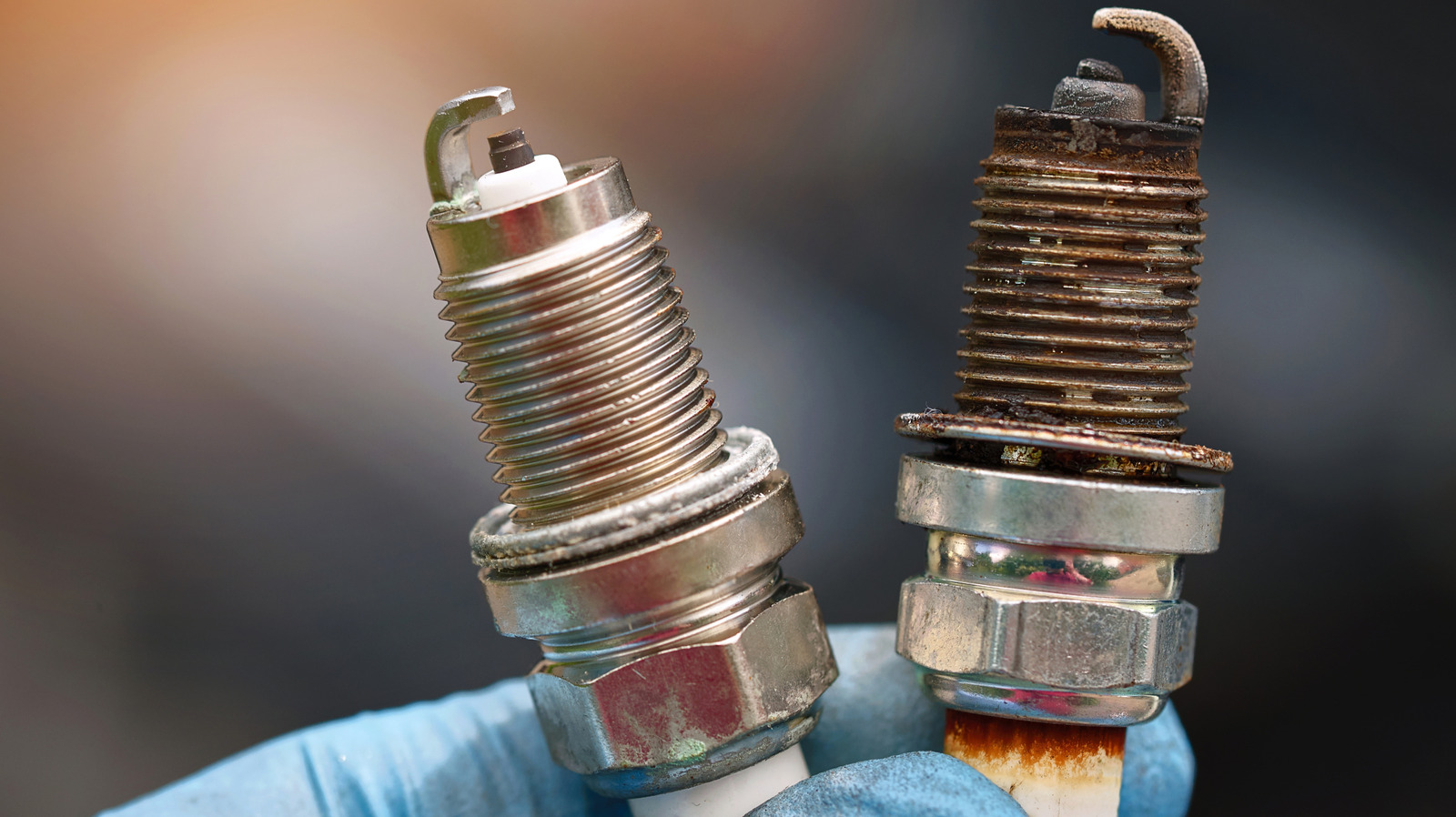
- Look for black, oily deposits on the plug’s tip. This may mean oil leaks or worn rings.
- Check for white or ash-like deposits. These indicate overheating or fuel additives.
- Inspect the electrode gap. A wide gap shows wear and can cause weak sparks.
- Look for cracked or broken insulators. Damaged plugs need immediate replacement.
- Check for rust or corrosion on metal parts. This affects connection quality.
Tools Needed
- Spark plug socket wrench with an extension for easy removal.
- Gap gauge or feeler tool to measure electrode spacing.
- Wire brush or sandpaper to clean dirty plugs if reuse is possible.
- Torque wrench to tighten new plugs to the correct specification.
- Gloves to protect your hands from dirt and heat.
Changing Spark Plugs Yourself
Changing spark plugs yourself can save you money and give you a better understanding of your vehicle’s engine. It’s a hands-on task that requires attention to detail but is manageable if you follow clear instructions. Before you start, make sure you have the right tools and a clean workspace to avoid any complications.
Step-by-step Process
- Locate the spark plugs:Open your hood and find the spark plug wires or ignition coils. These lead directly to the spark plugs.
- Remove the spark plug wires or coils:Gently pull the wires by the boot, not the wire itself, to avoid damage. If your car has coils, unscrew and detach them carefully.
- Clean around the spark plug area:Use compressed air or a brush to remove dirt. This prevents debris from falling into the cylinder when you remove the plugs.
- Use a spark plug socket and ratchet:Attach the socket to the ratchet and turn counterclockwise to loosen and remove the spark plug.
- Check the new spark plugs:Verify the gap with a feeler gauge. Adjust if necessary to match your vehicle’s specifications.
- Install the new spark plugs:Thread them in by hand first to avoid cross-threading, then tighten with the socket. Don’t overtighten; follow the torque specs in your manual.
- Reattach the wires or coils:Push the wires back firmly onto the plugs or screw the coils back in place.
- Start your engine:Listen for any irregular sounds or misfires that might indicate a loose connection or improper installation.
Common Mistakes To Avoid
- Not checking the gap:Installing spark plugs without the correct gap can lead to poor engine performance or misfires.
- Over-tightening:Applying too much force can damage the threads or even break the spark plug inside the cylinder.
- Removing wires incorrectly:Pulling on the wires instead of the boot can cause damage that leads to misfires later.
- Skipping cleaning:Dirt falling into the cylinder can cause engine damage and affect combustion.
- Using the wrong spark plug type:Always match the spark plug model to your car’s requirements to avoid compatibility issues.
Have you ever felt hesitant about doing this job yourself? The key is patience and careful handling. Taking your time prevents errors that could cost you more in repairs later.

Credit: www.reddit.com
Benefits Of Timely Spark Plug Replacement
Replacing spark plugs on time is one of the simplest ways to keep your vehicle running smoothly. Many drivers overlook this small part, but it plays a crucial role in your engine’s performance. Let’s look at the clear benefits you gain by changing spark plugs when needed.
Improved Engine Efficiency
Worn-out spark plugs cause your engine to misfire or run roughly. This wastes fuel and reduces power. When you replace them timely, your engine gets a consistent spark, which helps it burn fuel more completely.
You’ll notice smoother acceleration and better throttle response. Have you ever felt your car hesitate or jerk during acceleration? Fresh spark plugs often solve that instantly.
Lower Emissions
Old spark plugs don’t ignite fuel properly, leading to incomplete combustion. This increases the pollutants your car emits. By changing spark plugs regularly, you help your vehicle produce fewer harmful emissions.
This not only benefits the environment but also helps your car pass emissions tests. If you want to reduce your carbon footprint without expensive upgrades, timely spark plug replacement is a simple step.
Extended Engine Life
Neglecting spark plugs can cause strain on your engine’s ignition system and other parts. Over time, this leads to costly repairs or premature engine wear. Keeping spark plugs fresh reduces this stress and keeps your engine healthier for longer.
Think about your last vehicle repair bill—could a small maintenance task like replacing spark plugs have prevented it? Staying on top of this task protects your investment and saves money down the road.
When To Seek Professional Help
Knowing when to seek professional help for changing spark plugs can save you time and prevent costly engine damage. While some spark plug replacements are straightforward, others can be tricky and require expert attention. Recognizing the signs that your vehicle needs a mechanic can keep your engine running smoothly and extend its lifespan.
Complex Engine Designs
Modern cars often have complex engine designs that make spark plug replacement challenging. If your spark plugs are buried deep in the engine bay or covered by other components, removing them without the right tools can cause damage.
Some engines use coil-on-plug systems or have tight spaces that require special techniques. If you find yourself struggling to access the spark plugs or if the process feels too complicated, it’s a good idea to consult a professional.
Attempting a DIY job in these cases might lead to stripped threads or broken parts, which can be expensive to fix. Have you checked if your car’s manual mentions any special precautions? That can guide you on when to hand over the task to an expert.
Persistent Engine Issues
If your engine keeps misfiring, idling roughly, or showing poor fuel efficiency even after changing the spark plugs, it may signal a deeper problem. Sometimes, spark plugs aren’t the root cause but just a symptom of issues like ignition coil failure or fuel system problems.
When you notice these persistent issues, it’s wise to have a professional diagnose the problem. Mechanics use diagnostic tools to pinpoint exact causes beyond just spark plug wear.
Don’t ignore repeated engine troubles; they can escalate and cause more damage over time. Could your car be trying to tell you something more serious is going on?

Credit: www.youtube.com
Frequently Asked Questions
How Often Should Spark Plugs Be Replaced?
Spark plugs typically need replacement every 30,000 to 100,000 miles. Check your car’s manual for specific intervals. Regular replacement ensures optimal engine performance and fuel efficiency.
What Are Signs Of Worn Spark Plugs?
Signs include engine misfires, poor fuel economy, rough idling, and difficulty starting. Worn plugs reduce engine power and increase emissions, indicating it’s time for a change.
Can Driving Habits Affect Spark Plug Life?
Yes, aggressive driving and frequent short trips can wear spark plugs faster. Gentle driving and regular maintenance extend spark plug lifespan and improve overall engine health.
Are All Spark Plugs The Same For Every Car?
No, spark plugs vary by engine type and manufacturer specifications. Always use the recommended spark plugs for your vehicle to ensure proper fit and performance.
Conclusion
Changing spark plugs regularly keeps your car running smooth and strong. Most cars need new spark plugs every 30,000 to 100,000 miles. Check your owner’s manual for exact timing. Worn spark plugs can cause poor fuel economy and engine trouble.
Don’t wait for problems to start. Keep an eye on your spark plugs and replace them as needed. A small step that saves big money and hassle later. Simple care helps your car last longer and run better.





