Are you wondering when your car’s spark plugs need replacing? You’re not alone.
Many drivers overlook this small but vital component of their vehicle’s engine. Yet, spark plugs are crucial for the smooth operation of your car. They ignite the air-fuel mixture, powering your engine and ensuring your car runs efficiently. Ignoring worn-out spark plugs can lead to poor fuel economy, sluggish performance, and even costly engine damage.
You’ll discover the telltale signs that it’s time to replace your spark plugs. You’ll also learn how maintaining them can save you money and keep your car running like new. Stay with us to ensure you’re not caught off guard by unexpected car troubles.

Credit: simonsautorepairtaunton.com
Signs Of Worn Spark Plugs
Worn spark plugs affect your car’s performance in many ways. They are small but vital parts that create the spark to ignite fuel. When they wear out, problems appear quickly. Recognizing signs of worn spark plugs helps avoid bigger engine troubles. These signs often show up during everyday driving.
Engine Misfires And Rough Idling
Worn spark plugs cause the engine to misfire. The spark may be weak or inconsistent. This results in rough idling and shaking. You might feel the engine struggling or hear unusual noises. Misfires reduce smooth driving and can damage other parts over time.
Decreased Fuel Efficiency
Old spark plugs burn fuel less efficiently. This means the engine uses more gas to run. You will notice your fuel tank empties faster than normal. Lower fuel efficiency leads to higher costs and more pollution. Replacing worn spark plugs improves mileage.
Difficulty Starting The Engine
Starting the engine can become hard with bad spark plugs. The spark needed to ignite fuel weakens. This causes the engine to crank longer or fail to start at all. Cold mornings make this problem worse. Fresh spark plugs ensure quick and easy starts.

Credit: beachautomotive.com
Recommended Replacement Intervals
Knowing the recommended replacement intervals for spark plugs can save you from unexpected engine problems and costly repairs. These intervals are not arbitrary—they depend on several factors including your vehicle’s manufacturer, how you drive, and the type of spark plugs installed. Understanding these details helps you plan maintenance better and keep your engine running smoothly.
Manufacturer Guidelines
Your vehicle’s manufacturer provides specific recommendations for spark plug replacement. These are usually found in your owner’s manual or maintenance schedule. Following these guidelines ensures your car performs as designed and helps maintain fuel efficiency.
Most manufacturers suggest replacing spark plugs every 30,000 to 100,000 miles, but this range varies widely. Some newer cars equipped with iridium or platinum spark plugs can go longer without replacement. Ignoring these guidelines might lead to poor engine performance or increased emissions.
Impact Of Driving Conditions
How and where you drive affects how quickly your spark plugs wear out. Short trips, stop-and-go traffic, or driving in dusty or humid environments can cause plugs to degrade faster. If your daily commute involves heavy traffic or harsh weather, consider replacing spark plugs more frequently.
Have you noticed your engine misfiring during cold starts or a drop in fuel economy? These signs might indicate that your spark plugs are overdue for a change, regardless of mileage. Adjusting your maintenance schedule based on your unique driving conditions can prevent bigger issues down the road.
Differences Between Spark Plug Types
Spark plugs come in various types like copper, platinum, and iridium, each with different lifespans and performance levels. Copper plugs typically need replacement every 20,000 to 30,000 miles, while platinum plugs last around 60,000 miles. Iridium plugs can often go up to 100,000 miles before needing a change.
Choosing the right spark plug type affects not only replacement intervals but also engine efficiency and smoothness. If you upgrade from copper to iridium plugs, you might extend the time between replacements. Are your current spark plugs the best match for your car and driving habits?
Factors Affecting Spark Plug Lifespan
Understanding the factors that affect spark plug lifespan can save you time and money. Spark plugs don’t wear out the same way in every vehicle. Several elements impact how long they last, and being aware of these can help you decide the right time to replace them.
Engine Performance And Load
Your engine’s performance plays a big role in how quickly spark plugs wear out. If you often push your car hard, like towing heavy loads or driving aggressively, the spark plugs work harder and degrade faster. On the other hand, gentle driving under light loads can extend their life significantly.
Have you noticed your engine running rough after a long trip with a heavy load? That’s a sign your spark plugs might be struggling under the extra pressure.
Fuel Quality And Combustion
The type of fuel you use directly affects spark plug health. Low-quality fuel can leave deposits on the plugs, causing misfires and reducing efficiency. Cleaner fuels and additives help keep the combustion chamber cleaner, which prolongs spark plug life.
Consider this: if your fuel contains impurities, how often do you check your spark plugs for residue buildup? Regularly inspecting them can prevent small issues from becoming costly repairs.
Maintenance Habits
Regular maintenance is key to maximizing spark plug lifespan. Skipping routine checks or ignoring engine tune-ups can cause plugs to wear out prematurely. Simple habits like timely oil changes and air filter replacements reduce stress on spark plugs.
Ask yourself, when was the last time you checked your spark plugs during a service? Making it part of your maintenance routine can catch problems early and keep your engine running smoothly.
How To Inspect Spark Plugs
Inspecting your spark plugs is a straightforward way to understand your engine’s health and decide if they need replacement. Regular checks can prevent misfires and improve fuel efficiency. Here’s how you can carefully examine your spark plugs to spot any issues early.
Visual Signs Of Damage
Start by removing the spark plug and looking closely at its tip and insulator. Cracks, chips, or broken electrodes are clear signs it’s time to replace them. Also, check for any signs of melting or burning, which could indicate overheating.
Don’t ignore discoloration either. A white or blistered appearance might mean your engine is running too hot. On the other hand, oily or wet plugs suggest oil leaks inside the engine.
Measuring Electrode Wear
The electrode gap affects how well the spark ignites the fuel-air mixture. Use a feeler gauge to measure the gap between the center and ground electrode. Compare this with the specifications in your vehicle’s manual.
If the gap is too wide, the spark may be weak or inconsistent. A worn electrode often causes this, so if you notice a larger gap than recommended, it’s a strong indicator that replacement is necessary.
Checking For Carbon Deposits
Carbon buildup on the spark plug tip can interfere with the spark’s ability to ignite fuel efficiently. Look for black, dry soot covering the electrodes or insulator.
While a small amount of carbon is normal, thick deposits can signal a rich fuel mixture or frequent short trips that don’t allow the engine to fully warm up. Cleaning might help temporarily, but heavy deposits usually mean it’s time for new plugs.
Benefits Of Timely Replacement
Replacing spark plugs on time can make a real difference to your car’s health and your driving experience. Neglecting this simple maintenance task often leads to avoidable problems that can be costly and frustrating. Let’s look at the key benefits you gain when you don’t delay spark plug replacement.
Improved Engine Performance
Fresh spark plugs ignite fuel more efficiently, helping your engine run smoothly. You’ll notice quicker starts and less hesitation when accelerating. This means your car responds better to your commands, making driving more enjoyable and less stressful.
Have you ever felt your car struggling to pick up speed? Worn spark plugs could be the culprit. Replacing them ensures your engine fires correctly every time, reducing misfires and rough idling.
Enhanced Fuel Economy
Old spark plugs can waste fuel by causing incomplete combustion. When you replace them timely, your engine burns fuel more completely, saving you money at the pump. Even a small improvement in mileage adds up over time.
Think about how often you fill your tank. Could better fuel efficiency mean fewer stops? By maintaining your spark plugs, you make your car more economical without changing your driving habits.
Reduced Emissions
Faulty spark plugs increase harmful emissions by not burning fuel fully. Timely replacement helps your car meet emission standards, which is better for the environment and often necessary for passing inspections. This simple step helps reduce your carbon footprint.
Have you noticed your check engine light turning on? Sometimes, it’s linked to spark plug issues affecting emissions. Keeping your spark plugs fresh helps keep your car cleaner and greener.
Diy Replacement Tips
Replacing spark plugs on your own can save you money and give you a better understanding of your vehicle’s engine. It might seem tricky at first, but with the right approach, it’s a manageable task. Here are some practical tips to help you tackle this job confidently and correctly.
Tools Needed
- Spark plug socket:A special socket designed to fit spark plugs securely without damaging them.
- Ratchet wrench:To turn the spark plug socket easily.
- Extension bar:Helps reach deep-set spark plugs.
- Gap gauge:To check and adjust the spark plug gap.
- Torque wrench:Ensures spark plugs are tightened to the manufacturer’s specs.
- Dielectric grease:Prevents moisture and corrosion on the spark plug boots.
Step-by-step Removal And Installation
Start by locating the spark plugs. They usually sit along the engine block with wires or coil packs connected to them. Carefully remove the wires or coil packs to avoid damage.
Use the spark plug socket with the ratchet and extension to loosen each plug. Turn counterclockwise and gently pull out the plug once loose. Check the old plugs for wear patterns — this can tell you a lot about your engine’s condition.
Before installing new plugs, measure the gap with a gap gauge. Adjust it if necessary to match your car’s requirements. Screw the new plugs in by hand at first to avoid cross-threading.
Use a torque wrench to tighten the plugs to the correct specification. Reattach the wires or coil packs, applying a small amount of dielectric grease to the inside of the boots for better connection and protection.
Safety Precautions
Always work on a cool engine to prevent burns. Disconnect the battery to avoid accidental shocks or shorts. Wear gloves and eye protection to guard against dirt and debris.
Keep track of all parts and tools to avoid leaving anything inside the engine bay. If a spark plug feels stuck, never force it—this can damage the threads and cause costly repairs.
Have you ever faced issues with spark plug wires snapping during replacement? Handling them gently and using dielectric grease can prevent that frustrating problem.
When To Seek Professional Help
Knowing when to seek professional help for your spark plugs can save you from costly repairs and keep your engine running smoothly. Some issues go beyond simple replacement and require expert diagnosis and repair. Recognizing these signs early can prevent further damage and ensure your vehicle performs at its best.
Complex Engine Issues
If your engine struggles to start, misfires frequently, or runs rough despite changing spark plugs, it might be a sign of deeper engine problems. These symptoms could indicate issues like faulty ignition coils, fuel system problems, or even compression loss. At this point, a mechanic’s expertise is crucial to identify and fix the root cause.
Have you noticed your car’s performance suddenly dropping without any obvious spark plug issues? That’s a clear signal to get professional help. Attempting to fix complex engine problems without proper tools and knowledge can lead to bigger headaches down the road.
Unusual Spark Plug Wear Patterns
Sometimes, spark plugs show wear patterns that don’t match common usage or age. For example, heavy carbon deposits, oil fouling, or melted electrodes can point to underlying engine conditions like oil leaks, incorrect fuel mixtures, or overheating. These unusual signs often require a professional’s detailed inspection to diagnose correctly.
Spotting these odd wear patterns can be tricky if you’re not familiar with spark plug conditions. When your plugs look abnormal, don’t just replace them and assume the problem is solved. Consult a technician who can inspect the engine to find what’s causing the abnormal wear.
Diagnostic Testing
Modern vehicles use onboard computers to monitor engine performance, but interpreting these codes often requires specialized diagnostic tools. If your check engine light comes on or your vehicle displays error codes related to ignition or emissions, professional diagnostic testing is necessary.
Using advanced scanners, technicians can pinpoint issues linked to spark plugs and other engine components. This precise approach saves time and money by avoiding guesswork and unnecessary part replacements. Have you ever ignored a check engine light only to face a major repair later? Getting a professional diagnostic test early can prevent that scenario.
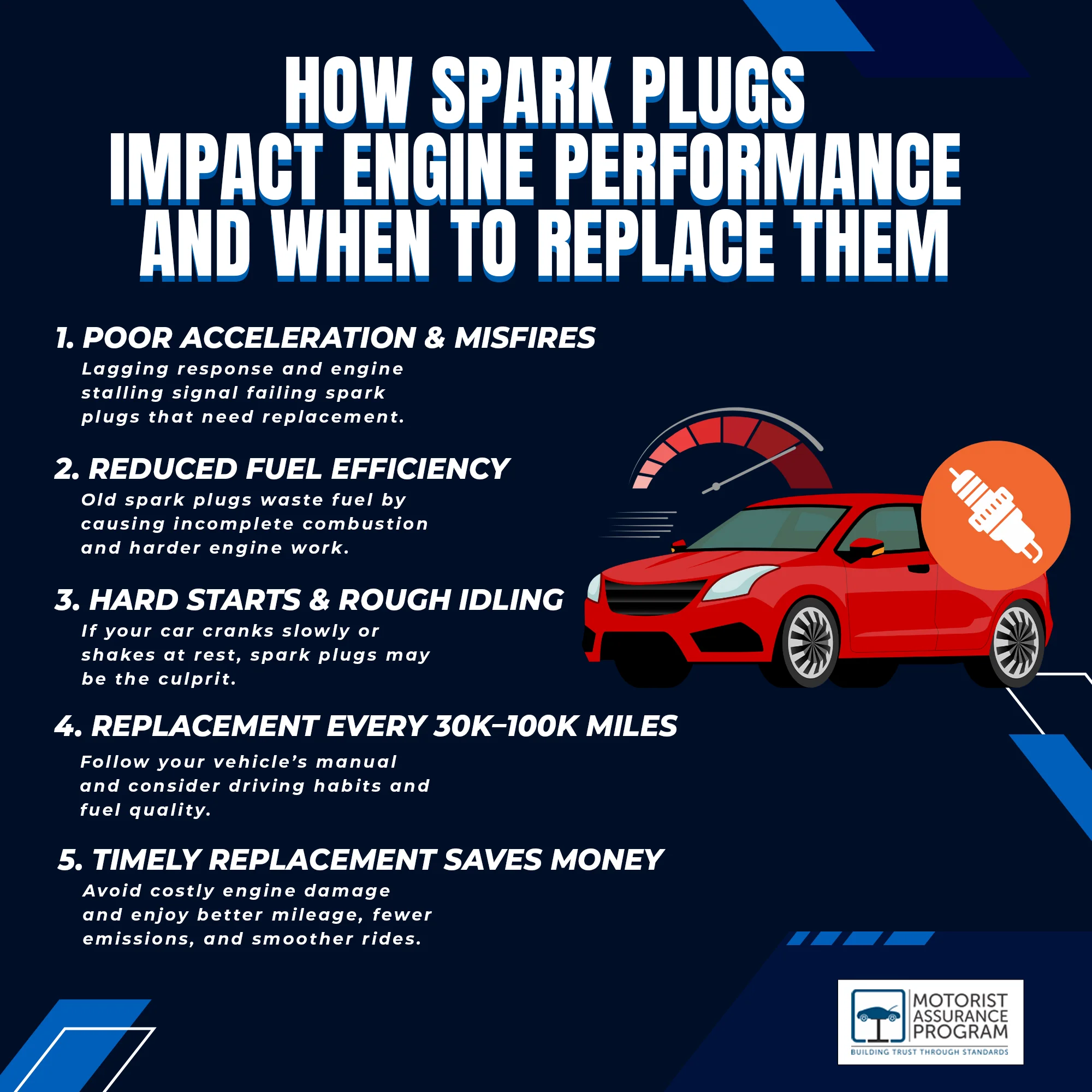
Credit: motorist.org
Frequently Asked Questions
When Should Spark Plugs Be Replaced?
Spark plugs typically need replacement every 30,000 to 100,000 miles. Check your vehicle’s manual for specific intervals. Signs like engine misfires or rough idling also indicate replacement is necessary.
How Do I Know If Spark Plugs Are Worn?
Worn spark plugs cause poor acceleration, engine misfires, or difficulty starting. Visual inspection shows worn electrodes or heavy deposits. These signs mean it’s time to replace spark plugs promptly.
What Happens If Spark Plugs Are Not Replaced?
Neglecting spark plug replacement can cause reduced fuel efficiency, engine misfires, and poor performance. Over time, it may damage the ignition system and increase emissions.
Can I Replace Spark Plugs Myself?
Yes, with basic tools and knowledge, you can replace spark plugs. Always ensure the engine is cool and use the correct spark plug type for your car.
Conclusion
Spark plugs need replacing when your engine runs rough or misfires. Check them every 30,000 to 50,000 miles for most cars. Worn spark plugs cause poor fuel economy and weak engine power. Changing them on time keeps your car smooth and saves money.
Don’t wait for big problems to start. Regular checks help you avoid costly repairs later. Keep your vehicle running well by watching for signs of wear. Simple care goes a long way in car maintenance.





