When it comes to maintaining your vehicle, ensuring that every component is in perfect working order is crucial. One often overlooked yet essential task is properly torquing your spark plugs.
But how much torque do they actually need? This seemingly small detail can have a big impact on your engine’s performance and lifespan. If you’re unsure or worried about over-tightening or under-tightening, you’re not alone. Many drivers find themselves questioning this exact issue.
Don’t let this uncertainty compromise your vehicle’s efficiency. We’ll break down the precise torque specifications you need to know, helping you avoid common mistakes and keep your engine running smoothly. Stay tuned—your car’s optimal performance is just a read away!
Credit: modernautoparts.co.za
Why Torque Matters
Torque is the force used to tighten spark plugs in an engine. Proper torque ensures the spark plugs fit snugly without damage. It affects how well the engine runs and how long the spark plugs last. Using the correct torque keeps the engine safe and efficient.
Impact On Engine Performance
Correct torque helps the spark plug seal the combustion chamber properly. This stops gas leaks and keeps pressure inside the cylinder. Proper sealing improves engine power and fuel efficiency. It also helps the spark plug create a strong spark. A strong spark means better ignition of the fuel-air mix.
Loose spark plugs can cause misfires and rough idling. Over-tightened plugs may crack or damage the threads. Both cases reduce engine performance and increase fuel consumption. Proper torque keeps the engine running smooth and clean.
Risks Of Over And Under Torque
Over torque can crack the spark plug insulator or strip the threads. This leads to costly repairs and unsafe driving. Over-tightening also makes spark plug removal hard later.
Under torque causes the spark plug to loosen during engine use. Loose plugs cause misfires, poor fuel economy, and engine vibration. It can also cause exhaust leaks and damage to the cylinder head.
Using a torque wrench helps apply the exact force needed. Follow the manufacturer’s torque specifications for best results. Proper torque protects engine parts and improves safety.
Recommended Torque Values
Getting the torque right on your spark plugs is crucial for your engine’s performance and longevity. Too little torque can cause misfires or poor engine efficiency, while too much risks damaging the threads or the spark plug itself. Understanding the recommended torque values will help you avoid these issues and keep your vehicle running smoothly.
Torque Specs By Vehicle Type
Different types of vehicles require different torque settings for spark plugs. For example, passenger cars with aluminum cylinder heads usually need less torque compared to trucks with cast iron heads.
| Vehicle Type | Torque Range (ft-lbs) | Torque Range (Nm) |
|---|---|---|
| Passenger Cars (Aluminum Heads) | 10 – 15 | 13.6 – 20.3 |
| Light Trucks (Cast Iron Heads) | 15 – 20 | 20.3 – 27.1 |
| Motorcycles | 10 – 12 | 13.6 – 16.3 |
Have you noticed how your vehicle’s manual gives a very specific torque number? This is because even small variations can affect your engine’s performance.
Manufacturer Guidelines
Always check the manufacturer’s guidelines before tightening your spark plugs. These specs are designed based on the engine’s materials and design.
- OEM Spark Plugs:Follow the torque specs listed in the vehicle’s owner manual or service guide.
- Aftermarket Spark Plugs:Check both the vehicle and spark plug manufacturer recommendations; sometimes they differ.
Ignoring these guidelines might lead to stripped threads or poor sealing, which can cause expensive repairs down the line. Have you ever tightened a spark plug too much and ended up with a costly fix?
Tools For Accurate Torque
Applying the correct torque to spark plugs is essential for engine performance and longevity. Using the right tools ensures precise tightening without damaging the threads or the plug itself. Accurate torque tools help avoid common issues like over-tightening or under-tightening, which can lead to costly repairs.
Torque Wrenches Explained
A torque wrench measures the force used to tighten bolts and nuts. It helps apply a specific torque value accurately. There are different types:
- Click-type:Signals with a click sound at the set torque.
- Beam-type:Uses a scale and needle to show torque.
- Digital:Displays torque on a screen for precision.
Click-type wrenches are popular for spark plugs due to ease of use and accuracy.
Choosing The Right Tool
Select a torque wrench with the correct torque range for your spark plugs. Check your vehicle’s manual for the recommended torque setting. Choose tools that match this range to ensure accurate tightening.
Consider tool quality and calibration. A well-made wrench stays accurate longer. Calibrate your wrench regularly for best results.

Credit: www.reddit.com
Step-by-step Torque Process
The process of torquing spark plugs correctly is crucial for engine performance. Proper torque ensures a tight seal and prevents damage. This section guides you through a clear, easy-to-follow procedure to torque spark plugs safely.
Preparing Spark Plugs
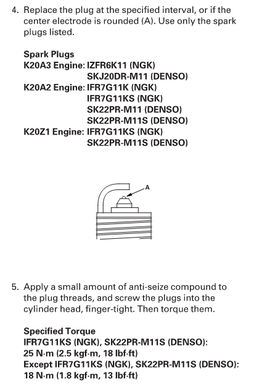
Start by checking the spark plugs for any defects or dirt. Clean the threads gently using a wire brush if needed. Apply a small amount of anti-seize compound to the threads. This helps in easy removal later and protects the threads.
Use a torque wrench that fits the spark plugs. Set the wrench to the manufacturer’s recommended torque value. This value is usually in the vehicle’s manual or on the spark plug box.
Applying Torque Correctly
Insert the spark plug into the engine’s cylinder head carefully. Turn it by hand to avoid cross-threading. Once hand-tight, attach the torque wrench to the spark plug.
Slowly tighten the spark plug until the torque wrench clicks or indicates the preset torque. Avoid over-tightening; it can damage the threads or the spark plug. Under-tightening causes poor engine performance and leaks.
Repeat the process for each spark plug. Double-check the torque on all plugs before finishing.
Common Mistakes To Avoid
Getting the torque right on your spark plugs is crucial, but many people stumble over avoidable mistakes. These errors can lead to engine problems or costly repairs. Knowing what to watch out for will save you time and keep your engine running smoothly.
Cross-threading Issues
Cross-threading happens when you start screwing the spark plug into the cylinder head at the wrong angle. This can damage the threads, making it difficult to get a proper seal or remove the plug later. I once saw a friend struggle with a seized spark plug because of this exact problem—repairing those damaged threads cost him twice the time and money.
To avoid cross-threading, always start threading by hand and ensure the plug is perfectly aligned. If you feel resistance early on, stop and realign. Using tools without checking alignment can cause damage that no amount of torque can fix.
Ignoring Torque Specifications
Ignoring the manufacturer’s torque specs is a common mistake that can cause serious issues. Over-tightening can crack the spark plug or damage the cylinder head, while under-tightening can lead to poor engine performance or even spark plug ejection. Have you ever wondered why your engine misfires after a quick DIY spark plug change? Torque is often the culprit.
Always use a torque wrench set to the exact specification listed in your vehicle manual. If you don’t have one, it’s worth investing in—your engine will thank you. Remember, feeling “tight enough” by hand is rarely good enough.

Credit: www.youtube.com
Signs Of Improper Torque
Knowing the signs of improper torque on your spark plugs can save you from costly repairs and frustrating engine trouble. If spark plugs are not tightened correctly, your engine’s performance will suffer. Recognizing these signs early helps you take quick action and keep your vehicle running smoothly.
Engine Misfires
One of the first signs you might notice is engine misfires. When spark plugs are too loose, the electrical spark may be weak or inconsistent, causing the engine to hesitate or jerk.
On the other hand, over-tightened plugs can damage the threads, leading to poor contact and misfires as well. If your engine stumbles during acceleration or idles roughly, it’s a good idea to check the torque on your spark plugs.
Damage Indicators
Improper torque can lead to visible damage on the spark plugs or the engine itself. Look for cracked porcelain insulators, stripped threads, or broken washers.
These signs often mean the plugs were either tightened too much or not enough. You might also notice oil leaks around the spark plug area, which can happen if the plug isn’t seated properly.
Have you ever experienced any unusual sounds or smells from your engine after changing spark plugs? Those can be subtle hints that torque wasn’t quite right.
Frequently Asked Questions
How Much Torque Is Needed For Spark Plugs?
Spark plugs generally require 15 to 25 ft-lbs of torque. Always check your vehicle’s manual for exact specs. Proper torque ensures a good seal without damaging the threads or spark plug.
Why Is Correct Spark Plug Torque Important?
Correct torque prevents leaks and thread damage. Too loose causes misfires; too tight risks stripping threads. Proper torque ensures engine efficiency and longevity.
Can I Use A Torque Wrench For Spark Plugs?
Yes, a torque wrench is ideal for spark plugs. It ensures precise tightening to manufacturer specifications. Using one avoids over- or under-tightening issues.
What Happens If Spark Plugs Are Over-torqued?
Over-torquing can strip threads or break the spark plug. It may cause engine damage or poor performance. Always follow recommended torque values for safety.
Conclusion
Properly torquing spark plugs keeps your engine running well. Too tight or too loose can cause damage. Always use the right torque value for your vehicle. A torque wrench helps you get it just right. Taking time to torque spark plugs correctly saves money and effort later.
Remember, small details make a big difference in car care. Follow the guidelines, and your engine will thank you. Simple steps lead to better performance and longer engine life.





