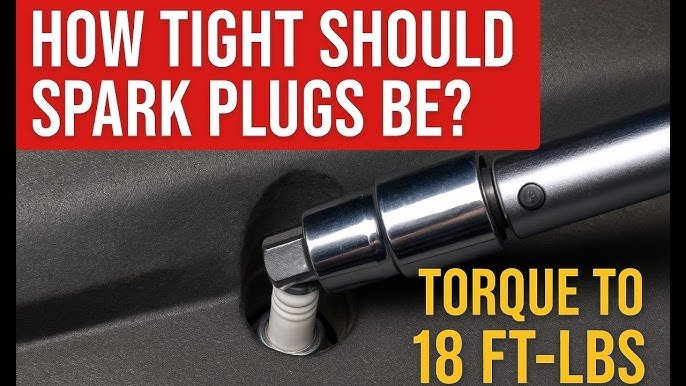
Do you need to torque spark plugs? It’s a question that might seem trivial, yet it holds the key to your engine’s optimal performance.
Imagine driving smoothly down the road, your car purring like a kitten, thanks to perfectly installed spark plugs. This isn’t just about tightening a bolt; it’s about precision and efficiency. Neglecting to torque your spark plugs correctly can lead to engine misfires, reduced fuel efficiency, and costly repairs.
But when done right, it ensures a seamless ride and extends your engine’s life. Curious to know if you’ve been doing it wrong all along? Dive in, and unlock the secrets to maintaining your engine’s health with the right torque.

Credit: www.reddit.com
Why Torque Matters
Torque is the force used to tighten spark plugs into an engine. It ensures the plug fits just right—not too loose, not too tight. Correct torque helps the engine run smoothly and lasts longer. It also stops damage to the spark plug and engine parts.
Impact On Engine Performance
Proper torque helps the spark plug create a strong spark. This spark ignites the fuel-air mix, making the engine work well. Too little torque can cause weak sparks. This leads to poor fuel use and less power.
Too much torque can break the spark plug or damage the engine threads. It may cause misfires or rough idling. Correct torque keeps the engine running clean and efficient.
Risks Of Incorrect Torque
- Loose spark plugs can cause gas leaks and misfires.
- Over-tightening can crack the spark plug or strip engine threads.
- Wrong torque may lead to engine overheating and damage.
- Improperly torqued plugs reduce fuel efficiency and increase emissions.
Using a torque wrench helps apply the exact force needed. This simple tool protects your engine and saves money on repairs.

Credit: www.clubrsx.com
How To Torque Spark Plugs
Knowing how to torque spark plugs correctly can save you from costly engine problems and improve your vehicle’s performance. Applying the right amount of torque ensures a proper seal and prevents damage to both the spark plug and the engine cylinder. Let’s look at what tools you’ll need and the exact process to get it right every time.
Tools Required
- Spark Plug Socket:Specifically designed to fit spark plugs snugly without damaging them.
- Torque Wrench:Essential for applying the correct amount of torque. Choose one with a clear scale.
- Ratchet or Breaker Bar:Used to turn the socket, depending on the torque wrench type.
- Spark Plug Gap Tool:To check and adjust the gap before installation.
- Anti-Seize Compound (optional):Some recommend it on the threads, but check your vehicle manual first.
Step-by-step Process
Start by cleaning the spark plug threads and checking the gap with your gap tool. A proper gap helps the spark plug fire efficiently.
Hand-thread the spark plug into the cylinder head carefully. This prevents cross-threading, which can cause serious damage.
Once the plug is hand-tight, attach your torque wrench and set it to the manufacturer’s recommended torque value. This number varies widely, so always refer to your specific vehicle’s manual.
Slowly tighten the spark plug with the torque wrench until it clicks or indicates the set torque has been reached. Avoid over-tightening, which can crack the plug or strip the threads.
If you’re re-installing used spark plugs, a common tip is to tighten them slightly less than the new plug torque, as the threads are already seated.
Have you ever wondered how skipping torque specs could affect your engine’s performance? Getting this step right prevents misfires and engine damage, making it worth the extra care.
Torque Specifications By Vehicle
Torque specifications for spark plugs vary widely depending on your vehicle’s make and model. Getting the torque right is crucial to avoid damage and ensure optimal engine performance. Over-tightening can strip threads or break plugs, while under-tightening might cause poor engine compression or misfires.
Checking Manufacturer Guidelines
Your vehicle’s manual or service guide is the best place to find the exact torque specs for spark plugs. These guidelines are tested to provide the safest and most effective tightening force for your engine. Ignoring them might seem tempting if you want to speed up the job, but it can lead to costly repairs down the road.
Always double-check the specs for your specific engine type, year, and model. Even similar vehicles from the same brand can have different requirements. If you don’t have the manual, many manufacturers publish torque specs online or through authorized service centers.
Common Torque Ranges
While exact numbers vary, most spark plugs require a torque between 10 to 20 lb-ft (13.5 to 27 Nm). Smaller engines or those with aluminum heads usually need less torque to prevent thread damage. Larger engines or those with cast iron heads often tolerate higher torque.
| Vehicle Type | Typical Torque Range (lb-ft) | Notes |
|---|---|---|
| Compact Cars (e.g., Honda Civic) | 10 – 15 | Aluminum cylinder heads, be gentle |
| Mid-Size Sedans (e.g., Toyota Camry) | 12 – 18 | Moderate torque for balanced fit |
| Trucks and SUVs (e.g., Ford F-150) | 15 – 20 | Cast iron heads, higher torque |
Have you ever tightened a spark plug just by feel? It’s tempting to rely on hand-tightening, but without a torque wrench, you can’t be sure you’re within the right range. Investing in a quality torque wrench pays off by protecting your engine and making your work more professional.
Credit: modernautoparts.co.za
Signs Of Improper Torque
Improper torque on spark plugs can cause several issues in your engine’s performance. It is important to spot the signs early. This helps avoid costly repairs and keeps your vehicle running smoothly. Below are common signs that indicate spark plugs are not torqued correctly.
Engine Misfires
Loose spark plugs cause poor electrical contact. This leads to engine misfires and rough idling. The engine may hesitate or lose power during acceleration. Misfires also increase fuel consumption. Tight spark plugs ensure a stable spark for smooth engine operation.
Damage To Spark Plugs Or Threads
Over-tightened spark plugs can crack the ceramic insulator. This damage reduces spark plug life and performance. Stripped threads in the cylinder head can occur from excessive torque. This can cause costly repairs to the engine block. Proper torque prevents damage and ensures a secure fit.
Tips For Safe Spark Plug Installation
Installing spark plugs correctly is crucial for your engine’s performance and longevity. It’s not just about screwing them in; it requires attention to detail and the right techniques. These tips will help you avoid common mistakes and ensure your spark plugs last longer and work efficiently.
Using Anti-seize Compound
Applying anti-seize compound on the spark plug threads can prevent them from sticking in the cylinder head. This makes future removal much easier and reduces the risk of damaging the threads. However, use it sparingly; too much can affect the torque reading and lead to over-tightening.
Many people skip this step and later struggle with stuck plugs. I once had to drill out a spark plug because it was seized tight. A small dab of anti-seize would have saved me hours of frustration.
Avoiding Over-tightening
Over-tightening spark plugs can strip the threads or even crack the cylinder head, causing expensive repairs. It’s important to follow the manufacturer’s torque specifications precisely. If you don’t have a torque wrench, tighten the plug until it’s snug, then give it an extra quarter turn—but no more.
Think about this: How often do you risk your engine’s health by guessing the tightness? Investing in a torque wrench pays off by preventing costly mistakes and ensuring your spark plugs seal properly for optimal performance.
When To Replace Spark Plugs
Knowing when to replace your spark plugs is crucial for keeping your engine running smoothly. Worn or faulty spark plugs can cause misfires, reduce fuel efficiency, and even damage your engine over time. Understanding the right timing for replacement can save you money and avoid unexpected breakdowns.
Maintenance Intervals
Most car manufacturers provide specific maintenance intervals for spark plug replacement in your owner’s manual. Typically, spark plugs should be replaced every 30,000 to 100,000 miles, depending on the type and quality of the plugs. Have you checked your manual recently? Following these guidelines helps avoid premature wear and ensures consistent engine performance.
Keep in mind that driving conditions can affect these intervals. For example, frequent short trips or stop-and-go traffic may require more frequent changes. If you often drive in dusty or extreme weather, consider inspecting your spark plugs sooner than scheduled.
Performance Indicators
Sometimes your car will give you clear signs that spark plugs need attention. If you notice rough idling, difficulty starting, or decreased fuel efficiency, these are red flags. Have you experienced sudden engine hesitation or loss of power? These symptoms often point to spark plug issues.
Another sign is increased exhaust emissions or a check engine light. Don’t ignore these warnings—addressing spark plug problems early can prevent more costly repairs later. Regularly checking your spark plugs during routine maintenance can help you spot these problems before they affect your driving.
Frequently Asked Questions
Do You Need To Torque Spark Plugs Correctly?
Yes, torquing spark plugs to the manufacturer’s specs ensures proper sealing and heat transfer. It prevents damage and misfires.
What Happens If Spark Plugs Are Over-torqued?
Over-torquing can damage the spark plug threads and cause cracking. It may lead to engine misfires or costly repairs.
Can Under-torqued Spark Plugs Cause Problems?
Yes, under-torqued plugs can loosen, causing poor engine performance, misfires, and potential damage to the cylinder head.
Is A Torque Wrench Necessary For Spark Plugs?
Using a torque wrench ensures accurate tightening. It prevents over or under-tightening, protecting engine components and optimizing performance.
Conclusion
Properly torquing spark plugs ensures your engine runs smoothly and lasts longer. Tight spark plugs prevent leaks and damage to the engine. Too loose or too tight can cause problems and costly repairs. Use a torque wrench to get the right tightness every time.
Checking spark plug torque is a simple step that saves time and money. Don’t skip this important part of car maintenance. Small effort, big difference.





