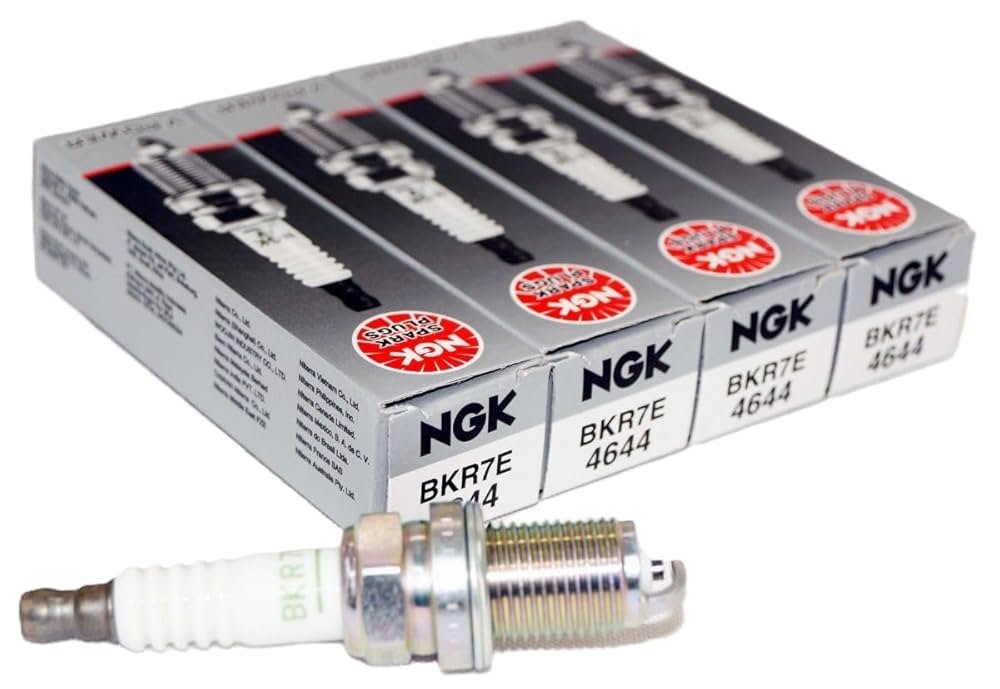
How much should you really spend on spark plugs? It’s a question that might not cross your mind until your car starts acting up.
But choosing the right spark plugs is crucial for your vehicle’s performance and longevity. Whether you’re a seasoned car enthusiast or someone who just wants to keep their car running smoothly, understanding the cost of spark plugs can save you time, money, and a lot of frustration.
We’ll break down everything you need to know about spark plug pricing, helping you make an informed decision and ensuring you’re getting the best bang for your buck. So, if you want to avoid the pitfalls of overpaying or underestimating this essential car component, stick around. You’ll be glad you did.

Credit: www.amazon.ca
Spark Plug Pricing Factors
Spark plug prices vary based on several key factors. Understanding these factors helps in making smart buying choices. Prices depend on the type, brand, materials, and vehicle fit. Each factor affects cost and performance differently.
Types Of Spark Plugs
Spark plugs come in several types with different prices. Standard copper plugs cost less and work well for older cars. Platinum plugs last longer and cost more. Iridium plugs offer the best performance but are the most expensive.
Brand Influence On Cost
Well-known brands usually charge higher prices. They offer better quality control and warranties. Lesser-known brands may be cheaper but vary in reliability. Brand reputation affects how much you pay for spark plugs.
Material Differences
The core materials impact price and durability. Copper plugs wear out faster but are budget-friendly. Platinum plugs resist wear better and cost more. Iridium plugs are very durable and have the highest price tag.
Vehicle Compatibility
Some vehicles need special spark plugs. High-performance engines often require premium plugs. Older or basic models can use standard plugs. Compatibility influences the cost due to design and technology needs.
Average Spark Plug Costs
Understanding the average cost of spark plugs helps you plan your vehicle maintenance budget wisely. Prices vary widely based on quality, brand, and the type of spark plug you choose. Knowing what to expect can prevent overspending and ensure your engine runs smoothly.
Budget Options
Budget spark plugs typically cost between $2 and $5 each. These are often made from basic materials like copper and are suitable for older or less demanding engines. If you drive a daily commuter and want a quick, affordable fix, these can be a practical choice.
Keep in mind, they may wear out faster and require more frequent replacement. Have you ever bought cheap spark plugs only to find they needed changing again within a year? That’s a common experience with budget options.
Mid-range Choices
Mid-range spark plugs usually fall in the $6 to $12 eachrange. These plugs often use materials such as platinum, offering better durability and performance. They’re a great balance if you want reliable ignition without breaking the bank.
Many drivers notice improved fuel efficiency and smoother starts with these plugs. If your car is newer or you drive regularly in varied conditions, these might be worth the investment. Could paying a bit more now save you time and trouble later?
Premium Spark Plugs
Premium spark plugs can cost anywhere from $15 to $30 or more each. These are made with advanced materials like iridium, known for exceptional durability and high performance. They’re ideal for high-performance vehicles or those who want to maximize engine life and efficiency.
While pricier, premium plugs often last longer and deliver consistent power. If you value long-term savings and peak engine function, these are your go-to option. How much is your peace of mind worth when it comes to engine reliability?
Installation Expenses
Installation expenses for spark plugs vary widely depending on the approach taken. Choosing between doing it yourself or hiring a professional affects the total cost. Understanding labor costs and possible extra parts can help you budget better. Careful consideration avoids surprises at the repair shop.
Diy Vs Professional Installation
Installing spark plugs yourself saves money on labor. Basic tools and some car knowledge are needed. This option suits simple engines and confident DIYers. Professional installation costs more but offers expertise and warranty. Complex engines or tight spaces often require a mechanic’s skill. Weighing cost against convenience helps decide the best path.
Labor Cost Breakdown
| Service | Average Cost | Time Required |
|---|---|---|
| Spark Plug Replacement | $40 – $120 | 30 – 60 minutes |
| Engine Inspection | $50 – $100 | 15 – 30 minutes |
| Additional Repairs | Varies | Varies |
Labor charges depend on shop rates and vehicle type. Some shops charge a flat fee. Others bill by the hour. Ask for a clear estimate before work starts.
Additional Parts And Services
Replacing spark plugs sometimes needs new ignition wires. Cleaning or repairing spark plug boots may add to the bill. Dielectric grease or anti-seize compound can improve longevity. Some engines require special spark plugs or gaskets. Extra parts raise the total cost but improve performance.

Credit: www.amazon.ca
Ways To Save On Spark Plugs
Saving money on spark plugs doesn’t have to be complicated. With a few smart moves, you can keep your engine running smoothly without emptying your wallet. Let’s look at some practical ways to cut down on spark plug expenses while still getting quality parts.
Buying In Bulk
If you own multiple vehicles or plan to replace spark plugs regularly, buying in bulk can save you a lot. Stores and online sellers often offer discounts for bulk purchases, sometimes up to 20% off the regular price.
I once bought a pack of eight plugs for my two cars, which lasted me nearly two years. It felt great to stock up and avoid frequent trips to the store. Think about how many plugs you might need over the year and check if bulk buying fits your routine.
Seasonal Discounts
Many auto parts stores run seasonal sales, especially during holidays or end-of-year clearances. Watching out for these sales can shave off a good chunk from your bill.
Sign up for newsletters or alerts from your favorite shops to catch these deals early. Have you noticed how prices dip right before winter or summer? That’s often the best time to buy.
Choosing The Right Shop
Not all shops charge the same for spark plugs, and prices can vary widely between local stores and big chains. Sometimes smaller, independent shops offer better deals or are open to price matching.
Also, check online marketplaces where you might find lower prices but beware of counterfeit products. Ask yourself: are you paying extra for convenience or brand name? Finding the right balance can save you money without compromising quality.
Signs It’s Time To Replace Spark Plugs
Knowing when to replace your spark plugs can save you from costly repairs and keep your car running smoothly. Spark plugs play a crucial role in igniting the fuel-air mixture inside your engine. Ignoring the signs of worn-out spark plugs can lead to bigger problems down the road.
Engine Performance Issues
One of the first signs of failing spark plugs is a noticeable drop in engine performance. Your car might hesitate or jerk during acceleration, making driving frustrating. You may also experience rough idling or misfires, which can cause your engine to shake or sound uneven.
Have you ever felt your car struggle when you press the gas? That could be your spark plugs signaling it’s time for a change.
Fuel Efficiency Drops
Worn spark plugs can cause your engine to burn fuel less efficiently. You might notice your car needs more frequent trips to the gas station even if your driving habits haven’t changed. This happens because the spark plugs aren’t igniting the fuel properly, wasting gas and costing you more money.
Tracking your mileage regularly can alert you to this problem early. Are you getting fewer miles per gallon than usual?
Starting Problems
If your engine struggles to start or takes longer than usual to turn over, bad spark plugs may be the culprit. Faulty plugs can prevent the engine from igniting quickly, leaving you stuck in the driveway. Sometimes you might hear multiple clicks or nothing at all when you turn the key.
Think about the last time your car was slow to start. Did you check your spark plugs? Addressing this issue promptly can save you from being stranded unexpectedly.

Credit: www.amazon.ca
Maintaining Spark Plug Longevity
Keeping your spark plugs in top shape can save you money and prevent unexpected car troubles. Spark plug longevity depends largely on how well you take care of them. Simple habits like proper installation, regular checks, and occasional cleaning can stretch their life significantly.
Proper Installation Tips
Installing spark plugs correctly is the first step to ensuring they last. Always use a torque wrench to tighten them to the manufacturer’s recommended setting. Over-tightening can damage the threads, while under-tightening may cause poor contact and misfires.
Make sure the spark plug gap matches your engine’s specification before installation. Using the wrong gap can lead to inefficient combustion, which wears the plugs faster. Also, apply a small amount of anti-seize compound on the threads to make future removal easier and prevent corrosion.
Regular Inspection
How often do you check your spark plugs? Regular inspection helps spot issues early, like carbon buildup or electrode wear. Aim to inspect them every 20,000 to 30,000 miles, or whenever you notice engine performance problems.
Look for signs such as dark deposits, cracked insulators, or worn electrodes. These indicate the plug’s time is near or there’s an underlying engine problem. Spotting these early can prevent bigger repairs and keep your engine running smoothly.
Cleaning And Care
If your spark plugs aren’t too worn, cleaning can extend their life. Use a soft wire brush or specialized spark plug cleaner to remove carbon deposits gently. Avoid harsh scrubbing that can damage the electrode or insulator.
After cleaning, double-check the gap again before reinstalling. Also, keep your engine running well by using quality fuel and changing air filters regularly. Clean plugs can only do so much if the engine conditions are poor.
Expert Recommendations
Choosing the right spark plugs can make a big difference in how your vehicle runs and how much you spend on maintenance. Experts recommend considering your vehicle type, driving habits, and manufacturer guidelines before buying spark plugs. Knowing when to upgrade and what mistakes to avoid can save you both time and money.
Best Spark Plugs For Different Vehicles
Different vehicles need different spark plugs. For everyday cars, copper spark plugs work well because they’re affordable and reliable. If you drive a high-performance or luxury car, iridium or platinum spark plugs offer better durability and performance.
Trucks and SUVs often benefit from spark plugs designed to handle higher engine stress and longer intervals. Check your vehicle’s manual for specific recommendations to avoid compatibility issues. Have you ever bought spark plugs that didn’t quite fit your engine? It’s more common than you think.
When To Upgrade
You should consider upgrading your spark plugs if you notice rough idling, poor fuel economy, or difficulty starting your vehicle. Most spark plugs last between 30,000 and 100,000 miles depending on the type. Don’t wait for your car to break down; regular checks can catch wear early.
If you frequently drive in harsh conditions like extreme heat or cold, upgrading sooner can prevent engine problems. Have you tracked your spark plug performance during seasonal changes? It’s a simple way to know when replacement is due.
Common Mistakes To Avoid
- Ignoring manufacturer specifications:Using the wrong heat range or type can cause engine damage.
- Skipping regular inspections:Spark plugs wear out gradually, and ignoring this can lead to poor engine performance.
- Over-tightening:This can strip threads or damage the spark plug, causing costly repairs.
- Using low-quality parts:Cheap spark plugs often wear out faster and may not deliver consistent performance.
Have you ever replaced spark plugs only to find your car runs worse? Double-checking these common mistakes can help you avoid that frustration. Taking care of spark plugs properly means smoother rides and fewer surprises at the mechanic.
Frequently Asked Questions
How Much Do Spark Plugs Cost On Average?
Spark plugs typically cost between $10 and $30 each. Prices vary based on type, brand, and vehicle compatibility. Premium or specialty plugs may cost more.
What Factors Affect Spark Plug Prices?
Prices depend on spark plug type, brand, material, and vehicle model. Iridium and platinum plugs are pricier than standard copper ones. Labor charges also influence overall cost.
How Often Should Spark Plugs Be Replaced?
Most spark plugs need replacement every 30,000 to 100,000 miles. Check your vehicle’s manual for specific intervals. Timely replacement ensures optimal engine performance.
Can I Save Money By Replacing Spark Plugs Myself?
Yes, DIY replacement saves labor costs. However, ensure you have proper tools and knowledge. Incorrect installation can cause engine issues or damage.
Conclusion
Spark plug prices vary depending on type and brand. Basic plugs cost less, while premium ones are pricier. Installation fees can add to the total cost. Regular replacement helps your engine run smoothly. Choosing the right spark plugs saves money and improves performance.
Check your vehicle’s manual for recommended plugs. Compare prices online and at local stores. Quality matters more than the lowest price. Keep your car in good shape with timely spark plug care. Simple steps make a big difference in engine health.





