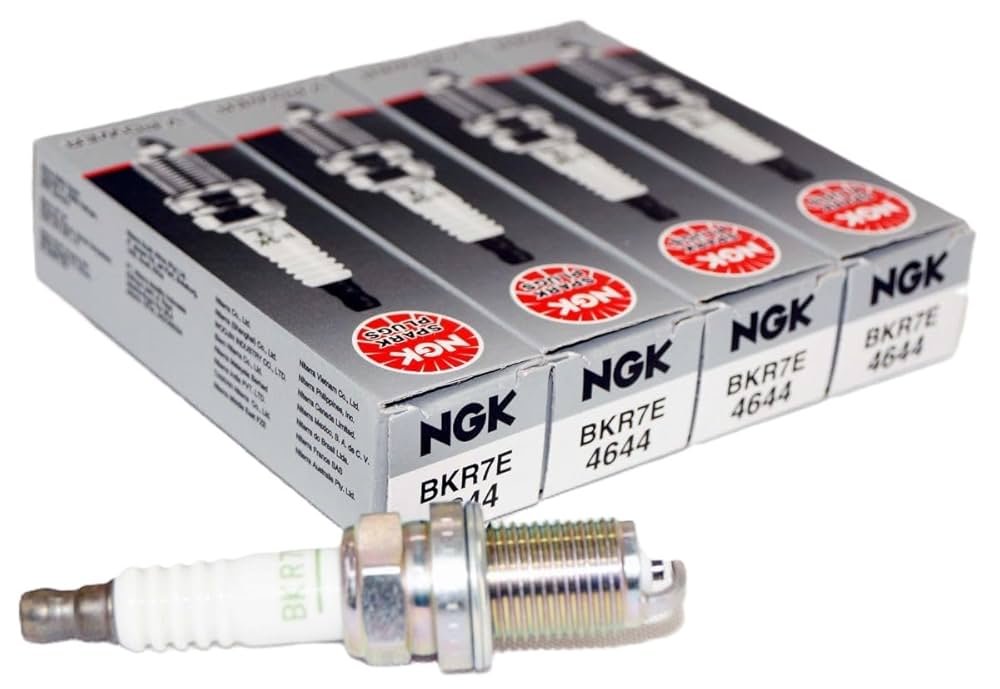
Are you wondering how much spark plugs cost? You’re not alone.
When it comes to maintaining your vehicle, understanding the cost of essential parts is crucial. Imagine driving smoothly without the fear of sudden breakdowns. Spark plugs, though small, play a huge role in keeping your engine running efficiently. If you’ve ever felt overwhelmed by auto repair costs, knowing the price of spark plugs can help you make informed decisions.
This guide will walk you through everything you need to know about spark plug costs, helping you save time and money. Dive in to discover how this little part can make a big difference in your vehicle’s performance.

Credit: www.amazon.ca
Spark Plug Basics
Spark plugs are small parts that play a big role in how a car engine runs. They create sparks that ignite the fuel-air mix inside the engine. This ignition starts the engine’s power cycle. Knowing the basics of spark plugs helps you understand their cost and importance.
Spark plugs affect fuel efficiency, engine power, and emissions. Choosing the right type can improve your car’s performance. Understanding their role and types helps you make smart buying decisions.
Role In Engine Performance
Spark plugs create the spark needed to start combustion. Combustion powers the engine by burning fuel and air. A strong spark means better fuel burning and more power.
Worn or faulty spark plugs can cause misfires. This leads to rough engine running and poor fuel economy. Good spark plugs keep the engine smooth and efficient.
Types Of Spark Plugs
Spark plugs come in different materials and designs. Each type suits different engines and driving needs.
- Copper spark plugs:Offer good conductivity and cost less. They wear faster and need frequent replacement.
- Platinum spark plugs:Last longer than copper plugs. They provide better performance and durability.
- Iridium spark plugs:Have the longest life and best performance. They cost more but improve fuel efficiency.
Choosing the right spark plug depends on your car model and driving habits. Some engines need specific types for best results.

Credit: www.amazon.ca
Price Range Factors
Understanding the factors that affect spark plug prices can help you make smarter choices for your vehicle. Prices vary widely based on several key elements, which impact both performance and longevity. Let’s break down the main reasons why some spark plugs cost more than others.
Material Differences
Spark plugs are made from different materials, and this directly affects their price and durability. Copper plugs are the most affordable but wear out faster. On the other hand, platinum and iridium plugs last longer and offer better performance, but they come with a higher price tag.
Have you ever wondered why your mechanic recommends a more expensive spark plug? It’s usually because those materials handle heat and wear better, meaning fewer replacements over time.
Brand Influence
Brands also play a big role in the cost of spark plugs. Well-known brands often charge more because of their reputation for quality and reliability. Cheaper brands might save you money upfront but could lead to more frequent replacements or engine issues.
Choosing a trusted brand can be a smart investment. Think about it: would you rather pay a bit more now or risk damage and extra costs later?
Vehicle Compatibility
Your vehicle’s make and model heavily influence spark plug prices. Some cars require specialized plugs designed to fit specific engines, pushing the cost higher. High-performance or luxury vehicles often need premium spark plugs that match their advanced systems.
Before buying, check your vehicle manual or consult a professional. Using the right spark plug ensures your engine runs smoothly and saves you from costly repairs down the line.
Affordable Spark Plug Options
Affordable spark plug options help save money on car maintenance. You can find quality spark plugs that fit your budget. These options provide good performance without high costs. Choosing the right spark plug can keep your engine running smoothly and efficiently. It also prevents unnecessary spending on expensive parts.
Budget-friendly Brands
Several brands offer reliable spark plugs at low prices. These brands balance quality and cost well. Some popular budget-friendly spark plug brands include:
- NGK
- ACDelco
- Bosch
- Denso
- Champion
These brands have products suitable for many vehicles. They use materials like copper or standard iridium to keep prices down. These spark plugs still deliver good ignition and last a reasonable time.
Where To Buy
You can buy affordable spark plugs from various places. Local auto parts stores often stock budget-friendly options. Online retailers offer a wide range and competitive prices. Some places to check are:
- Amazon
- AutoZone
- Walmart
- Advance Auto Parts
- eBay
Buying online sometimes offers discounts and bulk deals. Always confirm the spark plug fits your car model. Read reviews to ensure the product’s quality before purchasing.
When To Replace Spark Plugs
Spark plugs play a key role in your car’s engine performance. Knowing when to replace them helps avoid engine issues. Worn spark plugs can cause poor fuel economy, rough idling, and starting problems. Regular checks keep your vehicle running smoothly and save money on repairs.
Signs Of Wear
- Engine misfires or runs roughly
- Reduced fuel efficiency
- Difficulty starting the engine
- Engine stalls or hesitates during acceleration
- Visible damage or corrosion on spark plugs
These signs indicate the spark plugs need inspection or replacement. Regular visual checks can help spot wear early.
Mileage Guidelines
Most spark plugs last between 30,000 and 100,000 miles. This range depends on the type and vehicle model. Copper plugs wear faster, around 30,000 miles. Platinum or iridium plugs can last up to 100,000 miles.
Check your owner’s manual for exact replacement intervals. Following these guidelines prevents engine problems and maintains performance.
Diy Replacement Tips
Replacing spark plugs on your own can save you a surprising amount of money and give you a better understanding of your vehicle’s health. It’s not as complicated as it might seem, especially if you have the right tools and clear instructions. Before you dive in, consider the type of engine you have, as access to spark plugs can vary widely.
Tools Needed
- Spark Plug Socket:This socket has a rubber insert to grip the plug, preventing damage.
- Ratchet Wrench:A 3/8-inch drive ratchet works well for most spark plug sockets.
- Extension Bar:Helps reach plugs that are deep inside the engine bay.
- Torque Wrench:Essential for tightening plugs to the correct specification without over-tightening.
- Gap Gauge:To check and adjust the spark plug gap if needed.
- Anti-Seize Compound:Optional but useful to prevent the plugs from seizing in the cylinder head.
- Dielectric Grease:Keeps moisture out and ensures a good connection on the spark plug boot.
Step-by-step Process
First, make sure your engine is cool. Hot engines can cause burns and make it harder to remove the plugs.
Locate the spark plugs by following the wires or ignition coils. On many modern cars, you’ll need to remove the ignition coils first, usually held in place by a bolt.
Use the spark plug socket with an extension and ratchet to carefully loosen and remove the old plugs. Keep the socket straight to avoid damaging the threads.
Check the gap on your new plugs using the gap gauge. Even new plugs might need adjustment to match your vehicle’s specifications.
If you choose to use anti-seize, apply a small amount on the plug threads. Be cautious not to overapply, as it can affect torque readings.
Insert the new plug by hand at first to avoid cross-threading. Then, use the torque wrench to tighten it according to the manufacturer’s recommended torque.
Apply dielectric grease inside the spark plug boot before reconnecting the ignition coil or wire. This helps maintain a secure, moisture-resistant connection.
Repeat the process for all spark plugs. After finishing, start your engine to make sure it runs smoothly and listen for any misfires.
Have you ever noticed how a misfiring engine can ruin a drive? Replacing spark plugs yourself can often fix this and boost your car’s performance without a trip to the mechanic.
Expert Maintenance Advice
Expert maintenance advice helps keep spark plugs working well. Proper care improves engine performance and saves money. Knowing what to do prevents damage and extends spark plug life.
Preventive Care
Check spark plugs regularly for wear or dirt. Clean them gently with a soft brush. Replace spark plugs as recommended by the car maker. Use the right type of spark plug for your engine. Tighten spark plugs to the correct level to avoid leaks or damage. Keep the engine clean to prevent dirt buildup on the spark plugs.
Common Mistakes To Avoid
- Ignoring signs of worn or damaged spark plugs
- Using incorrect spark plugs not made for your car
- Over-tightening or under-tightening spark plugs
- Skipping regular spark plug checks and replacements
- Using dirty tools or dirty hands during installation
- Not checking for engine problems that affect spark plugs

Credit: www.amazon.ca
Frequently Asked Questions
How Much Do Spark Plugs Cost On Average?
Spark plugs typically cost between $10 and $20 each. Prices vary by brand and vehicle type. Premium spark plugs may cost more. Installation fees are extra if done by a mechanic. Always check compatibility before purchasing.
Are Expensive Spark Plugs Worth The Price?
Expensive spark plugs offer better performance and durability. They can improve fuel efficiency and engine smoothness. However, standard plugs work well for most vehicles. Choose based on your car’s needs and driving habits.
How Often Should Spark Plugs Be Replaced?
Spark plugs usually last 30,000 to 100,000 miles. Check your vehicle’s manual for exact intervals. Worn plugs reduce engine efficiency and cause misfires. Regular replacement ensures optimal engine performance.
Can I Replace Spark Plugs Myself To Save Money?
Yes, replacing spark plugs yourself can save labor costs. Basic tools and some mechanical knowledge are needed. Follow your car’s manual for proper procedure. If unsure, consult a professional to avoid damage.
Conclusion
Spark plugs cost varies by type and brand. Basic plugs usually cost less, while premium ones are pricier. Installation fees might add to the total price. Regular replacement helps your engine run smoothly. Choosing the right spark plug saves money and boosts performance.
Keep track of your car’s needs to avoid issues. A small investment in spark plugs leads to better fuel efficiency. Check your vehicle manual for the best options. Simple care keeps your car healthy and reliable.





