Are you wondering how much spark plugs cost and why they matter to your vehicle’s performance? You’re not alone.
Whether you’re a seasoned car enthusiast or someone who just wants to keep their vehicle running smoothly, understanding the cost and value of spark plugs is crucial. These small but mighty components play a big role in your engine’s health, impacting everything from fuel efficiency to engine performance.
We’ll break down the costs associated with spark plugs, helping you make informed decisions that can save you time and money. Stay with us as we explore what you need to know to keep your engine purring without breaking the bank.
Spark Plug Price Range
The price of spark plugs varies widely depending on their type, quality, and brand. Understanding the price range helps you make a smarter decision for your vehicle and budget. Let’s break down what you can expect when shopping for spark plugs.
Budget Options
Budget spark plugs usually cost between $2 and $5each. These are basic copper plugs that work fine for older or less demanding engines. If your car isn’t high-performance or you need a quick, affordable replacement, these might be enough.
However, keep in mind that budget plugs may wear out faster and need replacement sooner. Have you noticed your engine misfiring or rough idling? Sometimes, investing a little more upfront can save you hassle down the road.
Mid-range Choices
Mid-range spark plugs typically range from $6 to $12each. These often include platinum or double platinum plugs, offering better durability and performance. Many drivers find this price sweet spot ideal for daily driving and moderate engine demands.
These plugs last longer than budget options and improve fuel efficiency slightly. If you want reliable performance without overspending, mid-range plugs are a solid choice. Would you prefer to change plugs less often and enjoy smoother starts?
Premium Spark Plugs
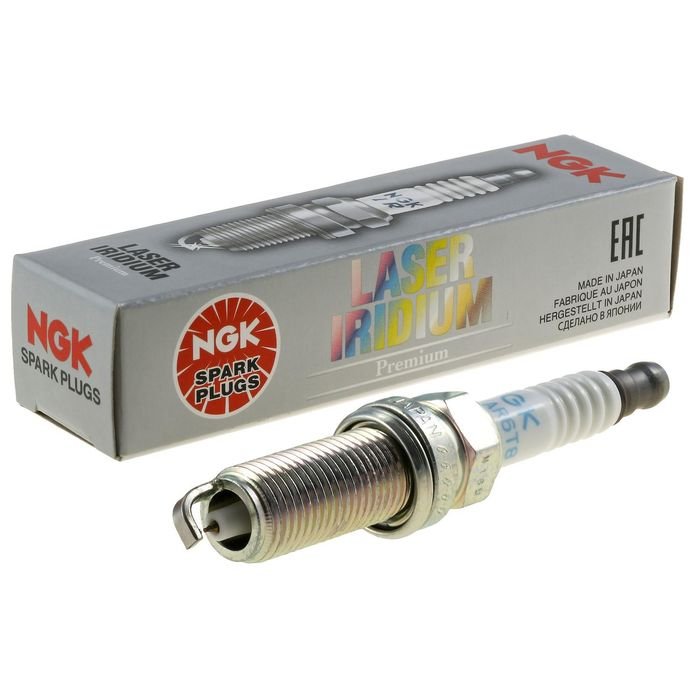
Premium spark plugs can cost anywhere from $15 to $30or more per plug. They usually feature iridium tips, which are extremely durable and provide excellent ignition. High-performance vehicles and drivers who want top efficiency often choose these.
Though pricier, premium plugs can extend intervals between replacements and improve engine power. If you care about maximizing your vehicle’s performance or have a sports car, this investment might pay off. Are you ready to boost your car’s responsiveness with premium parts?
Factors Affecting Spark Plug Cost
Several factors influence the cost of spark plugs. Understanding these helps you choose the right one for your vehicle. The price varies based on materials, brand, and compatibility with your car. Each factor impacts durability, performance, and overall value.
Material Types
Spark plugs come in different materials. Common types include copper, platinum, and iridium. Copper plugs are usually the cheapest but wear out faster. Platinum plugs cost more but last longer than copper. Iridium plugs are the most expensive and offer the best performance and longevity.
Brand Influence
Brand names affect spark plug prices. Well-known brands often charge more due to quality assurance. Lesser-known brands may offer cheaper options but vary in reliability. Trusted brands invest in research and testing, which can justify higher costs.
Vehicle Compatibility
Different vehicles need specific spark plugs. Some engines require specialized plugs that cost more. High-performance or luxury cars often use premium spark plugs. Always check your vehicle’s manual to find compatible spark plugs to avoid extra expenses.
Types Of Spark Plugs
Choosing the right type of spark plug can affect your engine’s performance and how often you need to replace them. Spark plugs come in different materials, each offering unique benefits and costs. Understanding these differences helps you decide what works best for your vehicle and budget.
Copper Spark Plugs
Copper spark plugs are the most basic and affordable option. They have a solid copper core that provides excellent conductivity, which helps with ignition. However, they tend to wear out faster than other types, usually lasting around 20,000 to 30,000 miles.
If you drive an older car or a vehicle that doesn’t require high-performance plugs, copper plugs might be enough. But if you want longer-lasting spark plugs, copper may not be the best choice.
Platinum Spark Plugs
Platinum spark plugs are a step up from copper in both durability and price. They feature a platinum disc welded to the center electrode, which allows them to last longer—typically 60,000 miles or more. This material helps resist wear, making them a smart choice for everyday driving.
You might notice smoother engine performance and better fuel efficiency with platinum plugs. They cost more upfront but save you money on replacements over time.
Iridium Spark Plugs
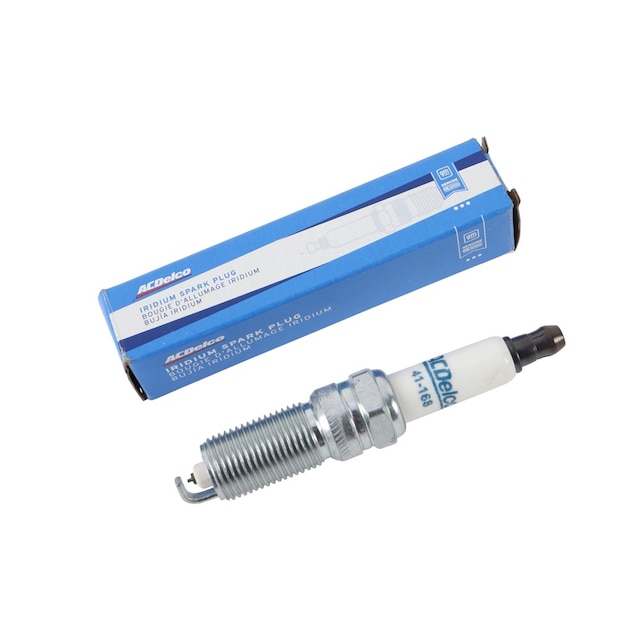
Iridium spark plugs are the premium option and come with a higher price tag. The iridium alloy used in the electrode is extremely hard and durable, allowing these plugs to last over 100,000 miles. They provide excellent ignition and improved fuel economy.
If you’re looking for the best performance and longevity, iridium plugs are worth considering. But ask yourself—does your driving style or vehicle need this advanced option? Sometimes, the extra cost may not translate to noticeable benefits.
Credit: parts.gmparts.com
Cost Comparison By Vehicle Type
Understanding the cost of spark plugs can be confusing because it varies a lot depending on the type of vehicle you have. Each vehicle type demands different spark plugs, which affects the price. Let’s break down the costs by vehicle type to help you budget better and know what to expect.
Cars
Most passenger cars use standard copper or platinum spark plugs, which tend to be affordable. You can find basic spark plugs priced between $2 and $10each. However, if your car requires iridium spark plugs for better performance and longevity, prices can go up to $15 to $30per plug.
Replacing spark plugs on a typical sedan usually means buying four plugs, so you’re looking at a total cost from about $8 to $120, depending on the type. Have you checked your car’s manual lately? It often lists the exact spark plug type and recommended replacement interval, which can save you money and headaches.
Motorcycles
Motorcycle spark plugs are generally smaller and less expensive than car plugs. Most standard motorcycle plugs cost between $4 and $12each. High-performance motorcycles may require specialized plugs, pushing the price closer to $15 to $25.
Since motorcycles usually have fewer cylinders, you’ll typically need fewer spark plugs. This means your total replacement cost might range from $8 to $50. Think about how often you ride and in what conditions—regular maintenance can prevent costly engine issues later on.
Trucks And Suvs
Trucks and SUVs often use heavy-duty spark plugs designed for larger engines and tougher conditions. Prices for these plugs range more widely, from $5 to $40each. Diesel engines usually don’t use spark plugs, so make sure you confirm your engine type before buying.
Because these vehicles often have more cylinders—sometimes six or eight—the total cost can add up quickly. Expect to spend anywhere from $30 to $320for a full set. Do you know if your truck’s spark plugs are overdue for replacement? Delaying can impact fuel efficiency and engine power.
Installation Costs
Installation costs for spark plugs vary widely depending on the method chosen. These costs include labor fees, tools needed, and the time required to complete the job. Knowing the difference between doing it yourself and hiring a professional helps plan your budget better.
Diy Installation Savings
Installing spark plugs yourself saves money on labor fees. You only pay for the spark plugs and basic tools if you don’t own them. This option requires some mechanical skill and patience. The process can take from 30 minutes to an hour per spark plug. Mistakes can cause engine problems, so follow instructions carefully.
Professional Service Fees
Mechanics charge for labor and parts when installing spark plugs. Labor fees typically range from $40 to $100, depending on the vehicle and location. Some cars have hard-to-reach spark plugs, increasing the cost. Professional installation ensures the job is done right and fast. Many shops also check for other engine issues during the service.
When To Replace Spark Plugs
- Every 30,000 to 100,000 miles, depending on spark plug type
- Signs of worn plugs include rough idling and poor fuel economy
- Engine misfires or difficulty starting can indicate replacement needs
- Regular replacement keeps the engine running smoothly and efficiently
Credit: www.ebay.com
Tips To Save On Spark Plugs
Saving money on spark plugs doesn’t mean you have to compromise on quality. With a bit of strategy, you can keep your engine running smoothly while spending less. Here are practical tips that can help you cut costs without sacrificing performance.
Buying In Bulk
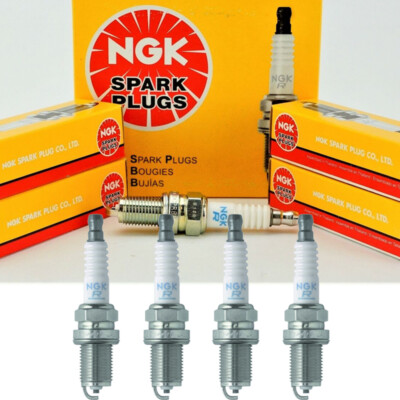
Purchasing spark plugs in packs rather than individually often reduces the price per unit. If you perform regular maintenance or have multiple vehicles, buying in bulk makes sense financially. You’ll avoid frequent trips to the store and might even find online deals that are unavailable for single purchases.
Think about how many spark plugs your vehicle needs and if you can store extras safely. Sometimes, a bulk purchase can also come with extended warranties or free shipping. Have you checked if your trusted online retailer offers bundle discounts?
Seasonal Discounts
Automotive parts like spark plugs often go on sale during certain times of the year. Keep an eye out for holiday sales, end-of-season clearances, or special promotions around major shopping events. Timing your purchase can save you a significant amount.
Sign up for newsletters from auto parts stores to get alerts about discounts. Comparing prices before you buy can reveal surprising deals. Have you noticed price drops during Black Friday or spring maintenance sales?
Choosing The Right Spark Plug
Not all spark plugs are created equal, and using the exact type recommended for your vehicle prevents unnecessary expenses. Picking a premium spark plug when a standard one suffices won’t improve performance but will raise your costs. Check your owner’s manual or consult a mechanic for the correct specification.
Sometimes, mid-range spark plugs offer the best balance between price and durability. Before buying, ask yourself: does the extra cost provide real benefits for your driving needs? Selecting wisely ensures you pay only for what you truly need.
Signs You Need New Spark Plugs
Spark plugs play a key role in your car’s engine. They ignite the fuel-air mix to power the vehicle. Over time, spark plugs wear out and lose efficiency. Recognizing the signs of worn spark plugs helps avoid bigger engine problems. Watch for these common symptoms that suggest new spark plugs are needed.
Engine Misfires
Engine misfires feel like sudden jerks during driving. They happen when spark plugs fail to ignite fuel properly. Misfires cause rough idling and poor engine performance. This can damage other engine parts over time. Replacing spark plugs often fixes this issue quickly.
Poor Fuel Economy
Worn spark plugs burn more fuel than needed. This lowers your car’s miles per gallon. A drop in fuel efficiency means higher fuel costs. New spark plugs improve combustion and save fuel. Watch your fuel gauge closely for unexpected drops.
Starting Issues
Difficulties starting your car can signal bad spark plugs. The engine may crank but not start smoothly. Cold mornings make this problem worse. Fresh spark plugs ensure quick ignition and smooth starts. Don’t ignore slow or failed starts; they affect reliability.

Credit: www.amazon.com
Maintaining Spark Plugs For Longevity
Maintaining your spark plugs well can save you money and prevent unexpected car troubles. Good care helps your spark plugs last longer and keeps your engine running smoothly. Simple habits can make a big difference in performance and cost over time.
Regular Inspection
Check your spark plugs regularly to spot wear or damage early. Look for signs like corrosion, carbon buildup, or worn electrodes. Catching these issues before they worsen can avoid costly repairs down the line.
Set a reminder every 10,000 to 15,000 miles or follow your vehicle’s manual for inspection intervals. Have you ever noticed rough idling or difficulty starting? These can be early clues that your spark plugs need attention.
Cleaning Techniques
Cleaning spark plugs can restore their efficiency without immediate replacement. Use a wire brush or spark plug cleaner to gently remove carbon deposits. Avoid harsh scrubbing that might damage the electrodes.
Some mechanics recommend using a spray cleaner designed for spark plugs, then drying them thoroughly. Remember, a clean spark plug improves fuel efficiency and reduces emissions, benefiting both your wallet and the environment.
Proper Installation
Installing spark plugs correctly is crucial for their longevity and your engine’s health. Make sure to use the right gap size specified for your vehicle. Too wide or too narrow can cause misfires or poor performance.
Apply a small amount of anti-seize compound to the threads and tighten to the proper torque. Over-tightening can strip the threads or crack the plug, while under-tightening leads to poor contact and potential damage. Have you checked your spark plug torque lately?
Frequently Asked Questions
How Much Do Standard Spark Plugs Cost?
Standard spark plugs typically range from $2 to $10 each. Prices vary based on brand and vehicle type. Buying in sets can reduce the overall cost. Labor charges for replacement may add to the total expense.
Are Premium Spark Plugs More Expensive?
Yes, premium spark plugs usually cost between $10 and $30 each. They offer better performance and durability. The price depends on the material, such as iridium or platinum. Premium plugs may improve fuel efficiency and engine power.
What Affects Spark Plug Replacement Cost?
Replacement cost depends on plug type, brand, and labor fees. Labor can range from $40 to $100, depending on vehicle complexity. Some vehicles require more time, increasing costs. DIY replacement reduces overall expenses significantly.
Can Spark Plug Cost Impact Vehicle Maintenance Budget?
Yes, spark plug costs contribute to regular maintenance expenses. Regular replacement ensures optimal engine performance and fuel efficiency. Neglecting spark plug replacement may lead to costly repairs later. Budgeting for spark plugs helps avoid unexpected expenses.
Conclusion
Spark plug prices vary based on type and brand. Basic models cost less, while premium ones are pricier. Labor costs can add to the total expense. Regular replacement keeps engines running smoothly and saves money. Choose spark plugs that fit your car’s needs and budget.
Proper care helps avoid costly repairs later. Knowing costs helps plan your car maintenance better. Simple steps keep your engine healthy and efficient. Spark plug cost is a small price for good performance.





