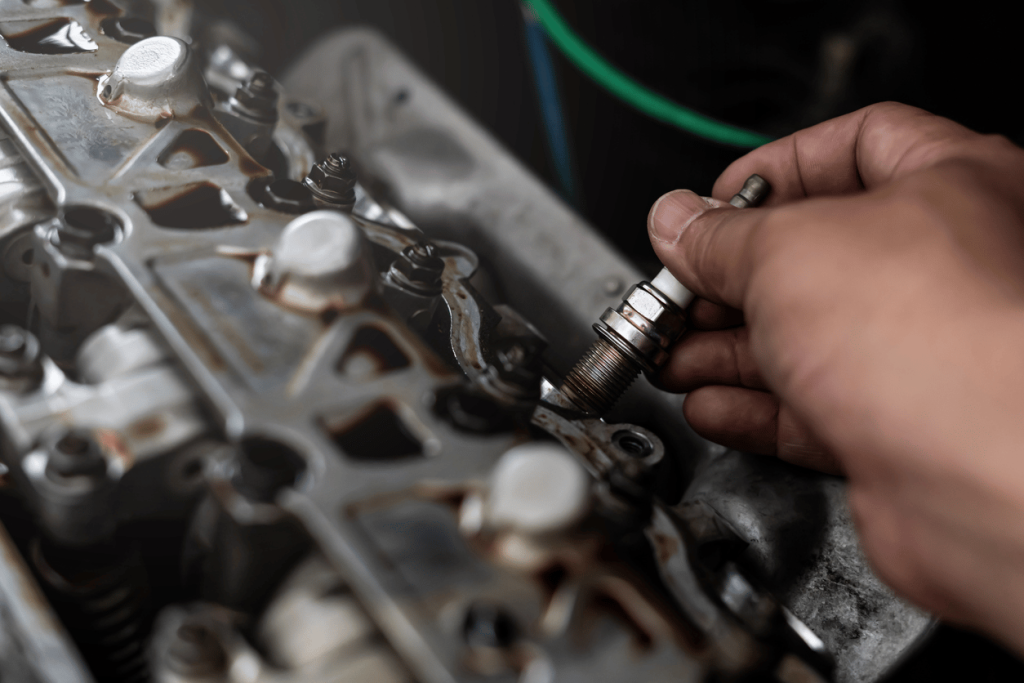
Are you wondering how much it really costs to install spark plugs on your car? Whether you’re dealing with engine misfires or just keeping up with routine maintenance, knowing the price ahead of time can save you both money and stress.
You’ll discover the key factors that affect spark plug installation costs and learn how to avoid unexpected expenses. Keep reading to make sure you get the best value for your vehicle without any surprises.
Spark Plug Types And Prices
Understanding the types of spark plugs and their prices can help you make smarter choices for your vehicle. Different spark plugs offer varied benefits and costs, so knowing what suits your engine and budget is key. Let’s break down the main types and what you might expect to pay for each.
Standard Spark Plugs
Standard spark plugs, often called copper plugs, are the most basic and affordable option. They usually cost between $2 and $5each. These plugs work well for older or less demanding engines but may wear out faster than other types.
They’re easy to replace and widely available, making them a go-to for many drivers. However, if you drive a lot or want longer-lasting performance, you might want to explore other options.
Iridium And Platinum Options
Iridium and platinum spark plugs are pricier, typically ranging from $10 to $25each. These plugs last longer and provide better ignition, improving fuel efficiency and engine smoothness.
Iridium plugs are known for their durability and superior performance in modern vehicles. Platinum plugs offer a good balance between cost and longevity, making them a popular middle ground.
Performance Spark Plugs
If you’re looking for maximum power and efficiency, performance spark plugs might be your choice. Prices vary widely, from $15 to $40or more, depending on the brand and technology used.
These plugs are designed for high-performance engines and can enhance throttle response and horsepower. But ask yourself: does your daily drive really need this level of upgrade? Sometimes, standard or iridium plugs offer the best value without overspending.
Factors Influencing Installation Costs
Several factors affect the cost of installing spark plugs. These factors vary by vehicle type, location, and service complexity. Understanding these details helps estimate the overall expense better.
Vehicle Make And Model
Different vehicles need different spark plugs. Some cars have easy-to-reach spark plugs. Others have plugs deep inside the engine.
Luxury and performance cars often require special spark plugs. These can cost more than standard ones. Also, some engines have more spark plugs, raising the cost.
Labor Rates By Location
Labor costs change depending on where you live. Big cities usually have higher labor rates than small towns. Service shops charge different prices based on local demand and cost of living.
Dealerships often charge more than independent mechanics. It is good to check multiple shops to find a fair price.
Additional Parts And Services
Sometimes, extra parts or services are needed during installation. This includes things like spark plug wires or ignition coils. If these parts wear out, replacing them adds to the bill.
Cleaning the engine or inspecting other components may also increase the cost. These services improve performance and prevent future problems.
Diy Installation Vs. Professional Service
Deciding whether to install spark plugs yourself or hire a professional can significantly affect your costs and the quality of the job. Understanding the differences in tools, skills, and risks involved helps you make an informed choice that fits your budget and confidence level.
Tools And Skills Needed
DIY spark plug installation requires some basic but specific tools. You’ll need a spark plug socket, a ratchet, and possibly a torque wrench to ensure proper tightness. Additionally, having the skill to locate and remove the old plugs without damaging your engine parts is crucial.
If you’re unsure about how to use these tools or identify the correct spark plug type for your car, hiring a professional might save you headaches. Professionals bring experience and the right tools, which can prevent costly mistakes.
Time Investment
Installing spark plugs yourself can take anywhere from 30 minutes to an hour, depending on your experience and the vehicle’s design. Some engines make access to spark plugs easier, while others require removing engine covers or other components.
Professionals usually complete the job faster, often within 20 to 30 minutes. If you value your time or have a busy schedule, paying for a quick service might be worth the extra cost.
Risks And Benefits
Doing it yourself saves money on labor, but there’s a risk of damaging spark plugs or engine parts if you’re not careful. Cross-threading or overtightening plugs can lead to expensive repairs.
Hiring a professional reduces these risks and provides peace of mind with a warranty on work done. However, it comes at a higher upfront cost.
Ask yourself: How confident are you in your mechanical skills? Would you rather invest time learning a new skill or pay for convenience and expertise?

Credit: simonsautorepairtaunton.com
Cost Breakdown By Vehicle Type
Costs for installing spark plugs vary by vehicle type. Different engines need different plugs and labor time. This affects both parts price and service fees. Understanding the cost breakdown helps plan your budget better.
Sedans And Compact Cars
Sedans and compact cars usually have 4-cylinder engines. These engines use standard spark plugs. Parts cost ranges from $10 to $20 per plug. Labor time is about 30 to 60 minutes. Total cost usually falls between $80 and $150.
Suvs And Trucks
SUVs and trucks often have larger engines, like V6 or V8. They need more spark plugs, sometimes 6 or 8. Parts cost per plug can be $15 to $30. Labor may take 1 to 2 hours. Total installation cost ranges from $150 to $300.
High-performance Vehicles
High-performance cars use special spark plugs. These plugs cost more, often $30 to $50 each. Labor is more complex and can take 2 hours or more. Total cost can reach $300 to $500 or higher.
Signs You Need Spark Plug Replacement
Knowing when to replace your spark plugs can save you from costly repairs and keep your car running smoothly. Spark plugs play a crucial role in igniting the fuel-air mixture inside your engine. If they wear out, your engine’s performance suffers, leading to noticeable signs that shouldn’t be ignored.
Engine Misfires
Have you ever felt your car jerk or hesitate during acceleration? That’s often a sign of engine misfires caused by faulty spark plugs. Misfires happen when the spark plug fails to ignite the fuel properly, resulting in incomplete combustion.
This not only reduces power but can also damage your catalytic converter over time. If your engine is misfiring, it’s a clear signal to check the spark plugs immediately.
Poor Fuel Economy
Are you filling up your gas tank more often than usual? Worn spark plugs can cause inefficient fuel burning, meaning your engine uses more fuel to generate the same power.
Even a small drop in fuel efficiency adds up quickly. Monitoring your mileage and noticing a sudden decrease is an easy way to detect spark plug problems early.
Difficulty Starting
Struggling to start your car is frustrating and could be linked to spark plugs that are past their prime. Weak or fouled spark plugs can fail to produce the necessary spark to start the engine easily.
If you notice your car cranks longer than before or requires multiple attempts to start, it’s time to inspect your spark plugs. Don’t wait until you’re stranded—address this issue promptly.

Credit: www.reddit.com
Tips To Lower Installation Costs
Installing spark plugs can be a necessary but costly part of car maintenance. However, you don’t have to accept the highest price you see. There are smart ways to reduce how much you pay without sacrificing quality or reliability.
Shop Around For Quotes
Getting multiple quotes from different mechanics or service centers can save you a surprising amount. Prices for the same service can vary widely even within the same city.
Check online reviews to ensure the shop you choose is reputable. Sometimes, smaller shops offer better rates and more personalized service than big chains.
Use Quality Aftermarket Parts
OEM spark plugs aren’t the only option. High-quality aftermarket spark plugs often cost less and perform just as well.
Ask your mechanic if they recommend any reliable aftermarket brands. This way, you can avoid paying extra just for a brand name.
Combine Maintenance Tasks
Have you noticed how every trip to the mechanic adds up? Combining spark plug installation with other scheduled maintenance—like oil changes or air filter replacements—can cut down labor costs.
Mechanics usually charge a flat fee for labor, so bundling jobs means you pay less overall. It’s a practical way to keep your car in top shape without frequent visits.
Maintenance Frequency And Longevity
Knowing how often to maintain or replace your spark plugs can save you money and prevent engine troubles down the road. The lifespan of spark plugs varies widely, so understanding what affects their longevity is key to planning your maintenance. Let’s look at what manufacturers suggest and how your driving habits can change the game.
Manufacturer Recommendations
Every vehicle manual lists a recommended interval for spark plug replacement. This usually ranges between 30,000 and 100,000 miles, depending on the type of spark plugs used.
Standard copper spark plugs tend to wear out faster, often around 30,000 miles. On the other hand, platinum or iridium plugs can last up to 100,000 miles.
Ignoring these guidelines can lead to poor engine performance and increased fuel consumption. Have you checked your car’s manual lately to see what it says about your spark plugs?
Impact Of Driving Conditions
Your driving style and environment have a big impact on spark plug life. Frequent short trips and stop-and-go traffic cause more wear than long highway drives.
Dusty or salty environments can also corrode spark plugs faster. If you often drive in harsh conditions, consider inspecting your plugs more frequently than the manual suggests.
Think about your daily commute—does it involve lots of idling or rough roads? Adjusting your maintenance schedule to fit these factors can keep your engine running smoothly without surprises.

Credit: www.reddit.com
Frequently Asked Questions
How Much Do Spark Plugs Cost To Install?
Installing spark plugs typically costs between $100 and $300. Prices vary by vehicle make, model, and labor rates. Parts usually cost $10 to $20 each. Labor time ranges from 30 minutes to 2 hours depending on engine accessibility. Always get a detailed estimate.
What Factors Affect Spark Plug Installation Cost?
Costs depend on vehicle type, spark plug quality, and labor rates. Complex engines require more time, increasing labor costs. Using premium spark plugs also raises expenses. Regional labor rates and shop fees influence the final price. Getting multiple quotes helps find the best deal.
Can I Install Spark Plugs Myself To Save Money?
Yes, if you have basic mechanical skills and tools. DIY installation saves labor costs but requires care to avoid engine damage. Consult your vehicle’s manual for correct spark plug type and gap. Watch tutorials and use proper torque when tightening plugs.
How Often Should Spark Plugs Be Replaced?
Most spark plugs last 30,000 to 100,000 miles depending on type. Check your vehicle’s maintenance schedule for recommended intervals. Replacing plugs on time ensures optimal engine performance and fuel efficiency. Worn plugs cause misfires, rough idling, and reduced power.
Conclusion
Understanding spark plug installation costs helps budget for vehicle maintenance. Costs vary based on car model and mechanic rates. Typically, the price ranges from $50 to $250, including labor. DIY installation can lower expenses but requires tools and knowledge. Always consider professional help if unsure.
Regular maintenance ensures better performance and longer engine life. Investing in quality spark plugs can save future repair costs. Stay informed and consult trusted professionals for accurate estimates. Keep your vehicle running smoothly with well-maintained spark plugs. This simple step can prevent costly issues down the road.





