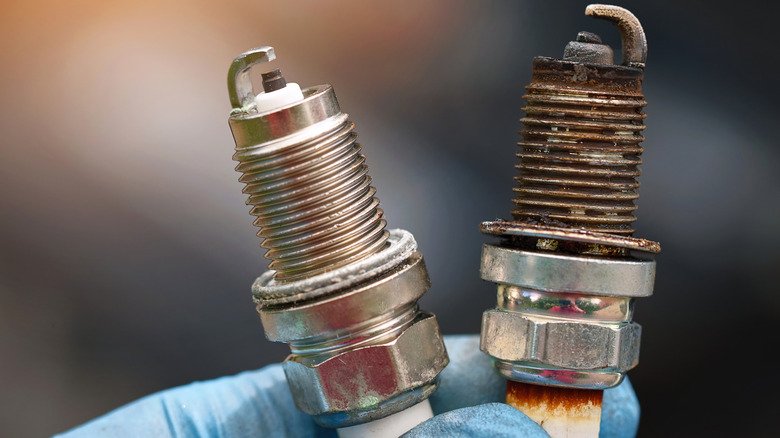
Ever wondered how long a spark plug lasts? You’re not alone.
Many drivers aren’t sure when to replace these crucial parts. Spark plugs might be small, but they play a big role in your car’s performance. A well-functioning spark plug can mean the difference between a smooth ride and one full of frustrating stalls and starts.
By understanding their lifespan, you can save yourself time, money, and the headache of unexpected car troubles. We will explore just how long you can rely on your spark plugs. Stick around, because knowing this could keep your engine running smoother for longer.

Credit: www.toyotanation.com
Spark Plug Lifespan Factors
The lifespan of a spark plug depends on several key factors. These factors influence how long the spark plug can work efficiently. Understanding these can help you know when to replace your spark plug. Each factor plays a role in spark plug wear and performance.
Material Types
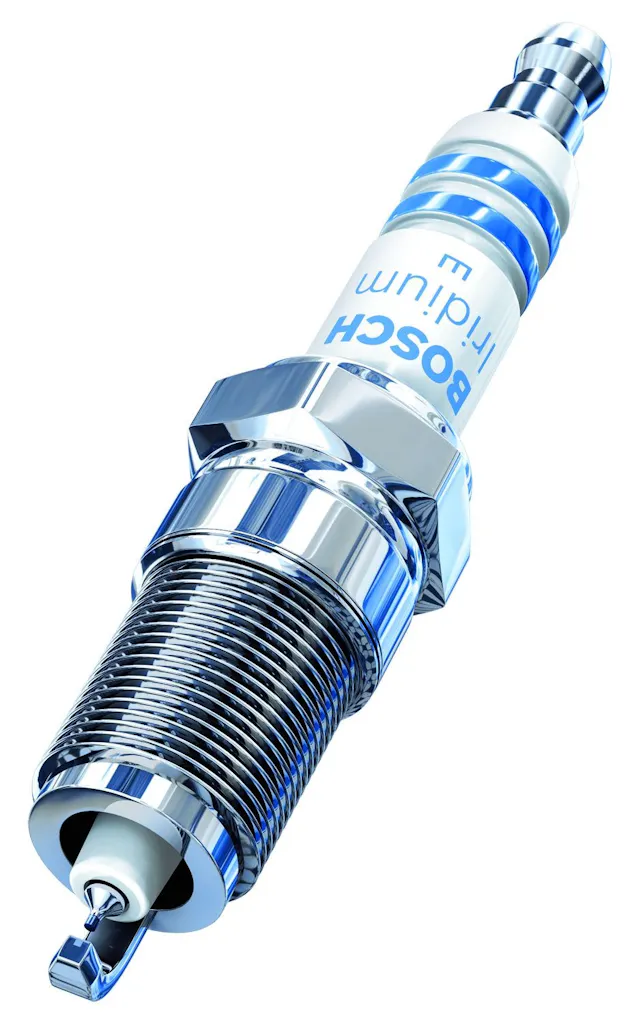
Spark plugs come in different materials. Common types include copper, platinum, and iridium. Copper plugs wear out faster but cost less. Platinum plugs last longer and resist corrosion. Iridium plugs have the longest life and perform well under heat. The material affects how often you need to change the spark plug.
Engine Conditions
Engines that run hot or have oil leaks can shorten spark plug life. Dirt and carbon build-up also cause faster wear. High-performance engines put extra stress on spark plugs. Regular engine checks help spot problems early. Clean engine conditions help spark plugs last longer.
Driving Habits
Short trips and stop-and-go traffic cause more wear than highway driving. Frequent acceleration and heavy loads stress the spark plug. Smooth and steady driving helps spark plugs last longer. Avoiding harsh driving protects spark plug health.
Maintenance Impact
Regular maintenance extends spark plug life. Timely oil changes and air filter replacements keep the engine clean. Checking and adjusting spark plug gaps improves performance. Neglecting maintenance causes faster spark plug failure. Good care means fewer replacements and better engine running.
Signs Of Worn Spark Plugs
Worn spark plugs can quietly disrupt your vehicle’s performance, often before you realize there’s a problem. Recognizing the signs early can save you from costly repairs and keep your engine running smoothly. Here are key symptoms that indicate your spark plugs might need a replacement.
Engine Misfires
Have you ever felt your car jerk or hesitate during acceleration? This is often caused by spark plugs that no longer fire consistently. Misfires happen because worn plugs fail to ignite the fuel-air mixture properly, leading to rough engine performance and potential damage over time.
Reduced Fuel Efficiency
Notice your fuel gauge dropping faster than usual? Worn spark plugs can cause incomplete combustion, meaning your engine burns more fuel to produce the same power. This not only hits your wallet but also increases harmful emissions from your vehicle.
Starting Issues
Struggling to start your car on cold mornings can be more than just a battery problem. Old spark plugs make it harder for the engine to ignite the fuel, leading to longer crank times or failure to start. If your engine feels sluggish when turning the key, it’s time to check the plugs.
Unusual Engine Noises
Have you heard knocking or pinging sounds coming from your engine? These noises often signal that spark plugs are not firing at the right time. This mistiming can cause uneven combustion, which you might notice as strange sounds or vibrations while driving.
Recommended Replacement Intervals
Knowing the recommended replacement intervals for spark plugs can save you time and money. Different types of spark plugs wear out at different rates, so understanding these intervals helps keep your engine running smoothly. Have you ever wondered why some spark plugs last longer than others?
Standard Spark Plugs
Standard spark plugs usually need replacement every 20,000 to 30,000 miles. They are the most common type and work well for everyday driving. If you drive in stop-and-go traffic or harsh conditions, expect them to wear out closer to the 20,000-mile mark.
Ignoring these intervals can lead to rough idling and reduced fuel efficiency. Checking your owner’s manual can provide exact guidance tailored to your vehicle.
Platinum And Iridium Plugs
Platinum and iridium spark plugs offer longer lifespans, often lasting between 60,000 and 100,000 miles. They resist corrosion and wear better than standard plugs. This means fewer replacements and less hassle for you.
If you want a spark plug that balances performance and longevity, these are solid choices. Have you noticed smoother starts or better mileage after upgrading to these plugs?
High-performance Spark Plugs
High-performance spark plugs are designed for sports cars and heavy-duty engines. Their replacement intervals vary widely but typically fall between 20,000 and 50,000 miles. Because they operate under more extreme conditions, frequent checks are important.
Using the right spark plug for your engine’s demands can prevent misfires and maintain power output. Are you tuning your vehicle for performance or daily reliability? Your answer affects how often you should change these plugs.
Checking Spark Plug Condition
Checking the condition of your spark plugs is essential to keep your engine running smoothly. A worn or damaged spark plug can lead to poor fuel efficiency, rough idling, or even engine misfires. Regular inspections help you catch problems early and save money on costly repairs.
Visual Inspection Tips
Start by removing the spark plug and examining it closely. Look for signs of wear such as cracks, heavy carbon buildup, or oil deposits. A clean, light tan or grayish color on the electrode usually means the plug is in good shape.
If you see black soot or oily residue, it might indicate engine problems like a rich fuel mixture or oil leaks. Also, check if the ceramic insulator is chipped or broken—damaged insulation can cause misfires. Don’t forget to inspect the threads for corrosion or damage that could affect installation.
Measuring Electrode Wear
The electrode is the small metal tip where the spark jumps across. Over time, it wears down, increasing the gap and reducing spark efficiency. Use a caliper or a spark plug gauge to measure the electrode’s length and thickness.
If the electrode looks rounded or thinner than usual, it’s time for a replacement. Keep a record of measurements to track how quickly your spark plugs wear, especially if you drive in harsh conditions. This helps you predict when the next replacement is due.
Gap Measurement
The gap between the center and ground electrode is critical for proper ignition. If the gap is too wide or too narrow, your engine may struggle to start or run unevenly. Use a feeler gauge to check the gap against your vehicle manufacturer’s specifications.
Adjusting the gap is easy by gently bending the ground electrode with a small tool. But be careful not to damage the electrode or insulator. If the gap is significantly off or difficult to adjust, replacing the spark plug is the best option.
Choosing The Right Spark Plug
Choosing the right spark plug is key to keeping your engine running smoothly and efficiently. It’s not just about picking any spark plug off the shelf; the right choice depends on several factors that directly affect your vehicle’s performance and the lifespan of the spark plug itself. Let’s break down what you need to consider to make an informed decision.
Compatibility With Vehicle
Your vehicle’s make, model, and engine type determine which spark plugs will fit and function properly. Using an incompatible spark plug can lead to poor engine performance or even damage. Always check your owner’s manual or consult with a trusted mechanic to find the exact specifications your vehicle requires.
Have you ever experienced rough idling or misfires? It could be due to the wrong spark plug size or gap. Matching the plug to your engine’s design ensures optimal combustion and prevents unnecessary wear.
Heat Range Considerations
Spark plugs come with different heat ranges, which affect how quickly they dissipate heat. Choosing the correct heat range prevents overheating or fouling, both of which shorten plug life.
If your vehicle runs hotter due to heavy loads or performance tuning, you might need a spark plug with a colder heat range. Conversely, if your car is mostly used for short trips, a hotter plug might help keep deposits from building up.
Brand And Quality
Not all spark plugs are created equal. Investing in high-quality brands can save you money and hassle in the long run by lasting longer and providing better ignition.
When I switched from a budget brand to a premium one, I noticed smoother starts and improved fuel efficiency. Consider brands with strong warranties and positive customer feedback to ensure you’re getting reliable performance.

Credit: www.underhoodservice.com
Diy Replacement Guide
Replacing spark plugs by yourself saves money and builds car knowledge. This guide breaks down the process into simple parts. Follow the steps carefully to change your spark plugs safely and correctly.
Tools Needed
- Spark plug socket (usually 5/8″ or 13/16″)
- Ratchet wrench
- Extension bar (for hard-to-reach plugs)
- Torque wrench
- Gap gauge
- Dielectric grease
- Anti-seize compound (optional)
- Compressed air or a brush
Step-by-step Removal
First, let the engine cool down completely. Hot parts can cause burns. Remove the ignition coil or spark plug wire by gently twisting and pulling. Use compressed air to blow dirt around the plug. This prevents debris from falling inside the cylinder.
Attach the spark plug socket to the ratchet and extension. Turn counterclockwise to loosen the spark plug. Pull the spark plug out carefully once loose. Avoid dropping the plug or damaging the threads.
Installation Tips
Check the new spark plug gap using the gap gauge. Adjust to the manufacturer’s specification if needed. Apply a small amount of anti-seize to the plug threads. This helps with future removal but use sparingly.
Insert the spark plug by hand to avoid cross-threading. Turn clockwise gently until snug. Apply dielectric grease inside the ignition coil boot. This prevents moisture and corrosion.
Torque Specifications
| Engine Type | Torque (ft-lbs) |
|---|---|
| Aluminum Cylinder Head | 10-15 |
| Cast Iron Cylinder Head | 15-20 |
Use a torque wrench to tighten the spark plug to the correct value. Over-tightening can damage threads. Under-tightening causes poor performance. Follow your vehicle manual for exact specs.
Professional Service Benefits
Choosing professional service for your spark plug maintenance offers more than just convenience. It ensures precision, safety, and long-term savings. Professionals bring expertise that can extend the life of your spark plugs and improve your vehicle’s overall performance.
When To Seek Help
Noticing engine misfires, reduced fuel efficiency, or rough idling are clear signs you should get professional help. If you’re unsure about the condition of your spark plugs or how to replace them, a mechanic can quickly diagnose the problem. Delaying professional checks can lead to bigger engine issues and higher repair costs.
Cost Vs. Convenience
Paying for professional spark plug service might seem like an added expense, but it often saves money in the long run. Professionals use the right tools and parts, reducing the risk of damage. Plus, you save time and avoid the frustration of trial-and-error repairs.
- Professional service reduces the chance of incorrect installation.
- It helps maintain your vehicle’s warranty by using authorized parts.
- You get expert advice on the best spark plugs for your car model.
Warranty And Guarantees
Many professional services come with warranties on both parts and labor, giving you peace of mind. If something goes wrong after the service, you can return without additional costs. This protection is rarely available when you replace spark plugs yourself or use uncertified services.
Impact Of Spark Plug Maintenance On Engine Health
Maintaining your spark plugs plays a crucial role in keeping your engine healthy and running smoothly. Neglecting this simple task can lead to multiple engine problems that often go unnoticed until performance drops noticeably. Understanding how spark plug care impacts your engine can help you avoid costly repairs and keep your vehicle reliable.
Performance Improvement
Clean and well-maintained spark plugs ignite the fuel-air mixture efficiently. This leads to smoother engine starts and steady acceleration. If you’ve ever experienced rough idling or hesitation during acceleration, worn spark plugs might be the cause.
Replacing or cleaning spark plugs regularly ensures your engine runs at its full potential. You’ll notice quicker throttle response and better power delivery. Have you checked your spark plugs lately to see if they’re affecting your drive?
Fuel Economy
Worn or dirty spark plugs cause incomplete combustion, which wastes fuel. This means your engine has to work harder, burning more gas to produce the same power. Paying attention to spark plug health can help you save money at the pump.
Many drivers don’t realize that simply changing spark plugs can improve miles per gallon by up to 30%. What’s the real cost of ignoring this small maintenance step over time?
Emission Reduction
Incomplete combustion from faulty spark plugs increases harmful emissions. This can cause your vehicle to fail emissions tests and contribute to pollution. Keeping spark plugs in good shape helps reduce carbon monoxide and unburned hydrocarbons in exhaust gases.
Regular maintenance of your spark plugs isn’t just good for your car; it’s better for the environment. Could your spark plugs be quietly harming both your engine and the planet without you knowing?
Credit: www.moderntiredealer.com
Frequently Asked Questions
How Long Do Spark Plugs Usually Last?
Spark plugs typically last between 30,000 and 100,000 miles. The exact lifespan depends on the type and vehicle use. Regular inspection helps ensure optimal performance and timely replacement.
What Factors Affect Spark Plug Lifespan?
Heat, driving habits, engine type, and fuel quality affect spark plug life. Harsh conditions and poor maintenance shorten their lifespan. Using high-quality plugs and proper care extends durability.
When Should I Replace Spark Plugs?
Replace spark plugs if the engine misfires or performance drops. Follow your vehicle’s maintenance schedule, often every 30,000 to 60,000 miles. Early replacement prevents engine damage and improves fuel efficiency.
Can Worn Spark Plugs Cause Engine Problems?
Yes, worn spark plugs can cause misfires, rough idling, and poor acceleration. They reduce fuel efficiency and increase emissions. Timely replacement keeps the engine running smoothly and efficiently.
Conclusion
Spark plugs usually last between 30,000 and 100,000 miles. Their lifespan depends on the type and how you drive. Worn spark plugs cause engine problems and lower fuel efficiency. Regular checks help catch issues early and save money. Changing spark plugs on time keeps your car running smooth.
Don’t wait for trouble to start. Keep your engine healthy with simple maintenance. It’s a small effort that makes a big difference.





