Have you ever wondered how long your spark plug wires are supposed to last? If you’ve ever experienced unexpected car troubles or noticed your vehicle isn’t running as smoothly as it used to, your spark plug wires might be the hidden culprits.
These essential components can often be overlooked, yet they play a crucial role in ensuring your engine runs efficiently. We’ll uncover the lifespan of spark plug wires and reveal the signs that indicate it’s time for a replacement. Understanding this simple yet vital aspect of car maintenance could save you from unexpected breakdowns and costly repairs.
Keep reading to discover the secrets to keeping your car in top shape and ensure you’re always ready for the road ahead.

Credit: www.wholesalemarine.com
Spark Plug Wire Basics
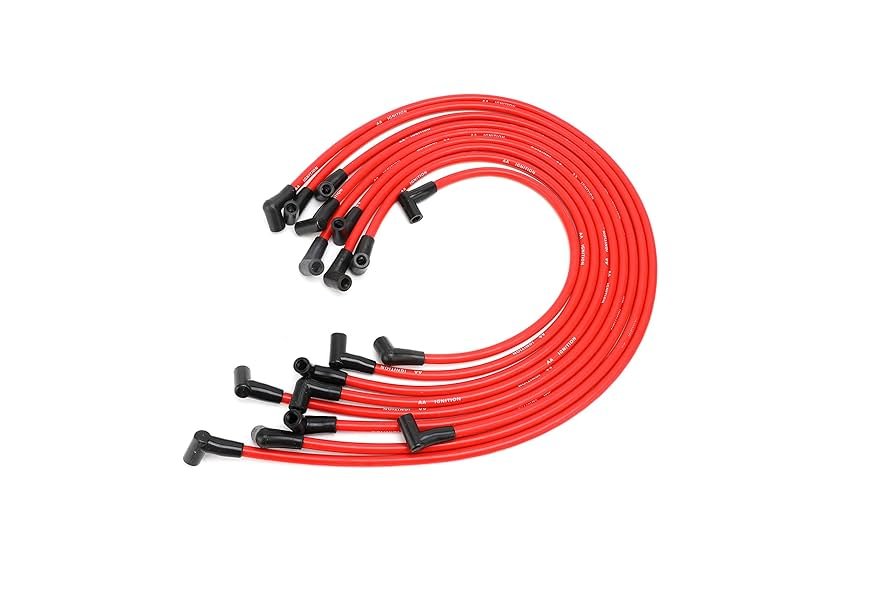
Spark plug wires play a vital role in a vehicle’s ignition system. They connect the ignition coil to the spark plugs, allowing electricity to pass through. This electric current ignites the air-fuel mixture in the engine cylinders. Without healthy spark plug wires, the engine cannot run smoothly or efficiently.
Understanding the basics of spark plug wires helps in maintaining engine performance. Their condition impacts fuel efficiency, power output, and overall engine health. Knowing the types of spark plug wires also helps in choosing the right ones for replacement or upgrade.
Role In Engine Performance
Spark plug wires deliver high voltage from the ignition coil to the spark plugs. This voltage creates sparks needed for combustion. Good wires ensure a strong and consistent spark. Weak or damaged wires cause misfires, rough idling, and poor acceleration. They also increase fuel consumption and emissions. Proper wires support smooth engine operation and reliable starts.
Types Of Spark Plug Wires
Spark plug wires come in several types, each with unique features:
- Carbon Core Wires:Flexible and affordable. Common in older vehicles.
- Magnetic Core Wires:Reduce radio interference. Better for modern cars.
- Spiral Core Wires:High durability and excellent electrical performance.
- Silicone Insulated Wires:Heat resistant and long-lasting. Ideal for high-performance engines.
Choosing the right type depends on the vehicle and driving conditions. Quality wires improve engine reliability and lifespan.
Factors Affecting Lifespan
The lifespan of spark plug wires depends on many factors. Understanding these helps keep your engine running smoothly. Some factors wear out the wires faster. Others help them last longer. Knowing these can save money and time.
Material Quality
High-quality materials resist heat and wear better. Wires made from durable silicone or EPDM rubber last longer. Cheap materials crack and break easily. Good insulation prevents electrical leaks. This keeps the spark strong and steady.
Driving Conditions
Harsh driving conditions shorten wire life. Extreme heat from the engine causes damage. Wet or salty roads cause corrosion. Rough roads increase vibration and stress. Frequent short trips prevent wires from heating fully. This leads to moisture buildup inside the wires.
Maintenance Practices
Regular checks and cleaning extend wire life. Inspect wires for cracks, burns, or wear. Replace damaged wires immediately to avoid engine issues. Avoid pulling wires by the wire itself. Use proper tools to disconnect and connect wires. Keep the engine bay clean to prevent dirt buildup.
Typical Lifespan Expectations
Spark plug wires play a key role in your vehicle’s ignition system. They carry electrical current from the ignition coil to the spark plugs. Over time, these wires wear out due to heat, vibration, and age. Knowing their typical lifespan helps avoid engine problems and maintain smooth performance.
Standard Mileage Range
Most spark plug wires last between 30,000 and 50,000 miles. This range depends on the wire quality and driving conditions. High-quality wires can sometimes last up to 60,000 miles. Harsh environments, like extreme heat or moisture, reduce lifespan. Regular inspection helps catch early signs of failure.
Signs Of Wear And Tear
Look out for these signs that spark plug wires need replacement:
- Engine misfires or rough idling
- Decreased fuel efficiency
- Visible cracks or damage on the wires
- Corroded or loose wire connections
- Difficulty starting the engine
Replacing worn wires prevents engine damage and improves performance. Check wires during routine vehicle maintenance.

Credit: www.amazon.ca
Symptoms Of Failing Wires
Spark plug wires carry electricity from the ignition system to the spark plugs. Over time, these wires wear out and cause problems in your car’s engine. Recognizing the signs of failing wires helps prevent bigger issues. Here are common symptoms to watch for.
Engine Misfires
Failing spark plug wires often cause engine misfires. The engine may run rough or jerk while driving. You might hear popping sounds or feel vibrations. Misfires happen because the spark does not reach the plugs properly.
Reduced Fuel Efficiency
Bad wires reduce the engine’s ability to burn fuel well. This leads to higher fuel consumption. You may notice you fill the gas tank more often. Poor fuel efficiency increases your driving costs.
Starting Issues
Worn spark plug wires can make starting the engine hard. The car might crank longer or not start at all. This happens because the spark is weak or missing during ignition. Starting problems often signal wire trouble.
Testing And Inspection Tips
Testing and inspecting your spark plug wires regularly can save you from unexpected engine troubles. Knowing how to spot issues early helps maintain smooth engine performance and avoids costly repairs. Here are practical tips to help you check the condition of your spark plug wires effectively.
Visual Checks
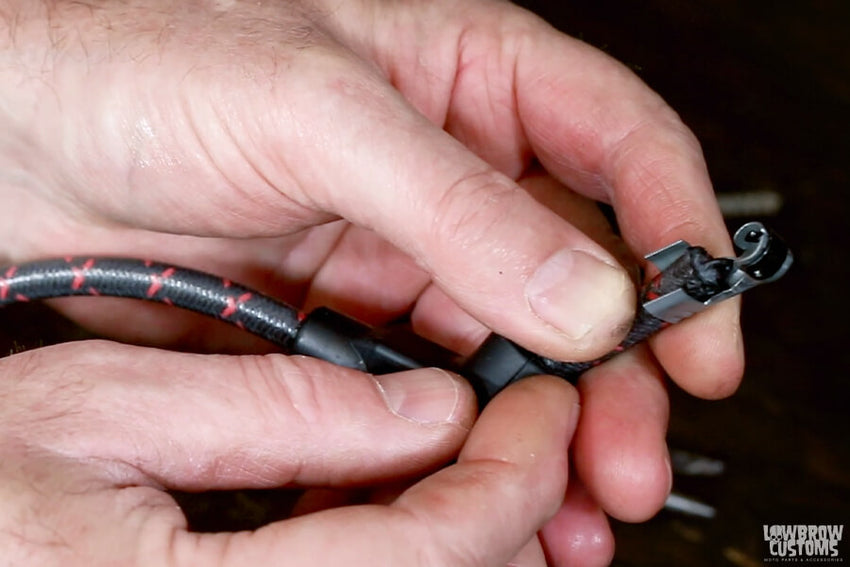
Start by looking closely at each wire for obvious damage. Cracks, splits, or burns on the insulation are red flags that the wire needs replacement.
Also, check for corrosion or buildup on the connectors. This can cause poor electrical contact and misfires.
Have you noticed any oil or dirt accumulation on the wires? Cleaning them can sometimes restore proper function without immediate replacement.
Using A Multimeter
A multimeter lets you measure the resistance of your spark plug wires, which reveals internal damage not visible to the eye. Set it to the ohms setting and place the probes on each end of the wire.
If the resistance is significantly higher than the manufacturer’s specification, the wire is deteriorating and should be replaced. A healthy spark plug wire usually has resistance between 5,000 to 15,000 ohms per foot, but check your vehicle’s manual for exact numbers.
Have you tried this simple test? It’s a quick way to avoid misfires caused by hidden faults.
Professional Diagnostics
If you’re unsure about your findings, professional diagnostic tools can provide a deeper analysis. Mechanics use advanced scanners that monitor ignition system performance in real-time.
This helps identify intermittent issues that might not appear during a manual inspection or simple testing. Sometimes, the problem isn’t the wires alone but the entire ignition system.
Visiting a professional can give you peace of mind and ensure no hidden problems affect your car’s performance.
Credit: www.lowbrowcustoms.com
Replacement Guidelines
Knowing when and how to replace spark plug wires helps keep your engine running smoothly. These wires carry electricity from the ignition coil to the spark plugs. Over time, they wear out and cause misfires or poor fuel economy. Proper replacement follows clear guidelines to avoid engine problems and costly repairs.
When To Replace
Replace spark plug wires if you notice any issues with your engine’s performance. Common signs include:
- Engine misfires or rough idling
- Decreased fuel efficiency
- Visible cracks or corrosion on wires
- Increased emissions or check engine light
Generally, spark plug wires last between 30,000 and 50,000 miles. Check your vehicle’s manual for specific intervals.
Choosing The Right Wires
Select wires compatible with your vehicle model and engine type. Consider:
- Material quality, like silicone or EPDM insulation
- Resistance rating to prevent electrical loss
- Brand reputation and warranty
- OEM (Original Equipment Manufacturer) vs aftermarket options
Using the correct wires ensures optimal engine performance and longevity.
Diy Vs Professional Replacement
Replacing spark plug wires can be a simple task for those with basic tools and knowledge. Benefits of DIY include saving money and learning about your car. Follow these tips:
- Label wires before removal to avoid mix-ups
- Handle wires gently to prevent damage
- Use proper tools for removal and installation
Professional replacement offers expert skill and guarantees. Mechanics can spot related issues and ensure wires fit perfectly. Choose professional help for complex engines or if unsure about the process.
Maintaining Spark Plug Wires
Maintaining your spark plug wires is key to keeping your engine running smoothly and efficiently. Neglecting these wires can lead to misfires, poor fuel economy, and even engine damage. Regular care extends their life and saves you from costly repairs down the road.
Cleaning Techniques
Keeping spark plug wires clean prevents buildup that can interfere with electrical conductivity. Use a soft, dry cloth to gently wipe away dirt and grime. Avoid harsh chemicals—simple soap and water work well if needed, but make sure the wires are completely dry before reinstalling them.
Have you ever noticed your engine stalling after driving through a muddy area? Dirt and oil residue can cause small but critical interruptions in spark delivery. Regular cleaning helps you avoid these frustrating moments.
Avoiding Damage
Handle spark plug wires carefully to prevent cracks or breaks. When removing them, always pull on the boot, not the wire itself. This reduces the risk of internal damage that you might not see but will affect performance.
Also, keep wires away from hot engine parts. Excessive heat can cause insulation to crack, leading to shorts or misfires. Using protective sleeves or clips can help you manage wire placement and avoid accidental damage.
Regular Maintenance Schedule
Set a routine check for your spark plug wires every 30,000 miles or as recommended in your vehicle’s manual. During these checks, look for signs of wear like cracks, brittleness, or corrosion on the connectors.
Think about it like this: would you wait until your phone stops working to replace its charger? Regular inspections catch problems early and keep your engine firing consistently. Mark your calendar, and make maintenance a habit that protects your investment.
Common Myths And Misconceptions
Many drivers misunderstand how long spark plug wires actually last. These common myths can lead to neglect or unnecessary replacements, affecting your car’s performance and maintenance budget. Let’s clear up some of the confusion so you can make smarter decisions about your vehicle’s ignition system.
Overestimating Wire Lifespan
People often assume spark plug wires last as long as the vehicle itself. This isn’t true because wires degrade over time due to heat, moisture, and engine vibrations. I once ignored my wires for years, thinking they were fine, only to find them cracked and causing misfires.
Manufacturers generally recommend replacing wires every 30,000 to 50,000 miles. Waiting too long can cause poor engine performance and lower fuel efficiency. Ask yourself: Is saving a few dollars now worth risking costly repairs later?
Ignoring Minor Issues
Small problems like slight cracking or corrosion on spark plug wires often go unnoticed. You might think these issues are harmless, but they can lead to bigger problems such as rough idling or difficulty starting the engine. Early signs are your car’s way of telling you the wires need attention.
Don’t wait for major symptoms to show up. Regularly inspect your spark plug wires for wear and tear. Taking action early can save you time, money, and stress down the road.
Frequently Asked Questions
How Long Do Spark Plug Wires Usually Last?
Spark plug wires typically last between 30,000 to 50,000 miles. Quality and driving conditions affect their lifespan. Regular inspection helps prevent engine misfires and poor performance.
What Causes Spark Plug Wires To Wear Out?
Heat, vibration, and exposure to oil or chemicals cause wear. Over time, insulation cracks and resistance increases, leading to ignition problems. Regular maintenance can extend their life.
How To Know If Spark Plug Wires Need Replacement?
Signs include engine misfires, rough idling, and decreased fuel efficiency. Visible cracks or corrosion on wires also indicate replacement is necessary. Timely change ensures smooth engine operation.
Can Old Spark Plug Wires Damage The Engine?
Yes, worn wires can cause misfires and poor combustion. This leads to reduced power, higher emissions, and potential engine damage. Replacing wires protects engine health and performance.
Conclusion
Spark plug wires usually last between 30,000 and 50,000 miles. Check them regularly for cracks or wear. Damaged wires can cause engine problems and poor fuel efficiency. Replacing old wires helps keep your car running smoothly. Don’t wait for engine trouble to appear.
Good maintenance saves time and money. Remember, healthy spark plug wires mean better car performance. Keep an eye on their condition to avoid surprises. Regular checks and timely replacement make a big difference. Your car will thank you with reliable starts and better power.





