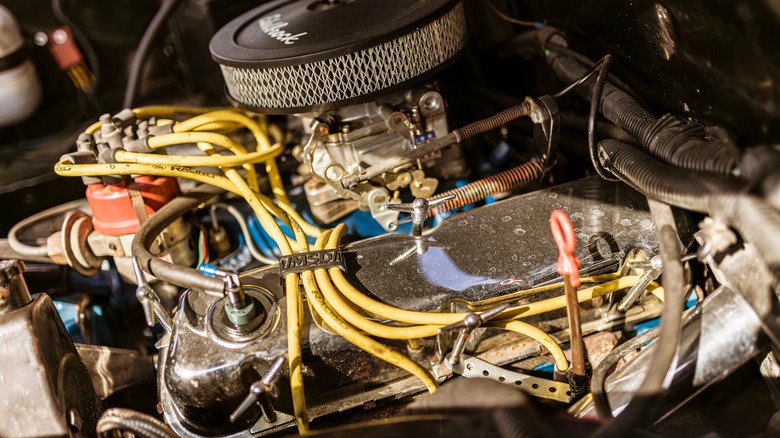
When was the last time you thought about your car’s spark plug wires? If you’re like most drivers, it’s probably been a while—or maybe never.
Yet, these little wires play a big role in keeping your engine running smoothly. Ignoring them can lead to rough idling, poor fuel economy, or even engine misfires. You might be wondering how often you should replace these crucial components.
The answer isn’t always straightforward, and that’s why it’s important to know what to look for. Stay with us, and you’ll discover the signs that indicate it’s time for a change, and learn how keeping your spark plug wires in top shape can save you money and headaches in the long run. Dive in, and ensure your car continues to perform at its best!
Signs Of Worn Spark Plug Wires
Recognizing the signs of worn spark plug wires is essential to keep your engine running smoothly. These wires carry the electrical current from the ignition system to the spark plugs, igniting the fuel-air mixture. When they wear out, your vehicle’s performance takes a hit, sometimes in subtle ways that you might easily overlook.
Engine Misfires
One of the most common signs of worn spark plug wires is engine misfires. You might feel your car hesitate or jerk during acceleration. This happens because the wires fail to deliver a consistent spark, causing the engine to skip firing in one or more cylinders.
Have you noticed your engine running unevenly or hear popping sounds from the exhaust? These can be clear indicators that your spark plug wires are struggling to do their job.
Poor Fuel Efficiency
Worn spark plug wires often lead to poor fuel efficiency. When the spark is weak or inconsistent, your engine burns more fuel to compensate. This means you’re filling up your tank more often without getting the mileage you expect.
Think about your recent fuel costs—has your wallet felt the pinch lately? Monitoring this can help you spot a problem before it becomes serious.
Difficulty Starting
If your car takes longer to start or requires multiple attempts, worn spark plug wires might be the cause. These wires need to deliver a strong spark right from the start to ignite the engine efficiently.
Struggling to get your car going on cold mornings? This might be your wires failing to perform when the engine needs them most.
Visible Wire Damage
Sometimes, the signs are right in front of you. Inspect your spark plug wires for cracks, corrosion, or worn insulation. Damage like this disrupts electrical flow and leads to the issues mentioned above.
Taking a moment to check your wires can save you from unexpected breakdowns. Have you looked under your hood recently?
Factors Affecting Spark Plug Wire Lifespan
Understanding the factors that affect the lifespan of your spark plug wires can save you from unexpected car troubles. These wires don’t wear out on their own; they are influenced by several external and internal conditions. Knowing these can help you decide when it’s truly time for a replacement, instead of guessing or waiting for a breakdown.
Driving Conditions
Your driving habits play a big role in how long spark plug wires last. Frequent stop-and-go traffic or short trips don’t allow the engine to reach optimal temperature, which can cause wires to degrade faster. On the other hand, long highway drives tend to be gentler on spark plug wires, extending their lifespan.
Have you noticed your car acting up more in city traffic than on highways? That could be your spark plug wires struggling under tough driving conditions.
Quality Of Wires
Not all spark plug wires are created equal. Higher-quality wires often use better materials and advanced insulation, making them more resistant to wear and tear. Investing in premium wires might cost more initially but can save you money and headaches down the road.
Think about the last time you replaced your spark plug wires—did you choose budget or brand-name parts? Your choice directly impacts how often you’ll need to replace them again.
Heat And Moisture Exposure
Heat from the engine and moisture from the environment can both shorten the life of spark plug wires. Excessive heat can cause the insulation to crack, while moisture can lead to corrosion and electrical shorts. If you often drive in wet or humid conditions or have an older vehicle with less heat shielding, your wires might wear out quicker.
Have you checked your spark plug wires for cracks or stiffness? These signs often indicate damage from heat and moisture, signaling it’s time for new wires.
Recommended Replacement Intervals
Knowing the right time to replace your spark plug wires can save you from unexpected engine problems and poor performance. The recommended replacement intervals vary depending on several factors, including your vehicle’s make, driving habits, and the quality of the wires themselves. Understanding these guidelines will help you maintain your engine’s efficiency without overspending on unnecessary replacements.
Manufacturer Guidelines
Your vehicle’s manufacturer provides the most reliable advice on when to replace spark plug wires. These guidelines are often found in the owner’s manual or service booklet. They are based on extensive testing and consider the specific materials and design of your wires.
For example, some manufacturers suggest replacing spark plug wires every 30,000 to 50,000 miles. Others might recommend inspecting them regularly and replacing only when signs of wear appear. Always check your manual first—it’s the best source for tailored maintenance schedules.
Mileage-based Replacement
Mileage is a straightforward way to track when spark plug wires need changing. Many drivers find this approach practical because it aligns with routine service intervals like oil changes or tire rotations. If you’re hitting around 60,000 miles, it’s a good idea to assess your wires, even if they seem fine.
Keep in mind, mileage alone isn’t always enough. Harsh driving conditions such as stop-and-go traffic or dusty environments can accelerate wear. So, consider your driving habits along with mileage to decide when to replace your spark plug wires.
Time-based Replacement
Even if your car hasn’t reached a high mileage, time can degrade spark plug wires. Rubber and silicone materials naturally age and crack after several years. If your wires are over 4 to 5 years old, replacement might be necessary regardless of how much you’ve driven.
Think about how often you use your vehicle and the climate where you live. Extreme heat or cold can speed up the aging process. Have you checked your wires recently? A quick look might reveal cracks or corrosion that mean it’s time to replace them.
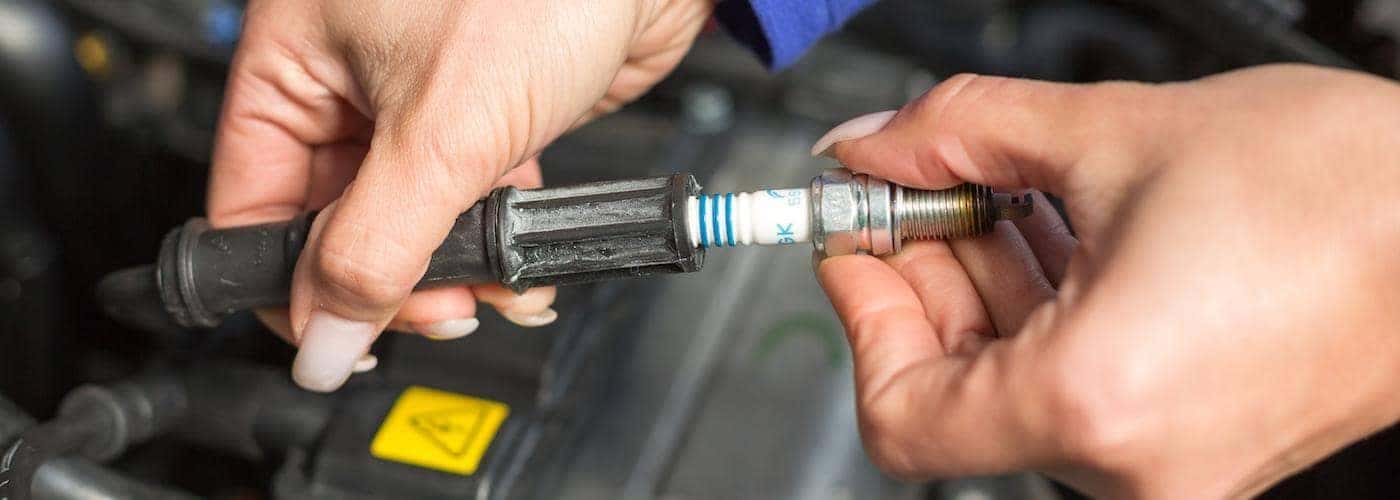
Credit: www.terrylabontechevy.com
Tools And Materials Needed
Replacing spark plug wires is a task that requires the right tools and materials to do it efficiently and safely. Having everything prepared before you start can save you time and prevent frustration. Here’s what you need to gather to make your spark plug wire replacement smooth and effective.
Basic Hand Tools
Start with simple tools you probably already have in your garage. A set of pliers helps you grip and pull off old wires without damaging the connectors. A ratchet wrench or socket set is essential to remove any engine covers or components blocking access to the wires.
A flathead screwdriver can assist in gently prying connectors if they’re stuck. Don’t overlook a wire brush or some sandpaper to clean the spark plug boots and terminals before attaching new wires. These small tools can make a big difference in your results.
Replacement Wire Sets
Choose high-quality spark plug wire sets designed for your vehicle model. Generic wires might fit but can cause performance issues or wear out quickly. Look for wires with good insulation to resist heat and chemicals under the hood.
Some sets come with extra features like silicone boots or metal terminals that improve conductivity and durability. Check the packaging carefully to ensure the set includes wires for all cylinders in your engine. Keeping the original wire length is crucial to avoid tension or slack that might cause damage.
Safety Equipment
Working on your vehicle’s ignition system means dealing with electrical parts and potential sparks. Always wear protective gloves to avoid cuts and burns. Eye protection is a must to shield you from any debris or accidental sparks during wire removal.
Ensure your vehicle is off and cooled down before starting. Disconnecting the battery is a wise precaution to prevent electrical shocks. Safety gear isn’t just a formality—it’s what keeps you safe while you work confidently on your car.
Step-by-step Replacement Process
Replacing spark plug wires might seem tricky, but breaking it down into clear steps makes the job straightforward and safe. Knowing exactly where to find the wires, how to remove the old ones without damage, and properly installing the new set will save you time and frustration. Let’s walk through the process carefully so you can get your engine running smoothly again.
Locating Spark Plug Wires
First, pop open your car’s hood and locate the spark plug wires. These wires run from the distributor cap or ignition coil to each spark plug on the engine’s cylinder head. They usually look like thick cables, often black or gray, connected to the plugs in a neat row.
If you’ve never seen them before, check your car’s manual or look for labels on the wires themselves. Knowing their exact placement helps avoid confusion during removal. Have you ever tried pulling the wrong wire? It can cause engine misfires or damage, so take your time identifying each one.
Removing Old Wires Safely
When removing old wires, grip the boot—the thick end covering the plug—not the wire itself. Pulling on the wire can damage the internal conductor. Wiggle the boot gently while pulling to loosen it from the spark plug.
If the wires feel stuck, try twisting slightly back and forth. Avoid yanking forcefully; this protects both the wires and the plugs. Remember, damaged wires can lead to poor engine performance, so handle them carefully.
Installing New Wires Correctly
Match each new wire to the same length and position as the old one to ensure proper fit. Connect the boot firmly onto the spark plug until you feel or hear a click. This confirms a secure connection.
Route the wires neatly along the same path as before, using clips or holders to keep them away from hot engine parts. Incorrect routing can cause wires to overheat or wear out prematurely. Are your wires snug and out of harm’s way?
Checking Connections
Once installed, double-check every connection by gently tugging each wire’s boot to ensure it’s secure. Inspect for any loose or exposed wire areas that might cause shorts or misfires.
Starting the engine after replacement is your final test. Listen for smooth operation and watch for warning lights. Any hesitation or rough idling means a wire might not be seated properly—don’t ignore these signs.
Credit: www.westsideauto.com.au
Maintaining Spark Plug Wires
Maintaining spark plug wires ensures your engine runs smoothly and efficiently. These wires carry electrical current from the ignition system to the spark plugs. Damaged or worn wires cause misfires, poor fuel economy, and rough idling. Regular care helps avoid costly repairs and keeps your vehicle performing well.
Regular Inspections
Check spark plug wires every few months. Look for cracks, splits, or worn insulation. Inspect wire ends for corrosion or loose connections. Replace wires if you see damage or wear. A simple visual check prevents bigger engine problems.
Cleaning Tips
Keep wires clean to stop dirt and grease buildup. Use a soft cloth dampened with mild soap and water. Gently wipe the wires, avoiding harsh scrubbing. Never spray water directly on wires or ignition parts. Dry wires completely before starting the engine.
Avoiding Wire Damage
- Do not pull wires by the wire itself; use the boot.
- Keep wires away from hot engine parts and sharp edges.
- Secure wires with clips or ties to prevent movement.
- Avoid bending wires sharply or twisting them.
Proper handling extends wire life and prevents electrical problems.
Cost And Benefits Of Replacing Wires
Replacing spark plug wires has clear costs and benefits. Understanding both helps decide when to act. The investment affects your car’s health and your wallet. Knowing what you get for the price is important. It saves money and keeps the engine running well.
Expense Breakdown
Spark plug wires cost between $20 and $100. Prices vary by car model and wire quality. Labor costs add $50 to $150 if a mechanic installs them. Doing it yourself saves labor charges but requires tools and time. Cheaper wires may wear out faster. Higher quality wires last longer and perform better.
Performance Improvements
New wires improve engine spark and fuel burning. This leads to smoother starts and less engine misfire. Your car runs cleaner and quieter. Better wires increase fuel efficiency slightly. They reduce emissions and engine vibrations. These small gains add up over time.
Long-term Savings
Replacing wires on time prevents bigger engine problems. Old wires cause poor ignition and stress other parts. Fixing damage from neglect costs much more. Good wires extend the life of spark plugs and ignition coils. Avoid costly repairs by changing wires every 30,000 to 50,000 miles. This keeps your car reliable and saves money in the long run.

Credit: www.slashgear.com
Frequently Asked Questions
How Often Should Spark Plug Wires Be Replaced?
Spark plug wires should be replaced every 30,000 to 50,000 miles. Check your vehicle manual for specific intervals. Inspect wires regularly for wear or damage to maintain engine performance and prevent misfires.
What Are Signs Of Failing Spark Plug Wires?
Signs include engine misfires, rough idling, poor fuel efficiency, and difficulty starting. Visible cracks or corrosion on wires also indicate replacement is needed to avoid engine issues.
Can Old Spark Plug Wires Affect Car Performance?
Yes, worn wires can cause weak sparks, leading to poor engine performance. Replacing them improves fuel efficiency, smooth idling, and overall engine reliability.
Is Diy Spark Plug Wire Replacement Recommended?
If you have basic mechanical skills, DIY replacement is possible. Follow the vehicle manual and mark wire positions to avoid mix-ups. Otherwise, consult a professional for proper installation.
Conclusion
Spark plug wires wear out over time and affect engine performance. Check them every 30,000 to 50,000 miles for signs of damage. Cracks, burns, or corrosion mean it’s time to replace them. Good wires help your car start smoothly and run better.
Don’t wait for problems to appear. Regular checks keep your engine healthy and save you money. Simple care can prevent costly repairs down the road. Stay on top of maintenance for a reliable ride.





