
How long do platinum spark plugs last? If you’ve ever found yourself pondering this question, you’re not alone.
Understanding the lifespan of these essential car components can save you time, money, and a potential headache on the road. You might be wondering if it’s time to replace yours, and the answer could directly impact your vehicle’s performance and fuel efficiency.
You’ll discover exactly how long platinum spark plugs typically last, why they’re a popular choice among car enthusiasts, and how they can benefit your driving experience. Stick around to learn the secrets that could keep your car running smoothly and efficiently for longer. Get ready to empower yourself with knowledge and ensure your vehicle is always at its best.

Credit: www.youtube.com
Platinum Spark Plug Basics
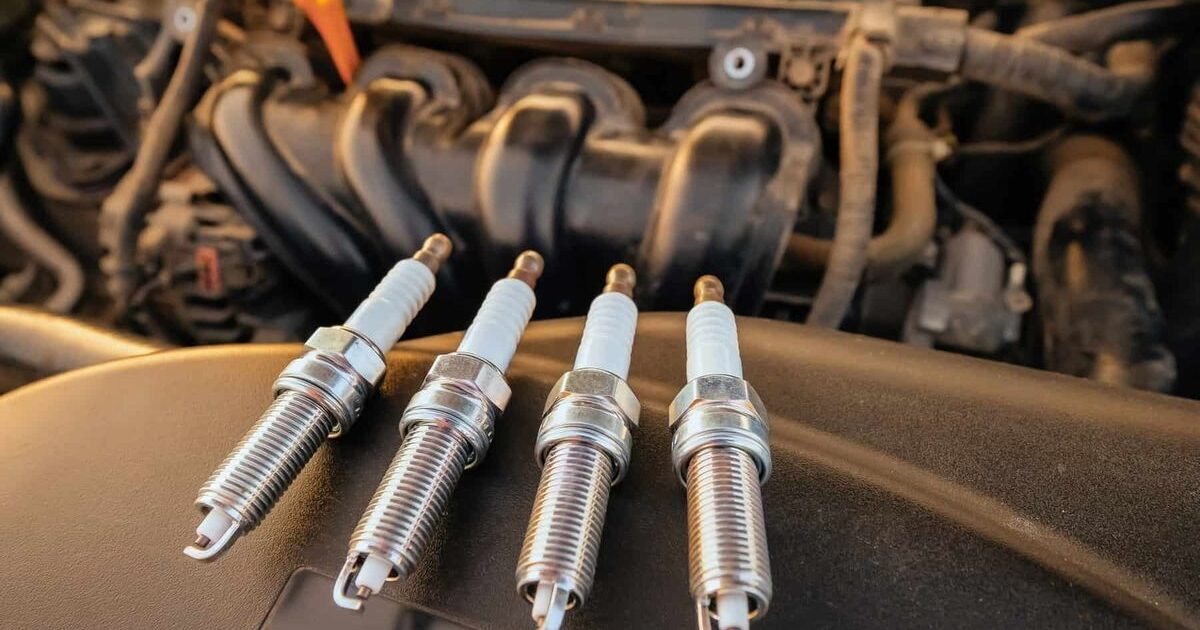
Platinum spark plugs are key components in many engines. They help ignite the fuel-air mix efficiently. Understanding their basics helps in knowing their lifespan and benefits. These spark plugs differ from regular ones by the material used in their electrodes. This difference impacts performance and durability.
Material Benefits
Platinum is a strong metal that resists wear well. It can handle high temperatures without melting or deforming. This makes platinum spark plugs last longer than copper ones. They maintain a stable spark gap for a longer time. This stability improves engine performance and fuel efficiency. Platinum also reduces the chance of misfires. Engines run smoother with these spark plugs.
Common Uses
Many modern cars use platinum spark plugs. They suit engines designed for long service intervals. These spark plugs work well in both gasoline and hybrid engines. They are common in vehicles that require low maintenance. Some motorcycles and trucks also use platinum plugs. Their durability helps save money on replacements. This makes them popular among daily drivers and fleet vehicles.
Average Lifespan
Platinum spark plugs offer a longer lifespan compared to standard spark plugs. They last longer because of their durable platinum tips. Knowing the average lifespan helps plan maintenance and avoid engine problems.
Typical Mileage Range
Platinum spark plugs usually last between 60,000 and 100,000 miles. This range depends on the vehicle and driving style. Some may wear out sooner, others may last longer. Regular checks help track their condition and performance.
Factors Affecting Longevity
- Driving habits: Frequent short trips can shorten plug life.
- Engine type: High-performance engines may wear plugs faster.
- Fuel quality: Poor fuel can cause deposits on plugs.
- Maintenance: Proper engine care extends spark plug life.
- Climate: Extreme weather can affect spark plug durability.
Signs Of Wear
Platinum spark plugs are known for their durability, but they do wear out over time. Recognizing the signs of wear helps keep your engine running smoothly. Worn spark plugs can cause problems before they fail completely. Paying attention to these signs can save you from costly repairs and poor engine performance.
Performance Issues
Worn platinum spark plugs often cause engine misfires. You might notice rough idling or trouble starting the engine. Acceleration can feel sluggish and uneven. Fuel efficiency tends to drop as plugs lose their spark quality. Engine knocking or pinging sounds may also increase. These symptoms indicate the plugs need inspection or replacement.
Visual Indicators
Visual checks reveal much about spark plug condition. Remove the plug and look closely at the tip. A worn plug may have a rounded or eroded electrode. Black, oily deposits suggest oil leaks or incomplete combustion. White or blistered insulators point to overheating. Excessive carbon buildup can block the spark. Clean, light-colored plugs usually mean good condition.
Maintenance Tips
Keeping your platinum spark plugs in top shape extends their lifespan and keeps your engine running smoothly. Maintenance isn’t just about replacing parts; it’s about caring for them properly. Paying attention to how you clean and install your spark plugs can make a noticeable difference in performance and durability.
Cleaning Techniques
Dirty spark plugs can cause misfires and reduce fuel efficiency. You can clean them gently using a wire brush or spark plug cleaner to remove carbon buildup. Avoid harsh abrasives that might damage the delicate platinum tip.
Spraying a bit of brake cleaner or carburetor cleaner helps loosen stubborn grime. After cleaning, inspect the electrode closely—if it’s worn or pitted, cleaning won’t save it and replacement is better. Have you checked your spark plugs lately to see if cleaning could improve your engine’s response?
Proper Installation
Installing spark plugs correctly is crucial to prevent engine issues and ensure long service life. Always use a torque wrench to tighten the plugs to the manufacturer’s specifications; too tight can crack the porcelain, too loose can cause poor performance.
Applying a small amount of anti-seize compound on the threads helps prevent them from sticking in the cylinder head. Also, make sure the spark plug gap is set right before installation—incorrect gaps can lead to misfires and rough idling. Have you ever encountered engine trouble because of a simple installation mistake?
Comparing Spark Plug Types
Choosing the right spark plug can make a noticeable difference in how your engine performs and how often you need to replace parts. Understanding the differences between spark plug types helps you pick one that fits your driving needs and budget. Let’s look at how platinum spark plugs compare to copper and iridium types.
Platinum Vs Copper
Copper spark plugs are known for their excellent conductivity, which helps with quick ignition. However, they wear out much faster than platinum plugs, usually lasting around 20,000 to 30,000 miles.
Platinum plugs have a thin platinum coating on the electrode, which extends their life to about 60,000 miles or more. If you want fewer replacements and better durability, platinum is a smart upgrade from copper.
Think about your daily driving habits—if you drive long distances regularly, platinum plugs can save you time and money on maintenance.
Platinum Vs Iridium
Iridium spark plugs take durability even further. Iridium, being harder than platinum, allows the electrode to be thinner and more precise, improving ignition efficiency.
While platinum plugs last around 60,000 miles, iridium plugs can go beyond 100,000 miles. This means fewer replacements and potentially better fuel economy.
But is the extra cost of iridium worth it? If you want maximum longevity and performance, especially in high-performance or newer engines, iridium might be the better choice. Otherwise, platinum offers a solid balance of price and durability for most drivers.

Credit: carfromjapan.com
Cost Vs Durability
Cost and durability are key factors when choosing spark plugs. Platinum spark plugs cost more upfront than standard ones. This higher price often causes hesitation. Yet, their long life can balance the initial spend. Understanding this balance helps decide if platinum plugs are worth it.
Initial Investment
Platinum spark plugs typically cost twice as much as copper plugs. Prices range from $10 to $20 per plug. This cost depends on the brand and vehicle model. Installation fees may add to the total expense. The higher price reflects the materials and design quality. Platinum tips resist wear better than copper.
Long-term Savings
Platinum plugs last between 60,000 and 100,000 miles. Copper plugs usually need replacement every 20,000 to 30,000 miles. Fewer replacements mean less money spent on parts and labor. Better performance can improve fuel efficiency slightly. This efficiency saves fuel costs over time. Durable plugs reduce the chance of engine misfires.
When To Replace
Knowing when to replace your platinum spark plugs is key to keeping your engine running smoothly. Worn-out spark plugs can cause misfires, reduced fuel efficiency, and even damage to your engine. Let’s break down the factors that tell you it’s time for a change.
Manufacturer Recommendations
Your vehicle’s manufacturer provides specific guidelines on spark plug replacement intervals. Most platinum spark plugs last between 60,000 to 100,000 miles, but this varies by make and model.
Check your owner’s manual or the manufacturer’s website for the exact mileage. Sticking to these recommendations prevents premature wear and unexpected engine problems. Have you ever ignored this advice and faced engine troubles? It’s a small step that can save you big headaches.
Driving Conditions Impact
How you drive plays a big role in spark plug life. If you mostly drive in stop-and-go traffic, tow heavy loads, or take frequent short trips, your spark plugs may wear out faster.
Extreme weather conditions, such as very hot or cold climates, also affect their durability. Consider these factors when planning your maintenance schedule. Have you noticed your car struggling during certain drives? That might be a sign your spark plugs need checking sooner.
Credit: www.westsideauto.com.au
Frequently Asked Questions
How Long Do Platinum Spark Plugs Typically Last?
Platinum spark plugs generally last between 60,000 and 100,000 miles. Their durability depends on driving habits and engine conditions. Regular maintenance helps maximize their lifespan and maintain engine performance efficiently.
What Factors Affect Platinum Spark Plug Lifespan?
Factors include driving style, engine type, and fuel quality. Frequent short trips or heavy acceleration may reduce longevity. Proper tuning and using recommended fuel can extend platinum spark plug life significantly.
When Should I Replace Platinum Spark Plugs?
Replace platinum spark plugs every 60,000 to 100,000 miles or as per manufacturer advice. Signs like engine misfires, rough idling, or reduced fuel efficiency indicate replacement is needed for optimal performance.
Are Platinum Spark Plugs Better Than Regular Ones?
Yes, platinum spark plugs last longer and resist wear better than copper plugs. They offer improved ignition and fuel efficiency, making them a cost-effective choice for many vehicles.
Conclusion
Platinum spark plugs usually last about 60,000 to 100,000 miles. They wear out slower than regular plugs. This means fewer replacements and less hassle. Watch for signs like rough starts or poor fuel economy. Changing them on time keeps your engine running smoothly.
Regular checks help avoid engine problems and save money. Trust quality plugs for better car performance and longer life. Remember, good care means your car stays reliable and safe.





