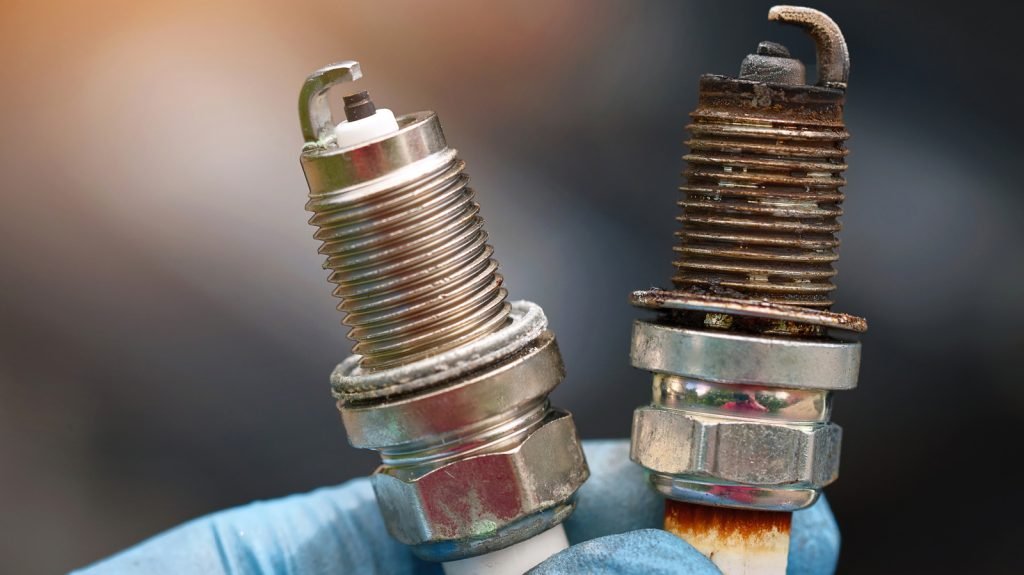
Have you ever wondered how long your spark plugs can last before they need replacing? These small yet crucial components play a vital role in keeping your vehicle running smoothly.
Ignoring them can lead to decreased performance, poor fuel efficiency, or even engine trouble. You might think they last forever, but that’s not the case. Knowing when to replace your spark plugs can save you time, money, and headaches down the road.
We’ll explore the lifespan of spark plugs and how you can tell when it’s time for a change. Stick around to ensure your engine stays in top shape and your drives remain hassle-free.
Credit: www.maverickforums.net
Spark Plug Lifespan Factors
The lifespan of your spark plugs depends on several key factors. Understanding these can help you know when to replace them and keep your engine running smoothly. Let’s look at what influences how long spark plugs last.
Types Of Spark Plugs
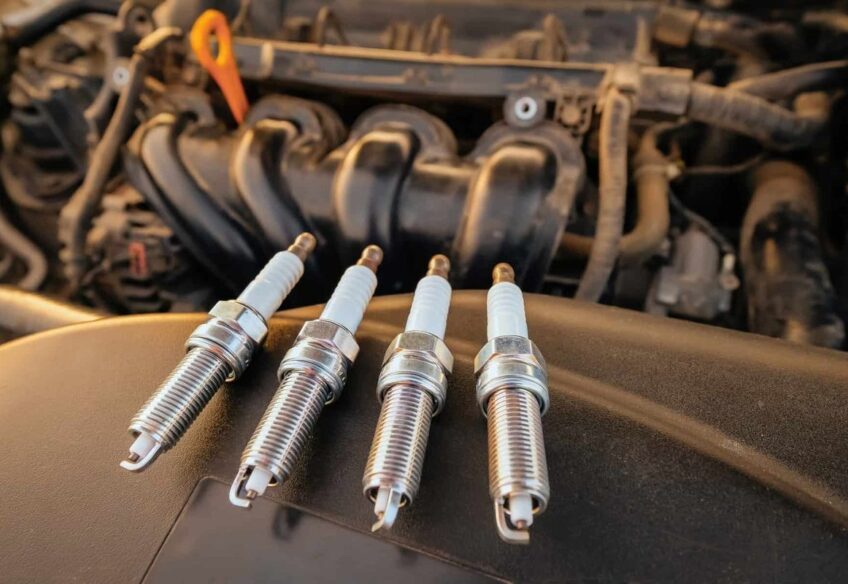
Spark plugs come in various types, and each one wears differently. Copper plugs, for example, generally last around 20,000 to 30,000 miles. Meanwhile, platinum and iridium plugs can last much longer, often up to 60,000 or even 100,000 miles.
Choosing the right type affects your maintenance schedule. If you drive a car with platinum or iridium plugs, you might not need to check them as often. But don’t forget, longer-lasting doesn’t mean “forever.” These plugs still need periodic inspection.
Driving Conditions
How you drive impacts spark plug life significantly. Frequent short trips and stop-and-go traffic cause more wear than long highway drives. This is because the engine doesn’t reach optimal temperature, leading to more deposits on the plugs.
Dusty or dirty environments can also shorten spark plug life. If you often drive on rough roads or in dusty conditions, check your plugs more frequently. Have you noticed your engine misfiring more during city driving? That might be a sign your plugs need attention.
Engine Type Impact
The type of engine in your vehicle plays a role in spark plug longevity. High-performance and turbocharged engines tend to wear out plugs faster due to higher combustion temperatures. On the other hand, standard engines usually put less stress on the plugs.
Direct injection engines can cause more carbon buildup, affecting spark plug life. Knowing your engine’s specifics helps you plan maintenance wisely. Have you checked your owner’s manual for recommended spark plug intervals tailored to your engine type?

Credit: www.reddit.com
Average Lifespan By Spark Plug Type
The lifespan of spark plugs depends on their type. Each type uses different materials and designs. These differences affect how long the spark plugs last before needing replacement.
Knowing the average lifespan helps plan maintenance. It also ensures your engine runs smoothly without unexpected issues. Below are the common spark plug types and their typical durability.
Copper Spark Plugs
Copper spark plugs have a simple design with a copper core. They provide good conductivity for ignition. These plugs usually last between 20,000 and 30,000 miles.
They wear out faster because copper erodes quickly. Copper plugs suit older or low-performance engines. Frequent replacements may be needed for optimal performance.
Platinum Spark Plugs
Platinum spark plugs last longer than copper ones. They have a platinum disc welded to the center electrode. This material resists wear and heat better.
Typical lifespan ranges from 60,000 to 100,000 miles. They offer stable performance for most modern vehicles. Platinum plugs require less frequent changes, saving time and money.
Iridium Spark Plugs
Iridium spark plugs use a very hard and durable metal. Iridium tips are thinner, improving ignition efficiency. These plugs last the longest among common types.
The average lifespan is around 100,000 to 120,000 miles. Iridium plugs provide excellent fuel efficiency and engine power. They work well in high-performance and newer engines.
Signs Of Worn Spark Plugs
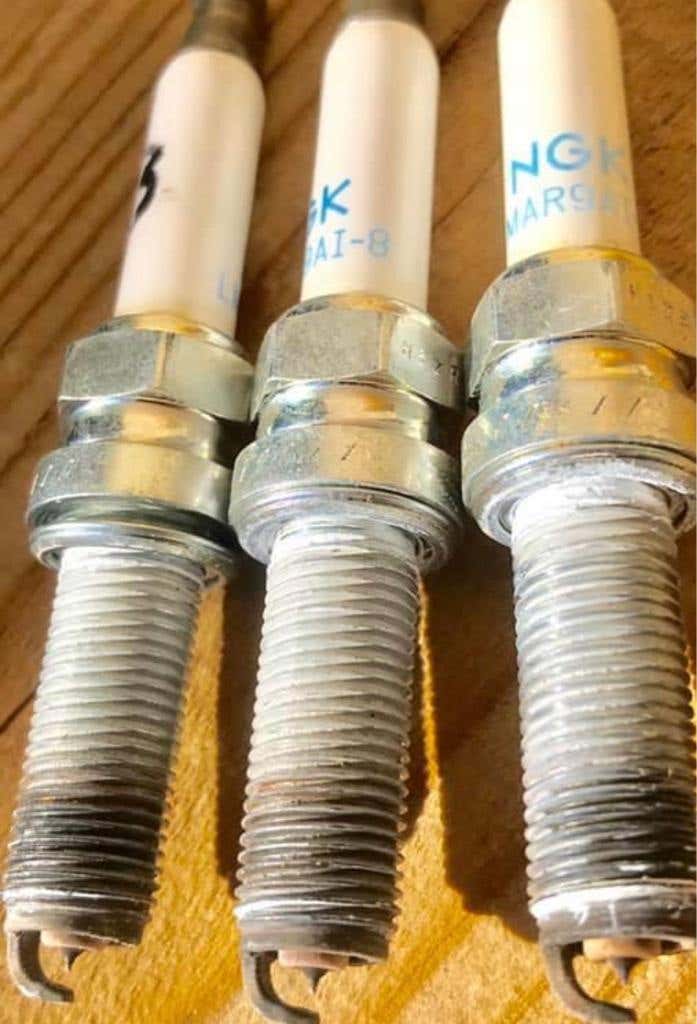
Worn spark plugs can cause several problems in your vehicle’s engine. These signs often show up before the plugs completely fail. Spotting these early helps avoid costly repairs and keeps your engine running smoothly. Watch for changes in how your car behaves. These symptoms often mean it’s time to check your spark plugs.
Engine Misfires
One common sign of worn spark plugs is engine misfires. The engine may hesitate or jerk during acceleration. Misfires happen because the spark plugs don’t ignite the fuel properly. This leads to uneven engine performance and rough idling. You might hear popping sounds or feel vibrations as well.
Reduced Fuel Efficiency
Worn spark plugs can lower your car’s fuel efficiency. When sparks are weak, the engine burns more fuel than needed. This means you will fill up the tank more often. Reduced mileage is a clear sign that spark plugs need attention. Keeping plugs in good shape saves money on gas.
Difficulty Starting Engine
Hard starts or longer cranking times can indicate spark plug wear. The engine needs a strong spark to start quickly. Old or damaged plugs make ignition slow or fail completely. You may notice the engine struggles more in cold weather. This problem often gets worse over time.
Replacing Spark Plugs
Replacing spark plugs is a key part of car maintenance. It keeps your engine running smoothly and saves fuel. Old spark plugs can cause misfires, poor acceleration, and higher emissions. Knowing when and how to replace them helps avoid costly repairs.
Recommended Replacement Intervals
Most spark plugs last between 30,000 and 100,000 miles. The exact interval depends on the type and your car model. Copper plugs need replacing more often than platinum or iridium ones. Check your owner’s manual for specific guidance. Regular replacement ensures steady engine performance.
Diy Replacement Tips
Replacing spark plugs at home can save money. Gather the right tools: socket wrench, spark plug socket, and gap gauge. Let the engine cool before starting. Remove one spark plug at a time to avoid mixing wires. Check the gap on new plugs and adjust if needed. Tighten carefully to avoid damage.
When To Consult A Mechanic
Some signs show it’s time for professional help. If the engine runs rough, stalls, or uses more fuel, see a mechanic. Difficulty accessing spark plugs or unfamiliarity with tools also calls for expert service. A mechanic can spot hidden issues and ensure correct installation.
Maintaining Spark Plug Performance
Maintaining spark plug performance is key to keeping your engine running smoothly and efficiently. Neglecting this can lead to misfires, poor fuel economy, and even engine damage. You don’t need to be a mechanic to make sure your spark plugs stay in top shape—small, regular efforts can make a big difference.
Regular Inspections
Check your spark plugs at least every 30,000 miles or as recommended by your vehicle’s manufacturer. Look for signs of wear like buildup, cracks, or corrosion on the electrodes. Catching issues early can prevent costly repairs and keep your engine firing perfectly.
I once ignored a worn spark plug until my car started hesitating during acceleration. A quick inspection revealed the culprit, and replacing the plug fixed the problem immediately. Could a simple check save you from unexpected breakdowns?
Proper Gap Settings
The gap between the electrodes affects the spark’s strength and efficiency. Use a feeler gauge to measure the gap and adjust it according to your car’s specifications, usually found in the owner’s manual. Too wide or too narrow a gap can cause engine misfires or rough idling.
When I adjusted the gap on my spark plugs, I noticed smoother starts and better throttle response. You don’t need special tools—just a little patience and the right measurements to get it right.
Using Quality Fuel
Low-quality fuel can leave deposits on your spark plugs, reducing their effectiveness and lifespan. Choose reputable fuel brands and consider adding fuel system cleaners occasionally to keep injectors and plugs clean. Cleaner fuel means fewer carbon deposits and better spark plug performance.
Have you ever felt your engine running rough after filling up at an unfamiliar gas station? That’s often the effect of poor fuel quality impacting your spark plugs. Paying attention to what you put in your tank pays off under the hood.
Credit: www.westsideauto.com.au
Frequently Asked Questions
How Often Should Spark Plugs Be Replaced?
Spark plugs typically last between 30,000 to 100,000 miles. Replacement frequency depends on the spark plug type and vehicle model. Regular inspection helps maintain engine performance and fuel efficiency. Always follow the manufacturer’s recommended replacement schedule for best results.
What Factors Affect Spark Plug Lifespan?
Spark plug life depends on engine type, driving habits, and fuel quality. High-performance engines may wear plugs faster. Frequent short trips and poor fuel can shorten lifespan. Proper maintenance and using recommended spark plugs extend their durability.
Can Old Spark Plugs Cause Engine Problems?
Yes, worn spark plugs can cause misfires, poor fuel economy, and rough idling. They reduce engine power and increase emissions. Timely replacement ensures smooth engine operation and prevents costly repairs.
Are Iridium Spark Plugs Longer-lasting?
Iridium spark plugs usually last up to 100,000 miles or more. They resist wear better than copper or platinum plugs. Iridium plugs provide better ignition performance and improved fuel efficiency, making them a cost-effective choice in the long run.
Conclusion
Spark plugs usually last between 30,000 to 100,000 miles. Their lifespan depends on the type and driving conditions. Worn spark plugs can cause engine problems and lower fuel efficiency. Regular checks help keep your car running smoothly. Replace spark plugs when you notice rough idling or trouble starting.
Proper maintenance saves money and prevents bigger repairs later. Keep an eye on your spark plugs to enjoy a reliable ride. Simple care makes a big difference in your vehicle’s health.





