Are you ready to boost your engine’s performance with a simple tweak? Setting the gap on a spark plug might seem like a small task, but it can have a big impact on how well your engine runs.
If you’ve ever wondered about the right way to do it, you’re in the right place. Imagine your engine purring smoothly, thanks to a perfectly set spark plug gap. This guide will walk you through the process step by step, ensuring you get it right the first time.
You’ll learn why the gap matters and how it can make a difference in your vehicle’s efficiency and power. So, grab your tools and let’s dive into the details that will make your engine run like new!

Credit: www.youtube.com
Spark Plug Gap Basics
Setting the correct gap on a spark plug is crucial for engine performance. The gap refers to the space between the center and ground electrodes. This small distance affects how well the spark ignites the fuel-air mixture inside the engine. A proper gap ensures smooth starts, better fuel efficiency, and fewer emissions.
Why Gap Size Matters
The gap size controls the spark’s strength and reach. A gap too small causes weak sparks, leading to misfires. A gap too large needs more voltage to jump across, which can strain the ignition system. Both conditions reduce engine power and increase fuel use. Correct gap size balances spark energy and ignition reliability.
Common Gap Measurements
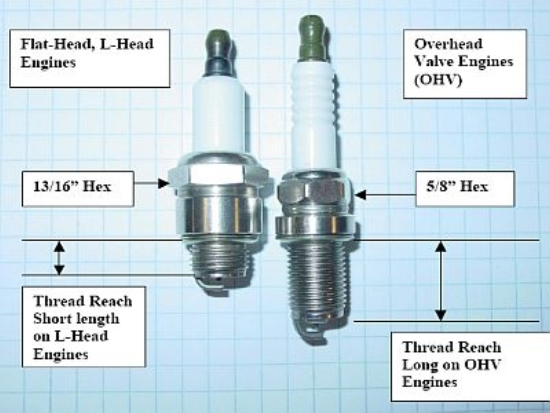
Gap sizes vary by engine type and spark plug model. Most passenger cars use gaps between 0.028 and 0.060 inches (0.7 to 1.5 mm). Motorcycles and small engines often require smaller gaps. Always check the vehicle’s manual or spark plug packaging for exact specs.
- Typical car spark plug gap: 0.030 to 0.040 inches (0.76 to 1.02 mm)
- Motorcycle spark plug gap: 0.020 to 0.035 inches (0.5 to 0.9 mm)
- Small engines (lawn mowers, chainsaws): 0.025 to 0.035 inches (0.64 to 0.89 mm)
Credit: www.vanguardpower.com
Tools Needed For Gap Setting
Setting the gap on a spark plug requires specific tools to ensure precision. Using the right tools helps achieve the correct gap size. This improves engine performance and fuel efficiency. Without the proper tools, the task becomes difficult and inaccurate.
Gap Gauge Types
Several types of gap gauges measure the spark plug gap. Each type has its own way to check the space between electrodes.
- Feeler Gauge:Thin metal strips with different thicknesses. Insert strips to find the correct gap size.
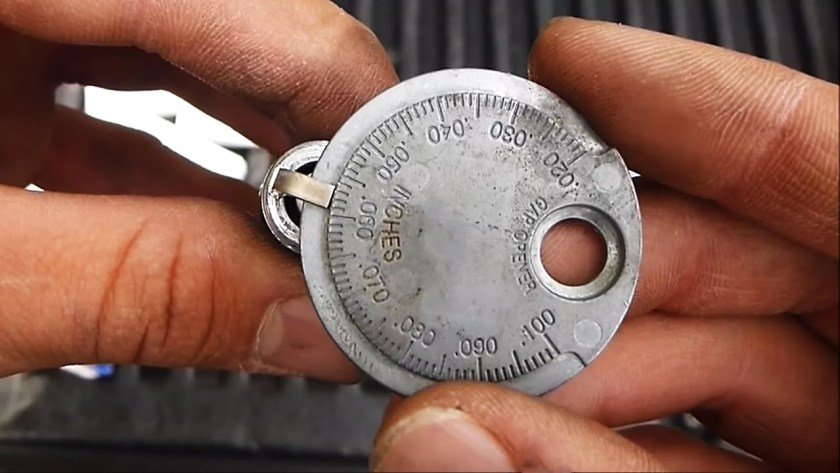
- Coin-Style Gauge:Flat discs with various thicknesses. Slide discs between electrodes to test the gap.
- Wire-Type Gauge:Flexible wires that match gap sizes. Pass wire through gap to check fit.
Feeler gauges offer the most precise measurement. Wire and coin gauges are quicker but less exact.
Additional Helpful Tools
Other tools make adjusting the gap easier and safer for the spark plug.
- Gap Adjuster Tool:Small tool to gently bend the ground electrode for the correct gap.
- Plastic or Wooden Stick:Used to avoid scratching or damaging the electrode during adjustment.
- Magnifying Glass:Helps see the gap clearly, especially in low light.
- Cleaning Brush:Removes dirt or debris from the spark plug before gap setting.
Preparing The Spark Plug
Preparing the spark plug is a crucial step before setting the gap. It ensures the plug performs efficiently and lasts longer. Taking the time to clean and inspect your spark plug can save you from costly engine troubles down the road.
Cleaning The Plug
Start by removing any dirt, oil, or carbon deposits from the spark plug. Use a wire brush or spark plug cleaner to gently scrub the metal parts. Avoid harsh chemicals that might damage the ceramic insulator.
Cleaning helps you see the electrode clearly and makes it easier to measure and adjust the gap. Have you noticed how a dirty plug often leads to rough engine starts? Keeping it clean can prevent that hassle.
Inspecting For Damage
After cleaning, check the spark plug for cracks, chips, or worn electrodes. A damaged plug won’t spark correctly, no matter how well you set the gap. Look closely at the ceramic insulator and the metal shell.
Also, check if the electrode is rounded or eroded. If you spot any damage, it’s best to replace the plug instead of trying to fix it. Have you ever wasted time adjusting a faulty plug? Spotting damage early saves you that frustration.

Credit: www.youtube.com
Measuring The Current Gap
Measuring the current gap on a spark plug is a crucial step before making any adjustments. This gap affects how well your engine runs, so it’s important to get it right. Taking a moment to measure the gap accurately can save you from poor performance or misfires down the road.
Using A Gap Gauge
A gap gauge is a simple tool designed specifically to measure the space between the electrodes on your spark plug. You slide the gauge between the gap and check how easily it passes through.
There are different types of gauges you might use:
- Feeler gauge:Thin metal blades of varying thickness.
- Wire gauge:Flexible wires of specific diameters.
- Coin gauge:Flat pieces of metal with a fixed thickness.
Try inserting the gauge gently—if it fits snugly with slight resistance, the gap is correct. If it slides in too easily or doesn’t fit, you’ll need to adjust the gap accordingly.
Interpreting The Measurement
After measuring, compare your reading to the spark plug gap specified for your engine. This information is usually found in your vehicle’s manual or on the spark plug packaging.
Too small a gap can cause weak sparks and poor combustion. Too large a gap may lead to misfires or difficulty starting your engine.
Ask yourself: Is your measured gap close to the recommended size? If not, it’s time to carefully bend the electrode to adjust it. Keep rechecking with the gauge to avoid over-adjusting.
Adjusting The Spark Plug Gap
Adjusting the spark plug gap ensures the engine runs smoothly and efficiently. The gap is the distance between the center and side electrodes. A correct gap allows the spark to ignite the air-fuel mixture properly. Adjusting this gap requires precision and the right tools. Small changes in the gap can improve engine performance and fuel economy.
Increasing The Gap
To increase the spark plug gap, use a spark plug gap tool or feeler gauge. Gently bend the side electrode away from the center electrode. Move slowly and check the gap frequently. Avoid bending too far to prevent damage. The goal is to reach the specified gap size for your engine.
Decreasing The Gap
To decrease the gap, carefully tap the side electrode against a hard surface. Use a tool to press it closer to the center electrode. Check the gap often with a feeler gauge. Make small adjustments to avoid closing the gap too much. A tight gap can cause misfires or poor engine start.
Tips For Accurate Adjustment
- Always use the correct gap size recommended by the vehicle manual.
- Work in a clean area to avoid dirt on the spark plug.
- Use a proper gap tool or feeler gauge for measurement.
- Adjust slowly and check the gap after each change.
- Never force the electrodes; handle them gently to avoid damage.
Verifying The Final Gap
Verifying the final gap on a spark plug is essential for engine performance. The gap affects the spark’s strength and timing. A precise gap ensures better fuel ignition and smoother running engine. After adjusting the gap, check it carefully to avoid errors. This step helps prevent misfires and poor fuel economy.
Double-checking With Gauge
Use a spark plug gap gauge to measure the gap accurately. Insert the gauge between the electrodes gently. The gauge should fit snugly without forcing it. If the gap is too wide or tight, adjust it again. Repeat the measurement until the gauge fits perfectly. This double-check prevents incorrect gap size, which can harm engine function.
Ensuring Consistency Across Plugs
Check each spark plug’s gap individually. Consistency matters for balanced engine performance. Measure every plug with the gap gauge. Adjust any plug that does not match the recommended size. Keep all gaps uniform to avoid uneven firing. Consistent gaps help the engine run smoothly and last longer.
Common Mistakes To Avoid
Setting the gap on a spark plug might seem straightforward, but several common mistakes can trip you up. These errors not only affect your engine’s performance but can also cause costly damage. Avoiding these pitfalls ensures your spark plug fires correctly and your vehicle runs smoothly.
Over-gapping
One frequent mistake is setting the gap too wide. A spark plug with an excessive gap requires a stronger spark, which can strain your ignition system. This often leads to misfires or difficulty starting your engine.
Think about the last time your car hesitated or stalled unexpectedly. Could an over-gapped spark plug be the silent culprit? Checking your vehicle’s manual for the exact gap specification helps you avoid this problem.
Use a proper feeler gauge to measure the gap precisely. Avoid guessing or using improvised tools, as even small deviations can cause issues.
Damaging The Electrode
Another common error is damaging the electrode while adjusting the gap. The electrode is delicate, and bending it too forcefully or with the wrong tool can weaken or break it.
I once tried prying the electrode with pliers and ended up snapping it, which meant buying a new spark plug and wasting time. Using a dedicated spark plug gap tool minimizes this risk.
Always handle the electrode gently and make small adjustments. If you feel resistance or see signs of stress, stop and reassess your technique.
Impact Of Proper Gap On Engine Performance
Setting the correct gap on a spark plug is more than just a routine task—it directly affects how well your engine performs. A precise gap ensures the spark ignites the fuel-air mixture efficiently, influencing everything from fuel use to how smoothly your engine runs. Neglecting this small detail can lead to poor engine response and even increased emissions.
Fuel Efficiency
The right spark plug gap helps your engine burn fuel more completely. When the gap is too wide or too narrow, the spark weakens, causing incomplete combustion.
This wastes fuel and lowers your miles per gallon. Have you noticed your car using more gas than usual? It might be time to check that gap.
Engine Power And Smoothness
Your engine’s power depends on a strong, consistent spark. A properly gapped plug creates a spark that ignites the fuel evenly, giving you smoother acceleration and better throttle response.
Too small a gap can cause misfires, while too large a gap makes the spark unstable. Either way, you’ll feel the difference in engine roughness or hesitation.
Emission Control
Proper spark plug gap helps reduce harmful emissions by ensuring complete fuel combustion. Incomplete burning due to an incorrect gap increases pollutants like carbon monoxide and unburned hydrocarbons.
Keeping the gap within manufacturer specs supports cleaner exhaust and helps your vehicle pass emission tests more easily.
Frequently Asked Questions
What Tools Are Needed To Set Spark Plug Gap?
You need a spark plug gap tool or feeler gauge. These tools measure and adjust the gap accurately. A gap tool ensures proper ignition and engine efficiency.
Why Is Spark Plug Gap Important?
The gap affects spark intensity and combustion efficiency. Incorrect gaps cause misfires, poor fuel economy, and engine issues. Proper gaps improve performance and reduce emissions.
How Do You Measure The Spark Plug Gap?
Use a feeler gauge to check the gap between electrodes. Insert the gauge gently; the correct gap fits snugly without forcing. Adjust the gap if it’s too wide or narrow.
How To Adjust The Spark Plug Gap Safely?
Use a gap tool to bend the ground electrode gently. Avoid damaging the electrode or insulator. Make small adjustments and re-measure until the correct gap is achieved.
Conclusion
Setting the spark plug gap correctly helps your engine run smoothly. A proper gap improves fuel efficiency and reduces engine problems. Always check the gap with a gauge before installing the spark plug. Small adjustments can make a big difference in performance.
Taking time to set the gap right saves money and hassle later. Remember, a well-gapped spark plug supports better ignition and power. Keep your engine healthy by paying attention to this simple step. It’s a small task with a big impact on your vehicle’s life.





