Are you ready to enhance your car’s performance with a simple yet crucial tweak? If you’ve ever wondered how to set a spark plug gap, you’re in the right place.
This small adjustment can have a huge impact on your engine’s efficiency and lifespan. Imagine driving smoothly with improved fuel economy and less wear on your vehicle. It all starts with understanding the spark plug gap. In this guide, you’ll discover the straightforward steps to get it right, ensuring your car runs at its best.
So, grab your tools and let’s dive into the world of spark plug gaps, where a little knowledge can lead to a lot of benefits.
Spark Plug Gap Basics
Understanding the basics of spark plug gaps helps keep engines running smoothly. The gap affects the spark that ignites the fuel-air mix inside the engine. Setting the right gap size ensures better performance and fuel efficiency. Below are key points to know about spark plug gaps.
What Is Spark Plug Gap?
The spark plug gap is the space between the center and ground electrodes. This small gap allows electricity to jump and create a spark. The spark ignites the fuel mixture inside the engine’s combustion chamber. Every engine needs a specific gap size for proper ignition.
The gap size varies by engine type and spark plug model. Manufacturers usually list the ideal gap size in the vehicle’s manual. Using the wrong gap size can cause weak sparks or misfires.
Why Gap Size Matters
The correct spark plug gap ensures a strong and consistent spark. A gap too small causes weak sparks that may not ignite fuel well. A gap too large can make it hard for the spark to jump, causing misfires.
Proper gaps improve fuel efficiency, lower emissions, and increase engine power. They also help the engine start quickly and run smoothly. Regularly checking and adjusting the gap keeps the engine healthy.
Credit: modernautoparts.co.za
Tools Needed For Gapping
Setting the correct spark plug gap is essential for your engine’s performance and fuel efficiency. To get this right, you need the proper tools that make measuring and adjusting the gap simple and accurate. Having the right equipment not only saves time but also ensures your spark plugs work exactly as they should.
Gap Gauge Types
There are several types of gap gauges you can use, each offering its own advantages. The most common are feeler gauges, wire gauges, and coin-style gauges.
- Feeler Gauges:These are thin metal strips of various thicknesses. You slide the strips into the gap to check the size. If the strip fits snugly, the gap is correct.
- Wire Gauges:These consist of wires with different diameters. You insert the wire between the electrodes to measure the gap. Wire gauges are great for tight spaces.
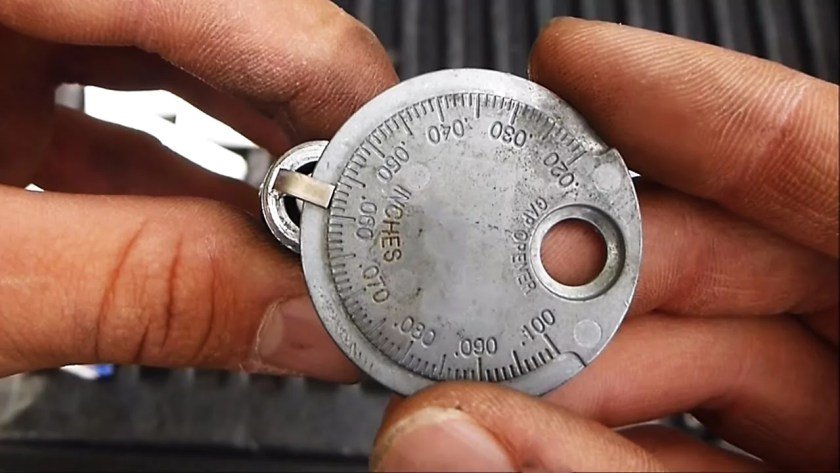
- Coin-Style Gauges:These are flat discs with a notch for the gap. They are simple to use and good for quick checks but may not be as precise as feeler or wire gauges.
Which one you choose depends on your comfort level and the precision your engine requires. Think about how often you’ll be doing this and what fits best in your toolbox.
Additional Helpful Tools
Besides a gap gauge, a few more tools make your job easier and safer.
- Gap Adjuster Tool:A small tool designed to gently bend the ground electrode. It helps you widen or narrow the gap without damaging the plug.
- Calipers:For the most accurate measurement, digital calipers can measure the gap to the thousandth of an inch.
- Protective Gloves:Handling spark plugs can sometimes cause cuts or scrapes. Gloves keep your hands safe and clean.
- Cleaning Brush:A wire brush or spark plug cleaner helps remove dirt and carbon deposits before gapping, ensuring accuracy.
Have you ever struggled with adjusting a spark plug gap and ended up damaging the electrode? Using the right tools prevents that and saves you money in the long run. What tools do you already have, and which ones could improve your next spark plug job?
Preparing The Spark Plug
Preparing the spark plug before setting its gap is crucial for optimal engine performance. A clean and undamaged spark plug ensures a consistent spark, which translates to better fuel combustion and smoother running. Taking a few moments to prepare your spark plug properly can save you from misfires and costly repairs down the road.
Cleaning The Spark Plug
Before adjusting the gap, remove any dirt, grease, or carbon deposits from the spark plug. Use a wire brush or a specialized spark plug cleaner to gently scrub the metal parts. Avoid harsh scraping that could damage the electrode or ceramic insulator.
Have you ever seen a plug so dirty that it looked almost black? That buildup blocks the spark and reduces efficiency. Cleaning your spark plug not only improves the gap setting process but also extends the life of the plug itself.
Inspecting For Damage
After cleaning, examine the spark plug carefully for cracks, worn electrodes, or burnt tips. A damaged spark plug won’t perform well, no matter how precise your gap adjustment is. Look closely at the ceramic insulator for any chips or cracks that might cause misfires.
If you spot any signs of wear or damage, replacing the spark plug is a better choice than trying to fix it. Have you ever tried to gap a plug only to find it’s beyond repair? Spotting these issues early saves time and avoids engine troubles later.
Credit: www.vanguardpower.com
Measuring The Gap
Measuring the spark plug gap accurately is crucial for your engine’s performance. The gap controls the spark size and timing, which impacts fuel efficiency and power. If the gap is too wide or too narrow, your engine might misfire or struggle to start.
Before adjusting, you need to check the existing gap. This ensures you know how much to add or remove to reach the right specification. Here are two common tools you can use to measure the gap precisely.
Using A Feeler Gauge
A feeler gauge is a set of thin metal strips with different thicknesses. To measure the gap, slide the correct thickness strip between the spark plug’s electrodes.
If the strip fits snugly without forcing, that’s your gap size. If it’s too loose or tight, try a different thickness until you find the one that fits just right. This tool gives you a very precise reading and helps avoid guesswork.
I remember once trying to eyeball the gap on my car’s spark plugs, which led to poor engine performance for weeks. Using a feeler gauge the second time made all the difference—it was an easy fix that saved me from unnecessary repairs.
Using A Gap Tool
A gap tool is a simple device designed specifically for spark plugs. It often looks like a round wire or plastic gauge with a tapered edge.
To use it, slide the tool into the gap until it fits snugly. If the tool passes through too easily or not at all, adjust the gap accordingly. These tools are quick and user-friendly, perfect if you want a fast check without much fuss.
Have you ever wondered how small changes in a spark plug gap can affect your engine’s roar? Using a gap tool makes it easy to experiment and find the optimal setting for your vehicle.
Adjusting The Gap
Adjusting the spark plug gap is a crucial step to ensure your engine runs smoothly and efficiently. The gap must be precise to create the right spark intensity for ignition. Too wide or too narrow a gap can lead to misfires, poor fuel economy, or engine hesitation.
Increasing The Gap
If the gap is too narrow, you need to increase it carefully. Use a spark plug gap tool, which is a thin metal or plastic feeler gauge, to measure the current gap first.
To widen the gap, gently bend the ground electrode away from the center electrode. Do this slowly and in small increments to avoid breaking the electrode. After each adjustment, re-measure the gap to ensure it matches the recommended specification for your engine.
Have you ever tried to force the electrode too far? It’s easy to snap it off, which means buying a new plug. Patience is key here.
Decreasing The Gap
If the gap is too wide, you’ll need to decrease it by bending the ground electrode back toward the center electrode. Use the flat end of the gap tool or a small pair of pliers for controlled pressure.
Press gently and check the gap often to avoid closing it too much. A gap that’s too narrow can cause weak sparks and poor engine performance.
When adjusting, consider how tight the space is around the electrode. Too much force or awkward angles can damage the plug or affect the electrode’s alignment.

Credit: www.youtube.com
Setting The Correct Gap
Setting the correct spark plug gap is essential for optimal engine performance. The gap affects how the spark ignites the fuel-air mix inside the engine. A gap that is too wide or too narrow can cause misfires, poor fuel economy, and rough idling. Properly setting this gap ensures efficient combustion and helps the engine run smoothly.
Checking Manufacturer Specifications
Start by finding the spark plug gap recommended by the vehicle or engine maker. This information is usually in the owner’s manual or on a sticker under the hood. The gap size is measured in thousandths of an inch or millimeters. Always follow these specs to avoid engine damage or poor performance.
Verifying The Gap Size
Use a spark plug gap tool to measure the distance between the electrodes. These tools come as feeler gauges or wire-type gauges. Slide the tool gently into the gap. It should fit snugly without forcing it. Adjust the gap by carefully bending the ground electrode with the tool. Double-check the size after each adjustment to get it right.
Tips For Consistent Results
Setting a spark plug gap with consistency matters for engine performance. Small changes in the gap size affect spark strength and fuel burning. Consistent results come from careful handling and avoiding common errors. Follow these tips to keep your spark plugs in good shape and gap settings accurate.
Handling Spark Plugs Carefully
Always hold spark plugs by the metal shell, not the ceramic insulator. The insulator can crack easily and ruin the plug’s function. Avoid dropping spark plugs; impacts can bend the electrodes or damage the gap. Use a gap tool gently to adjust the gap without forcing or scratching. Store spark plugs in a clean, dry place to prevent dirt or moisture buildup.
Avoiding Common Mistakes
- Don’t guess the gap size. Use a proper feeler gauge or gap tool.
- Avoid over-bending the ground electrode. Bend it slowly and slightly.
- Never gap a used spark plug. Old plugs wear unevenly and give false readings.
- Check the gap twice before installation to ensure accuracy.
- Do not clean spark plugs with harsh chemicals that can damage the surface.
Frequently Asked Questions
What Is The Ideal Spark Plug Gap Size?
The ideal spark plug gap size varies by vehicle model and engine type. Check your owner’s manual or spark plug packaging for the exact measurement. Proper gap size ensures efficient combustion and optimal engine performance.
How Do I Measure Spark Plug Gap Accurately?
Use a spark plug gap tool or feeler gauge to measure the gap. Insert the tool between the electrodes gently. Adjust the gap by carefully bending the ground electrode until the tool fits snugly without forcing.
Why Is Setting Spark Plug Gap Important?
Setting the correct spark plug gap ensures efficient ignition of the air-fuel mixture. It improves engine performance, fuel efficiency, and reduces emissions. Incorrect gaps cause misfires, rough idling, and poor fuel economy.
Can I Use A Spark Plug Gap Tool At Home?
Yes, a spark plug gap tool is affordable and easy to use at home. It allows you to measure and adjust the gap precisely, helping maintain your vehicle’s engine health without professional help.
Conclusion
Setting the correct spark plug gap helps your engine run smoothly. It improves fuel efficiency and reduces engine problems. Always check the gap carefully before installing new plugs. Use a gap tool to measure and adjust the space between electrodes.
Taking this small step saves time and money on repairs. Regularly maintaining spark plugs keeps your vehicle in good shape. Simple actions make a big difference in engine performance. Try this easy task for better driving experience.





