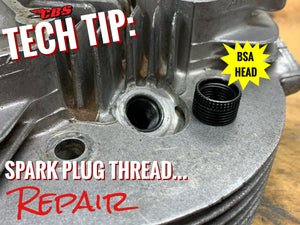
Have you ever found yourself frustrated in your garage, staring at a spark plug hole that just won’t cooperate? You’re not alone.
Rethreading a spark plug hole can seem daunting, especially when it feels like a small mistake could lead to even bigger problems. But don’t worry, you’re about to discover the secrets that make this task simpler than you ever imagined.
Imagine the confidence you’ll feel knowing you’ve mastered a skill that many find intimidating. This article will guide you through the process step-by-step, providing tips and insights that will make rethreading a spark plug hole feel like second nature. Stay with us, and you’ll soon gain the skills that turn a potential headache into a satisfying success.
Credit: www.powerbuilt.com
Tools Needed
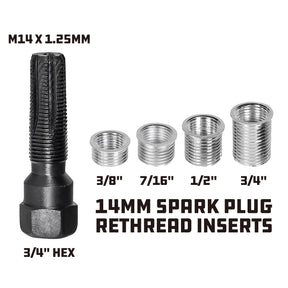
Rethreading a spark plug hole needs specific tools to do it right. Using the correct tools prevents damage and makes the job easier. Collect the necessary items before starting the repair. This helps avoid delays and ensures safety.
Essential Tools
- Spark plug thread chaser – cleans and fixes damaged threads.
- Tap wrench – holds and turns the thread chaser securely.
- Compressed air or a small brush – removes debris from the hole.
- Socket wrench with spark plug socket – removes and installs the spark plug.
- Thread lubricant or anti-seize compound – protects threads during reinstallation.
- Safety glasses – protect eyes from metal shavings and dust.
Optional Accessories
- Magnetic pick-up tool – retrieves dropped spark plugs or small parts.
- Flashlight or work light – improves visibility inside the engine area.
- Torque wrench – ensures spark plug is tightened to the correct specification.
- Gloves – protect hands from sharp edges and dirt.
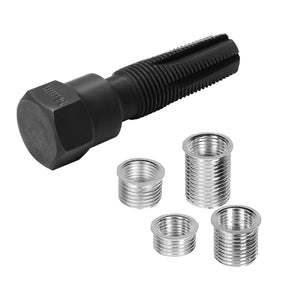
- Thread repair kit – for severe thread damage needing inserts or helicoils.
Preparing The Area
Preparing the area before rethreading a spark plug hole is crucial for a successful repair. It ensures the new threads will hold firmly and prevents damage to the engine. Taking the time to properly clean and remove any debris or oil can save you from costly mistakes later.
Cleaning The Spark Plug Hole
Start by removing the spark plug and inspecting the hole closely. Use a compressed air blower or a small brush to clear out loose dirt and dust. This step helps you see the condition of the threads clearly and prevents dirt from entering the engine cylinder.
If you notice any stubborn grime, gently clean the threads with a spark plug thread chaser or a suitable tap. Avoid using excessive force that could cause further thread damage. The goal is to create a clean, smooth surface for the new threads.
Removing Debris And Oil
Oil or grease inside the spark plug hole can interfere with thread cutting and bonding. Wipe the hole with a clean rag soaked in a degreaser or brake cleaner. Let it dry completely before moving on.
Check for any remaining debris by shining a flashlight inside the hole. If you spot metal shavings or old thread pieces, remove them carefully with tweezers or a magnet tool. You want the area spotless to ensure the thread repair tool works effectively.
Have you ever tried rethreading without cleaning first? The difference in results is often dramatic. Taking these few extra minutes to prepare can make your repair last longer and perform better under pressure.
Inspecting The Damage
Inspecting the damage in a spark plug hole is crucial before starting any repair. It helps you understand the extent of the problem and decide the right approach. Careful inspection prevents worsening the issue and ensures a lasting fix.
Identifying Thread Issues
Check the spark plug hole threads closely for signs of damage. Look for cross-threading, stripped threads, or debris stuck inside. Use a flashlight to see clearly. Gently run a spark plug thread chaser or tap to feel for rough or uneven threads. Note if the threads are worn out or broken.
Assessing Repair Feasibility
Decide if the damage can be repaired or if more work is needed. Minor thread damage can often be fixed with a thread chaser or repair kit. Severe damage may require installing a thread insert or replacing the cylinder head. Consider the cost and effort of each option. Choose a method that restores the threads securely and safely.
Credit: www.powerbuilt.com
Choosing The Right Tap
Choosing the right tap is crucial for successful spark plug hole rethreading. A proper tap restores the threads without causing damage. It ensures the spark plug fits securely and prevents engine problems. Picking the wrong tap can make the hole unusable or cause leaks.
Types Of Thread Taps
Several types of taps suit different tasks. The main types include:
- Hand Taps:Used manually for light work and small repairs.
- Spiral Point Taps:Push chips forward, ideal for through holes.
- Spiral Flute Taps:Pull chips out, best for blind holes.
- Bottoming Taps:Cut threads near the bottom of blind holes.
For spark plug holes, spiral flute or bottoming taps often work best. They clean threads without damaging the cylinder head.
Selecting The Correct Size
Use a tap that matches the spark plug thread size exactly. Common sizes are M10x1.0 or M14x1.25, but check your vehicle’s manual. Using a smaller tap can strip the threads. A larger tap may enlarge the hole too much.
Measure the hole with a thread gauge or compare the tap to the old spark plug. Ensure the tap fits smoothly and aligns perfectly with the hole. Correct size taps save time and protect engine parts.
Rethreading Process
The rethreading process restores damaged threads in a spark plug hole. It helps secure the spark plug tightly again. Careful handling during rethreading prevents further damage. The process requires a tap tool and some patience. Proper technique ensures the engine runs smoothly after repair.
Aligning The Tap Properly
Start by cleaning the spark plug hole. Insert the tap tool straight into the hole. Keep the tap aligned with the hole’s original angle. Avoid tilting or forcing the tap. Proper alignment prevents uneven thread cutting and damage.
Cutting New Threads
Turn the tap slowly in a clockwise direction. Apply light pressure to cut new threads. After a few turns, reverse the tap slightly. This clears metal shavings from the threads. Continue this process until the tap reaches the bottom of the hole.
Avoiding Common Mistakes
- Do not force the tap if it feels stuck.
- Keep the tap clean and free of debris.
- Use the right tap size for your spark plug.
- Do not skip cleaning the hole before starting.
- Avoid over-cutting, which weakens the threads.
Using Thread Repair Kits
Using thread repair kits is a reliable way to fix damaged spark plug holes. These kits restore the threads inside the hole, allowing new spark plugs to fit securely. They work by adding new thread material inside the damaged area. This process strengthens the hole and prevents future stripping.
Thread repair kits come with tools and inserts designed for easy installation. They require careful preparation and precise work. With the right steps, anyone can restore spark plug threads without replacing the engine head.
Heli-coil Installation
Heli-Coil kits are popular for repairing spark plug threads. The kit includes a coil insert, installation tool, and a tap. First, clean the spark plug hole thoroughly. Next, use the tap from the kit to cut new threads inside the hole.
After tapping, insert the coil using the special tool. The coil fits tightly, creating new, strong threads. Once installed, the coil sits flush with the engine surface. This allows the spark plug to screw in easily and securely.
Inserting Thread Inserts
Thread inserts come in various types, such as solid or coil inserts. These inserts restore the hole’s thread size and strength. Begin by drilling out the damaged threads carefully. Then, tap the hole to the insert’s size.
Place the insert into the hole using an insertion tool. The insert locks into place, providing a durable new thread. Some inserts have locking features to stop loosening over time. This method gives a long-lasting repair for spark plug holes.
Final Steps
After carefully rethreading the spark plug hole, the final steps are crucial to ensure a secure and effective installation. These last actions prevent damage and guarantee that your engine runs smoothly. Paying close attention here can save you from costly repairs down the road.
Cleaning The Threads
Before you install the spark plug, clean the threads thoroughly. Use a brush or compressed air to remove any debris, metal shavings, or oil residue left from the rethreading process.
Dirty threads can cause improper seating or cross-threading, which might lead to engine performance issues. Have you ever skipped cleaning and ended up with a loose spark plug? Avoid that frustration by taking a few extra minutes here.
Installing The Spark Plug
When inserting the spark plug, start by hand to avoid cross-threading. Gently screw it in until you feel resistance, then stop and prepare for the final tightening.
This step is where patience pays off. Forcing the plug can strip the threads again, undoing your hard work. You want the spark plug to sit flush and secure, not tilted or loose.
Torque Specifications
Use a torque wrench to tighten the spark plug to the manufacturer’s recommended setting. Too much force can strip the threads or crack the plug, while too little can cause poor sealing and compression loss.
| Engine Type | Torque Range |
|---|---|
| Small Engines (lawnmowers, motorcycles) | 12-15 ft-lbs (16-20 Nm) |
| Cars and Trucks | 20-30 ft-lbs (27-41 Nm) |
| High-Performance Engines | 25-35 ft-lbs (34-47 Nm) |
Do you have a torque wrench handy? If not, consider investing in one—it’s a simple tool that can save your engine from avoidable damage.

Credit: www.jockeyjournal.com
Preventive Tips
Preventing damage to the spark plug hole saves you time and money. Small habits during installation and regular upkeep can keep threads intact and avoid the hassle of rethreading. Let’s look at some practical tips that help you maintain your engine’s spark plug threads in top shape.
Proper Spark Plug Installation
Always start by hand-threading the spark plug. This reduces the risk of cross-threading, which can strip the threads quickly.
Use a torque wrench to tighten the spark plug to the manufacturer’s recommended specification. Over-tightening can damage the threads, while under-tightening can cause poor engine performance.
Applying a small amount of anti-seize lubricant on the threads can help prevent seizing, but be cautious—too much can affect torque readings. Have you ever felt unsure about how tight is too tight? Trust the torque specs and avoid guessing.
Regular Maintenance
Check your spark plugs during routine oil changes or tune-ups. This lets you spot any thread wear early before it becomes a bigger problem.
Keep the spark plug holes clean and dry. Dirt or moisture can cause corrosion, making the threads fragile over time.
If you notice spark plugs becoming difficult to remove or install, pause and inspect the threads carefully. Catching this early can save you from costly repairs later.
Frequently Asked Questions
How Do You Know If A Spark Plug Hole Needs Rethreading?
If a spark plug is loose or stripped, the hole likely needs rethreading. You may also notice cross-threading or difficulty inserting the plug properly.
What Tools Are Required To Rethread A Spark Plug Hole?
You need a spark plug thread chaser, a ratchet or wrench, and possibly some lubricant. These tools help restore the threads without damaging the cylinder head.
Can Rethreading A Spark Plug Hole Fix A Stripped Thread?
Yes, rethreading repairs stripped threads by cleaning and reshaping them. It allows the spark plug to fit securely and prevents leaks or misfires.
How Long Does It Take To Rethread A Spark Plug Hole?
Rethreading usually takes about 10 to 20 minutes per hole. The exact time depends on experience and the condition of the threads.
Conclusion
Rethreading a spark plug hole takes care and patience. Use the right tools and follow steps carefully. Clean the area first to avoid damage. Work slowly to restore the threads properly. This helps keep your engine running smoothly. Avoid forcing the tap to prevent breaking it.
With practice, the process becomes easier. Regular checks can prevent bigger problems later. Keep your vehicle in good shape by fixing spark plug holes correctly. Simple care goes a long way in vehicle maintenance.





