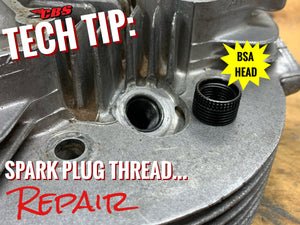
Have you ever faced the frustration of a spark plug that just won’t fit right because the threads are stripped or damaged? It can stop your engine from running smoothly and leave you feeling stuck.
But don’t worry—fixing this problem is easier than you think. You’ll learn simple, step-by-step ways to rethread a spark plug hole yourself, saving you time and money. Keep reading, and you’ll get your engine back in top shape before you know it.
Tools Needed
Rethreading a spark plug hole needs specific tools to work right. These tools help fix the threads without damage. Using the correct items makes the job easier and safer.
Each tool has a clear role during the process. Knowing what you need prepares you for successful repair.
Thread Chaser Or Tap
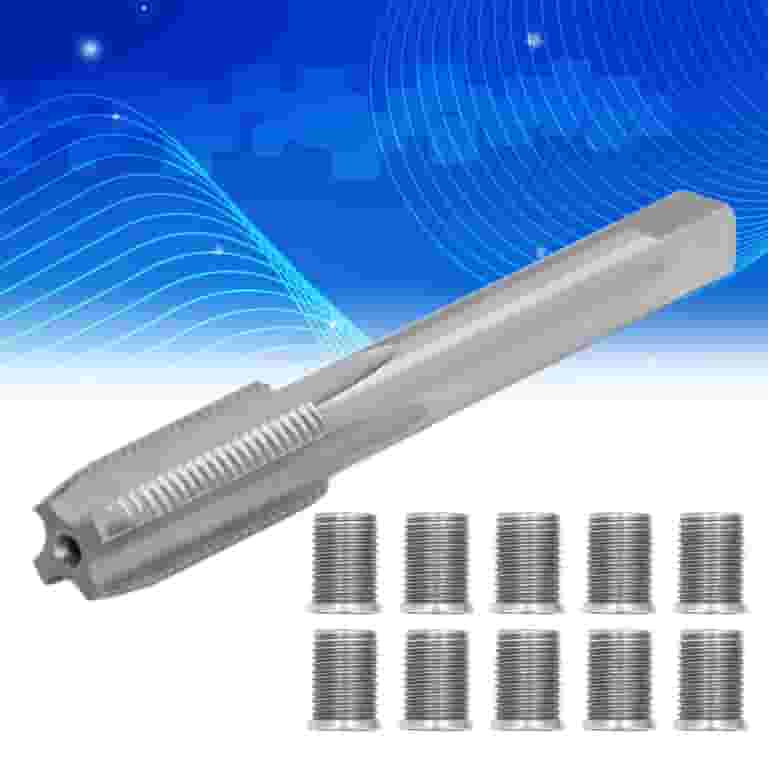
A thread chaser or tap fixes damaged threads in the spark plug hole. It cleans and reshapes threads to fit the spark plug. Choose one that matches your engine’s thread size. Use it carefully to avoid making the hole worse.
Lubricant
Lubricant reduces friction when using the thread chaser or tap. It helps the tool move smoothly inside the hole. Use cutting oil or a similar lubricant. This protects the threads and tool from damage.
Compressed Air
Compressed air removes dust and metal shavings from the hole. Cleaning the hole prevents debris from entering the engine. Blow air into the hole before and after rethreading. This keeps the area clear and ready for the spark plug.
Protective Gear
Wear gloves and safety glasses during the process. Gloves protect your hands from sharp metal and lubricant. Safety glasses shield your eyes from flying debris. Protect yourself to avoid injuries while working.
Credit: www.walmart.com
Preparing The Spark Plug Hole
Preparing the spark plug hole is a crucial first step in rethreading. Dirt, oil, and debris can cause damage or make the job harder. Proper preparation ensures a clean and strong thread repair. Take time to clear the area thoroughly before starting the rethreading process.
Cleaning The Area
Start by wiping the area around the spark plug hole. Use a clean rag or cloth to remove loose dirt and grease. Avoid pushing dirt into the hole. A clean surface helps you see the threads clearly and prevents contamination.
Removing Debris
Use compressed air to blow out any debris inside the spark plug hole. If compressed air is unavailable, a small brush can help. Be gentle to avoid damaging the threads further. Removing all particles prevents cross-threading and ensures a smooth rethreading process.
Choosing The Right Thread Chaser
Choosing the right thread chaser is a crucial step when you want to rethread a spark plug hole effectively. Using the wrong tool can cause more damage, making your repair more expensive and complicated. It’s important to understand how to pick a thread chaser that fits your specific needs and the condition of your engine.
Matching Thread Size
Every spark plug hole has a specific thread size, usually indicated in your vehicle’s manual. Using a thread chaser that matches this size exactly is essential to avoid stripping or cross-threading. If you use a chaser that’s even slightly too large or too small, the threads won’t line up properly, causing poor spark plug seating.
To identify the correct size, check the spark plug or the manufacturer’s specifications. Often, these sizes are measured in millimeters and include the thread pitch, like M14x1.25. Don’t guess—taking time to measure accurately saves you from costly mistakes.
Material Considerations
The material of your thread chaser affects both its durability and how it interacts with the metal of your engine. Most thread chasers are made from high-speed steel or carbon steel, which provide good strength and wear resistance. However, if your engine parts are aluminum, a thread chaser with a coating or one designed specifically for softer metals may reduce the risk of galling or damaging the threads.
Think about the condition of your spark plug hole too. If it’s corroded or dirty, a softer material chaser might not be effective. Conversely, a very hard chaser on brittle or worn threads could cause cracking. Matching the chaser material to your engine’s needs helps you get cleaner, longer-lasting threads.

Credit: www.youtube.com
Step-by-step Rethreading Process
Rethreading a spark plug hole can save you from costly repairs and keep your engine running smoothly. It requires patience and the right technique to restore damaged threads effectively. Let’s break down the process into clear, manageable actions to help you regain a solid connection for your spark plug.
Applying Lubricant
Start by applying a light lubricant to the spark plug hole. This reduces friction and helps the thread chaser move smoothly through the metal. I’ve found that using a penetrating oil works best, especially if the threads are rusty or dirty.
Don’t rush this step—lubrication protects both your tools and the engine parts. It also makes it easier to identify how well the threads are being cleaned.
Inserting The Thread Chaser
Carefully insert the thread chaser straight into the spark plug hole. Align it properly to avoid cross-threading, which can cause more damage. You want the tool to fit snugly without forcing it in.
If you feel resistance, double-check the alignment before proceeding. I once ignored this advice and ended up making the threads worse, so take your time here.
Turning And Cutting Threads
Slowly turn the thread chaser clockwise to cut new threads. Use steady, even pressure and listen to the sound—smooth cutting indicates proper engagement. If it grinds or sticks, stop and reassess the tool’s position.
Pause occasionally to feel if the tool moves more freely, signaling that the threads are being restored. This tactile feedback can be surprisingly helpful in guiding your work.
Backing Out To Clear Debris
After a few turns, back the thread chaser out by turning it counterclockwise. This action clears metal shavings and debris from the hole, preventing them from clogging the new threads. Repeat this back-and-forth motion several times for a clean, precise thread.
Have you noticed your tools getting stuck during this step? That’s a sign to clean the hole thoroughly before continuing. Keeping the threads clear ensures a tight spark plug fit and avoids future stripping.
Checking Thread Quality
Checking thread quality is a crucial step before rethreading a spark plug hole. It helps to identify damage or wear that could affect the spark plug’s fit and engine performance. Careful inspection prevents further damage and ensures a secure connection.
Assessing the threads visually and testing with the spark plug can reveal problems early. This process saves time and avoids costly repairs later.
Visual Inspection
Start by cleaning the spark plug hole to remove dirt and oil. Use a flashlight to see inside clearly. Look for signs of stripped, broken, or rusted threads.
- Check if threads are worn or flattened.
- Look for cross-threading or uneven damage.
- Identify any corrosion or debris stuck in the threads.
Damaged threads often cause spark plug fitting problems. Visual inspection gives a clear idea of thread condition.
Using A Spark Plug As A Test Fit
Gently screw the original spark plug into the hole by hand. It should turn smoothly without resistance or wobbling. If it feels loose or tight, the threads may be damaged.
- Stop if the plug binds to avoid further damage.
- Try to feel if the plug sits firmly in place.
- Check for any unusual movement or play in the plug.
This test confirms if the threads can hold the spark plug securely. A proper fit means the threads are still usable.
Preventing Future Thread Damage
Preventing future thread damage in spark plug holes is essential to keep your engine running smoothly and avoid costly repairs. Damaged threads can lead to poor spark plug seating, causing misfires or even engine damage. Taking care during installation and regular upkeep can save you time and money down the road.
Proper Spark Plug Installation
Always start by checking the threads on both the spark plug and the cylinder head. If you notice any dirt or debris, clean it out gently using a soft brush or compressed air.
Apply a small amount of anti-seize compound to the spark plug threads, but don’t overdo it. Too much compound can lead to inaccurate torque readings and overtightening.
Use a torque wrench to tighten the spark plug to the manufacturer’s specifications. Over-tightening can strip the threads, while under-tightening may cause the spark plug to loosen during engine operation.
Regular Maintenance Tips
- Inspect spark plug holes regularly for signs of thread wear or damage.
- Replace spark plugs at recommended intervals to prevent corrosion and buildup.
- Keep the engine clean to avoid dirt entering the spark plug holes during maintenance.
- Use the correct spark plug type and size for your engine to avoid unnecessary stress on the threads.
Have you ever experienced stripped threads that caused a bigger problem later? Taking these simple steps can help you avoid that hassle and keep your engine running efficiently. What maintenance habit will you start today to protect your spark plug threads?

Credit: www.amazon.com
Frequently Asked Questions
How Do I Know If My Spark Plug Hole Needs Rethreading?
If your spark plug won’t tighten or feels loose, the threads may be damaged. Check for cross-threading, stripped threads, or a spark plug falling out easily. These signs indicate the need for rethreading to ensure a secure spark plug fit.
What Tools Are Required To Rethread A Spark Plug Hole?
You need a spark plug thread repair kit, including a thread chaser or tap. A wrench to remove the spark plug and a torque wrench to tighten it properly are also essential for safe and effective rethreading.
Can I Rethread A Spark Plug Hole Without Removing The Engine?
Yes, you can rethread the spark plug hole without engine removal. Just ensure the engine is cool, clean the area, and carefully use the thread chaser to avoid debris entering the cylinder. Proper technique prevents engine damage.
How Long Does It Take To Rethread A Spark Plug Hole?
Rethreading a spark plug hole typically takes 10 to 20 minutes. The process depends on thread damage severity and your experience. Taking your time ensures clean threads and prevents further damage.
Conclusion
Rethreading a spark plug hole seems tricky but is manageable. Follow the steps carefully. Gather your tools and materials before starting. Take your time and be patient. Ensure the new threads are clean and secure. This process helps maintain engine performance.
Regular checks prevent future damage. Always prioritize safety while working on your engine. Consult a professional if unsure. With practice, rethreading becomes easier. Keep learning and improving your skills. Your engine will thank you for the effort. Stay committed to maintaining your vehicle.
Proper care extends its life and efficiency. Enjoy the satisfaction of a job well done.





