Have you ever wondered why your engine isn’t running as smoothly as it should? One simple but often overlooked reason could be the spark plug gap.
Getting this tiny space just right can make a big difference in your vehicle’s performance. But how do you measure spark plug gap accurately? You’ll discover easy steps to check and adjust your spark plug gap like a pro. By the end, you’ll have the confidence to improve your engine’s efficiency and save money on repairs.
Keep reading, because mastering this skill is easier than you think—and your engine will thank you!
Spark Plug Gap Basics
Understanding the basics of spark plug gap is essential for engine performance. The spark plug gap affects how the spark ignites the fuel-air mix inside the engine. Proper gap size ensures smooth starts and efficient combustion. Learning about the spark plug gap helps maintain your vehicle’s engine health and saves fuel.
What Is Spark Plug Gap?
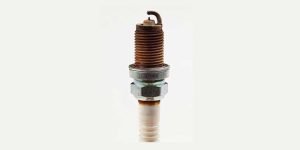
The spark plug gap is the space between the center and side electrodes of a spark plug. This gap allows the electrical spark to jump across and ignite the fuel mixture. Each engine requires a specific gap size for optimal performance. The gap size is usually measured in thousandths of an inch or millimeters.
Why Gap Size Matters
Correct gap size ensures a strong, consistent spark inside the engine. A gap too small may cause weak sparks, leading to poor engine performance. A gap too wide can prevent the spark from jumping, causing misfires or hard starts. Proper gap size helps improve fuel efficiency and reduces emissions.

Credit: www.youtube.com
Tools Needed For Measurement
Measuring the spark plug gap accurately requires the right tools. Without proper equipment, you risk misjudging the gap, which can lead to engine performance problems. Getting familiar with the tools will make this task straightforward and precise.
Gap Gauge Types
There are several types of gap gauges available, each with its own advantages. The most common ones are:
- Feeler Gauge:Thin metal strips of different thicknesses. Slide them between the spark plug electrodes to find the correct gap size. It provides a precise measurement but requires careful handling.
- Wire Gauge:Flexible wires of specific diameters that you pass through the gap. If the wire fits snugly, the gap is correct. Wire gauges are easy to use and popular among mechanics.
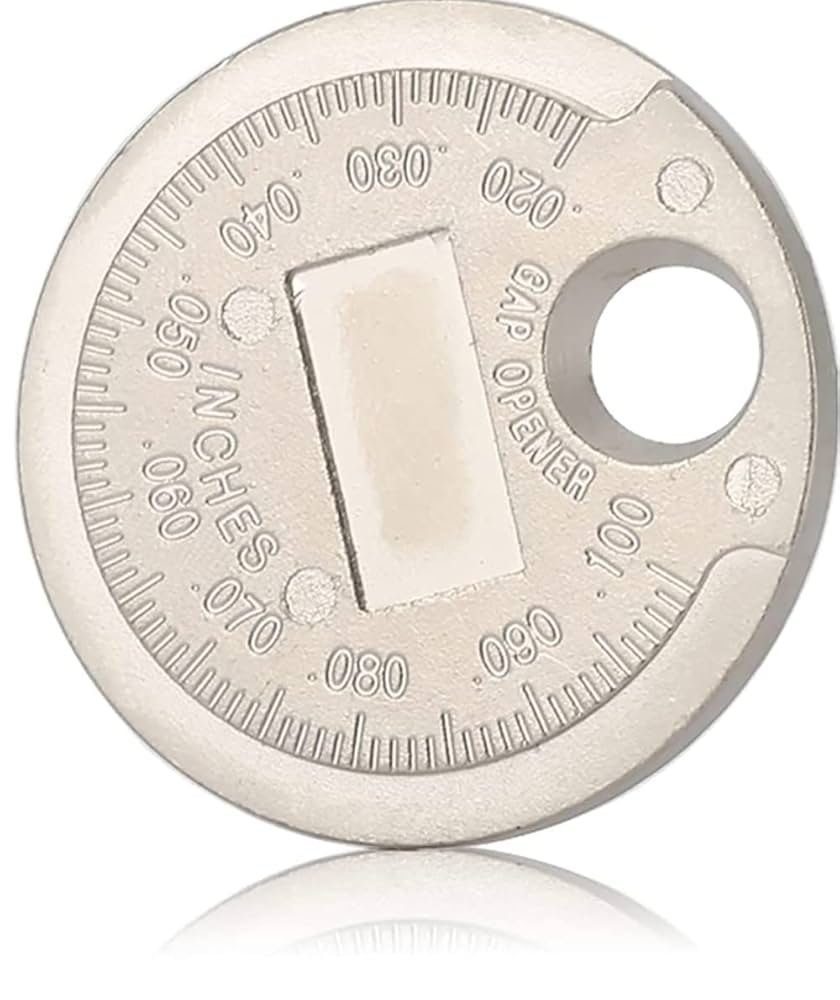
- Coin-Style Gauge:Flat, coin-shaped discs with notches of various sizes. You place the disc into the gap to see if it fits properly. It’s a quick tool but less precise than feeler or wire gauges.
Choosing the right gauge depends on your preference and how exact you want the measurement to be.
Additional Tools
Besides the gap gauge, a few more tools can make the process smoother:
- Gap Adjuster Tool:This tool helps you gently bend the side electrode to widen or narrow the gap without damaging the spark plug.
- Caliper:For those who prefer digital precision, a caliper can measure the gap directly. It’s especially useful if you want to double-check your results.
- Magnifying Glass:Spark plug electrodes are small and sometimes hard to see clearly. A magnifying glass helps you inspect the gap carefully for any irregularities.
Have you ever tried to measure a spark plug gap without the right tools? It’s frustrating and often inaccurate. Investing in proper tools saves time and avoids costly engine issues.
Preparing The Spark Plug
Preparing the spark plug properly is essential before measuring its gap. This ensures accuracy and prevents issues that could affect your engine’s performance. Taking the time to clean and inspect the plug can save you from costly mistakes.
Cleaning The Plug
Start by removing any dirt or carbon buildup on the spark plug’s electrodes and threads. Use a wire brush or a specialized spark plug cleaner to gently scrub away deposits.
Be careful not to damage the ceramic insulator while cleaning. A clean plug allows you to see the gap clearly and ensures the spark jumps correctly during ignition.
Inspecting For Damage
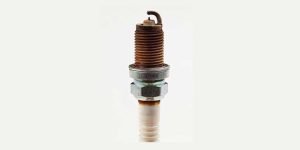
Look closely for cracks, chips, or worn electrodes on the plug. Even small damage can affect the spark plug’s performance and lead to misfires.
If you spot any damage, replacing the plug is often a better choice than trying to reuse it. Have you ever tried measuring a gap on a damaged plug? It can give you misleading results and waste your time.

Credit: eurotradefish.com
Measuring The Gap
Measuring the spark plug gap ensures your engine runs smoothly. The gap affects ignition and fuel efficiency. A correct gap means better performance and less engine wear. Several tools help check this small but important space. Each tool gives a clear way to measure the gap accurately.
Using A Feeler Gauge
A feeler gauge has thin metal blades of set thickness. Slide different blades into the gap to find the right fit. The blade that fits snugly shows the exact gap size. Avoid forcing the blade to prevent changing the gap. This tool is precise and simple to use.
Using A Wire Gauge
A wire gauge uses thin wires of different diameters. Insert wires one by one until you find the one that fits just right. The wire thickness equals the spark plug gap. This method is flexible and works well on uneven gaps. Handle wires gently to avoid bending them.
Using A Coin-style Gauge
A coin-style gauge looks like small round disks with set thickness. Place the disk between the spark plug electrodes. If it fits perfectly, the gap is correct. Too loose or tight means adjustment is needed. This gauge is easy to carry and fast to use.
Adjusting The Gap
Adjusting the spark plug gap is a simple yet crucial step to ensure your engine runs smoothly. The gap affects how the spark jumps between the electrodes, directly influencing ignition performance. Getting this gap just right can improve fuel efficiency and reduce misfires.
Bending The Ground Electrode
The easiest way to adjust the spark plug gap is by bending the ground electrode. This is the small arm that extends over the center electrode. Gently bend it inward to decrease the gap or outward to increase it.
Use a spark plug gap tool or feeler gauge to measure the gap before and after bending. Avoid applying too much force to prevent damaging the electrode. A slight adjustment can make a big difference, so go slow and check frequently.
Avoiding Common Mistakes
One common mistake is bending the center electrode instead of the ground electrode. The center electrode is fragile and can break easily. Stick to adjusting the ground electrode only.
Another mistake is over-bending, which can cause an uneven gap. This leads to inconsistent sparks and poor engine performance. Also, don’t skip rechecking the gap after adjusting—it’s easy to miss the target width.
Have you ever wondered why some spark plugs fail even after replacement? It often comes down to the gap. Take your time and measure accurately to avoid wasting parts and money.
Checking The Gap Again
Checking the spark plug gap again ensures the correct distance for optimal engine performance. This step confirms the gap matches the recommended specification. Small errors in measurement can affect how the engine runs. Rechecking the gap helps catch any mistakes made during the first check. It also prevents damage caused by an incorrect spark gap. Taking time to verify the gap saves effort and cost later.
Ensuring Accuracy
Use a feeler gauge to measure the gap precisely. Insert the gauge between the center and ground electrode. The gauge should slide in with slight resistance. Too loose or too tight means adjustment is needed. Measure the gap from several angles to avoid errors. Clean the electrodes before measuring to remove dirt or deposits. Repeat the measurement a few times for confidence.
Final Inspection Tips
- Check the gap after adjusting it carefully.
- Do not force the electrodes apart or together.
- Use gentle pressure to avoid bending or breaking.
- Confirm the gap is even along the electrode edges.
- Make sure no debris remains on the spark plug.
- Compare the gap with the vehicle’s manual specifications.
- Keep the spark plug dry and free from oils or grease.
Tips For Optimal Spark Plug Performance
Proper spark plug gap is key to good engine performance. The gap affects how well the spark ignites the fuel-air mix. A correct gap improves fuel efficiency, power, and smooth running. Too wide or too narrow gaps cause misfires and rough idling. Follow these tips for best spark plug results.
Choosing The Right Gap For Your Engine
Check your vehicle manual for the exact spark plug gap size. Manufacturers design engines for specific gaps. Using the right gap ensures proper spark and combustion. Avoid guessing or using a standard gap size. Different engines need different gaps. High-performance engines may require smaller or larger gaps.
Use a feeler gauge or gap tool to measure the spark plug. Adjust the gap carefully by bending the ground electrode. Do this gently to avoid damage. Confirm the gap matches the recommended size before installation.
Regular Maintenance Advice
Inspect spark plugs regularly for wear and gap changes. Heat and use can widen the gap over time. Replace plugs if they are worn or fouled. Clean the electrodes gently to remove carbon deposits. Check the gap again after cleaning or before reinstalling.
Maintain a routine spark plug check every 20,000 to 30,000 miles. Consistent maintenance helps prevent engine problems and saves fuel. Keep your engine running smooth with proper spark plug care.
Credit: www.vanguardpower.com
Frequently Asked Questions
What Tools Do I Need To Measure Spark Plug Gap?
To measure spark plug gap, use a feeler gauge or a spark plug gap tool. These tools provide precise measurement for accurate adjustments.
How Do I Check The Spark Plug Gap Size?
Place the feeler gauge between the electrodes. The gap should match your vehicle’s specifications for optimal performance.
Why Is Correct Spark Plug Gap Important?
Correct spark plug gap ensures efficient ignition, better fuel economy, and smooth engine operation. Incorrect gaps cause misfires and poor performance.
Can I Adjust The Spark Plug Gap Myself?
Yes, you can adjust the gap using a gap tool carefully. Avoid damaging the electrodes to maintain proper function.
Conclusion
Measuring spark plug gap is vital for engine efficiency. It ensures proper combustion. Always use a feeler gauge for accuracy. Check the manufacturer’s specifications. Adjust if necessary. A correct gap boosts engine performance. It also reduces emissions. Regular maintenance helps maintain this efficiency.
Inspect spark plugs frequently. Replace them when worn out. This simple task can save fuel. It also prolongs engine life. Understanding spark plug gap is easy. And it’s beneficial. Keep your engine running smoothly. Follow these steps for the best results.