Have you ever noticed your car not performing as well as it used to? Maybe it’s hesitating when you accelerate, or it just doesn’t start as smoothly in the morning.
These might be signs that your spark plugs are wearing out. But how do you really know when it’s time to replace them? Knowing when to change your spark plugs can save you from headaches, costly repairs, and the frustration of an unreliable vehicle.
In this post, we’ll walk you through the telltale signs that indicate your spark plugs are due for a change, ensuring your car remains in top shape and you enjoy a smoother, more reliable ride. Keep reading to discover the simple clues that could save your car—and your wallet.
Spark Plug Basics
Understanding the basics of spark plugs is essential for knowing when they need replacement. These small components play a big role in your vehicle’s engine performance. Knowing what spark plugs do and how long they typically last can save you from unexpected car troubles.
Role In Engine Performance
Spark plugs ignite the air-fuel mixture inside the engine’s cylinders. This ignition creates the explosion that powers your car’s engine. If a spark plug is weak or faulty, your engine may misfire, run rough, or lose power.
Think about the last time your car hesitated or struggled to start. That feeling might point to worn-out spark plugs. They directly affect fuel efficiency and smooth acceleration, so keeping them in good condition is crucial.
Typical Lifespan
Spark plugs don’t last forever. Most standard spark plugs need replacement every 30,000 to 50,000 miles. However, some high-performance or platinum-tipped plugs can last up to 100,000 miles.
Driving conditions impact their lifespan too. Frequent short trips, stop-and-go traffic, or dusty environments can wear spark plugs faster. Ask yourself: When was the last time you checked your spark plugs? It might be time to take a look.

Credit: m.youtube.com
Common Warning Signs
Recognizing the common warning signs helps you know when spark plugs need replacement. These signs affect your car’s performance and fuel efficiency. Catching them early avoids bigger engine problems and costly repairs.
Pay attention to how your engine runs and reacts during daily drives. Changes often point to worn-out spark plugs. Understanding these signals keeps your vehicle in good shape and running smoothly.
Engine Misfires
Engine misfires happen when spark plugs fail to ignite the fuel properly. You might feel sudden jerks or pauses while driving. Misfires reduce engine power and make the ride rough.
Hard Starts
Worn spark plugs cause your car to struggle during startup. It takes more time and effort to get the engine running. Hard starts can also drain your battery faster than usual.
Poor Fuel Economy
Bad spark plugs burn fuel inefficiently. This means your car uses more gas to go the same distance. Notice if you fill the tank more often without changing driving habits.
Rough Idling
Rough idling feels like the engine is shaking or vibrating when stopped. The sound may change, becoming louder or uneven. This happens because spark plugs don’t fire evenly in the engine cylinders.
Visual Inspection Clues
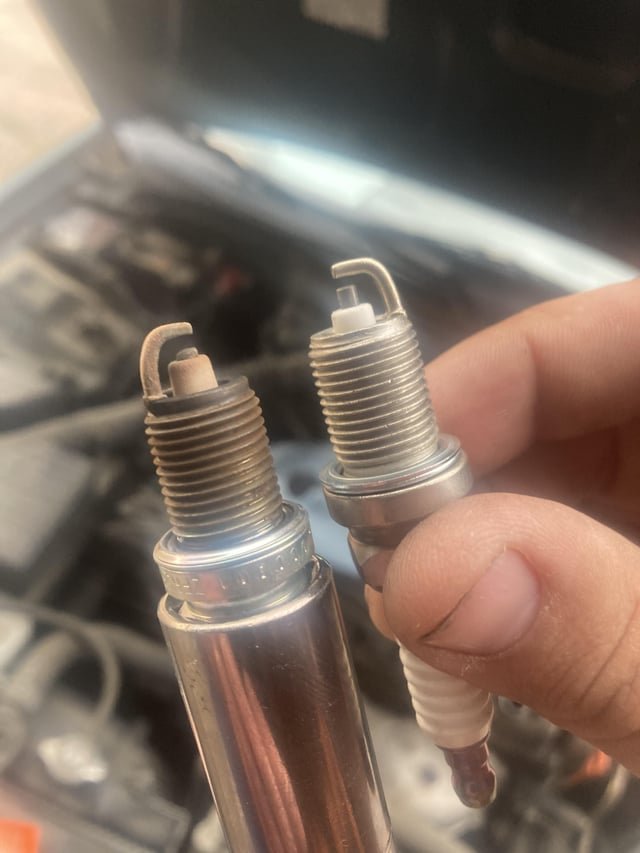
Visual inspection is a simple way to check spark plugs. It helps find issues early. You don’t need special tools. Just remove the spark plugs and look closely. Certain signs on the plugs show if they need replacing.
Electrode Wear
The electrode is the tip of the spark plug. It creates the spark to ignite fuel. Over time, the electrode wears down. It becomes rounded or thinner. Worn electrodes cause weak sparks. This leads to poor engine performance and harder starts.
Carbon Deposits
Carbon deposits appear as black, dry soot on the spark plug. This happens when the engine burns fuel unevenly. Thick carbon buildup blocks the spark. It can cause misfires and rough idling. Cleaning or changing the plugs fixes this issue.
Oil Fouling
Oil fouling shows as wet, oily spots on the plug. It means oil is leaking into the combustion chamber. This problem reduces spark efficiency. The engine runs poorly and uses more fuel. Oil-fouled plugs need immediate replacement to avoid damage.
Impact On Vehicle Performance
Your vehicle’s spark plugs play a crucial role in its overall performance. When spark plugs start to wear out, you might notice several changes that directly affect how your car runs. Recognizing these signs early can help you avoid bigger engine problems and keep your ride smooth.
Reduced Power
Have you felt your car struggling to accelerate or maintain speed? Worn spark plugs can cause a noticeable drop in engine power. This happens because old plugs don’t ignite the fuel mixture as efficiently, leading to weaker combustion and less power output.
Driving uphill or carrying heavy loads becomes tougher, and your car may feel sluggish. If you notice these signs, it’s a clear signal that your spark plugs might need replacing.
Increased Emissions
Burning fuel inefficiently doesn’t just waste gas—it also increases harmful emissions. Faulty spark plugs can cause incomplete combustion, which means more unburned fuel leaves your car’s exhaust.
This contributes to higher levels of pollutants, which can cause your vehicle to fail emission tests. Are you prepared for unexpected inspection failures? Keeping your spark plugs in good shape helps you stay eco-friendly and avoid fines.
Engine Knocking
Engine knocking or pinging noises are more than just annoying sounds—they indicate a problem with your combustion process. Bad spark plugs can cause uneven firing, leading to these sharp, metallic noises during acceleration.
Ignoring knocking can damage engine components over time, costing you more in repairs. If your engine sounds rough or unusual, check your spark plugs right away to prevent further harm.
When To Replace Spark Plugs
Knowing when to replace your spark plugs is essential for keeping your vehicle running smoothly and avoiding unexpected breakdowns. Spark plugs wear out over time, and their performance directly impacts your engine’s efficiency. Paying attention to specific signs and guidelines can save you time and money while improving your car’s reliability.
Manufacturer Recommendations
Your vehicle’s manufacturer provides the most accurate advice on when to replace spark plugs. This information is usually found in the owner’s manual or maintenance schedule. Following these recommendations ensures you stay within the designed lifespan for your spark plugs and maintain optimal engine performance.
Ignoring these guidelines can lead to issues like poor fuel economy and engine misfires. Have you checked your manual lately? It might be time to review those intervals and plan your next spark plug replacement accordingly.
Mileage Guidelines
Many spark plugs have a suggested replacement interval based on mileage. Typically, this ranges from 30,000 to 100,000 miles, depending on the type of spark plug and your driving conditions. For example, copper spark plugs usually need replacing sooner than iridium or platinum ones.
If your car has passed the recommended mileage, it’s wise to inspect or replace the plugs even if the engine seems fine. Waiting too long can cause gradual performance loss that’s hard to notice until it becomes a bigger problem.
Performance-based Replacement
Sometimes, the best indicator is how your car feels while driving. Noticeable symptoms like rough idling, difficulty starting, reduced acceleration, or decreased fuel efficiency often point to worn spark plugs. These signs suggest it’s time to replace them, even if you haven’t hit the mileage mark yet.
Think about the last time your engine hesitated or your gas mileage dropped unexpectedly. Could new spark plugs fix that? Listening to your car’s behavior is a practical way to decide when replacement is necessary.

Credit: www.chase.com
Choosing The Right Spark Plugs
Choosing the right spark plugs matters for your car’s performance. Spark plugs ignite the fuel-air mix in the engine. The correct type keeps the engine running smoothly. Wrong plugs can cause poor fuel economy and rough idling. Understanding different spark plugs helps pick the best fit for your vehicle.
Types Of Spark Plugs
There are several types of spark plugs. Each type suits different engine needs.
- Copper Spark Plugs:Good for older cars. They conduct heat well but wear out faster.
- Platinum Spark Plugs:Last longer than copper. They handle higher temperatures better.
- Iridium Spark Plugs:Most durable type. They provide strong sparks and long life.
- Double Platinum Spark Plugs:Used in waste spark ignition systems. Both electrodes have platinum.
Material Differences
Material affects spark plug durability and performance. Copper plugs wear quickly but cost less. Platinum plugs resist wear and heat better. Iridium plugs last the longest and spark efficiently. Choose materials based on driving style and engine demands.
Compatibility Tips
Check your car’s manual for spark plug recommendations. Match the plug size, heat range, and thread length. Using the wrong plug can harm engine parts. Buy plugs from trusted brands to ensure quality. Proper fit helps avoid misfires and engine damage.

Credit: www.reddit.com
Frequently Asked Questions
How Often Should Spark Plugs Be Replaced?
Spark plugs generally need replacement every 30,000 to 100,000 miles. Check your vehicle’s manual for exact intervals. Regular replacement ensures efficient engine performance and fuel economy.
What Are Signs Of Worn Spark Plugs?
Common signs include rough idling, poor acceleration, engine misfires, and reduced fuel efficiency. These symptoms indicate the spark plugs may be failing and need replacement.
Can Bad Spark Plugs Cause Engine Problems?
Yes, worn spark plugs can cause misfires, hard starts, and engine hesitation. Replacing them promptly prevents further engine damage and maintains smooth operation.
How To Check Spark Plugs Condition?
Remove and inspect spark plugs for carbon buildup, corrosion, or worn electrodes. A clean, intact plug indicates good condition; damaged plugs need replacement.
Conclusion
Spark plugs play a key role in your car’s engine. Worn or dirty plugs cause rough starts and poor fuel use. Strange engine sounds or slow acceleration also signal a problem. Check your spark plugs regularly to keep your car running well.
Replacing them on time saves money and avoids bigger repairs. Trust your car’s performance and stay safe on the road. Taking care of spark plugs helps your engine work smoothly. Don’t ignore the signs; act before issues get worse.





