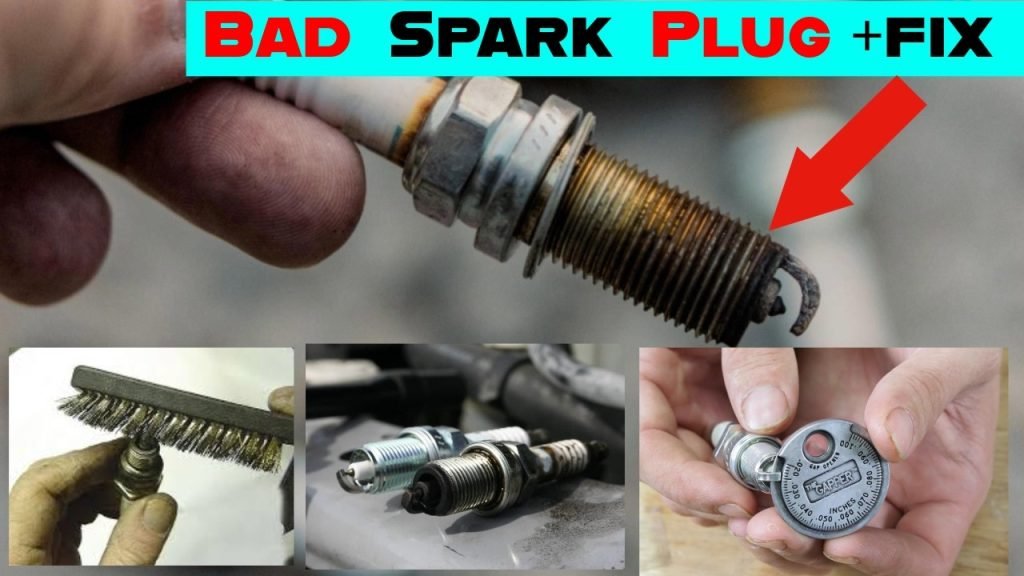
Have you ever wondered how a bad spark plug looks? If you’re experiencing issues with your vehicle’s performance, the culprit might be hiding under your hood.
Spark plugs are small but mighty components, essential for the smooth operation of your engine. When they fail, it can lead to a whole host of problems, from reduced fuel efficiency to engine misfires. You’ll discover the telltale signs of a bad spark plug, helping you diagnose issues before they become costly repairs.
Get ready to unlock the secrets of your engine’s performance and ensure your car runs like a dream. Don’t let a hidden issue stall your journey—read on to find out more.

Credit: www.toyotanation.com
Common Spark Plug Issues
Identifying common spark plug issues can save you from unexpected car troubles. Spark plugs play a crucial role in your engine’s performance, and even small problems can cause big headaches. Recognizing the signs of wear and damage early helps you maintain smooth rides and avoid costly repairs.
Worn Electrodes
Worn electrodes are a classic sign of an aging spark plug. Over time, the metal tips where the spark jumps become thinner and rounded, reducing the plug’s ability to ignite the fuel-air mixture efficiently.
If you notice your engine misfires or struggles to start, worn electrodes might be the cause. Have you checked how much gap there is between the electrodes? A wider gap than recommended usually means it’s time to replace the plug.
Deposits And Buildup
Deposits on spark plugs can tell you a lot about your engine’s health. These can appear as black soot, oily residue, or even white crusty material on the plug’s surface.
Black soot often signals a rich fuel mixture, while oily deposits point to oil leaking into the combustion chamber. White buildup may mean your engine is running too hot. Are you noticing rough idling or poor fuel economy? Deposits could be the culprit.
Cracked Insulator
The insulator is the ceramic part of the spark plug that isolates the central electrode. Cracks here are a serious issue because they can cause misfires and poor engine performance.
Cracks might not be visible without close inspection, but if your car is sputtering or losing power, it’s worth a look. Have you ever removed a spark plug only to find a hairline crack? That damage often requires immediate replacement.
Burned Or Blistered Tips
Burned or blistered tips on spark plugs indicate excessive heat or pre-ignition problems. This damage makes the spark less reliable and affects your engine’s efficiency.
Such damage often results from using the wrong heat range plug or issues with engine timing. If your spark plug tips look melted or blistered, you should consider not just replacing the plugs but also checking your engine settings. Could this be why your car feels less responsive lately?
Visual Signs Of Damage
Visual signs of damage on spark plugs reveal their condition clearly. Checking these signs helps know if replacement is needed. Examining spark plugs outside the engine saves time and effort. Each sign points to different engine problems or wear levels.
Black Sooty Appearance
A spark plug covered in black soot shows carbon buildup. This dry, powdery black layer forms from incomplete fuel burning. It may cause engine misfires or poor fuel economy. Thick soot means the engine runs too rich or air filter is dirty.
Oily Residue
Oily residue on the spark plug means oil leaks into the combustion chamber. The wet, shiny coating can foul the plug and stop sparks. Oil on the plug often signals worn piston rings or valve seals. This issue reduces engine power and increases emissions.
White Or Ashy Coating
A white or light gray coating on the spark plug indicates overheating. This hard, crusty layer forms from excessive heat or fuel additives. It can cause poor engine performance and hard starts. Spark plugs with this coating need inspection for cooling or fuel problems.
Broken Or Missing Parts
Broken electrodes or missing insulator tips on spark plugs show physical damage. This damage prevents proper spark generation, causing engine failure. It may result from improper installation or engine vibration. Damaged spark plugs must be replaced immediately to avoid engine harm.
Performance Symptoms
Noticing changes in your vehicle’s performance can be frustrating. Often, these issues trace back to something as simple as a bad spark plug. Recognizing the symptoms early can save you time and money, and keep your engine running smoothly.
Engine Misfires
One of the most common signs of a bad spark plug is engine misfires. You might feel your car hesitate or jerk while accelerating. This happens because the spark plug is not igniting the fuel-air mixture properly, disrupting the engine’s rhythm.
Have you ever experienced sudden jerks while driving? That could be your spark plugs signaling a problem. Ignoring misfires can lead to more serious engine damage over time.
Poor Fuel Economy
If you notice your fuel gauge dropping faster than usual, a bad spark plug might be the culprit. Faulty spark plugs cause incomplete combustion, which means your engine burns more fuel to produce the same power.
Think about how often you fill up your tank compared to before. A simple spark plug replacement can often restore your car’s fuel efficiency and save you money at the pump.
Hard Starting
Struggling to start your car, especially on cold mornings? Worn or fouled spark plugs can cause hard starting because they fail to produce a strong enough spark to ignite the engine’s fuel mixture.
Have you ever had to try multiple times before your engine finally starts? This delay is a clear hint that your spark plugs need checking before the problem worsens.
Rough Idling
Your engine should run smoothly even when idling. If you notice it shaking or vibrating unusually, bad spark plugs could be the reason. They cause inconsistent firing, leading to rough idling and an uncomfortable driving experience.
Pay attention to your car’s behavior when stopped at traffic lights or in drive-thru lines. Rough idling is a subtle but telling sign that your spark plugs might be failing.

Credit: craigscarcare.com
Inspection Tips
Inspecting spark plugs is key to spotting engine problems early. Careful examination reveals signs of wear or damage. Follow simple tips to check your spark plugs properly. These tips help you understand if a spark plug still works or needs replacement.
Removing Spark Plugs Safely
Let the engine cool down before starting. Hot engines can burn your skin or damage parts. Use a spark plug socket and ratchet for removal. Turn gently to avoid breaking the plug. Keep track of where each plug came from. This helps when reinstalling or replacing them.
Using Proper Lighting
Good lighting shows details clearly. Use a bright flashlight or work light. Shine the light directly on the spark plug. Look closely at the electrode and insulator for cracks or buildup. Shadows or poor light can hide problems. Take your time for a thorough check.
Comparing To New Plugs
Have a new spark plug nearby for comparison. Look at color and shape differences. A healthy plug has a light tan or gray color. Dark deposits, oil, or melted tips signal trouble. Compare electrode size and gap. Worn plugs have larger gaps and eroded edges.
When To Replace
- Electrode is worn down or rounded.
- Insulator is cracked or chipped.
- Heavy black soot or oily deposits cover the plug.
- Plug looks burnt or melted.
- Engine runs rough or misfires.
Changing spark plugs on time keeps your engine running smooth. Regular checks prevent bigger problems later.
Preventive Care
Taking care of your spark plugs before they fail can save you from costly repairs and frustrating breakdowns. Preventive care helps you spot potential issues early, ensuring your engine runs smoothly and efficiently. Let’s look at some practical steps to keep your spark plugs in top shape.
Regular Maintenance Schedule
Stick to your vehicle’s recommended maintenance schedule. Spark plugs wear out over time, usually between 30,000 and 100,000 miles depending on the type. Checking and replacing them at these intervals prevents poor engine performance and fuel inefficiency.
If you notice rough idling or trouble starting, don’t wait until your next service. Inspect your spark plugs sooner—catching wear early can avoid bigger problems later. Have you checked your spark plugs recently?
Choosing Quality Spark Plugs
Not all spark plugs are created equal. Investing in high-quality plugs designed for your engine can improve performance and longevity. Cheaper plugs might save money upfront but can cause misfires or damage over time.
Look for spark plugs with good heat range, corrosion resistance, and proper gap size. Brands with solid reputations often provide reliable results. Have you ever swapped a low-quality plug for a premium one and noticed the difference?
Proper Installation Techniques
Even the best spark plugs won’t work well if installed incorrectly. Use the right tools and torque specifications to avoid damaging threads or causing poor contact. Too tight or too loose installation can lead to engine misfires or plug failure.
Always check the spark plug gap before installation and clean the threads if needed. Taking a few extra minutes during installation saves you from headaches down the road. Do you double-check your spark plug installation steps every time?

Credit: www.reddit.com
Frequently Asked Questions
What Are Common Signs Of A Bad Spark Plug?
A bad spark plug causes engine misfires, poor fuel economy, and rough idling. It may also create starting issues and reduced acceleration. Visually, it could appear worn, fouled, or damaged, indicating the need for replacement.
How Can I Visually Identify A Bad Spark Plug?
Look for black carbon deposits, oil fouling, or a cracked insulator. The electrode may be worn or eroded. These visual cues signal poor spark plug performance and the need for maintenance or replacement.
Can A Bad Spark Plug Affect Engine Performance?
Yes, a bad spark plug reduces engine power and causes misfires. It lowers fuel efficiency and increases emissions. Prompt replacement restores smooth engine operation and optimal performance.
How Often Should Spark Plugs Be Checked Or Replaced?
Check spark plugs every 30,000 miles or as per your vehicle’s manual. Replace them if signs of wear or damage appear. Regular inspection ensures reliable engine performance and prevents costly repairs.
Conclusion
Bad spark plugs show clear signs like black soot or worn tips. These signs affect your engine’s performance and fuel use. Check your spark plugs often to avoid bigger car problems. Clean or replace them if you notice damage or dirt.
This small step helps your car run smooth and saves money. Stay alert to spark plug health for better driving.





