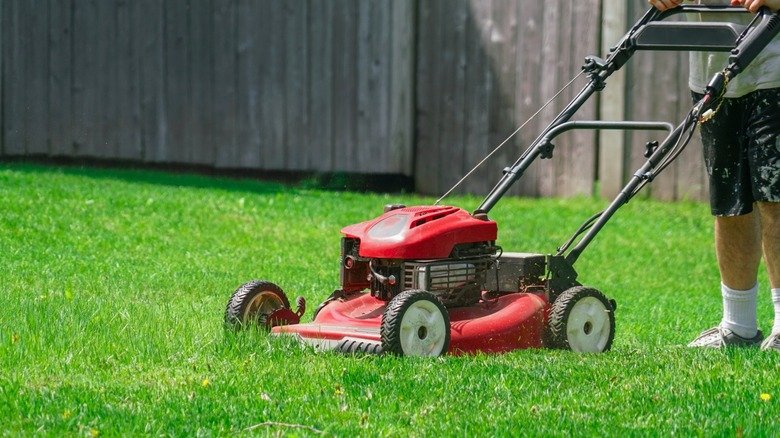
Have you ever found yourself standing in the lawn equipment aisle, scratching your head and wondering if your lawn mower takes regular gas? It’s a question that might seem simple, yet it’s crucial for the health and performance of your mower.
Using the wrong type of fuel can lead to costly repairs and a frustrating mowing experience. We’re diving deep into what kind of gas your lawn mower needs to run smoothly and efficiently. By the end, you’ll have the knowledge you need to keep your mower in top shape, saving you time and money.
Ready to fuel up your lawn care IQ? Let’s get started!
Gasoline Types For Lawn Mowers
Choosing the right gasoline type is important for lawn mower performance. Different engines need different fuel qualities. Using the correct gasoline keeps the mower running smoothly. It also helps avoid engine damage and saves money. Understanding gasoline types helps you make the best choice for your mower.
Regular Vs Premium Gas
Most lawn mowers run well on regular gasoline. Regular gas usually has an octane rating of 87. Premium gasoline has higher octane, typically 91 or more. Premium gas costs more but is not always necessary. Unless the mower’s manual says otherwise, regular gas is fine. Using premium gas in a mower designed for regular gas does not improve performance. It only increases your fuel cost.
Impact Of Octane Ratings
Octane rating measures gasoline’s ability to resist knocking. Knocking can harm the engine over time. Lawn mower engines usually have low compression and need lower octane fuel. High octane gas is designed for high compression engines. Using the wrong octane may cause rough running or damage. Always check the manufacturer’s recommendation for the right octane. This ensures efficient and safe mower operation.

Credit: smonetrobot.com
Manufacturer Fuel Recommendations
Manufacturer fuel recommendations are crucial to keep your lawn mower running smoothly and efficiently. Using the right type of fuel can prevent engine problems and extend the life of your mower. Ignoring these recommendations might lead to costly repairs or poor performance, so understanding what your mower needs is essential.
Checking The Owner’s Manual
Your lawn mower’s owner’s manual is the best place to find specific fuel instructions. It clearly states what kind of gasoline to use, including octane rating and whether ethanol-blended fuels are acceptable. If you’ve ever tossed regular gas into your mower without checking, you might have experienced engine knocking or rough idling—both signs of incompatible fuel.
Don’t rely on guessing or advice from others when the manual is right there. Manuals often include warnings about using stale gas or fuel with too much ethanol, which can damage the carburetor. Take a few minutes to read those pages; it’s a simple step that saves headaches later.
Common Fuel Specifications
Most modern lawn mowers run well on regular unleaded gasoline with an octane rating of 87 or higher. However, some models, especially high-performance or commercial ones, may require premium gas. Ethanol content is another important factor—many manufacturers recommend fuel with no more than 10% ethanol to avoid engine issues.
- Octane Rating:Typically 87 (regular unleaded), but check for higher requirements.
- Ethanol Content:Usually limited to 10% (E10); higher levels can cause fuel system problems.
- Freshness:Use fuel that’s less than 30 days old to prevent starting troubles.
Have you ever wondered why your mower sputters or stalls during use? It could be that the fuel doesn’t meet these specs. Paying attention to these details helps you avoid frustrating breakdowns and keeps your mower ready to go whenever you need it.
Effects Of Using Regular Gas
Using regular gas in your lawn mower can have several effects that impact how your mower runs and how long it lasts. It’s important to understand these effects so you can make informed choices about fuel. Let’s look closely at how regular gas influences your mower’s performance, engine life, and fuel efficiency.
Performance Implications
Your lawn mower may not run as smoothly on regular gas, especially if it requires higher octane fuel. You might notice hesitation or stalling during use, which can slow down your work. Have you ever felt your mower struggling on a patch of thick grass? That could be a sign of inadequate fuel quality.
Some mowers run well on regular gas, but others lose power or responsiveness. It’s worth checking your mower’s manual to see what fuel is recommended. Using the wrong type might mean you have to work harder to get the same results.
Engine Longevity
Regular gas can sometimes cause more carbon buildup inside the engine. Over time, this can lead to wear and tear on critical parts. I once noticed my mower’s spark plug fouling more quickly after using cheap gas, which meant more frequent replacements.
Consistently using regular gas in a mower designed for premium fuel might shorten its engine life. But if your mower is made for regular gas, the impact is usually less severe. The key is matching the fuel to your engine’s needs to avoid unnecessary damage.
Fuel Efficiency
Fuel efficiency often drops when using regular gas in machines designed for premium. You might find yourself refilling the tank more often, which adds up in time and money. Has your mower’s fuel consumption surprised you lately?
Lower octane fuels can burn less efficiently, leading to wasted gas and reduced mowing time. You can improve efficiency by sticking to the right fuel type and keeping your mower well-maintained. Simple steps like cleaning the air filter can also make a big difference.

Credit: navimow.segway.com
Two-stroke Vs Four-stroke Engines
Lawn mowers use two main types of engines: two-stroke and four-stroke. Each engine runs differently and needs different fuel types. Understanding these engines helps you use the right fuel and keep your mower running well.
Fuel Mixing Requirements
Two-stroke engines need a fuel mix of gasoline and oil. This mix lubricates the engine parts while running. Without oil in the fuel, the engine can get damaged quickly.
Four-stroke engines do not need fuel mixing. They have a separate oil reservoir for lubrication. This means you can use regular gasoline alone in four-stroke mowers.
Different Gasoline Needs
Two-stroke engines usually require unleaded gasoline with a high octane level. Mixing oil into this gasoline is essential.
Four-stroke engines also use unleaded gasoline, but without oil mixed in. Regular gasoline works fine unless the manufacturer says otherwise.
Always check your lawn mower manual for specific fuel recommendations. Using the wrong fuel can cause engine problems or reduce performance.
Ethanol In Gasoline And Its Impact
Understanding the role of ethanol in gasoline is crucial if you want to keep your lawn mower running smoothly. Ethanol is a common additive in regular gas, but it can affect small engines differently than car engines. Knowing what’s in your fuel can help you avoid unexpected engine troubles and extend the life of your mower.
Ethanol Content In Regular Gas
Most regular gasoline sold in the US contains about 10% ethanol, often labeled as E10. This blend is designed to reduce emissions and reliance on pure gasoline. However, not all small engines are built to handle this ethanol content well.
Some gas stations also offer ethanol-free gasoline, which can be better for your lawn mower. But it’s usually more expensive and less widely available. So, it’s important to check the label before you fill up your mower.
Potential Engine Issues
Ethanol absorbs water from the air, which can cause rust and corrosion inside your mower’s fuel system. Over time, this may lead to clogged fuel lines or carburetor problems. Have you noticed your mower running rough or stalling? Ethanol could be the culprit.
Additionally, ethanol burns hotter and can degrade rubber and plastic parts in older engines. This means seals and gaskets might wear out faster. If you use your mower infrequently, ethanol fuel can also go stale more quickly, causing starting issues.
To protect your mower, consider using fuel stabilizers or switching to ethanol-free gas if you experience these problems. Paying attention to what kind of gasoline you use is a small step that makes a big difference in your mower’s performance.

Credit: powersmartusa.com
Tips For Fuel Storage And Handling
Proper fuel storage and handling keeps your lawn mower running well. Gasoline can go bad over time, causing engine problems. Following simple tips can prevent fuel issues and keep your mower ready for use.
Preventing Fuel Degradation
Fuel breaks down when exposed to air, heat, and moisture. This causes poor engine performance and hard starts. Use fresh gasoline for your mower. Avoid buying more than you need for a season.
- Buy small amounts of gas often
- Use fuel stabilizers to keep gas fresh
- Store fuel in a sealed, airtight container
- Keep fuel away from heat sources and sunlight
Safe Storage Practices
Store fuel in approved containers made for gasoline. Place containers in a cool, dry place. Keep them away from children and pets. Avoid storing fuel in the mower’s tank for long periods.
- Use containers with proper safety caps
- Label containers clearly to avoid confusion
- Keep fuel storage areas ventilated
- Never store fuel near open flames or sparks
Alternative Fuel Options
Alternative fuel options for lawn mowers offer different choices beyond regular gas. These options aim to reduce emissions and lower operating costs. Many homeowners explore them for quieter and cleaner lawn care. Propane and electric mowers stand out as popular alternatives.
Propane And Electric Mowers
Propane mowers use liquefied petroleum gas instead of gasoline. They often have similar power and performance to gas models. Electric mowers run on batteries or plug-in power cords. Battery-powered models provide more freedom and less noise. Corded electric mowers need a nearby outlet but never run out of power during use.
Benefits And Drawbacks
- Propane Mowers:Lower emissions than gas, less engine wear, longer engine life. Fuel is cleaner but harder to find in some areas.
- Electric Mowers:Quiet operation, zero emissions, low maintenance. Limited run time on battery models, and corded versions restrict movement.
- Cost:Propane mowers may cost more upfront. Electric mowers vary in price, with battery models usually costing more than corded ones.
- Performance:Propane mowers provide strong power for thick grass. Electric mowers suit small to medium lawns but may struggle with tall or wet grass.
Frequently Asked Questions
Do Lawn Mowers Use Regular Gasoline?
Most lawn mowers run on regular unleaded gasoline. Check your mower’s manual to confirm the recommended fuel type for best performance.
Can I Use Premium Gas In My Lawn Mower?
Premium gas is usually unnecessary for lawn mowers. Regular gasoline works fine unless the manufacturer specifies otherwise.
What Happens If I Use Ethanol-blended Gas In Mowers?
Ethanol blends up to 10% are generally safe. Higher ethanol levels can damage the engine or reduce performance.
How Often Should I Refuel My Lawn Mower?
Refuel before each use or when fuel runs low. Avoid leaving fuel in the tank for long storage periods.
Conclusion
Lawn mowers usually need regular gas, but check your model first. Using the right fuel helps your mower run well and last longer. Avoid old or mixed gas to keep the engine clean. Store gas safely in a proper container.
Keep your mower maintained for the best performance. Clear fuel instructions come with your mower’s manual. A little care goes a long way. Now, you can mow your lawn with confidence. Simple steps make a big difference.





