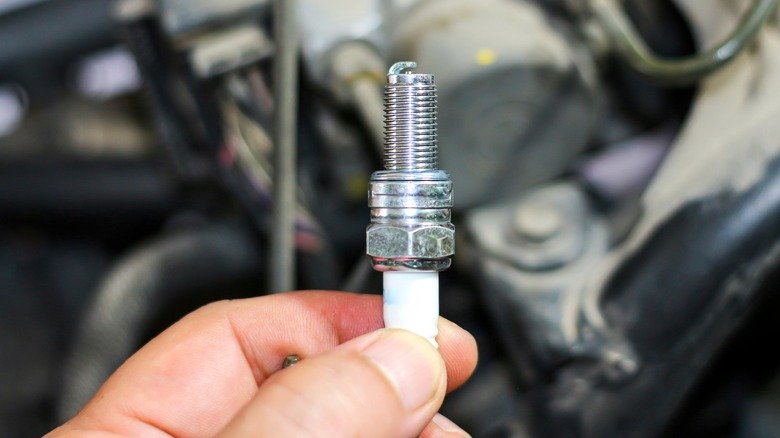
When you’re exploring the mechanics of diesel engines, one question might pop into your mind: “Does a diesel engine have a spark plug?” It’s a curiosity that many share, whether you’re a car enthusiast or simply someone trying to understand how your vehicle works.
The answer is not just a simple yes or no; it opens a window into the fascinating world of engine technology and how diesel engines operate differently from their gasoline counterparts. Understanding this concept could save you time and money, whether you’re in the market for a new vehicle or just trying to ensure your current one runs smoothly.
Plus, knowing the difference could even make you the go-to expert in your circle of friends! So, if you’ve ever wondered about the inner workings of diesel engines, stick around. We’ll unravel this mystery together, and you might just discover more about your vehicle than you expected.
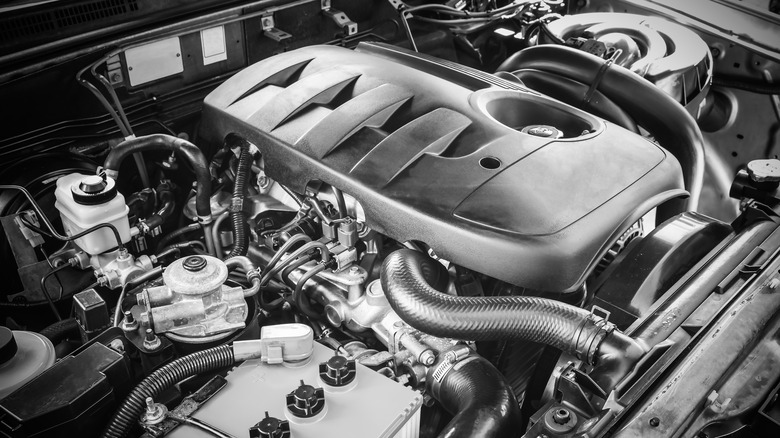
Credit: www.jalopnik.com
How Diesel Engines Work
Understanding how diesel engines work can clear up common misconceptions, especially about whether they use spark plugs. Diesel engines operate on a different principle than gasoline engines, focusing on compression rather than an external spark to ignite fuel. Let’s dive into the mechanics behind this.
Compression Ignition Process
Diesel engines ignite fuel through compression ignition. Instead of using spark plugs, they compress air inside the cylinder to a very high pressure and temperature.
When diesel fuel is injected into this hot, compressed air, it ignites spontaneously. This process is efficient and generates a lot of power without the need for an electrical spark.
Have you ever wondered why diesel engines are preferred for heavy-duty vehicles? This ignition method allows them to handle higher pressures and produce more torque.
Key Components Of Diesel Engines
- Fuel Injector:Delivers diesel fuel directly into the combustion chamber at precise timing and pressure.
- Compression Chamber:The area where air is compressed to high pressure, raising its temperature for ignition.
- Piston:Moves up to compress air and down to transfer the energy generated by combustion.
- Glow Plugs:Used in cold conditions to preheat the air and aid in starting, but they don’t ignite fuel like spark plugs.
Unlike gasoline engines, diesel engines rely on these parts to create the right conditions for fuel to ignite naturally. This design choice impacts everything from fuel efficiency to engine longevity.
Role Of Spark Plugs In Engines
The spark plug plays a crucial role in many engines, but its presence and function vary significantly between gasoline and diesel engines. Understanding this difference helps you grasp why diesel engines operate without spark plugs and how their components adapt to ignite fuel efficiently. Let’s look closely at what spark plugs do and how diesel engines manage ignition differently.
Function In Gasoline Engines
Spark plugs in gasoline engines create the spark needed to ignite the air-fuel mixture inside the combustion chamber. This tiny spark triggers the explosion that powers the engine.
Without spark plugs, the engine cannot start or run. They need to deliver a high-voltage spark at just the right moment, which demands precise timing and reliable performance.
If you’ve ever changed a spark plug, you know how crucial it is for smooth running and fuel efficiency. Worn or fouled plugs can cause misfires and lower engine power, making your car sluggish.
Difference From Diesel Engine Components
Diesel engines do not use spark plugs. Instead, they rely on a different ignition method called compression ignition.
In diesel engines, air is compressed to a high pressure, which raises its temperature enough to ignite the diesel fuel injected into the chamber. This process eliminates the need for a spark.
Diesel engines use glow plugs, not spark plugs, but these serve only to warm the engine during cold starts and do not create sparks.
Have you ever wondered why diesel engines sound different or feel more robust? Their ignition system plays a big part in that experience.
Why Diesel Engines Don’t Use Spark Plugs
Diesel engines do not use spark plugs because their ignition process is different from gasoline engines. Instead of a spark, diesel engines rely on heat generated by compressing air. This process ignites the fuel without needing an external spark.
Ignition Mechanism Explained
Diesel engines compress air inside the cylinder to very high pressure. This compression makes the air extremely hot. When diesel fuel is injected into this hot air, it ignites instantly. This is called compression ignition.
Gasoline engines use spark plugs to create a spark that ignites the air-fuel mixture. Diesel engines skip this step because the compressed air is already hot enough to ignite the fuel on contact.
Impact On Engine Design
Without spark plugs, diesel engines have a different cylinder and combustion chamber design. Their cylinders are built to handle higher pressure and temperature. This makes diesel engines heavier and more robust.
The fuel injection system is also more complex. It must spray fuel precisely into the hot air at the right moment. This system replaces the spark plug’s role in starting combustion.

Credit: www.chase.com
Common Myths About Diesel Engines
Diesel engines have many myths surrounding their design and function. These myths cause confusion about how diesel engines work. Clearing up these misunderstandings helps in knowing the true nature of diesel technology.
Spark Plug Confusion
Many believe diesel engines use spark plugs like gasoline engines. Diesel engines do not have spark plugs. They ignite fuel by compressing air to a very high temperature. This compression causes the diesel fuel to ignite without a spark. Instead, they use glow plugs to help start the engine in cold weather. Glow plugs are not spark plugs. They only warm the air in the cylinder for easier starting.
Misconceptions About Engine Noise And Performance
People often think diesel engines are always loud and slow. Modern diesel engines are much quieter than older models. Advances in technology have improved their noise levels and performance. Diesel engines offer strong torque and fuel efficiency. They perform well in heavy-duty tasks and long drives. Noise and speed depend on engine design, not just fuel type.
Alternative Components In Diesel Engines
Diesel engines do not use spark plugs like gasoline engines. Instead, they rely on other components that help ignite the fuel-air mixture under high pressure and temperature conditions. Understanding these alternative parts gives you insight into how diesel engines achieve combustion without sparks.
Glow Plugs And Their Purpose
Glow plugs are small heating elements located in the combustion chamber. Their main job is to warm up the air inside the cylinder before starting the engine, especially in cold weather.
When you turn the ignition key on a cold morning, glow plugs heat up quickly, making it easier for the diesel fuel to ignite. Without glow plugs, you might experience hard starting or excessive smoke from the exhaust.
Think about times when your diesel vehicle struggled to start on chilly days. That’s often due to glow plugs not working properly. Checking and replacing glow plugs can save you from frustrating cold starts.
Fuel Injection System
The fuel injection system in diesel engines is crucial for combustion. Unlike gasoline engines that mix air and fuel before entering the cylinder, diesel engines inject fuel directly into highly compressed air inside the cylinder.
This system controls the timing and amount of fuel sprayed, which affects engine performance and efficiency. Precise fuel injection ensures the fuel ignites instantly due to the hot compressed air, eliminating the need for a spark plug.
Modern diesel engines use electronic fuel injectors that adjust based on driving conditions. If you notice rough idling or loss of power, the fuel injection system might need inspection or cleaning.
Benefits Of Diesel Engine Design
Diesel engines have a unique design that offers several benefits. These benefits make them popular for many uses. The design helps in saving fuel and delivering strong power. It also supports long engine life with less frequent repairs. Understanding these benefits helps explain why diesel engines are common in trucks, buses, and heavy machines.
Efficiency And Power
Diesel engines burn fuel differently from gasoline engines. They compress air to a very high pressure, which heats it up. Fuel is then injected directly into this hot air, causing it to ignite. This process is very efficient.
Because of this design, diesel engines use less fuel for the same power output. They produce more torque, which means better pulling power. This makes them ideal for heavy loads and long drives.
Durability And Maintenance
Diesel engines are built with stronger parts to handle high pressure. This makes them last longer than gasoline engines. They can run for hundreds of thousands of miles with proper care.
Maintenance is simpler in some ways. Diesel engines do not have spark plugs, which means one less part to replace. They also have fewer ignition system components, reducing chances of failure.

Credit: medium.com
Frequently Asked Questions
Does A Diesel Engine Use Spark Plugs?
No, diesel engines do not use spark plugs. They rely on compression to ignite fuel. High compression heats air, causing fuel to self-ignite without sparks.
How Do Diesel Engines Ignite Fuel Without Spark Plugs?
Diesel engines compress air to very high pressure and temperature. When diesel fuel injects into hot air, it ignites spontaneously. This process eliminates the need for spark plugs.
Can Spark Plugs Improve Diesel Engine Performance?
No, spark plugs do not improve diesel engine performance. Diesel engines are designed to operate with compression ignition, making spark plugs unnecessary and ineffective.
What Replaces Spark Plugs In Diesel Engines?
Glow plugs replace spark plugs in diesel engines. Glow plugs preheat the combustion chamber to aid cold starts. They do not ignite fuel during normal operation.
Conclusion
Diesel engines do not use spark plugs to start. They rely on compression to ignite fuel. This makes them different from gasoline engines. Diesel engines use glow plugs to help start in cold weather. Knowing this helps you understand how diesel engines work.
It also shows why they are more fuel-efficient. Diesel engines run differently but serve many vehicles well. Understanding this difference can help you choose the right engine type. Diesel engines remain popular for trucks and heavy machinery. Their unique design suits specific needs and conditions.





