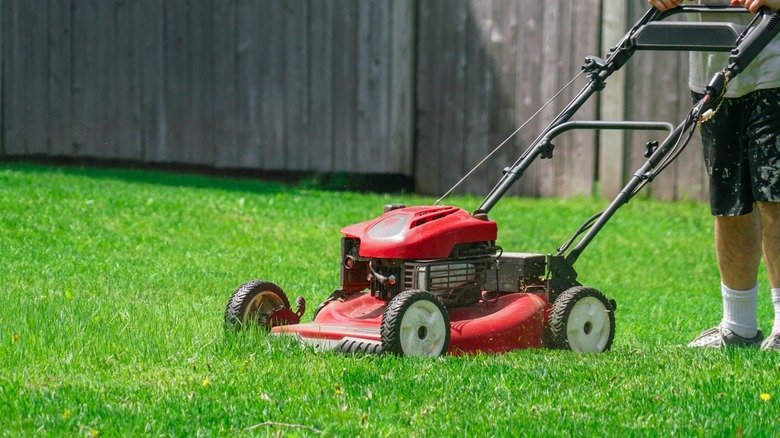
Have you ever stood at the gas pump, scratching your head and wondering if your lawn mower can sip the same fuel as your car? You’re not alone.
Many homeowners ponder this exact question each time they prepare to tackle the grass. Using the right type of gas is crucial not just for the health of your lawn mower, but also for the lushness of your lawn. Imagine the peace of mind knowing you’re fueling your equipment correctly, ensuring it runs smoothly and efficiently.
We’ll demystify whether regular gas is the right choice for your lawn mower, helping you avoid costly mistakes and keep your yard looking its best. Ready to learn the truth and keep your lawn mower in top shape? Let’s dive in!

Credit: navimow.segway.com
Types Of Fuel For Lawn Mowers
Lawn mowers use different types of fuel depending on their engine design. Choosing the right fuel keeps the mower running smoothly. Fuel type affects performance, engine life, and emissions. Understanding these fuels helps in proper mower care.
Gasoline Variants
Most lawn mowers run on regular gasoline. Gasoline comes in different octane levels. The common types are 87, 89, and 91 octane. Lawn mowers usually need 87 octane fuel. Higher octane fuel does not improve mower performance. Always check the mower’s manual for fuel recommendations.
Ethanol Blends
Many gasolines contain ethanol, a type of alcohol added to fuel. Common blends are E10 and E15, meaning 10% or 15% ethanol. Ethanol helps reduce pollution but can harm small engines. It can cause starting problems and damage fuel systems. Use ethanol-free fuel if the mower is stored for long periods.
Alternative Fuels
Some lawn mowers use fuels other than gasoline. These include propane and diesel. Propane mowers produce fewer emissions and last longer. Diesel mowers are powerful but less common. Electric mowers use batteries instead of fuel. Choose fuel based on mower type and environmental concerns.
Regular Gasoline And Lawn Mower Compatibility
Understanding the compatibility of regular gasoline with your lawn mower is essential for keeping your machine running smoothly. Many homeowners wonder if they can simply use the gas from their cars or if they need a special type. Let’s look closer at what manufacturers say, how regular gas affects engine performance, and what risks you might face by using it.
Manufacturer Recommendations
Most lawn mower manufacturers suggest using unleaded gasoline with an octane rating of 87 or higher. They often recommend avoiding gasoline with more than 10% ethanol because it can damage small engines over time. Checking your mower’s manual is the best way to know exactly what type of fuel is safe for your specific model.
Impact On Engine Performance
Using regular gasoline that fits the manufacturer’s guidelines generally keeps your engine running well. However, fuel with high ethanol content can cause rough idling, hard starts, or decreased power. Have you noticed your mower struggling after filling up? It might be due to the type of gasoline used.
Potential Risks Of Using Regular Gas
Regular gasoline with too much ethanol can lead to clogged carburetors and fuel lines in lawn mowers. Over time, this may result in costly repairs or even engine failure. Avoid storing fuel for long periods, as it can degrade and harm your mower’s engine.
Two-stroke Vs Four-stroke Engines
Understanding the difference between two-stroke and four-stroke engines is key when deciding what type of fuel your lawn mower needs. These engines operate differently, which affects how you fuel them and maintain their performance. Knowing these differences can save you from costly mistakes and keep your mower running smoothly.
Fuel Requirements For Two-stroke Engines
Two-stroke engines require a mix of gasoline and oil. This combination lubricates the engine while it runs, since two-stroke engines don’t have a separate oil reservoir. Using only regular gas without oil can cause serious damage quickly.
Mix ratios vary, but a common mix is 50:1, meaning 50 parts gasoline to 1 part two-stroke oil. Always check your mower’s manual for the exact ratio. Mixing your own fuel might seem tricky, but it’s essential for engine health and performance.
Have you ever noticed a strange smell or smoke from your mower? That’s often a sign of incorrect fuel mixture. Using the right fuel blend keeps the engine cleaner and reduces wear.
Fuel Requirements For Four-stroke Engines
Four-stroke engines use regular gasoline alone, just like the fuel you put in your car. They have a separate oil reservoir for lubrication, so you don’t mix oil with the gas. This makes fueling them simpler and less prone to user error.
Most four-stroke mowers run well on unleaded regular gasoline with an octane rating of 87 or higher. Avoid using fuel with more than 10% ethanol, as it can damage the engine over time. If you want your mower to last, always use fresh gas and avoid letting fuel sit in the tank for long periods.
Have you ever tried starting a mower that’s been sitting unused for months? Old fuel can cause clogs and rough starts. Using the right fuel and changing the oil regularly ensures your four-stroke engine stays reliable season after season.

Credit: powersmartusa.com
Effects Of Fuel Quality On Lawn Mower Longevity
Fuel quality plays a crucial role in the lifespan of a lawn mower. Poor fuel can cause damage to the engine and other parts. Using the right fuel helps keep the mower running smoothly for many years. Clean, fresh fuel improves performance and reduces the risk of costly repairs.
Engine Wear And Tear
Low-quality fuel causes engine deposits and clogs. These deposits reduce engine power and cause rough running. Old or contaminated fuel leads to incomplete combustion. This can create harmful residues inside the engine. Over time, these residues increase wear on engine parts. Using clean, fresh fuel reduces engine stress and extends its life.
Fuel System Maintenance
Fuel quality affects the entire fuel system, including the carburetor and fuel lines. Dirty fuel clogs filters and jets, causing poor fuel flow. This can lead to starting problems and stalling. Regular use of fresh fuel helps keep the fuel system clean. It also lowers the chance of fuel pump failure and costly repairs.
Best Practices For Fuel Storage And Usage
Proper fuel storage and usage improve your lawn mower’s performance and lifespan. Gasoline can degrade over time, affecting engine health. Handling fuel with care prevents damage and safety risks. Follow these best practices to keep fuel fresh and your mower running smoothly.
Proper Storage Techniques
Store fuel in approved containers designed for gasoline. Keep containers tightly sealed to stop air and moisture. Place fuel containers in a cool, dry spot away from direct sunlight. Avoid storing fuel near heat sources or flames. Use fuel within 30 days to ensure freshness. Label containers with the purchase date for easy tracking.
Using Fuel Stabilizers
Fuel stabilizers prevent gas from breaking down over time. Add stabilizer to fresh fuel before storage. Mix fuel and stabilizer well to protect engine parts. Stabilizers keep fuel usable for up to 12 months. Use stabilizer if you store fuel for more than 30 days. This helps avoid costly engine repairs caused by old gas.
Avoiding Fuel Contamination
Keep fuel free from dirt, water, and debris. Always use a clean funnel to pour gas into the mower. Avoid filling fuel containers near dusty or wet areas. Check fuel for any signs of cloudiness or particles before use. Drain old fuel from the mower before storing it long-term. Contaminated fuel can clog the engine and reduce mower power.
Environmental And Safety Considerations
Lawn mowers often run on fuel, so understanding environmental and safety factors is key. Using the right fuel helps protect the air and keeps users safe. Small actions during refueling can prevent accidents and reduce pollution. Learning about emissions and safe practices makes mowing safer for everyone.
Emissions From Different Fuels
Lawn mowers release gases during operation. Gasoline engines emit carbon monoxide and hydrocarbons. These gases contribute to air pollution and smog. Using regular gas produces more emissions than cleaner options like ethanol blends or propane. Some fuels burn cleaner, lowering harmful fumes. Choosing the right fuel can reduce environmental impact.
Safe Refueling Practices
- Turn off the mower before refueling to avoid sparks.
- Refuel outdoors or in well-ventilated areas.
- Avoid overfilling the tank to prevent spills.
- Use a proper fuel container designed for gasoline.
- Keep fuel away from open flames and heat sources.
- Store fuel in a cool, dry place, away from children.
Following these steps reduces fire risks and protects health. Safe refueling keeps your lawn mower running smoothly and your yard safe.

Credit: smonetrobot.com
Frequently Asked Questions
Do Lawn Mowers Use Regular Gasoline?
Yes, most lawn mowers run on regular unleaded gasoline with an octane rating of 87. This fuel is widely available and suitable for small engines. Always check your mower’s manual to confirm the recommended fuel type for optimal performance.
Can I Use Premium Gas In My Lawn Mower?
Premium gas is usually not necessary for lawn mowers. Most mowers operate efficiently on regular gasoline. Using premium gas won’t improve performance and can increase fuel costs unnecessarily. Stick to the manufacturer’s fuel recommendations for the best results.
Is Ethanol-free Gas Better For Lawn Mowers?
Ethanol-free gas is often preferred because it reduces engine wear and fuel system issues. Ethanol attracts moisture, which can cause corrosion and damage. If available, ethanol-free gas can extend your mower’s lifespan and improve reliability, especially if used infrequently.
What Happens If I Use The Wrong Gas In My Lawn Mower?
Using the wrong gas can cause poor engine performance, increased emissions, and potential damage. For example, using fuel with too high ethanol content may harm small engines. Always use the type and grade of fuel specified by the mower manufacturer.
Conclusion
Lawn mowers often run on regular gas, but check your manual first. Using the right fuel keeps your mower working well and lasts longer. Avoid using gas with too much ethanol, as it can harm the engine. Clean fuel helps your mower start easily and run smoothly.
Taking care of your mower means a healthy lawn and less trouble. Simple steps make mowing easier and safer for you. Choose the correct gas, and your mower will thank you with good performance.





