
Have you ever wondered if modern cars still rely on spark plugs? With all the technological advances in the automotive industry, it’s a question that might have crossed your mind.
You’re not alone. Many car owners and enthusiasts are curious about how these tiny components fit into today’s high-tech vehicles. We’ll dive into the role of spark plugs in modern engines and whether they’re still essential. By the end, you’ll have a clearer understanding of how your car’s ignition system works and whether you need to keep an eye on these small but crucial parts.
Get ready to discover the surprising truth behind the sparks that power your drive!

Credit: beachautomotive.com
Role Of Spark Plugs In Engines
Spark plugs play a crucial role in the functioning of your car’s engine. They are small but mighty components that help turn fuel into the power your vehicle needs to move. Without spark plugs, the engine simply won’t start or run properly.
Understanding what spark plugs do can help you keep your car in better shape. They create the spark that ignites the fuel-air mixture inside the engine cylinders. This ignition is what generates the controlled explosion needed to power your car.
How Spark Plugs Ignite Fuel
Inside each cylinder of your engine, a tiny spark is needed to start the combustion process. The spark plug delivers this spark by creating an electric spark across a small gap at its tip.
This spark ignites the compressed fuel-air mixture, causing a controlled explosion. The explosion pushes the piston down, which turns the crankshaft and ultimately moves your car forward.
Think about the last time your car hesitated to start—often, worn-out spark plugs are the reason. Maintaining clean and efficient spark plugs ensures your engine fires up smoothly every time.
Types Of Spark Plugs
Not all spark plugs are the same. Different engines and driving conditions require different types of spark plugs. Here are some common types:
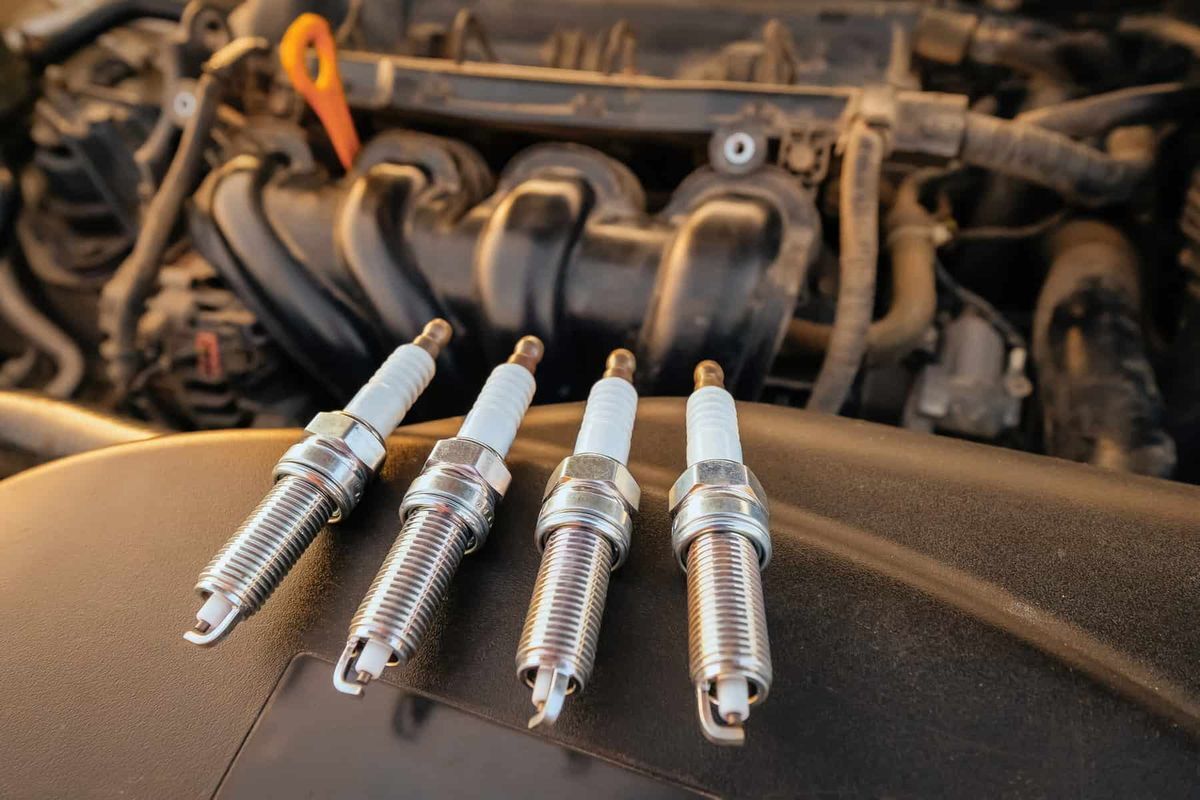
- Copper Spark Plugs:Affordable and good conductors of electricity, but they wear out faster.
- Platinum Spark Plugs:More durable than copper, with a longer lifespan and better performance.
- Iridium Spark Plugs:The most durable type, offering superior performance and longevity.
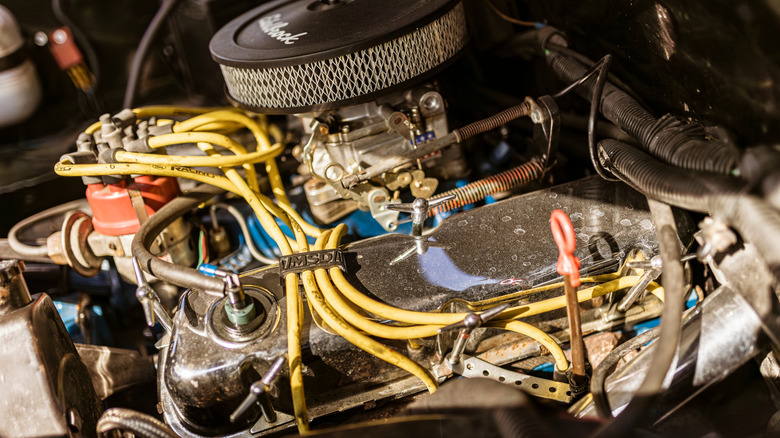
Choosing the right spark plug can improve your engine’s efficiency and fuel economy. Have you ever checked what type of spark plug your car uses? It might be time to take a look under the hood.
Credit: www.slashgear.com
Presence Of Spark Plugs In Modern Cars
Modern cars still use spark plugs, but it depends on the engine type. Spark plugs ignite the air-fuel mixture in gasoline engines. They play a key role in starting and running the engine smoothly. Advances in car technology have changed how engines work, but spark plugs remain essential for many vehicles.
Spark Plugs In Gasoline Engines
Gasoline engines rely on spark plugs for ignition. The spark plug creates a spark that ignites fuel and air inside the cylinder. This process powers the engine. Most traditional cars with internal combustion engines still have spark plugs. Regular maintenance is important to keep them clean and working well. Worn spark plugs can cause poor fuel economy and engine problems.
Electric And Hybrid Vehicles
Electric vehicles (EVs) do not have spark plugs. They run on electric motors powered by batteries. No combustion means no need for spark plugs. Hybrid vehicles combine gasoline engines with electric motors. The gasoline part still uses spark plugs. Hybrids may need fewer spark plugs or use them less because the electric motor helps power the car. Spark plugs remain part of hybrid car maintenance.
Signs Of Worn-out Spark Plugs
Recognizing worn-out spark plugs early can save you from costly repairs and frustrating breakdowns. These small parts play a huge role in your car’s engine performance. If you notice strange behavior in your vehicle, your spark plugs might be the cause.
Engine Misfires And Performance Issues
Have you ever felt your car hesitate or jerk while driving? This could be a sign of engine misfires caused by worn spark plugs. When spark plugs fail to ignite the fuel-air mixture properly, your engine struggles to run smoothly.
You might also notice rough idling or difficulty starting the car. These performance issues often point directly to spark plug problems. Paying attention to these symptoms can help you avoid more serious engine damage.
Fuel Efficiency Impact
Do you feel like you’re filling up your gas tank more often than before? Worn spark plugs can reduce your car’s fuel efficiency significantly. When spark plugs misfire, the engine burns more fuel to compensate for the lost power.
This not only increases your fuel costs but also raises harmful emissions. Keeping your spark plugs in good shape ensures your car runs cleaner and uses fuel more effectively. Have you checked your spark plugs recently?
Credit: www.westsideauto.com.au
Maintenance And Replacement Tips
Keeping your car’s spark plugs in good condition is key to smooth engine performance and fuel efficiency. Knowing when and how to maintain or replace them can save you from unexpected breakdowns and costly repairs. Let’s dive into practical tips that help you take control of your vehicle’s spark plug care.
When To Replace Spark Plugs
Most spark plugs need replacement between 30,000 and 100,000 miles, depending on the type and your car’s make. Signs like rough idling, poor acceleration, or trouble starting the engine often hint at worn-out spark plugs. You can also check the spark plugs visually for deposits or erosion, which means it’s time to swap them out.
Have you noticed your fuel economy dropping lately? That’s a common hint that your spark plugs aren’t firing properly. Keeping track of your mileage and watching for these symptoms helps you avoid more serious engine issues down the road.
Diy Vs Professional Service
Changing spark plugs yourself can be satisfying and cost-effective if you have the right tools and some mechanical know-how. It’s a straightforward process: remove the old plugs, check the gap on new ones, and install them carefully to avoid damaging the threads.
However, if your engine layout is tight or you’re unfamiliar with the process, a professional mechanic can handle the job quickly and correctly. Plus, they can inspect related components like ignition coils or wires, ensuring nothing else needs attention.
- DIY saves money but requires patience and care.
- Professional service adds peace of mind and thorough inspection.
- Consider your comfort level and tools before deciding.
What’s your experience with spark plug maintenance? Trying it yourself might give you a new appreciation for your car’s engine, or you might prefer leaving it to the pros. Either way, knowing the right time and method to replace spark plugs keeps your vehicle running strong.
Future Of Spark Plugs In Automotive Technology
The future of spark plugs in automotive technology is shaping up to be both exciting and uncertain. While traditional spark plugs have powered engines for over a century, innovations in ignition and engine design are challenging their role. Understanding these changes can help you anticipate how your vehicle’s maintenance might evolve.
Advancements In Ignition Systems
Ignition systems are becoming more efficient and precise. Modern engines often use coil-on-plug setups, which deliver stronger sparks directly to the combustion chamber.
This improves fuel efficiency and reduces emissions. Some manufacturers are experimenting with laser ignition systems, which can ignite fuel-air mixtures more accurately than spark plugs.
Have you noticed your car’s engine running smoother or better on fuel lately? That could be the result of these advancements in ignition technology.
Potential Alternatives
Electric and hybrid vehicles reduce or eliminate the need for traditional spark plugs entirely. Electric motors don’t require combustion, so no spark plugs are needed.
Hydrogen fuel cells and other alternative powertrains also change the game. They rely on chemical reactions rather than sparks for energy.
Could your next car have no spark plugs at all? It’s possible, especially as cleaner and more efficient technologies gain ground.
Frequently Asked Questions
Do Modern Cars Still Use Spark Plugs?
Yes, most modern gasoline cars still use spark plugs. They ignite the air-fuel mixture for combustion. However, electric and some hybrid vehicles do not require spark plugs.
Why Are Spark Plugs Important In Cars?
Spark plugs create the spark that starts the engine’s combustion process. Without them, gasoline engines cannot run efficiently or start at all.
How Often Should Spark Plugs Be Replaced?
Spark plugs typically last 30,000 to 100,000 miles. Replacement depends on the vehicle model and plug type. Regular checks improve engine performance and fuel efficiency.
Do Electric Cars Have Spark Plugs?
No, electric cars do not have spark plugs. They use electric motors powered by batteries, eliminating the need for combustion and spark ignition.
Conclusion
Cars still use spark plugs in many engines today. They help start the engine and keep it running smoothly. Some newer cars use different technology, but spark plugs remain common. Regular maintenance keeps spark plugs working well. This helps your car perform better and saves fuel.
Understanding spark plugs can help you care for your vehicle. Simple checks can avoid bigger problems later. Spark plugs are small but important parts of many cars.





