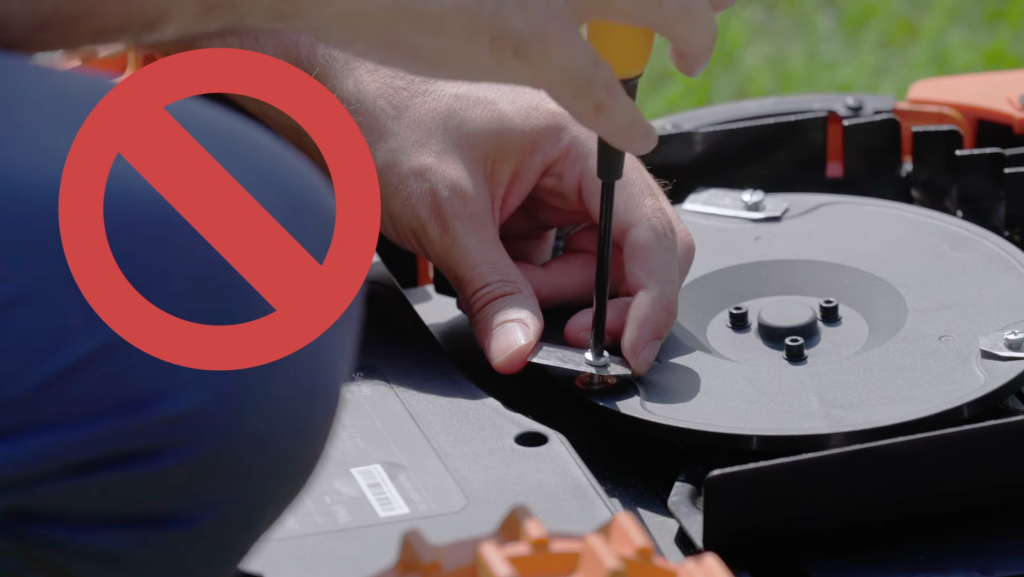
Are your mower blades looking dull or damaged? You might be wondering, can mower blades be replaced, or is it time to buy a whole new mower?
The good news is, replacing mower blades is easier and more affordable than you think. Knowing how and when to replace your blades can save you money and keep your lawn looking sharp. You’ll discover everything you need to know about mower blade replacement—so you can get your mower back in top shape and enjoy a perfect cut every time.
Keep reading to find out how simple it really is!

Credit: www.youtube.com
Signs To Replace Mower Blades
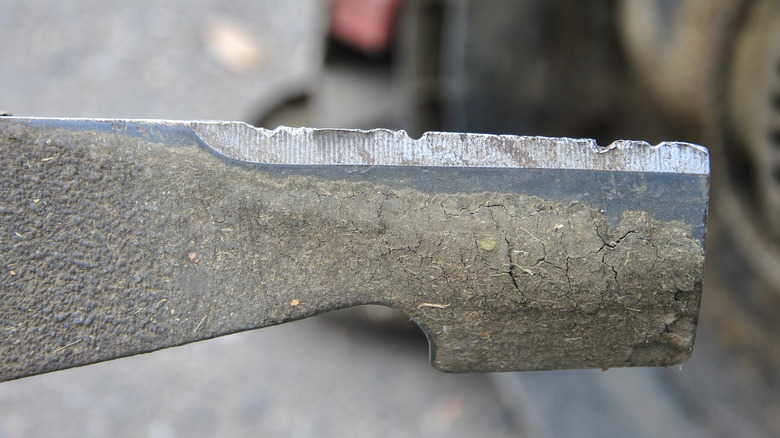
Dull or damaged edgesmake the mower blade less sharp. This causes grass to tear instead of cut. The grass looks brown and unhealthy. Check blades often for chips or cracks. Replace blades if edges are no longer smooth.
Uneven cutting patternsshow a blade problem. The lawn looks patchy or striped. This happens if the blade is bent or worn out. A fresh blade cuts grass evenly, giving a neat lawn.
Vibrations and noiseincrease during mowing when blades are off balance. The mower shakes and sounds louder. This can hurt the engine and cause damage. Replace blades to keep the mower running smoothly.
Choosing The Right Replacement Blades
Blade typesinclude mulching, high-lift, and standard blades. Mulching blades cut grass finely. High-lift blades give strong suction to lift grass. Standard blades are best for general use. Blades come in steelor aluminum. Steel blades are strong and last longer. Aluminum blades are lighter but wear out faster.
Blade sizeis critical. Check your mower’s manual for the right size. Blades must match the bolt patternand hole size to fit securely. Using wrong size blades can damage the mower or cause accidents.
- Special featuresto consider:
- Coating to resist rust and wear
- Sharp edges for clean cuts
- Balanced blades to reduce vibration
- Replace blades that are bent or cracked
Tools Needed For Blade Replacement
Essential hand tools include a wrenchor socket set to remove the blade bolt. A block of woodhelps stop the blade from moving while loosening the bolt. A screwdrivermay be needed to remove any blade covers or guards.
Safety gear is very important. Use thick glovesto protect your hands from sharp blade edges. Safety glasses protect your eyes from flying debris or dirt. Wearing closed-toe shoes is also a good idea.
Optional helpful tools make the job easier. A blade removal toolcan provide extra grip. A torque wrenchhelps tighten the blade bolt to the correct strength. A wire brushcleans dirt from the blade mount area.
Credit: www.housedigest.com
Preparing Your Mower For Blade Change
Changing mower blades is possible and enhances performance. Ensure the mower is off and unplugged.
Safety Precautions
Before changing the blade, make sure the mower is turned off. Disconnect the spark plug to prevent any accidental start. Wear gloves to protect your hands from sharp edges. Keep a first aid kit nearby in case of injuries.Accessing The Blade Area
Tilt the mower carefully onto its side. Ensure the fuel tank cap is tight to avoid spills. Use a wrench to remove any bolts holding the blade. Keep the bolts and nuts in a safe place.Cleaning And Inspection
Use a brush to clean the blade area. Remove any grass and dirt stuck on the mower. Inspect the blade for damage or rust. If the blade is dull or damaged, replace it immediately. Clean the surrounding area to ensure proper functioning. `Step-by-step Blade Replacement Guide
Mower blades can be replaced easily with a few simple tools. Removing old blades and fitting new ones keeps your mower working well. Following clear steps ensures safety and proper installation.
Removing Old Blades
First, make sure the mower is off and unplugged. Use gloves to protect your hands. Turn the mower upside down on a flat surface. Use a wrench to loosen the bolt holding the blade. Hold the blade firmly to stop it from turning. Remove the bolt and take off the old blade carefully.
Installing New Blades
Place the new blade on the mower’s blade holder. Make sure the sharp edges face the correct direction. Align the holes on the blade with the bolt holes on the mower. Insert the bolt through the holes. Check if the blade sits flat and stable.
Tightening And Securing
- Use a wrench to tighten the bolt securely.
- Do not over-tighten; it can damage the blade or mower.
- Check the blade for any movement or looseness.
- Turn the mower right side up and test it carefully.
Balancing And Testing New Blades
To balance mower blades, first clean them well. Dirt can cause an uneven balance. Next, use a blade balancer or hang the blade on a nail through its center hole. The blade should stay horizontal. If one side dips, it is heavier. Lightly file the heavier side until the blade balances evenly.
Balancing blades helps the mower run smoothly. It also reduces wear on the engine and parts. A well-balanced blade cuts grass better and lasts longer.
- Check blade sharpness before installation.
- Ensure blades are firmly tightened.
- Start the mower and listen for unusual sounds.
- Look for vibrations during operation.
- Stop mower if vibrations or noises occur.
- Inspect blade alignment and balance again if needed.
Proper blade balance and testing ensure safe and effective mowing.
Maintenance Tips To Extend Blade Life
Regular sharpeningkeeps mower blades cutting well. Sharp blades cut grass cleanly, helping your lawn stay healthy. Dull blades tear grass, causing damage and brown edges. Sharpen blades after 20-25 hours of use or when cutting looks uneven. Use a file or a sharpening tool for best results.
Proper storage prevents blade damage and rust. Store the mower in a dry place away from moisture. Clean blades before storage to remove dirt and grass clippings. This helps stop rust and keeps blades ready for next use.
Routine inspections catch problems early. Check blades for cracks, bends, or dull edges. Replace blades if damaged to avoid poor cutting or mower damage. Tighten bolts and make sure blades are secure before each use.

Credit: www.youtube.com
When To Seek Professional Help
Replacing mower blades can be tricky in some cases. Complex repairs often need special tools and skills. Professionals know how to handle these well. Unusual damage like bent or cracked blades should not be ignored. Such damage can cause poor cutting or even accidents.
Safety is very important. If you feel unsure about removing or fixing blades, ask for help. Professionals follow strict safety rules. This lowers the risk of injury. Trusting experts can save time and keep you safe.
Frequently Asked Questions
Can Mower Blades Be Replaced Easily At Home?
Yes, mower blades can be replaced at home with basic tools. Ensure the mower is off and disconnected before starting. Follow the manufacturer’s instructions for safe removal and installation to avoid injury and ensure proper fit.
How Often Should Mower Blades Be Replaced?
Mower blades should be replaced every 1-2 years or when damaged. Dull or bent blades reduce cutting efficiency and harm your lawn’s health. Regular inspection helps determine the right time for replacement.
What Tools Are Needed To Replace Mower Blades?
You typically need a wrench, socket set, and gloves to replace mower blades. A block of wood can prevent blade rotation during removal. Having proper tools ensures safe and effective blade replacement.
Can Dull Mower Blades Be Sharpened Instead Of Replaced?
Yes, dull mower blades can often be sharpened a few times. However, if blades are cracked, bent, or excessively worn, replacement is safer and more effective. Regular sharpening maintains cutting quality and lawn health.
Conclusion
Mower blades wear out over time and need replacement. Changing blades keeps your lawn mower working well. Sharp blades cut grass cleanly and help your lawn stay healthy. You can buy new blades that fit your mower model. Replacing blades yourself saves money and is not hard.
Always follow safety steps to avoid injury during replacement. Regular blade care extends the mower’s life. Keep your lawn looking neat with fresh blades. Simple maintenance makes mowing easier and more effective.





