Have you ever wondered if using a mower bag could actually harm your mower? It’s a question many lawn care enthusiasts don’t stop to ask—but it matters more than you might think.
If you want your mower to last longer and work better, understanding how the mower bag affects it is key. You’ll discover the surprising ways a mower bag might damage your mower and what you can do to protect your investment.
Keep reading to make sure your mower stays in top shape season after season.

Credit: harrisburg.craigslist.org
How Mower Bags Work
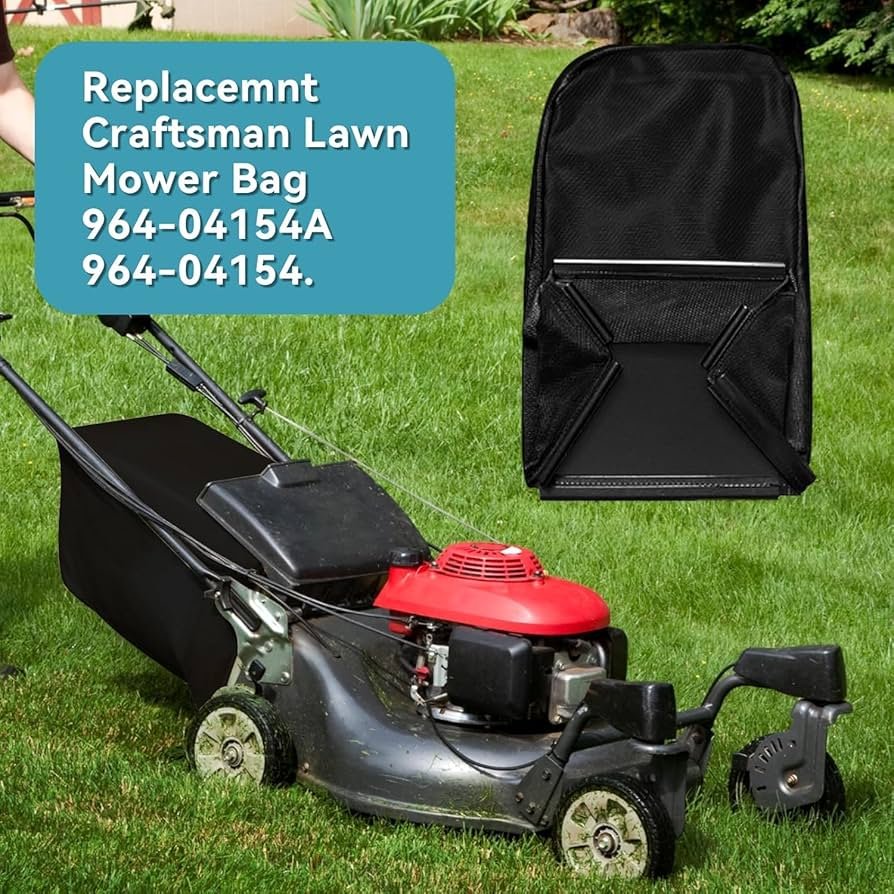
Mower bags catch grass clippings as the mower cuts. This helps keep the lawn neat and clean. The bag fits on the back or side of the mower. It collects clippings through a chute connected to the blade area.
The design lets air flow to help move clippings inside. This air movement stops the bag from clogging. Bags often have a frame to hold shape and keep airflow steady. Some bags are soft fabric, others are hard plastic.
| Material | Features |
|---|---|
| Fabric | Lightweight, flexible, allows air flow, easy to clean |
| Plastic | Durable, holds shape well, less airflow, easy to empty |
| Mesh | Good airflow, lets moisture escape, can tear easily |
Common Mower Bag Issues
Wear and tearon mower bags happens from regular use. Small holes or rips may form, letting grass clippings escape. This can reduce bagging efficiency and cause debris to scatter. Old or damaged bags might also strain the mower’s motor, leading to overheating or damage over time.
Clogging and blockagesoccur when wet or thick grass clumps inside the bag or chute. This blocks airflow and forces the mower to work harder. It can cause the engine to stall or the blades to slow down. Regularly cleaning the bag and avoiding cutting wet grass helps prevent clogging.
Potential Damage To Mower
A damaged mower bag can block airflow and cause the mower to overheat. Sharp edges or tears might scratch or harm the mower’s body. Regular checks help prevent these common issues and keep the mower working well.
Strain On Motor
The mower bag can add extra weight. This makes the motor work harder. The motor might get tired. It needs more energy to keep going. If the bag is too full, the motor could slow down. It’s like carrying a heavy backpack uphill. Always check the bag’s weight. Keep it light to help the motor.
Blade Performance Impact
Blades can get stuck if the bag is too full. This makes cutting grass harder. Blades need space to spin well. A heavy bag can make them slow. Grass might not be cut neatly. Empty the bag often. This helps blades cut better.
Overheating Risks
Too much weight can make the mower hot. The motor works extra hard. Heat can damage the mower. It might stop working. Let the mower rest if it’s hot. Check for any strange smells. Keep the bag light to avoid overheating.
Signs Of Mower Bag Damage
Unusual noisesmay come from the mower if the bag is damaged. These sounds can be loud rattling or strange clinks. They often mean pieces inside the mower hit the broken bag.
Reduced efficiencyhappens when the mower bag is torn or blocked. Grass clippings may not collect well. This makes mowing take longer and leaves clumps behind.
| Physical Damage Indicators | What to Look For |
|---|---|
| Tears or holes | Visible rips or holes letting grass escape |
| Loose or broken straps | Straps that no longer hold the bag tightly |
| Frayed edges | Worn fabric edges that may soon tear |
Preventing Damage From Mower Bags
Secure the mower bag firmly to the mower before use. Loose bags can cause parts to rub and wear out quickly. Check that all clips and hooks hold the bag tightly in place. Avoid forcing the bag onto the mower as this may cause tears or damage.
Empty the bag often to prevent clogging and heavy strain. Dirt and grass build-up can block airflow and reduce mower performance. Clean the bag with water and let it dry completely before storing. This keeps the bag strong and free from mold or bad smells.
Select a bag that fits your mower model exactly. Using the wrong size or type can cause poor grass collection and damage mower parts. Choose bags made of durable materials to last longer and protect your mower. Follow the mower manufacturer’s recommendations for the best match.

Credit: www.ebay.com
Alternatives To Mower Bags
Mulching mowerscut grass into tiny pieces. These pieces fall back on the lawn as natural fertilizer. This helps keep your yard healthy and green. Mulching mowers do not need bags, so there is less chance of damage to the mower.
Side discharge mowerspush grass clippings out to the side. This stops clippings from building up inside the mower. It also prevents clogging and damage. Side discharge is good for tall or thick grass. It leaves the lawn looking neat without using a bag.

Credit: www.amazon.com
Frequently Asked Questions
Can A Mower Bag Cause Damage To The Mower?
Yes, a clogged or improperly attached mower bag can strain the mower’s motor. It may reduce airflow and lead to overheating or blade damage.
How Does A Full Mower Bag Affect Mower Performance?
A full mower bag restricts airflow, causing the mower to work harder. This can lower efficiency and increase wear on the engine and blades.
Is It Safe To Use A Damaged Mower Bag?
Using a damaged mower bag is unsafe. It can cause grass clippings to scatter, clog the mower, and potentially harm the engine or blades.
Can Using The Wrong Mower Bag Size Harm The Mower?
Yes, an ill-fitting mower bag can block grass flow or detach during use. This may damage the mower’s blade or motor over time.
Conclusion
Using a mower bag does not usually harm your mower. It helps collect grass clippings neatly. Still, check the bag often for tears or blockages. A damaged bag might slow your mower’s performance. Keep the bag clean and dry for best results.
Regular mower care matters more than the bag itself. Choose a bag that fits your mower well. This keeps your lawn tidy and your mower working smoothly. Simple steps prevent damage and save you time. A well-maintained mower lasts longer and cuts better.





